Place
Spain Updated Apr 2026
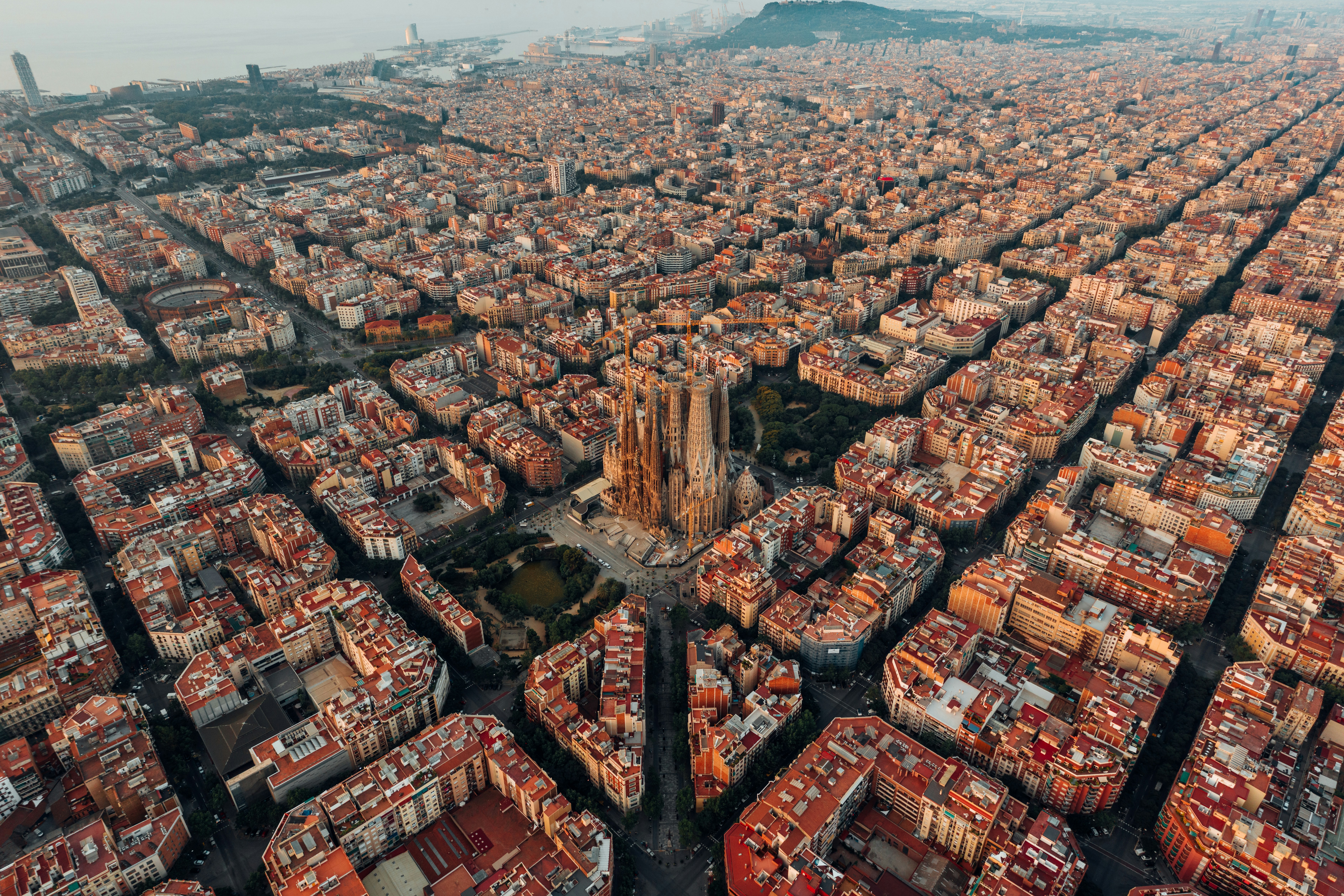
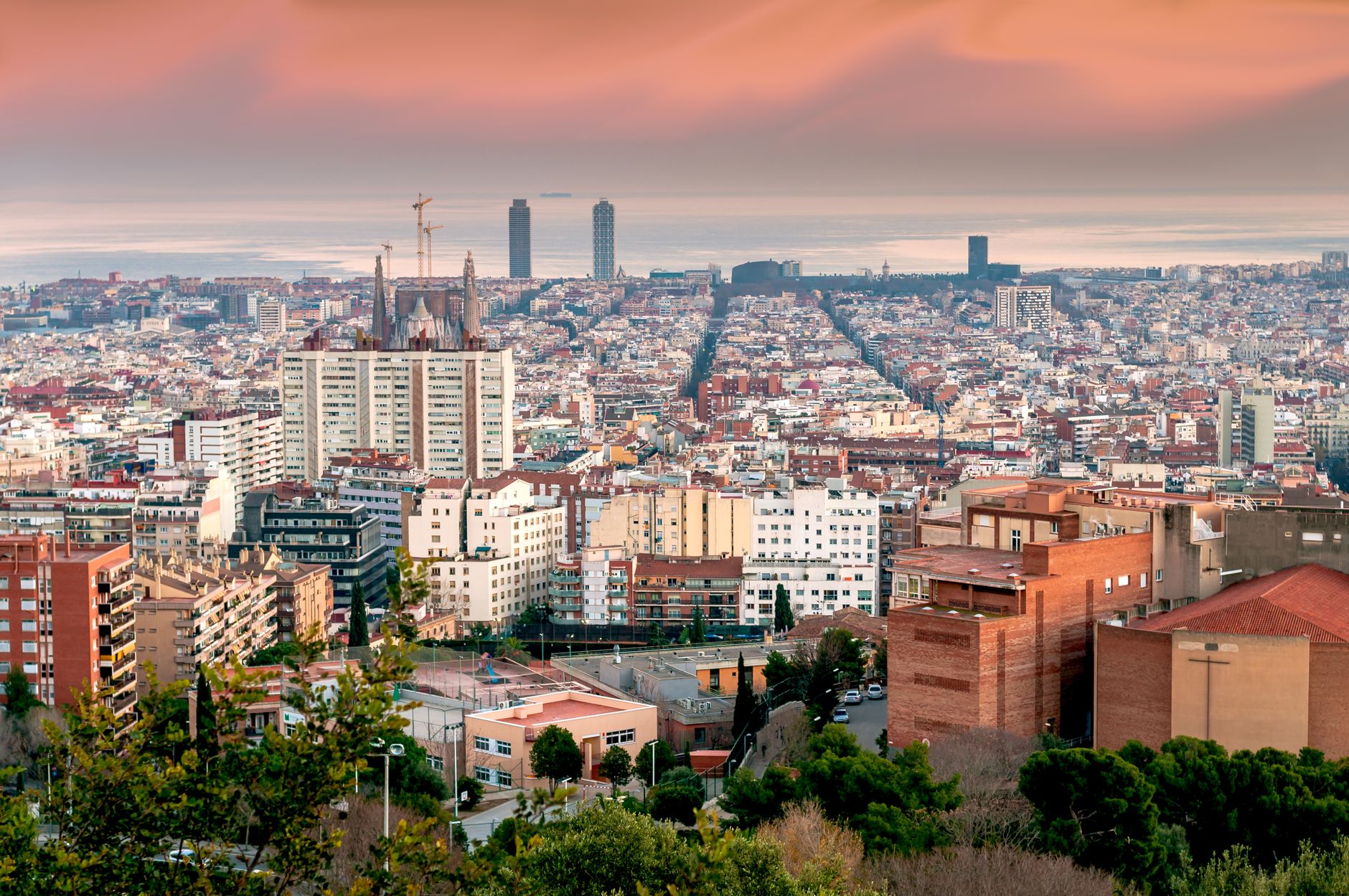
The first time you bite into pa amb tomàquet on a sun-warmed bench in Barcelona, Spain, something shifts. The bread is properly stale, the tomato fierce with acidity, and the olive oil so green it stains your fingers. Suddenly the city stops performing for you and simply sits beside you. This is not the polished Mediterranean fantasy sold in brochures. It is a working Catalan capital that happens to contain seven UNESCO-listed Gaudí buildings and one unfinished cathedral that has already taken longer to build than the Pyramids.
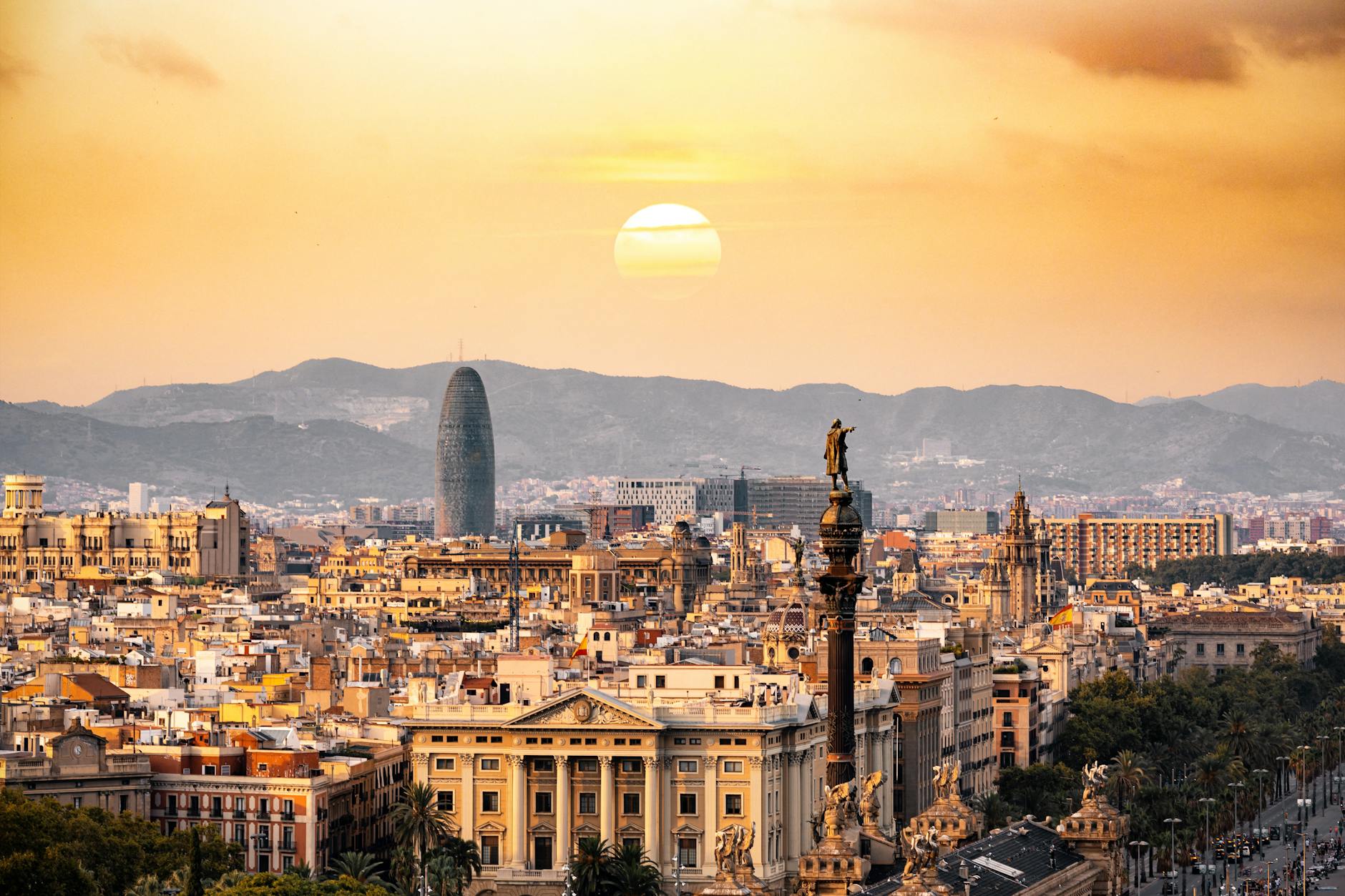 Photo: Aleksandar Pasaric / Pexels
Built from cited sources · see the method · How we make our guides →
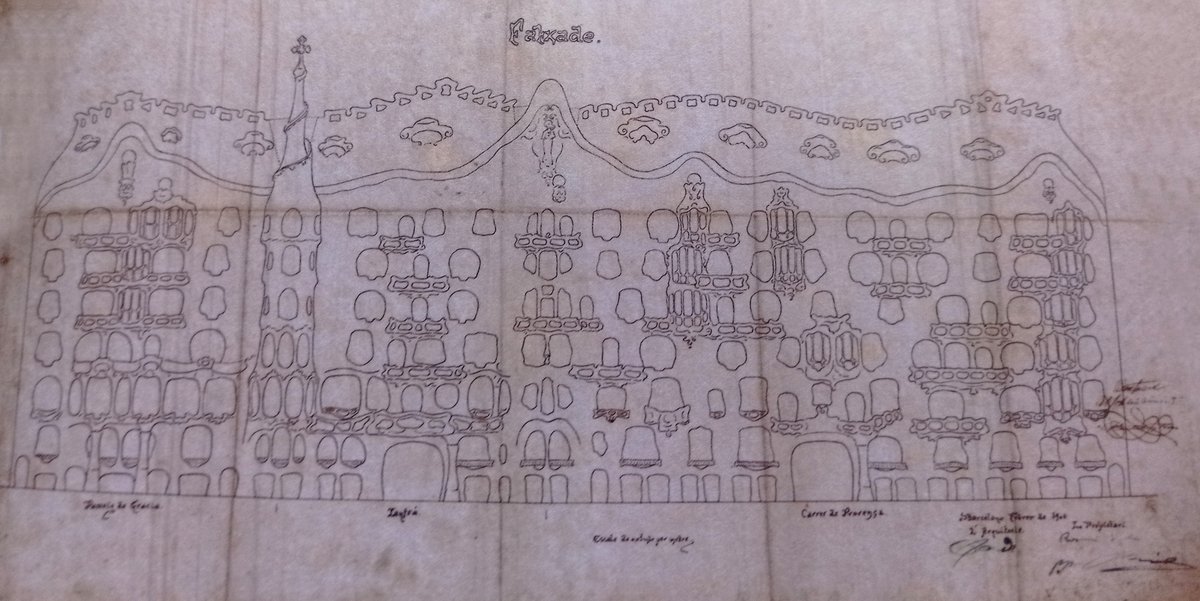
Antoni Gaudí and Lluís Domènech i Montaner treated stone like living tissue. Their buildings lean, bulge, and drip with trencadís tile that catches the afternoon light in ways no flat façade ever could. Walk down Passeig de Gràcia at golden hour and the façades of Casa Batlló and Casa Milà look as if they are exhaling. Yet the real Barcelona reveals itself in smaller moments: the echo of castellers practicing in a Gràcia square, the smell of charred calçots drifting from a hidden courtyard, the way locals still say “Bon dia” in Catalan even when they know you’re foreign.
The city has kept its own rhythm despite everything. It survived the fall of autonomy in 1714, the bombs of the Civil War, and the long silence under Franco only to re-emerge with its language and stubborn identity intact. Today that identity shows up in the refusal to serve dinner before 9 p.m., in the Friday-night vermut rituals, and in the quiet pride that the best bomba in town still comes from a grandmother-run bar in Barceloneta with no sign above the door.
Stay long enough and the place changes how you see other cities. You start noticing which staircases are purely functional and which ones feel like theatre. You understand that light itself can be a architectural material. And you realise the greatest secret about every building here is not who designed it, but how patiently the city waits for you to stop rushing and finally look up.
Not every monument, just the ones we'd walk you past ourselves.


Where to wander, by quarter — each with its own rhythm.
Before you go
Curated from places in this city. Same price as official sites.


Prices shown are indicative — final pricing and availability are confirmed at checkout. Audiala may receive a commission from bookings made via these links.
From Roman outpost to Catalan heart
Neolithic people built their huts near what is now El Raval. The smell of pine smoke and baked clay hung over Montjuïc long before any city dreamed of existing. These scattered hamlets left pottery shards that still surface under modern tram lines.
Augustus planted Colonia Iulia Augusta Faventia Paterna Barcino on the gentle slope of Mont Tàber. Four-meter-thick walls rose around a neat grid of streets. The sound of legionary boots on fresh stone marked the birth of a town that would outlast empires.
King Ataulf moved his court inside the old Roman walls. For a few flickering decades the city rang with Germanic voices and Latin replies. Then the Visigoths drifted south, leaving Barcino to fade into a provincial backwater.
Louis the Pious stormed the Moorish-held town after a short, brutal siege. The walls still carried scars from both sides. Barcelona became the forward bastion of the Frankish March, a buffer between two worlds.
Count Guifré el Pilós refused to shave until he had bound the Catalan counties together. He succeeded. His descendants ruled an increasingly confident Barcelona that looked seaward instead of north to the Franks.
The marriage of Ramon Berenguer IV and Petronilla joined Barcelona’s ships to Aragon’s armies. The city suddenly commanded a future Mediterranean empire. Merchants began keeping double books in Catalan and Latin.
The city won the right to its own council of one hundred citizens. They met in the Saló de Cent, voices echoing off stone vaults. For the next four centuries this assembly guarded Barcelona’s liberties against kings and popes alike.
Plague ships docked at the Drassanes. Within months two-thirds of the population lay dead. The silence that followed was broken only by the creak of burial carts and the occasional desperate prayer inside emptied churches.
After thirteen months of siege the city surrendered on 11 September. Felipe V’s cannons had reduced whole quarters to rubble. The Decrees of Nueva Planta abolished Catalan institutions overnight. That date still burns in local memory.
The Barcelona–Mataró line carried its first passengers amid brass bands and nervous horses. Iron rails sliced through the old city walls that were already being torn down. The Industrial Revolution had officially arrived.
A coppersmith’s son entered the world in Reus but found his language in Barcelona’s light and stone. The city would later watch him crawl along scaffolding like a devout spider, twisting iron and ceramic into impossible curves.
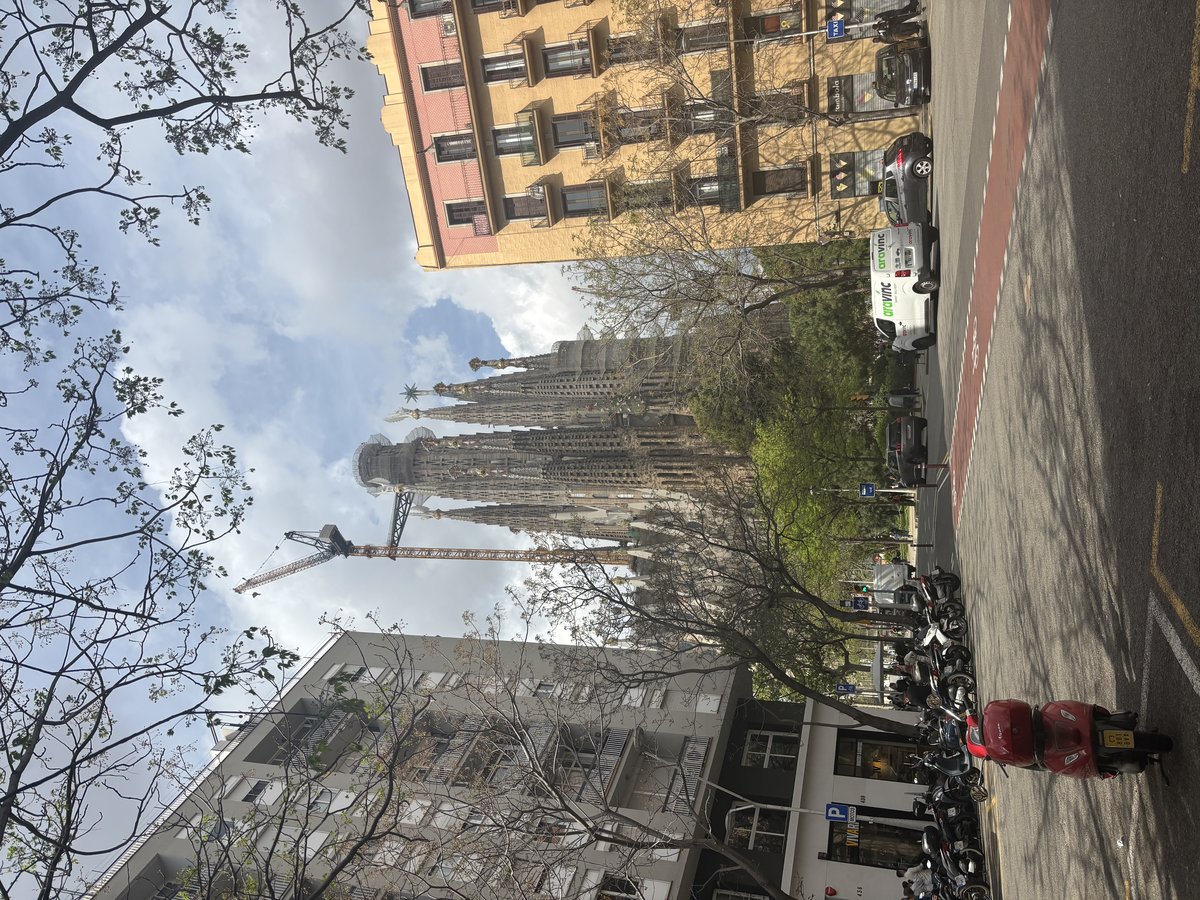
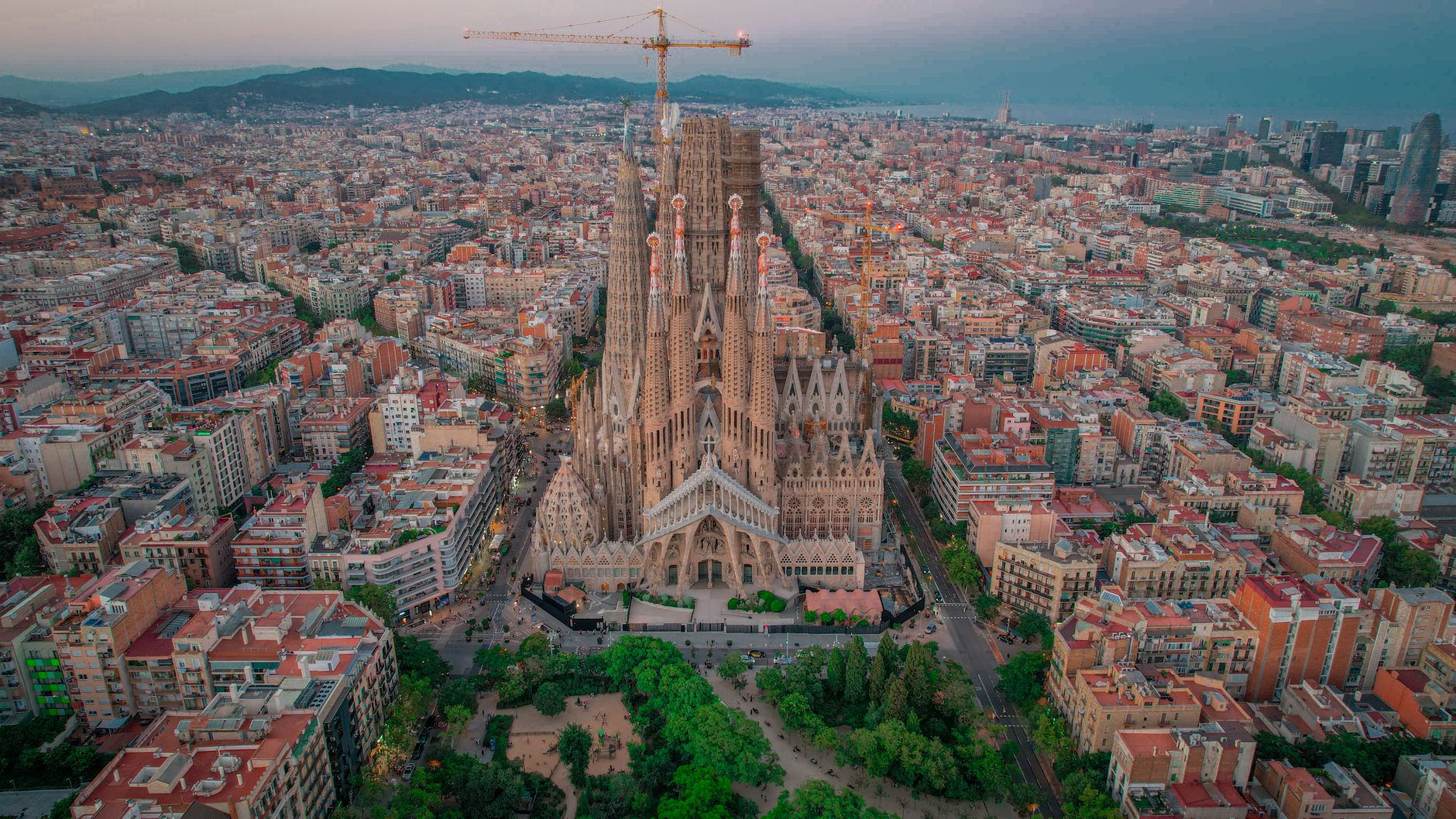
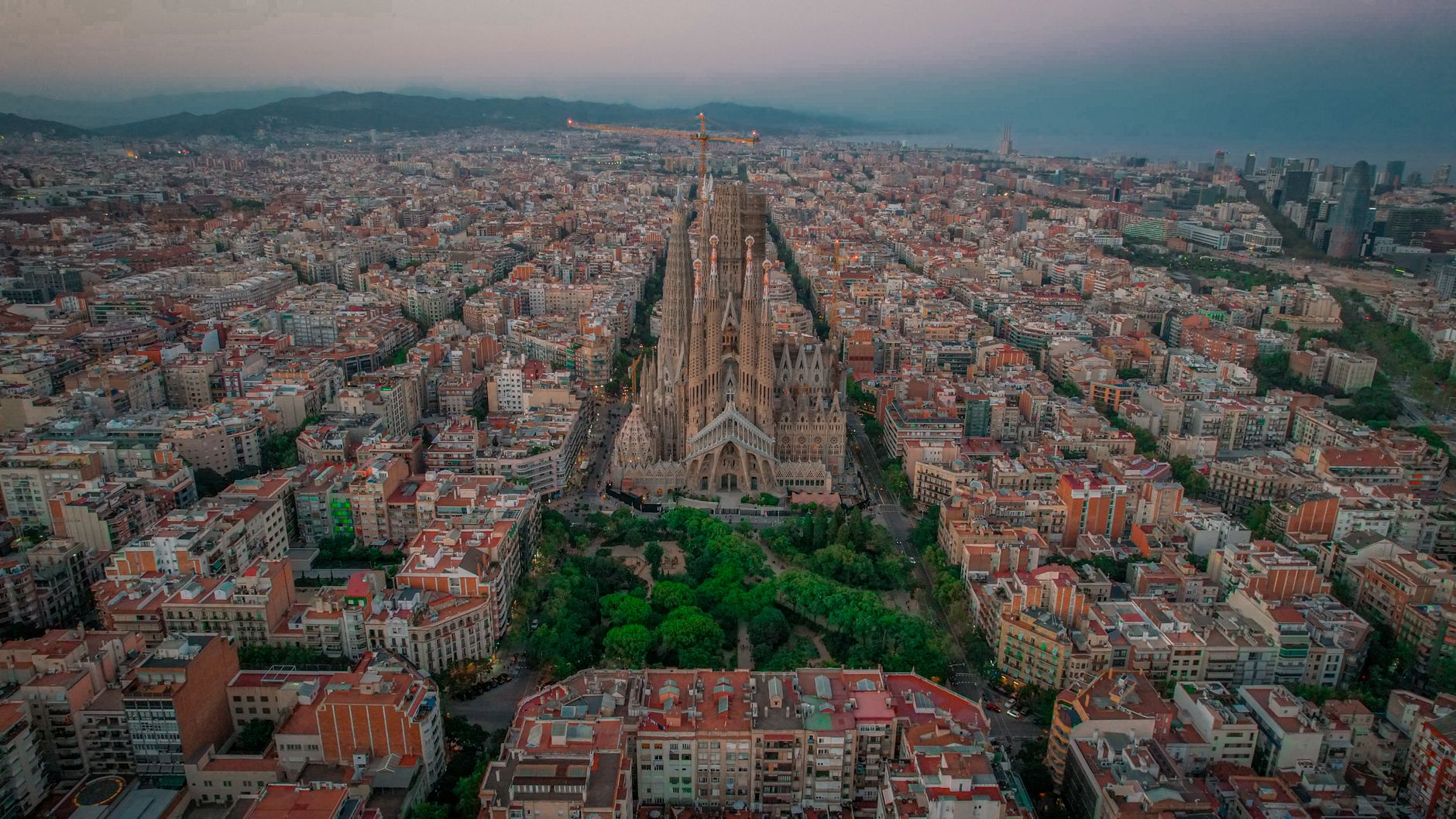
The first stone was laid on 19 March under architect Francisco de Paula del Villar. Gaudí took over the following year and never really let go. One hundred and forty-two years later the towers still claw at the sky, unfinished and defiant.
Anger over conscription for Morocco exploded into riots. Churches burned while nuns’ skulls were paraded on sticks. The army restored order with rifle fire. The smoke took weeks to clear from the Eixample’s wide avenues.
The architect put the final touches on the Hospital de Sant Pau just before his death. Its pavilions glowed with mosaic and stained glass. Patients recovered under tiled ceilings that looked more like cathedral domes than medical wards.
After the military rising failed, workers’ militias controlled Barcelona within days. Tram conductors wore pistols. Churches became warehouses. George Orwell arrived to find a city that briefly believed it had abolished class.
The government fled north from Madrid and settled into the city’s ministries. For two years it directed a losing war from behind elegant Modernista façades. Night after night Italian bombers droned overhead.
On 26 January the last Republican units withdrew. Franco’s soldiers marched down Las Ramblas between silent crowds. The repression that followed was methodical and thorough. Catalan vanished from schools and street signs for decades.
The painter who once said he wanted to murder painting passed away in Palma but had left his spirit all over Barcelona. His foundation on Montjuïc still watches the harbor where he first learned to see color in Mediterranean light.
Seventeen thousand athletes arrived. The city bulldozed derelict warehouses, opened the seafront, and built the Vila Olímpica where fishermen once dried their nets. Barcelona stopped turning its back on the Mediterranean.
The voice that once filled the Liceu with impossible high C’s fell silent in Barcelona. Her funeral drew thousands who remembered how she had made the city believe its opera house belonged on the world stage.
Architect · 1852–1926
Lived and worked here 1870–1926
Gaudí walked these streets with pockets full of acorns and feathers, studying shapes nature had already perfected. He left the Sagrada Família unfinished on purpose. Locals still debate whether he would smile or weep at the cranes still working on his dream a century later.
Painter and sculptor · 1893–1983
Born and raised in Barcelona
Miró learned to hate conventional beauty inside the narrow lanes of the Gothic Quarter. He spent his life reducing forms to their essential bones. The foundation that bears his name sits on Montjuïc like a quiet refusal of everything Gaudí celebrated.
Painter · 1881–1973
Formative years spent here 1895–1904
At 14 Picasso moved into a cramped apartment on Carrer de la Mercè. The city’s smoky taverns taught him blue. The Museu Picasso holds his early awkward sketches, proof that even geniuses once struggled with perspective on these exact cobblestones.
Novelist · 1964–2020
Born and based in Barcelona
Zafón turned the city’s second-hand bookshops into a Cemetery of Forgotten Books. He wrote his characters walking the same Raval alleys he knew as a boy. Today readers still hunt for the fictional shop door on Carrer de la Canuda, half hoping it might actually open.
Where locals actually book dinner — not the tourist menus.
Small things that change how the city treats you.
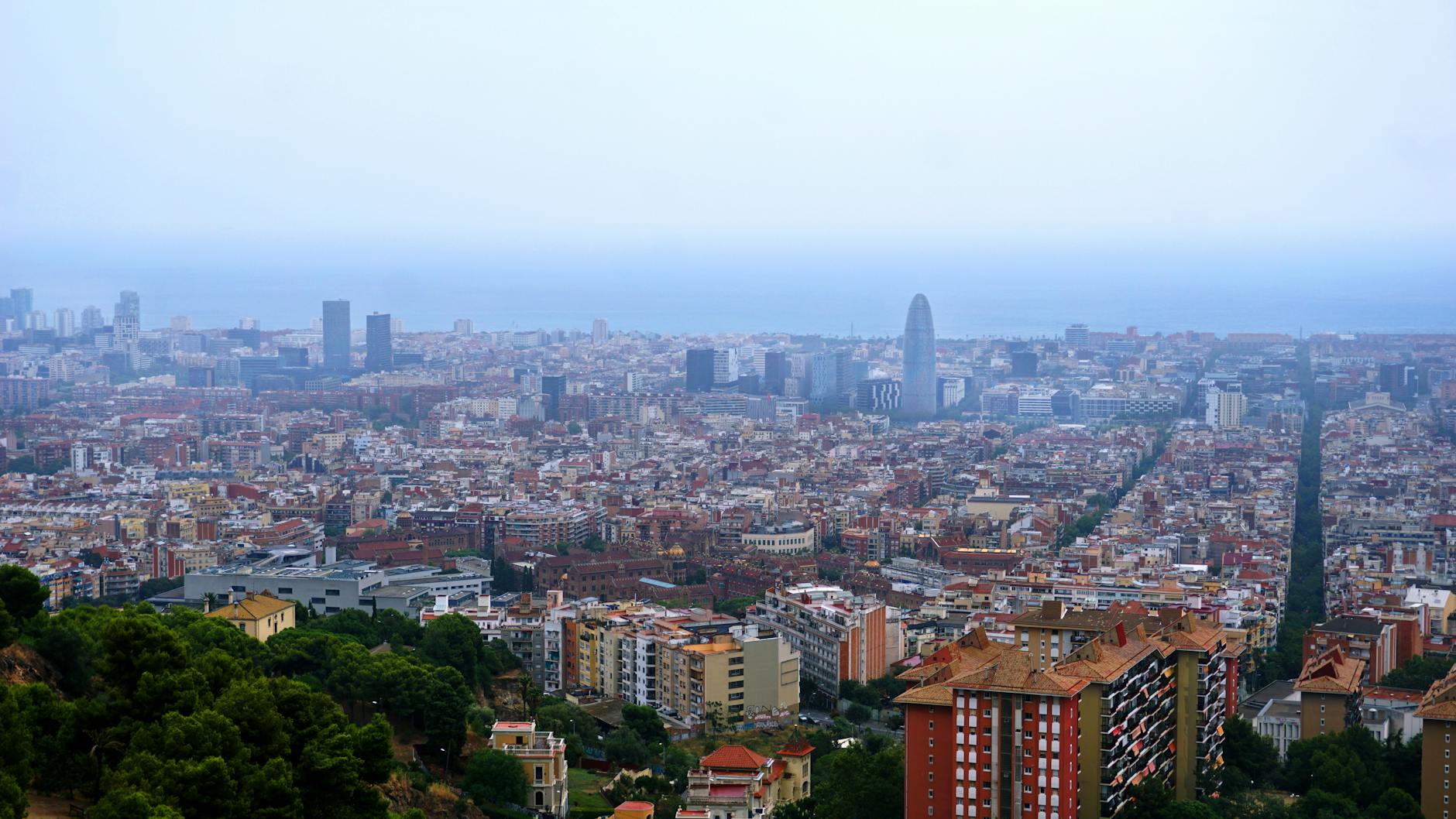
The city, as it actually looks.



Yes, if you like architecture that bends stone like clay. Gaudí’s buildings still surprise after a hundred years. Three or four days lets you see the big sites without the exhaustion that turns wonder into obligation.
Four days works for most people. Two days for the Gaudí route, one for the Gothic Quarter and museums, one for a day trip to Montserrat or Sitges. Five days lets you slow down and sit in Gràcia squares.
The city itself is safe, but petty theft is common. Las Ramblas, the Gothic Quarter at night and crowded metro carriages are the main hunting grounds. Keep valuables in front pockets and avoid flashing phones.
The Aerobús takes 35 minutes to Plaça de Catalunya and runs 24/7. The L9 Sud metro needs a special airport ticket. Rodalies train from Terminal 2 is cheapest if you already have a T-casual card.
Spanish gets you everywhere. Locals appreciate “bon dia” and “gràcies” in Catalan. Using the local language shows you see Barcelona as Catalonia’s capital, not just another Spanish city.
A mid-range day costs €90–130 including one museum, two meals and public transport. Accommodation drives the budget. Book Sagrada Família and Park Güell tickets months ahead to avoid inflated tour prices.
417 places to discover










Showing 1–48 of 417 places
Saved and recently read places — kept on this device only.
Photos may have been resized or cropped.