
Industrial Legacy & Urban Transformation
Poblenou’s legacy as the “Catalan Manchester” stems from its crucial role in Barcelona’s industrial boom. The launch of the 22@Barcelona project in 2000 marked a turning point: over 200 hectares of former industrial land have been redeveloped into a thriving district for technology, innovation, and creativity. As of 2025, roughly 70% of the area is transformed, with more than 150 urban projects and over 3 million m² of modern workspace (22network.net). The neighborhood now hosts university campuses, R&D centers, startups, and a vibrant international community.
Top Attractions & Visiting Information
Must-See Sights
Poblenou Cemetery (Cementiri de l’Est)
- Hours Daily, 8:00 AM–8:00 PM
- Tickets Free entry
- Accessibility Uneven paths; partial wheelchair access
- Highlights "Kiss of Death" sculpture, tombs of Narcís Monturiol and Ildefons Cerdà
- Guided Tours Available via local operators; recommended for in-depth historical context
More info: Schmidt Holidays
Rambla del Poblenou
- Hours Most shops/cafés open 10:00 AM–midnight
- Accessibility Fully pedestrian-friendly
- Features Tree-lined boulevard, local cafés, horchata at El Tío Che, regular art and food markets
Bogatell & Mar Bella Beaches
- Hours Year-round, lifeguards April–October, 10:00 AM–6:00 PM
- Accessibility Adapted access points and facilities for reduced mobility
- Highlights Clean sands, water sports, chiringuitos, inclusive atmosphere (Barcelona Hacks)
22@ Innovation District
- Highlights Media-TIC building, Torre Glòries, coworking spaces, and urban art
- Experiences Guided tours focus on architecture and urban renewal
Can Framis Museum
- Hours Tue–Sun, 11:00 AM–7:00 PM (closed Mon)
- Tickets €6 general, discounts available
- Accessibility Fully accessible
- Features Contemporary Catalan art, sculpture garden
Official website
Parc del Centre del Poblenou
- Hours Daily, 7:00 AM–10:00 PM
- Accessibility Fully accessible
- Features Designed by Jean Nouvel, innovative landscaping, play areas, public art
Street Art Hotspots
- Best Areas Carrer de Pere IV, Carrer de Llull
- Tours Street art walks available, explore murals and creative spaces
Palo Alto Market
- When First weekend/month
- Entry Free
- Features Local crafts, food trucks, live music
Palo Alto Market
Seasonal Festivals
- Cruïlla Festival July 9–12, 2025 at Parc del Fòrum (music, family areas)
- Grec Festival Citywide theater, dance, music
- Open-air Cinema Sala Montjuïc and local venues
Schedules: Barcelona.com
Guided Tours & Experiences
- Walking & Bike Tours Explore industrial heritage, street art, and innovation hubs. Offered daily; booking ahead is advised.
- Workshops & Creative Activities Join local art, design, and artisan workshops in former factories.
- Specialized Tours Architecture, gastronomy, and tech-focused visits available.
Getting There & Accessibility
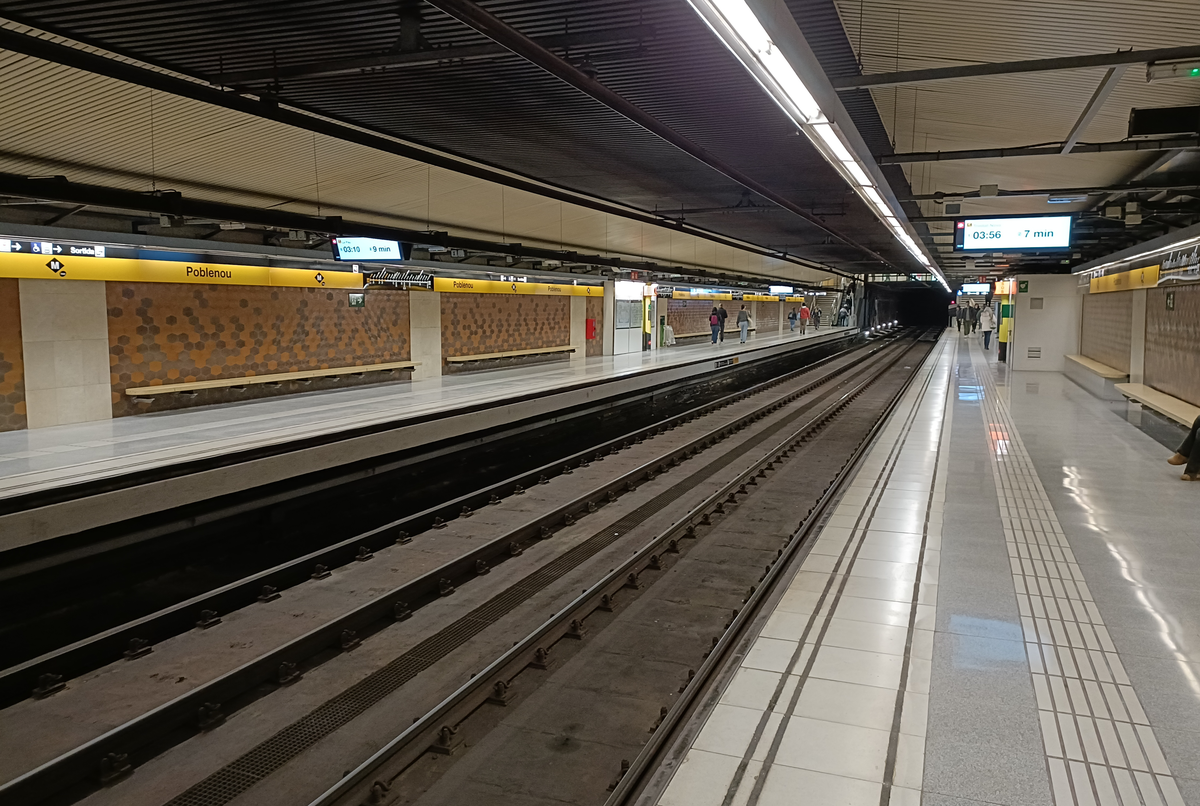
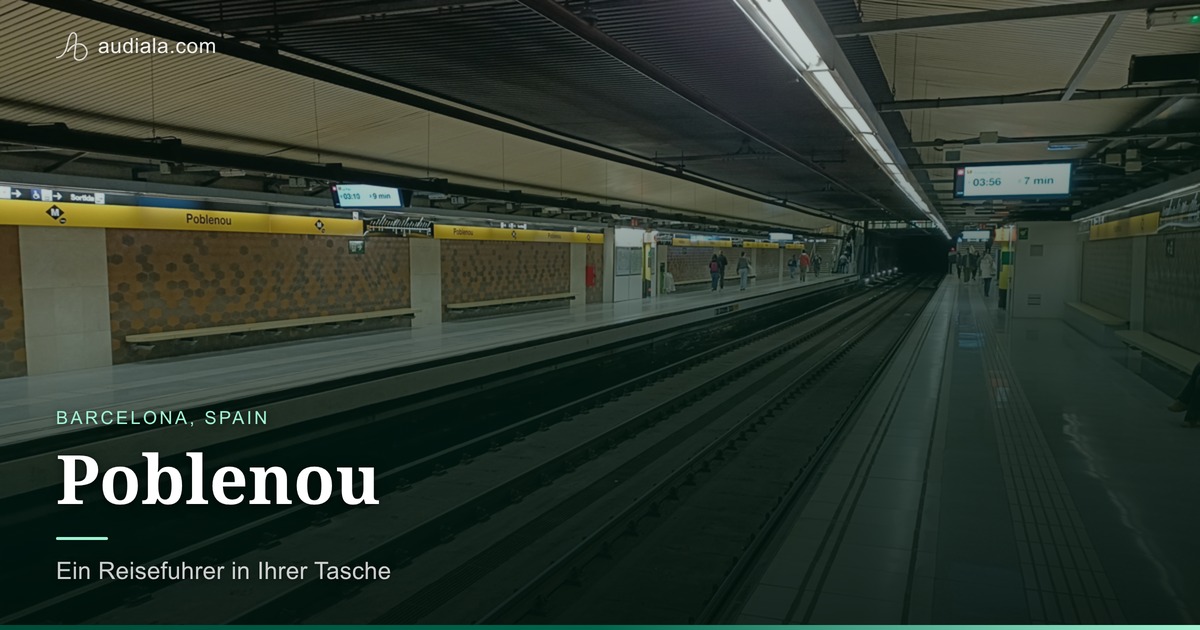
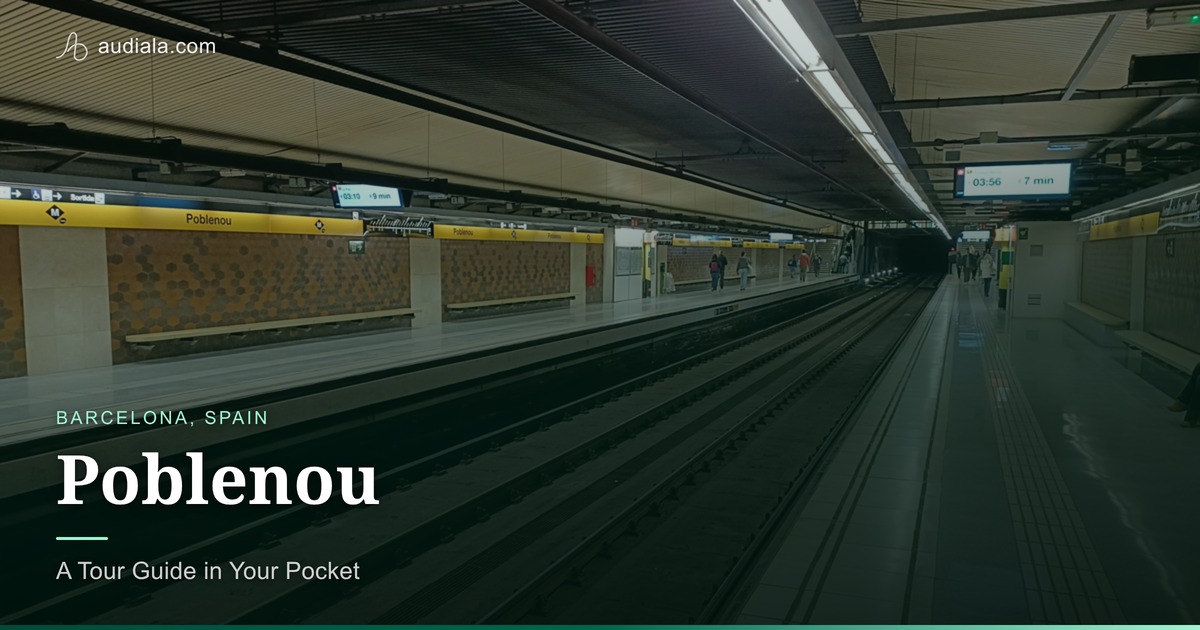
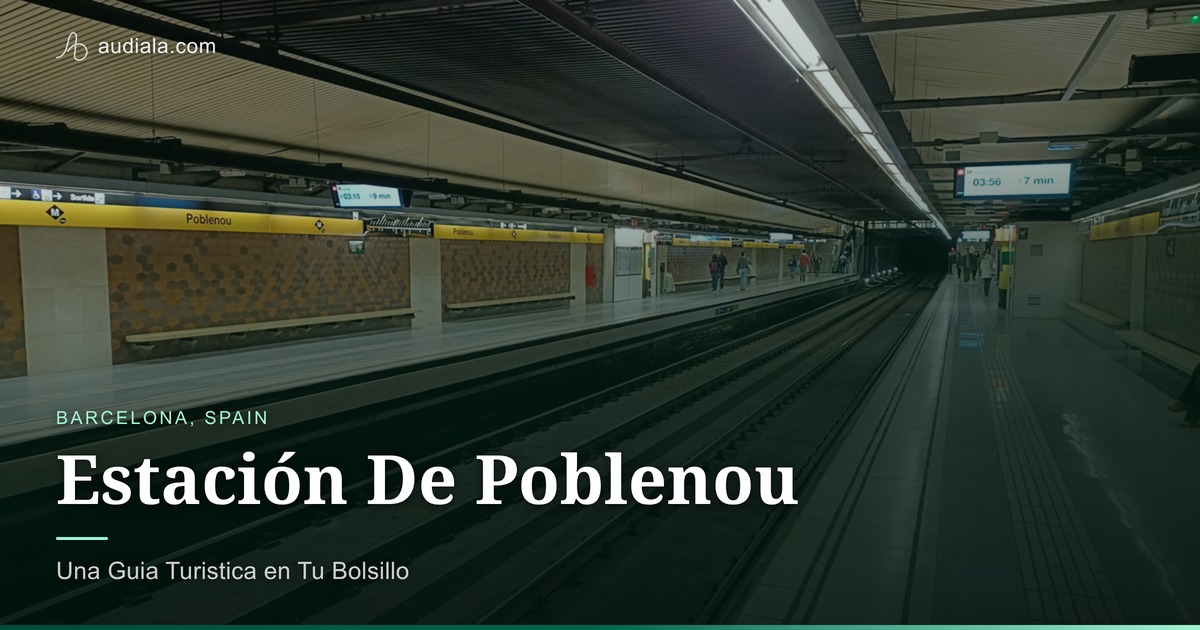
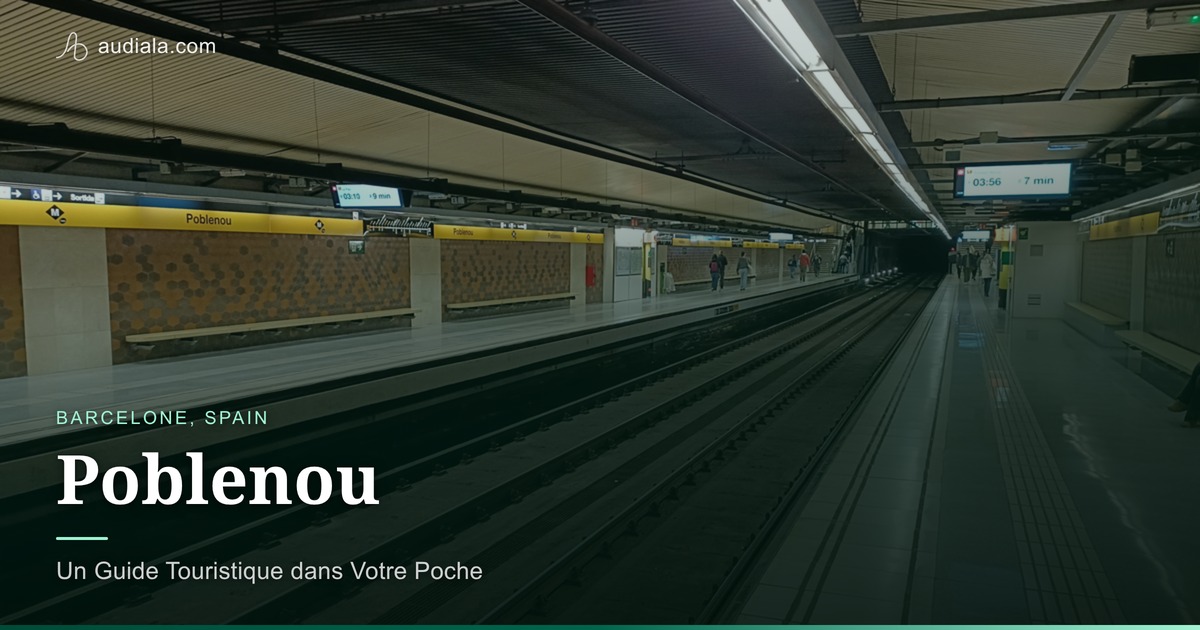
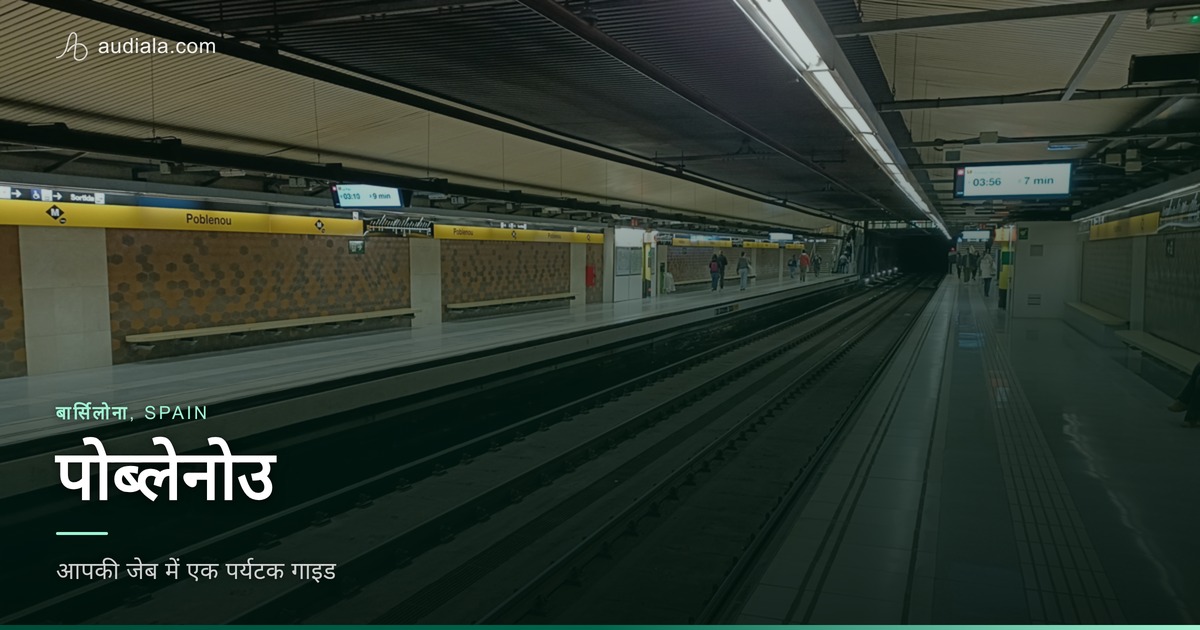
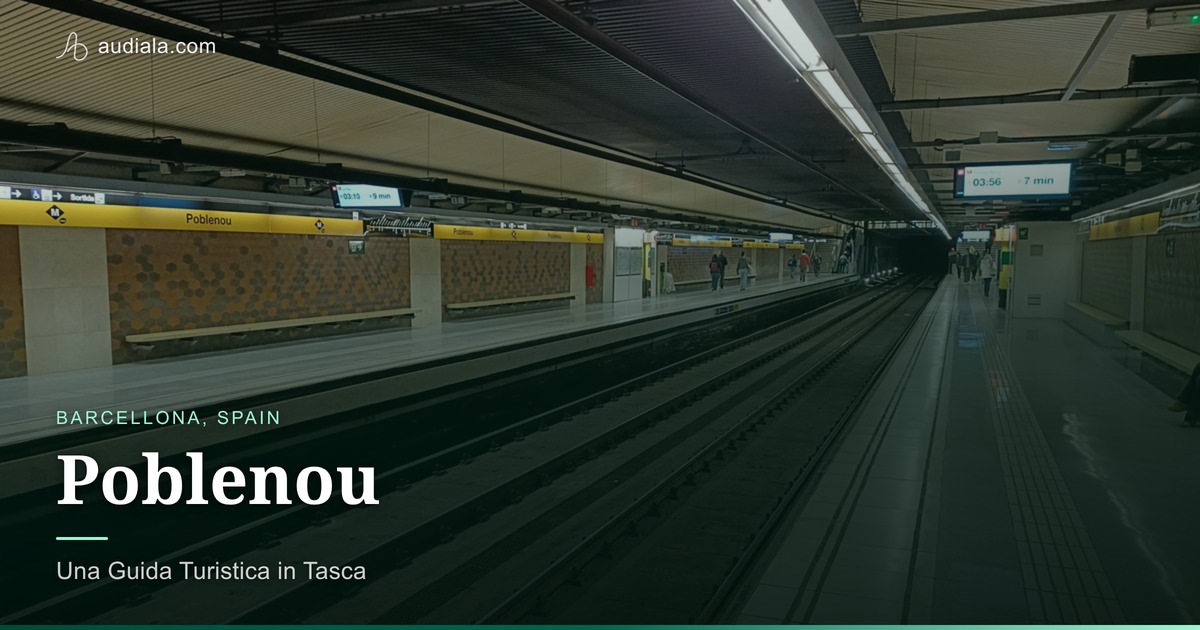
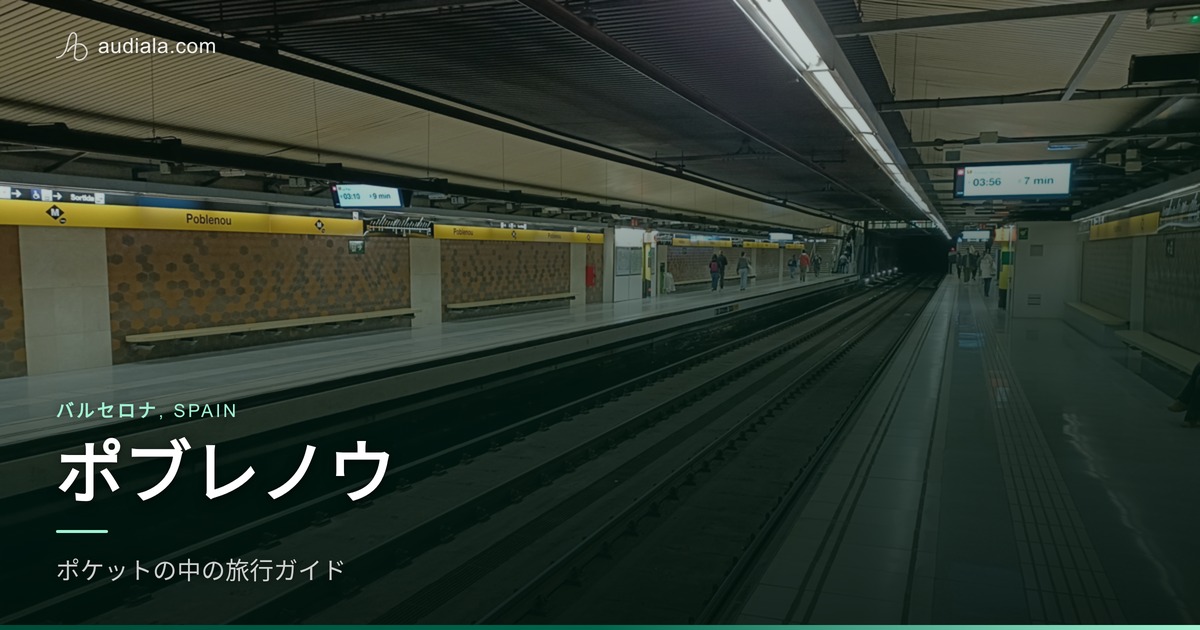
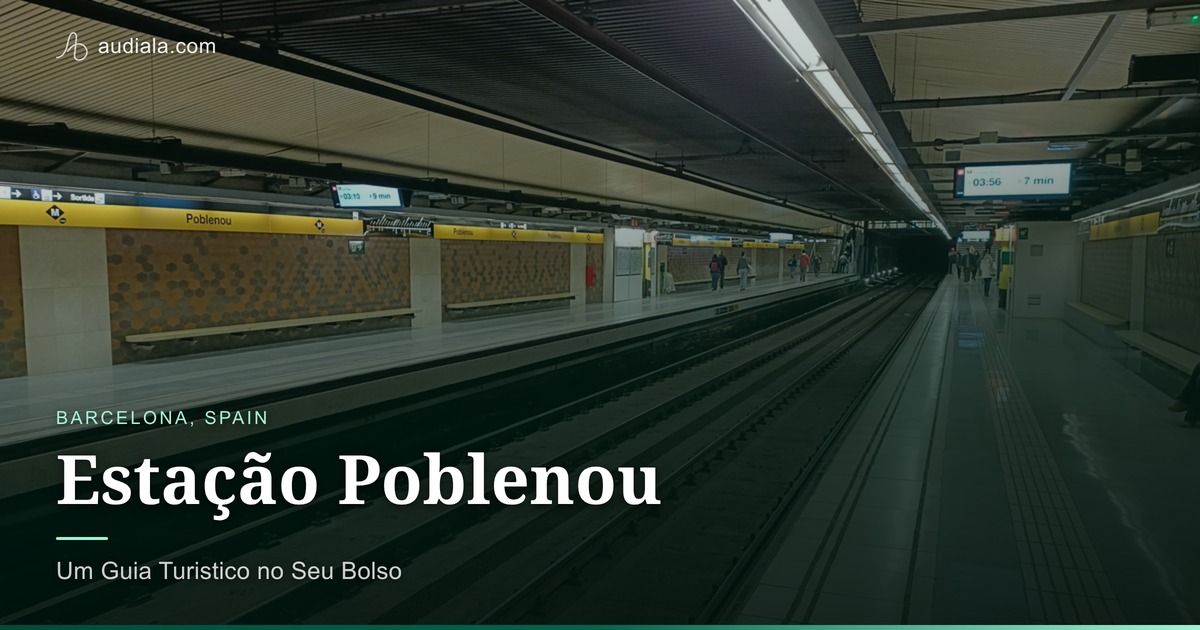
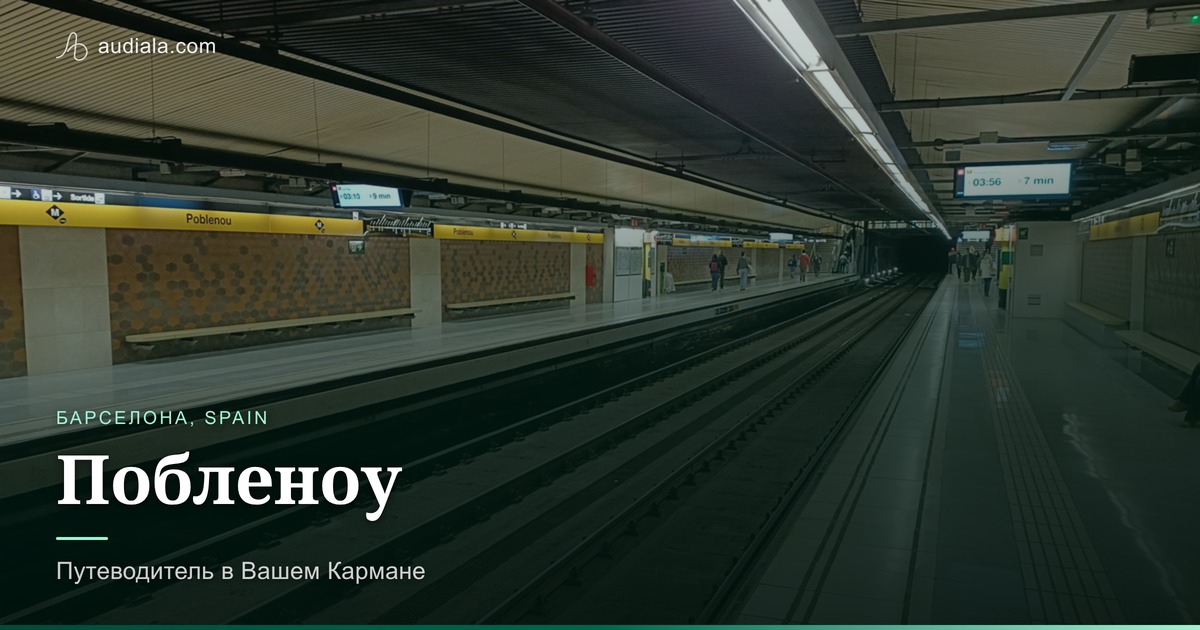
- Public Transport Metro L4 (Poblenou, Llacuna, Glòries), tram, and numerous bus lines (Tiqets).
- Cycling & Walking Flat, bike-friendly, pedestrian avenues; bike rentals and sharing schemes widely available (Touristear).
- Accessibility Most key attractions, public spaces, and beaches are accessible; adapted facilities are common.
Innovation, Sustainability & the Knowledge Economy
Poblenou’s 22@ district has become a model for urban innovation, integrating creative industries, tech startups, educational institutions, and smart infrastructure (Medium). The area is characterized by:
- Superblocks Traffic-calmed streets prioritizing pedestrians and cyclists
- Low Emission Zone (ZBE) Restrictions to improve air quality (jcarchitect.com)
- Smart City Solutions Energy-efficient lighting, digital services, and sustainable mobility
Social, Cultural & Creative Life
Despite rapid change, Poblenou’s community actively preserves local identity and industrial heritage while embracing new residents and visitors. The neighborhood’s creative pulse is seen in:
- Repurposed Industrial Spaces Galleries, maker spaces, coworking hubs, and open studios
- Street Art & Cultural Festivals A lively calendar of events, markets, and exhibitions (weareworldexperience.com)
- Gastronomy From traditional Catalan taverns to vegan cafés and craft breweries
Economic Impact & Global Significance
The 22@ transformation has attracted international investment, created thousands of jobs, and diversified the economy (22network.net). Poblenou’s approach to urban renewal now influences cities worldwide, demonstrating how innovation and heritage can coexist.
Visitor FAQs
Q: What are the visiting hours for main attractions?
A: Most sites open between 8:00–10:00 AM and close by 7:00–8:00 PM. Museums and markets may close on Mondays.
Q: Are there entrance fees?
A: Public spaces and many galleries are free; museums like Can Framis charge €6.
Q: How do I get tickets for museums and events?
A: Purchase on-site or online in advance via official websites.
Q: Are guided tours available?
A: Yes, for cemeteries, innovation district, and street art—book online or through local tourism offices.
Q: Is Poblenou accessible?
A: Yes, most venues, public spaces, and beaches offer step-free access and adapted facilities.
Q: Is the area safe for tourists?
A: Poblenou is considered one of Barcelona’s safest neighborhoods, with a strong community atmosphere (EasyTravel4U).
Travel Tips & Practical Info
- Accommodation Wide range from boutique hotels to hostels (e.g., Latroupe Poblenou Beach Hostel, Hilton Diagonal Mar, The Hoxton) (Latroupe)
- Dining Try local specialties at Sopa Boronat, Garage Poblenou, Xiringuito Escribà, and more (Barcelona Food Experience)
- Shopping Explore boutiques and Palo Alto Market for crafts and design
- Best Time to Visit Spring and autumn for mild weather, July for festivals (but book ahead)
- Local Etiquette Catalan is widely spoken; a few local phrases are appreciated. Beachwear is for the beach only.
- Transport Single metro ticket ~€2.55 (2025); multi-trip cards available (Tiqets)
- Safety Standard precautions; watch valuables in busy areas
- Accessibility Most public areas and transport are adapted for reduced mobility