Besòs, Barcelona: Historical Sites and Visitor Guide
What Besòs Is
At the mouth of the Besòs River in northeastern Barcelona, El Besòs i el Maresme is a working-class neighborhood with a layered history, multicultural community life and green spaces. Once an agricultural zone and later an industrial hub, it has undergone urban and ecological renewal. Places to explore include the Three Chimneys of Sant Adrià de Besòs, Parc Fluvial del Besòs and the Parc del Fòrum area.
Community festivals and cultural spaces are part of neighborhood life. Public transport, cycling routes and accessible facilities connect the area with the rest of Barcelona.
History
The Besòs River has shaped settlement, commerce and defense since Roman times. Its mouth and fertile delta lands supported ancient Barcino, now Barcelona, and the river served as both a natural boundary and a trade route (ShBarcelona).
In the late 19th and early 20th centuries, factories and warehouses developed along the riverside. Dense residential areas grew in the 1950s and 60s, as people migrated from southern Spain in search of work. Many migrants arrived during the Franco era, helping form Besòs’s multicultural, working-class community (ShBarcelona, betevé). Industry brought jobs but also environmental degradation and social challenges (IAAC Blog).
Since the 1990s, the Besòs River has been transformed into a green corridor as part of Barcelona’s ecological recovery.
What to See and Do
The Three Chimneys of Sant Adrià de Besòs
Standing 200 meters tall, the Three Chimneys are a landmark of the area’s industrial heritage. They were part of a thermal power plant and were set to open to the public for the first time during Manifesta 15, Europe’s leading contemporary art biennial, in 2025 (Salir por Barcelona).
Parc Fluvial del Besòs and Other Green Spaces
Parc Fluvial del Besòs is a green corridor for walking, cycling and birdwatching. It has 9 km of trails, picnic areas, sports facilities, wildlife observation and accessible paths. Constructed wetlands filter water naturally, and informational signs explain local ecology.
Parc del Fòrum and the upcoming Parque de la Desembocadura del Besòs offer scenic trails, picnic spots and recreation areas (Barcelona.cat). The Pla de Barris initiative for 2025–2028 is also intended to improve public spaces and community programs (Ajuntament de Barcelona).
Community and Cultural Life
The Centre Cívic del Besòs i el Maresme hosts music, dance, theater and visual arts workshops, as well as youth engagement programs (Centre Cívic del Besòs i el Maresme). Markets, plazas and parks foster community interaction and intercultural dialogue; workshops and social services support vulnerable groups.
Besòs’s cultural life blends flamenco, Catalan sardana and Latin American rhythms. Street art and public performances often reflect themes of migration and identity. Residents also take part in city-wide events such as Sant Joan’s bonfires and La Mercè (Lisbon Explorers).
The annual Festa Major del Besòs i el Maresme is a ten-day festival held from May 30 to June 8. It features music, dance and community activities, including talent shows such as “¡Tú sí que vales!”, choral performances, youth parties and concerts, popular hikes and outdoor activities, and traditional Catalan festivities such as the Correfoc and Giant Parade. The festival is free and open to all (betevé, premium.cat).
Practical Visiting Information
Opening Hours and Tickets
- Three Chimneys Manifesta 15 was scheduled for June–November 2025. Listed visiting hours are 10 AM to 7 PM, with extended hours on weekends. Tickets are €5–€15 depending on access, available online and at the venue. Weekly guided tours are offered and highly recommended.
- Parc Fluvial del Besòs Open daily from dawn to dusk; entry is free.
- Parks and public spaces Open year-round and free. Check individual cultural venues for their hours and ticketing.
- Parc del Fòrum Open daily; event hours vary. Public areas are free, while some events require tickets.
- Torre Glòries Listed hours are 10:00–20:00; admission is approximately €15 for adults. It offers panoramic views.
Getting There and Accessibility
- Metro L4 to Besòs Mar and L2 to La Pau. Other listed metro connections include L2, L4 and L10, with stations named Sant Martí, Besòs and Besòs Mar.
- Train Renfe Cercanías to Sant Adrià de Besòs; Rodalies and FGC commuter lines also serve the area.
- Tram TramBesòs lines T4 and T5.
- Bus Several city lines and multiple bus routes serve the area.
- Cycling and walking The area has extensive bike lanes, rentals and well-maintained paths; the transport guide lists over 200 km of bike lanes.
Most parks and landmarks are wheelchair accessible, including the Three Chimneys during Manifesta 15. Accessible facilities include elevators, ramps, tactile paving, accessible taxis and apps. Accessibility can vary by event, so check specific event details. Restrooms, water fountains and picnic areas are available.
Walking, cycling and ecological tours are available; book in advance. Local ecological and cultural guided tours are also offered. For further details on events, hours and tickets, consult official city resources and the Audiala app.
Tips
- Spring and autumn are listed as good times to visit for mild weather. Late May to early June is another suggested time, during the Festa Major.
- Birdwatching may include herons, kingfishers and other birds. Community events include festivals, yoga and environmental workshops. Photography can capture contrasts between nature and modern architecture.
- Engage in local festivities and workshops, which are mostly free; support local businesses and respect customs during religious and family events.
- Catalan and Spanish are widely spoken; basic phrases are appreciated.
- The area is described as generally safe, especially during the day, but standard urban precautions apply. Remain in populated areas after dark and use public transport or taxis at night. Guided tours are described as a secure way to explore. Take standard precautions (GoWithGuide).
Nearby Places
- Parc del Fòrum A modern event space with open-air cultural activities.
- Sant Adrià de Besòs Beach Described as less crowded, with Mediterranean views.
- Platja de Llevant and other beaches Offer lifeguards in summer, showers, rentals and water sports.
- Besòs River Greenway A route for cycling and birdwatching.
- Local markets and restaurants Offer diverse cuisine reflecting the community’s multicultural mix.
- Santa Coloma de Gramenet Its parks have playgrounds, fitness zones, lakes and gardens. The area also has sites of Catalan architecture, open-air concerts and local markets.
- Torre Glòries and the 22@ Innovation District The district features public art and sustainable design.
- Sant Martí and Poblenou Offer innovation hubs, art galleries and the Rambla del Poblenou.
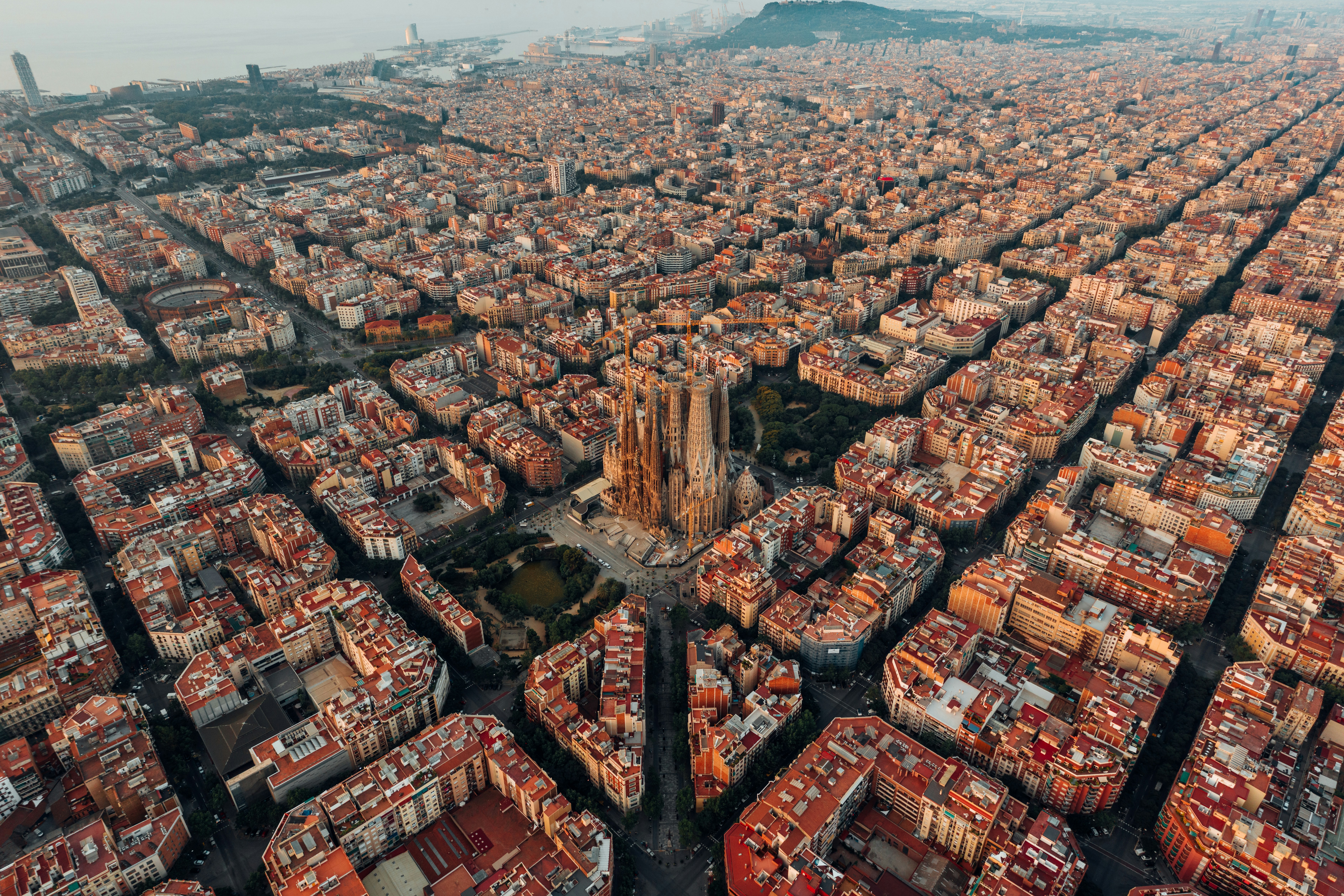
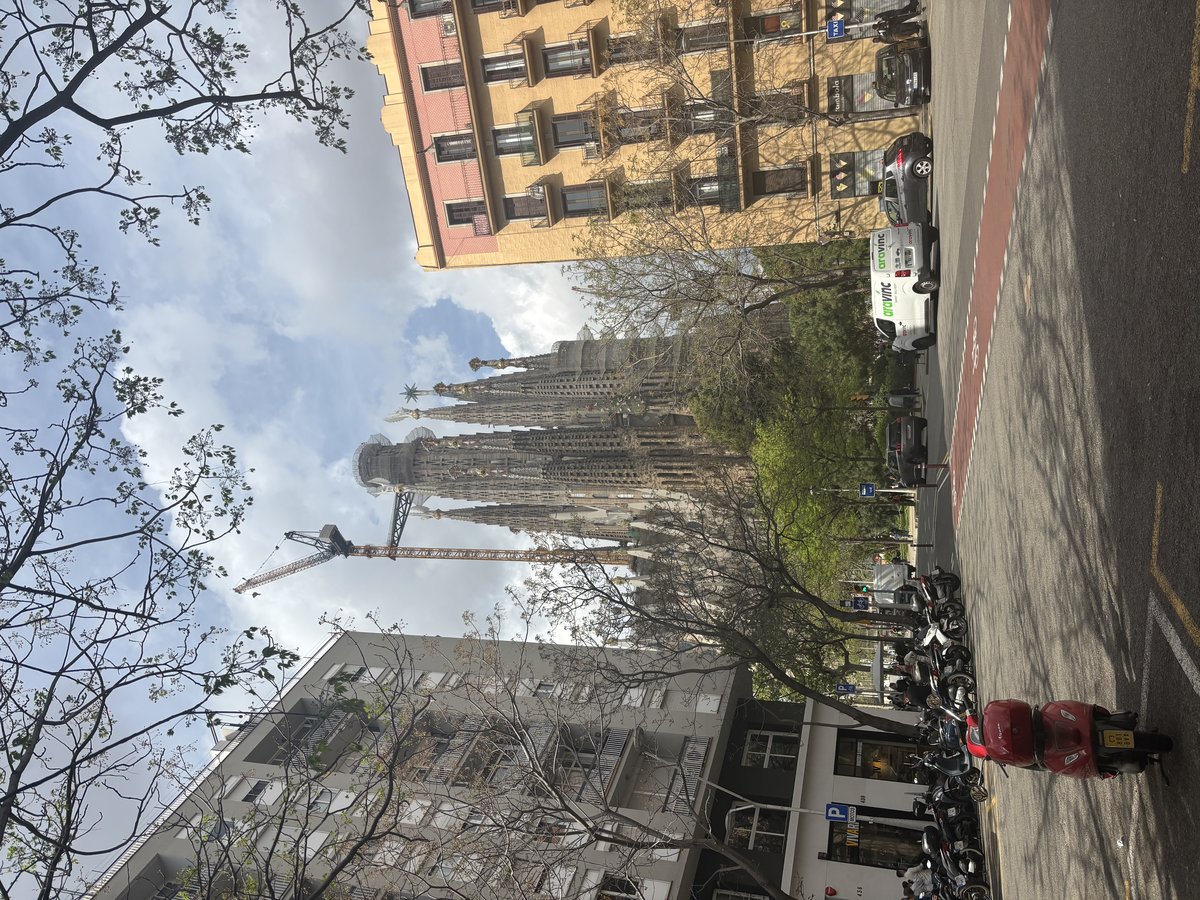
- Sagrada Família A short metro ride away.
- Park Güell Easily reached by public transport.
- Barceloneta Beach A quick journey from the river mouth.
FAQs
Are there entrance fees for Besòs River parks?
No. The river parks are free.
Are there guided tours?
Yes. Local ecological and cultural tours are available, including walking, cycling and eco-tours.
Is the area family-friendly and accessible?
Yes. It has playgrounds, picnic areas and accessible paths.
Can tourists use public bike-sharing?
Bicing is for residents, but private rentals are available.
Where can I find parking?
Secure parking lots are available near main attractions.