History and Significance
Origins and Development
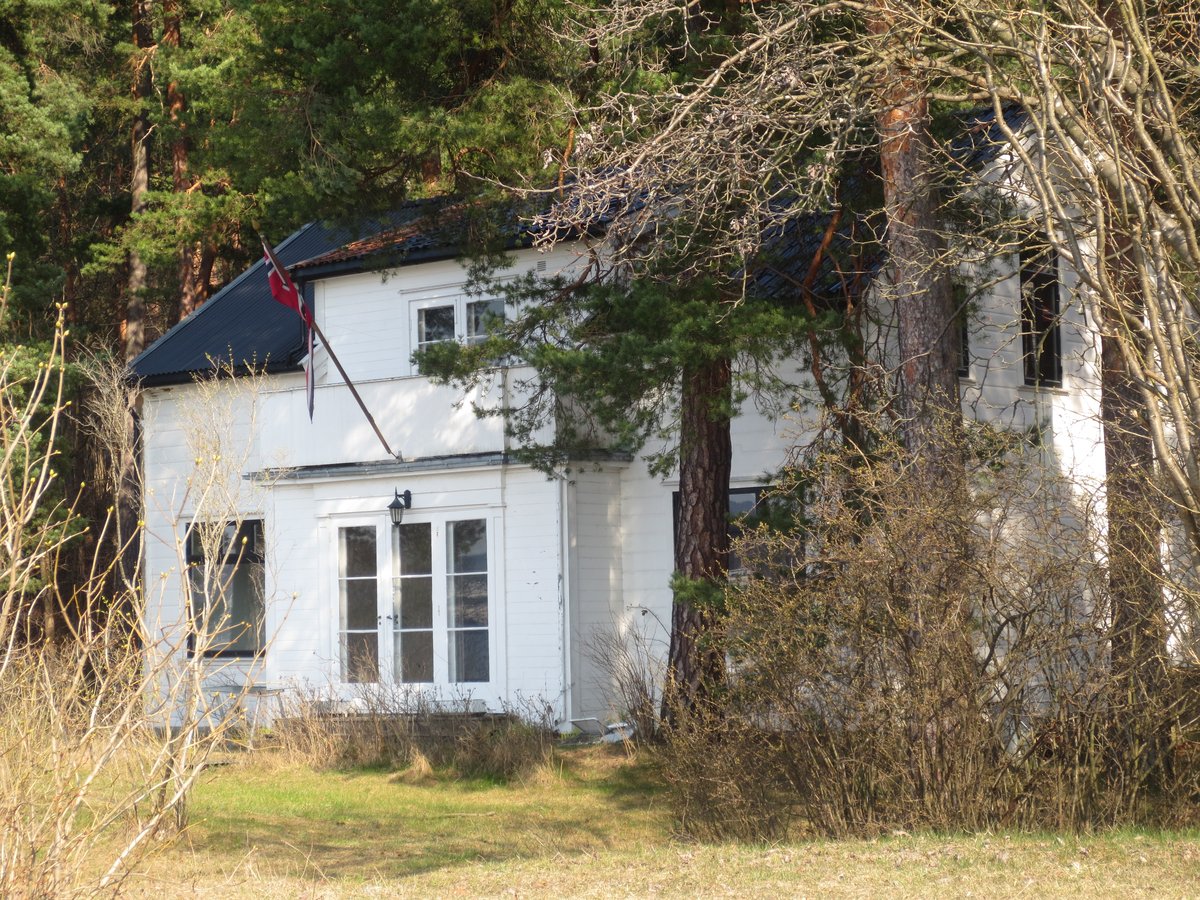
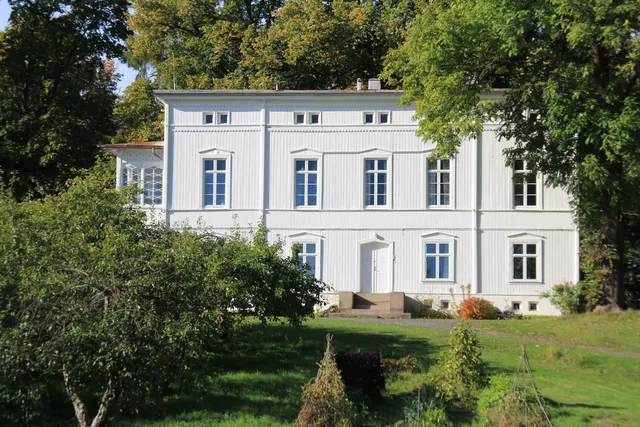
Constructed in 1850 as one of three tenant cottages within Kongeskogen, Skogvokterboligen was built to house the forest wardens tasked with safeguarding the royal forests from timber theft, fire, and other threats (Bygdø Kongsgård: Kongeskogen). This era marked a pivotal transition in forest management—from exploitation for royal benefit to stewardship and eventual public access.
Architectural and Cultural Value
The building’s timber construction, sod roof, and functional layout embody classic Norwegian rural architecture. Its proximity to the Christian August monument adds layers of symbolic meaning, connecting the site to national identity and the evolution of Bygdøy from royal estate to public park.
Conservation and Public Use
By the late 19th century, Bygdøy shifted from a royal retreat to a “folkepark” (people’s park), reflecting Norway’s commitment to public access and conservation (Life in Norway: Oslo Facts). Skogvokterboligen today serves as a cultural heritage site and hub for environmental education.
Visitor Information
Visiting Hours
- Main Season June 1 – August 31, Tuesday to Sunday, 11:00 AM to 4:00 PM
- Off-Season The house is closed, but surrounding trails remain open year-round (Visit Norway).
Tickets and Entry
- Entry Free of charge
- Donations Accepted for site maintenance
Accessibility
- Mobility Some uneven terrain; partial wheelchair access. Visitors with specific needs should contact the visitor center in advance (Oslo Tourism Official Site).
Guided Tours
- Availability During open season
- Booking Via Bygdø Kongsgård website or onsite
Getting There
- Public Transport Bus 30 to Bygdøy, then follow signs for Kongeskogen
- By Foot/Bike Well-marked trails from Oslo city center and nearby districts
- Car Limited parking; public transport recommended
Facilities and Amenities
- Picnic Areas Available in the park
- Restrooms Located near the visitor center
- Cafés Found on Bygdøy peninsula
Activities and Experiences
Nature and Outdoor Activities
- Hiking Access to Bygdøy’s historic trails and Kongeskogen’s woodland paths
- Wildlife Watching Spot native birds and small mammals, particularly in the early morning or evening
- Seasonal Cross-country skiing in winter, berry picking in summer
Cultural and Educational Programs
- Guided Walks Learn about forestry, conservation, and Norwegian outdoor traditions
- Workshops Occasionally offered on topics such as traditional crafts and sustainable tourism
Architectural Highlights
- Skogvokterboligen Explore the exterior and, during guided tours, interior features of the forest warden’s house
- Christian August Monument Visit this restored 19th-century tribute to a national figure, located nearby
Travel Tips
- Plan Ahead Check official websites for up-to-date information on opening hours and tour availability
- Dress Appropriately Weather can change quickly; bring layered clothing and sturdy shoes
- Sustainability Follow “leave no trace” principles; recycle waste at designated points
- Accessibility Contact local authorities if you require mobility assistance
Nearby Attractions
- Norwegian Maritime Museum
- Viking Ship Museum
- Bygdøy Royal Estate
- Holmenkollbakken Ski Jump (short trip from Bygdøy)
- Norsk Folkemuseum
Public transport links make it easy to combine your visit to Skogvokterboligen with other Oslo highlights (Nomadic Matt).
FAQ
What are the visiting hours of Skogvokterboligen?
June 1 – August 31, Tuesday–Sunday, 11:00–16:00. Trails open year-round.
Is there an entry fee?
No, entry is free. Voluntary donations are welcome.
Are guided tours available?
Yes, in summer. Book online or at the visitor center.
Is the site wheelchair accessible?
Partial access; contact in advance for details.
How do I get there by public transport?
Bus 30 to Bygdøy, then follow signs to Kongeskogen.
Can I visit at any time of year?
Trails are accessible year-round, but the house is open only in summer.