
Visiting Information
Visiting Hours
The Oslo Stock Exchange building primarily functions as a working financial institution and does not maintain regular public visiting hours. The exterior and surrounding area are accessible year-round, making it a popular spot for architecture enthusiasts and photographers. The building is closed to casual public entry except during special events or pre-arranged group visits.
Admission and Tickets
There is no admission fee to view the exterior of Oslo Stock Exchange. Public access to the interior is restricted, and tickets are not required unless attending a special event or pre-booked group tour. Nearby museums and Oslo tourist centers offer exhibitions and informational resources about Norway’s financial history.
Guided Tours and Visitor Centers
While Oslo Børs does not offer in-house guided tours, its historical significance is often featured in walking tours of Oslo’s city center, organized by local tourism agencies. The Oslo Visitor Centre and local travel companies can provide updated schedules, maps, and details about guided tours that include the exchange and other historical sites.
Accessibility
The exchange is centrally located and easily accessible by public transportation, including buses, trams, and metro lines. The area around Oslo Børs is wheelchair accessible, with pedestrian-friendly streets linking it to nearby landmarks. Visitors with mobility needs are encouraged to contact Oslo Børs in advance for information about specific accommodations during events or seminars.
Architectural and Cultural Highlights
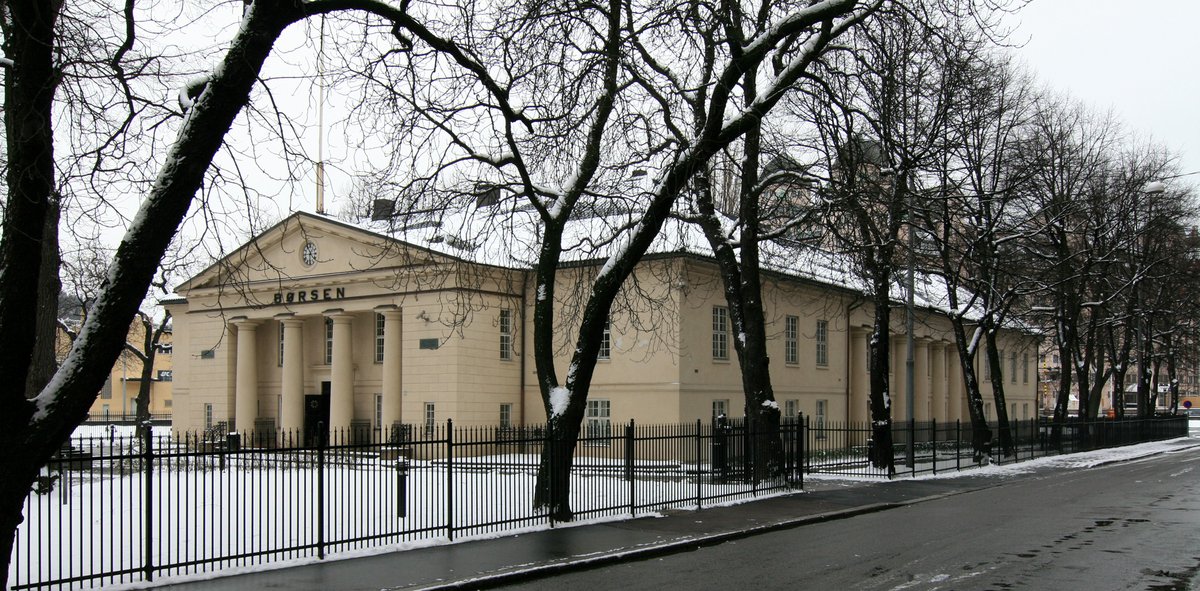
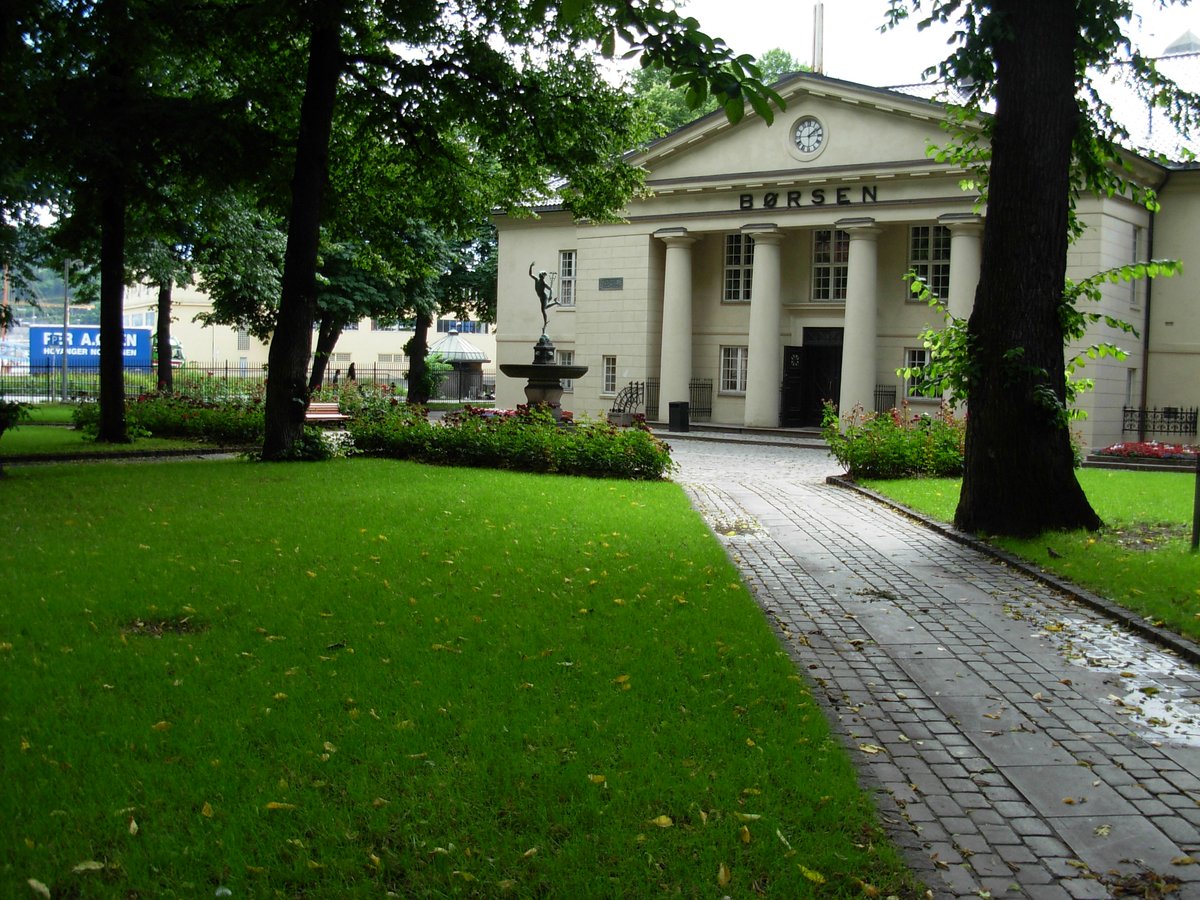
The Oslo Stock Exchange building is a prime example of neoclassical architecture, featuring grand columns, symmetrical lines, and an imposing façade. It stands as a testament to Norway’s aspirations for economic progress in the 19th century. The building’s location in Oslo’s historic urban core makes it a favorite for photographers and architecture aficionados. Its influence extends beyond finance, as Oslo Børs has helped shape Norwegian business culture, emphasizing transparency, innovation, and sustainable governance.
Nearby Attractions and Travel Tips
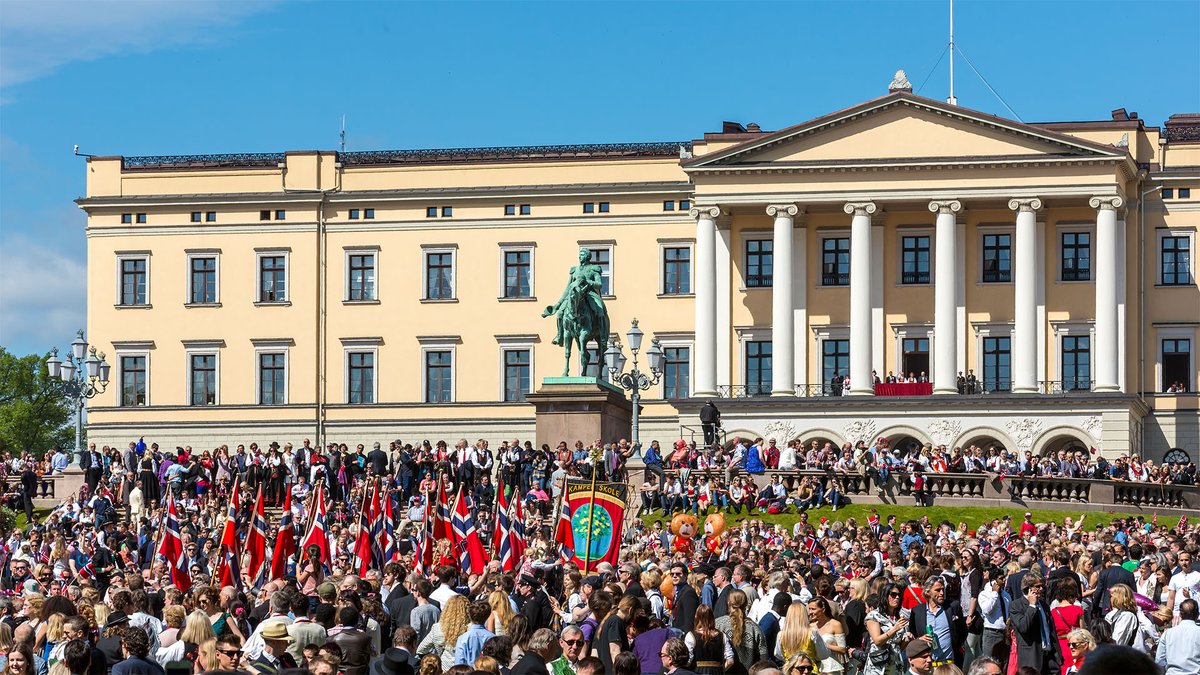
- Royal Palace The official residence of Norway’s monarch.
- Oslo Cathedral A historic place of worship and architectural interest.
- National Theatre Hosting Norwegian and international performances.
- Karl Johans Gate Oslo’s main boulevard, lined with shops and restaurants (The Holistic Backpacker).
- Oslo Opera House Renowned for its modern design and panoramic city views.
- Akershus Fortress A medieval castle offering historical insights and harbor vistas.
- Munch Museum Dedicated to the works of Edvard Munch.
Travel Tips:
- Visit during spring through autumn for the best outdoor conditions and lighting for photography.
- Wear comfortable walking shoes as the area is best explored on foot.
- Consider combining your visit with nearby museums and cultural sites for a comprehensive Oslo experience.
Frequently Asked Questions (FAQs)
Q: Can I enter the Oslo Stock Exchange as a tourist?
A: The interior is generally closed to the public, except during special events or by prior arrangement.
Q: Are there regular visiting hours?
A: The building does not have public visiting hours. The exterior and surrounding area are accessible at all times.
Q: Is there an admission fee or ticket required?
A: No ticket is required to view the exterior. Event participation may require registration.
Q: Are guided tours available?
A: Regular tours inside are not offered, but group or educational visits can sometimes be arranged. Walking tours of Oslo’s historical district often include Oslo Børs.
Q: Is the building accessible for visitors with disabilities?
A: The exterior and surrounding area are wheelchair accessible. Contact Oslo Børs for event-specific accommodations.
Q: Is photography permitted?
A: Yes, photography is encouraged outside the building. Interior photography is typically restricted.