
Historical Background and Significance
Origins and Construction of the Fram
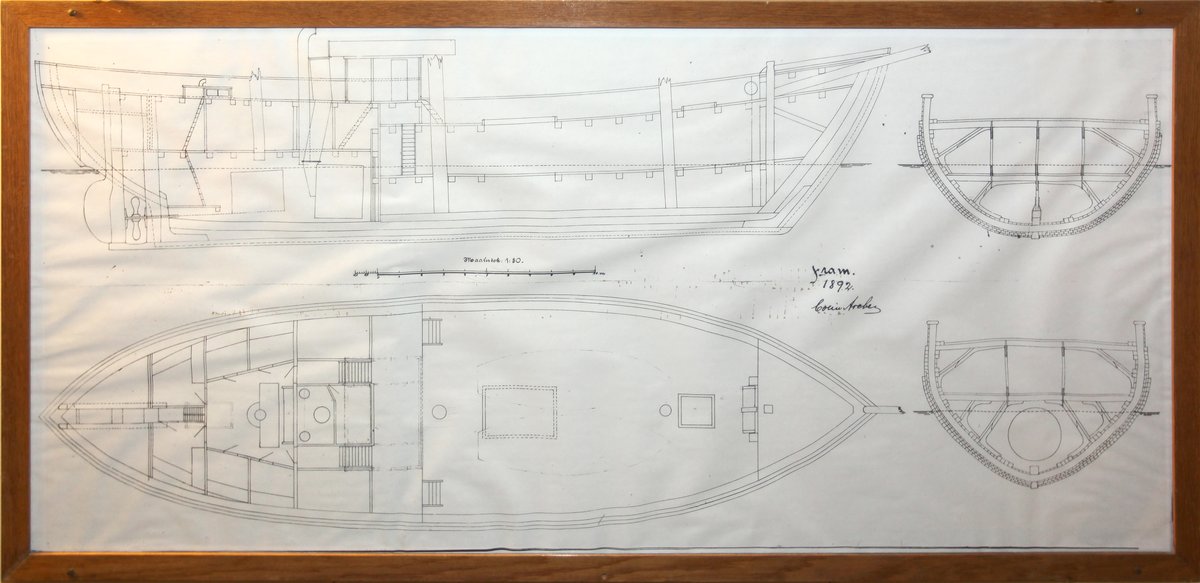
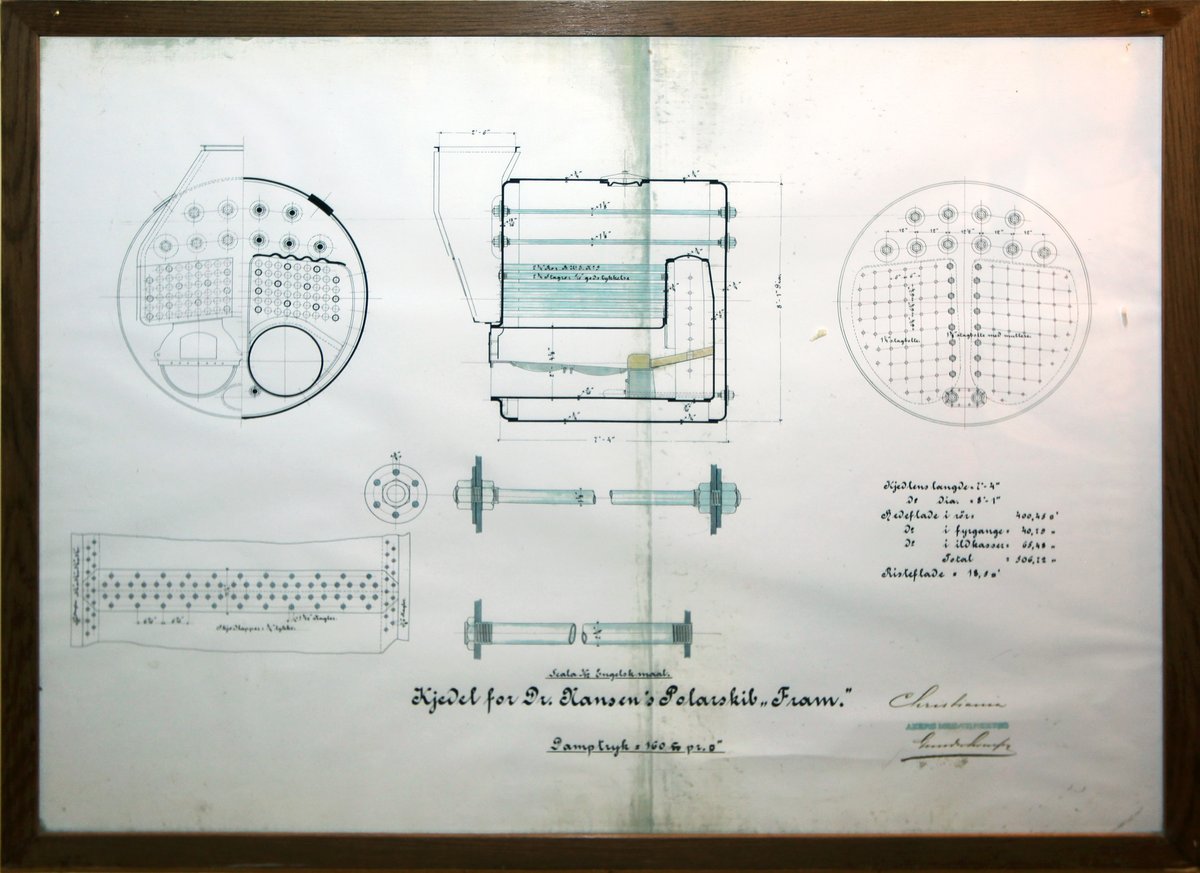
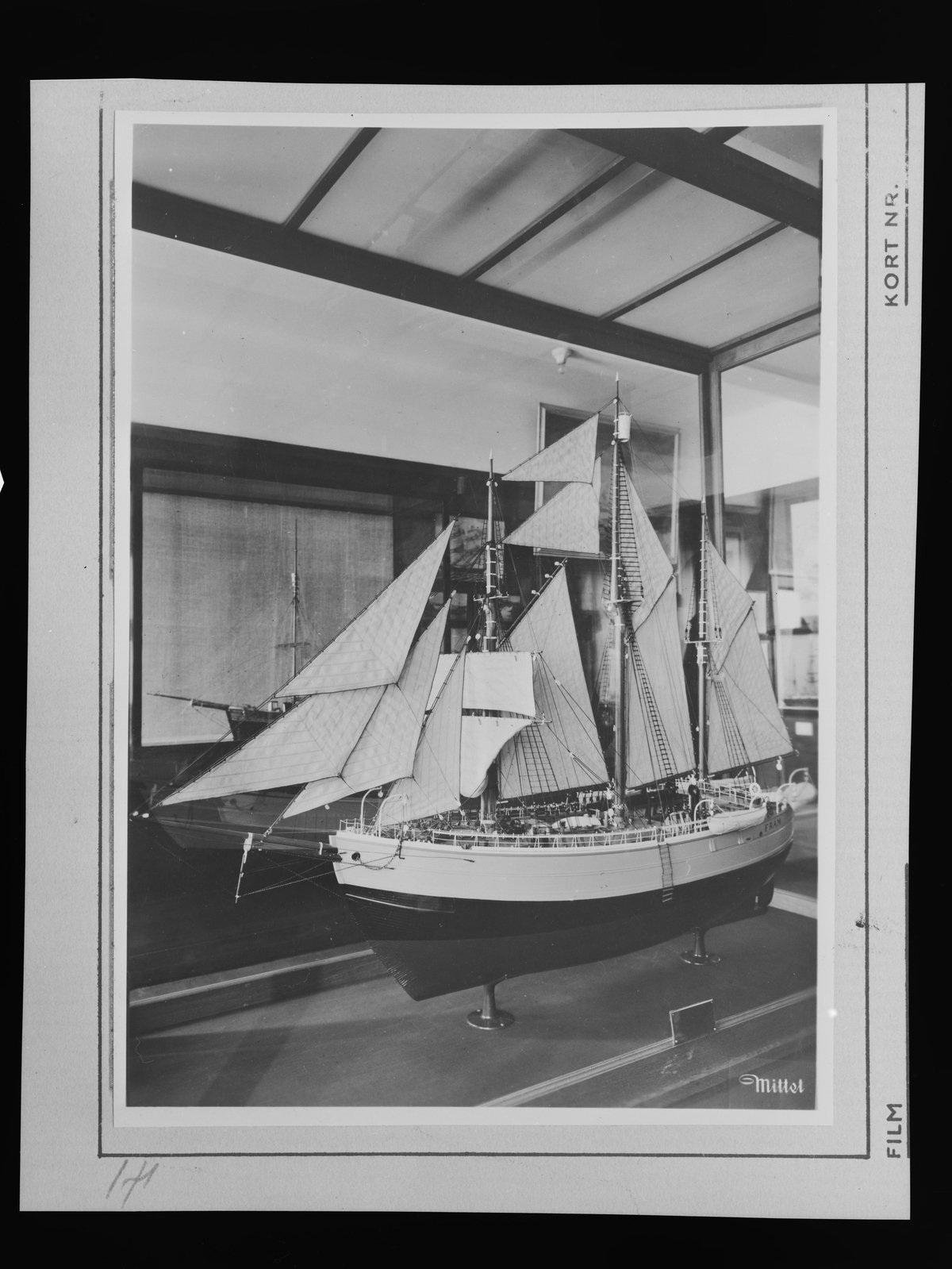
The ship at the museum’s heart, Fram (“Forward”), was commissioned in 1891 by Fridtjof Nansen and designed by Colin Archer. Launched in 1892, she was engineered to survive crushing polar ice, featuring a rounded hull made from oak and greenheart wood. The Fram measures 39 meters long and 11 meters wide, with a displacement of 800 tons (Fram Museum).
The Golden Age of Norwegian Polar Exploration
Nansen’s Arctic Drift (1893–1896)
Nansen’s expedition involved freezing Fram into Arctic ice, aiming to use the drifting pack to reach the North Pole. Although the pole wasn’t reached, Nansen and Johansen set a new northern latitude record, advancing scientific knowledge of the Arctic (Norway With Pål).
Sverdrup’s Canadian Arctic Expedition (1898–1902)
Otto Sverdrup led Fram on a four-year mission mapping over 260,000 square kilometers in the Canadian Arctic, contributing significantly to Arctic cartography and relations with Inuit communities (Fram Museum).
Amundsen’s South Pole Conquest (1910–1912)
Roald Amundsen’s leadership saw Fram sail to Antarctica and support the first successful expedition to the South Pole in 1911, making her the only vessel to reach both the farthest north and south points of her time (Introducing Oslo).
Preservation and the Birth of the Fram Museum
After years of neglect, Otto Sverdrup led a restoration campaign, culminating in the museum’s opening in 1936, with the building constructed around the ship for its protection (Fram Museum).
Fram’s Enduring Legacy
Fram remains a symbol of Norwegian innovation and resilience. The museum preserves her legacy, sharing stories of technological advances, scientific discoveries, and the spirit of exploration (Atlas & Boots).
Visiting the Fram Museum: Practical Information
Location & How to Get There
- Address Bygdøynesveien 36, 0286 Oslo, Norway
- By Bus Line 30 from Nationaltheatret (every 7–10 mins, 20 min journey) (The Norway Guide)
- By Ferry April–October, from Rådhuset (City Hall) to Bygdøynes (10 min, every 20 mins) (Fram Museum)
- By Car/Taxi Parking available but limited during peak times.
- On Foot About 1.5 hours from city center, passing major landmarks (The Norway Guide).
Opening Hours
- Standard 11:00–17:00 daily
- Summer (July–August) 10:00–18:00
- Winter (Nov–Mar) 11:00–16:00, closed Mondays (except public holidays)
- Confirm current hours on the official website.
Ticket Prices (2025)
- Adults: 140 NOK (~$15 USD)
- Students/Seniors: 110 NOK
- Children under 18: Free
- Children/Students (some sources): 50 NOK; Family (2 adults + 2 children): 300 NOK
- Oslo Pass holders: Free admission
- Combination tickets available for neighboring museums (Visit Norway; Holidify)
Accessibility
- Fully wheelchair accessible (ramps, elevators)
- Exhibition texts and audio guides in ten languages
- Service dogs welcome
Guided Tours & Special Events
- Regular guided tours (English/Norwegian), educational programs for groups/schools (Fram Museum)
- Advance booking recommended
- Special 2025 exhibition: Roald Amundsen polar flight simulator
Facilities & Amenities
- Café Framheim Café offers light meals and drinks
- Gift Shop Extensive polar literature, souvenirs, and exclusive items
- Restrooms & Lockers Available for small bags and coats
- Interactive Experiences 270º surround film, polar simulator, children’s activity center
Exhibits and Visitor Experience
Onboard the Fram
Explore restored decks, cabins (including Oscar Wisting’s room), cargo hold, and engine room. Life-size figures and original artifacts create an immersive experience. The medical equipment display and navigational instruments, such as the original binnacle, are highlights (Fram Museum Exhibitions).
Surround Film & Interactive Exhibits
The 270º surround film transports visitors into polar expeditions, while hands-on displays and digital guides enrich the experience. Texts and audio guides are available in ten languages (Visit Norway).
Polar Simulator
Step into a chamber replicating polar temperatures and conditions—a vivid, educational glimpse of Arctic and Antarctic challenges (Visit Norway).
The Gjøa Building & Northwest Passage
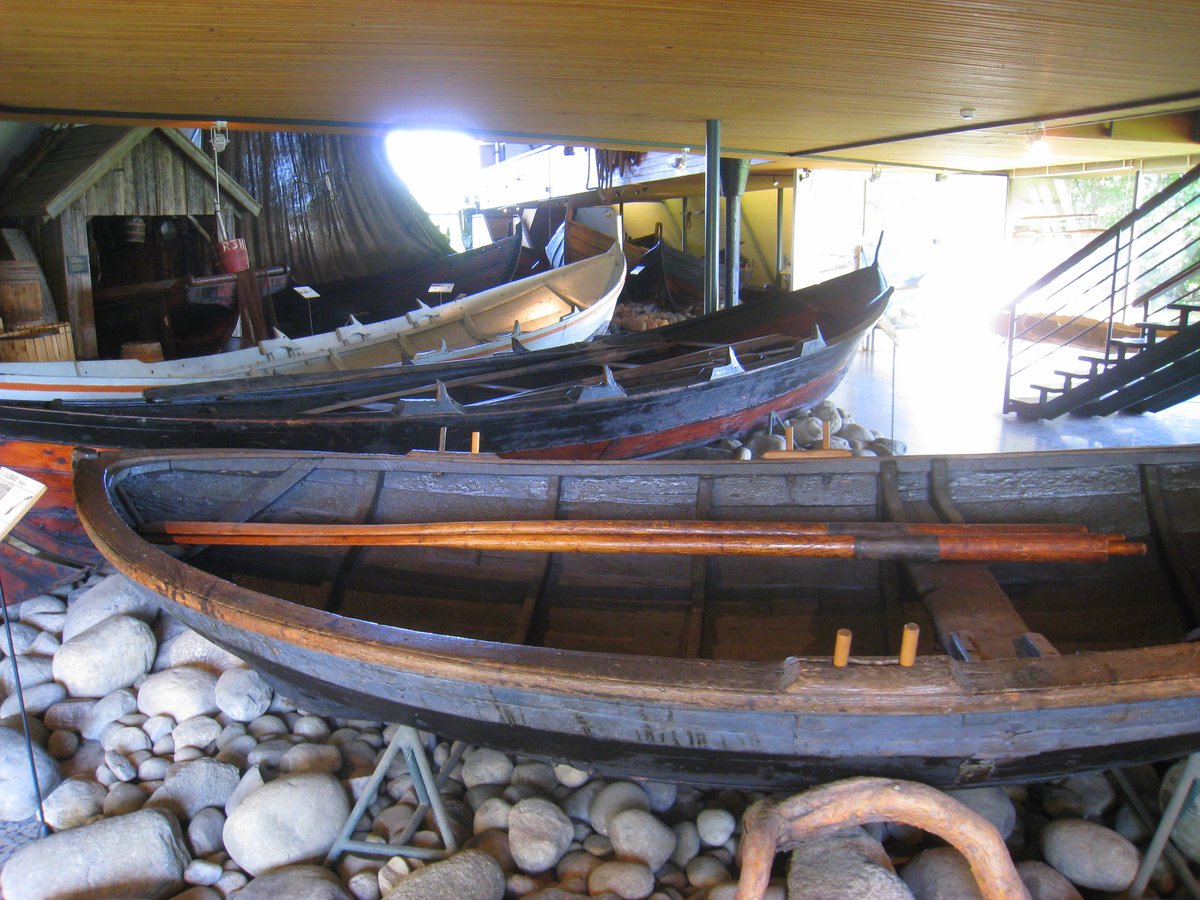
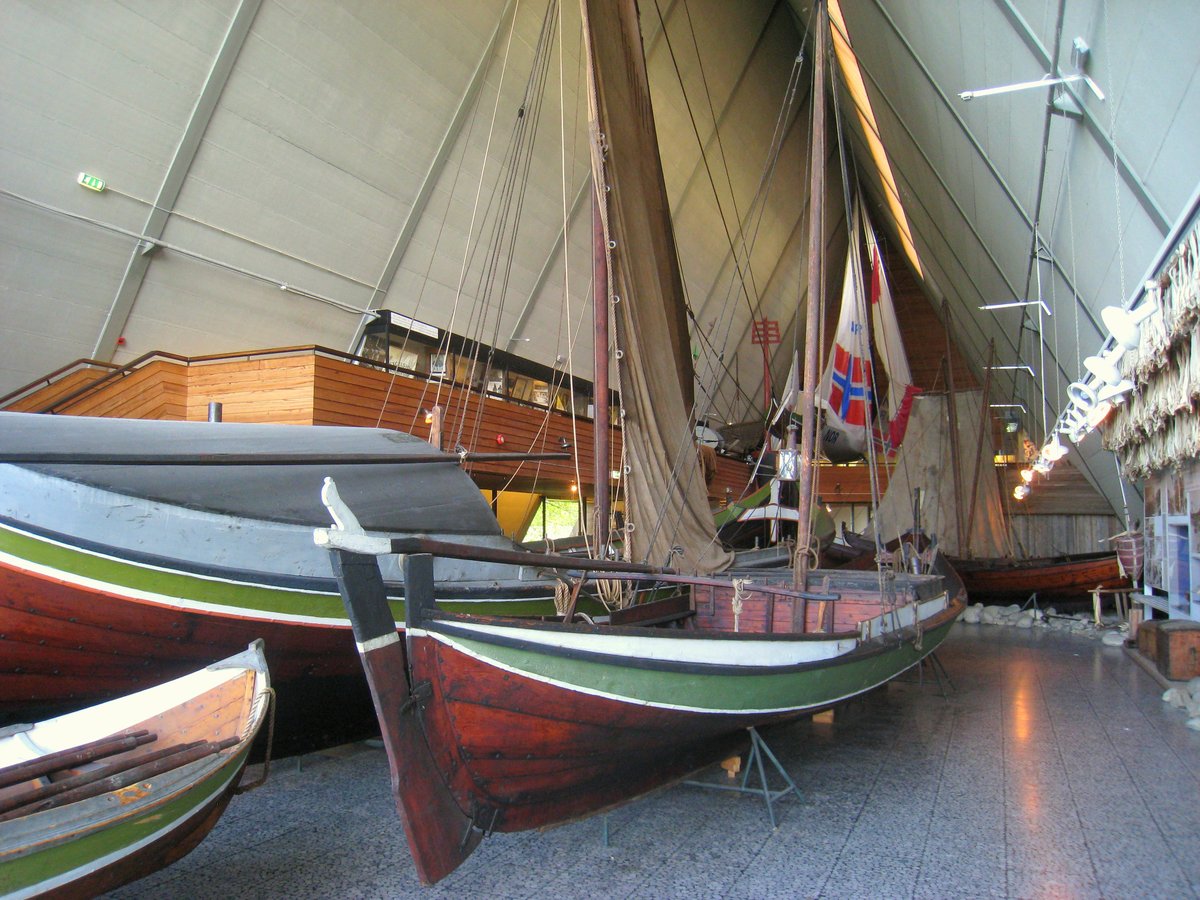
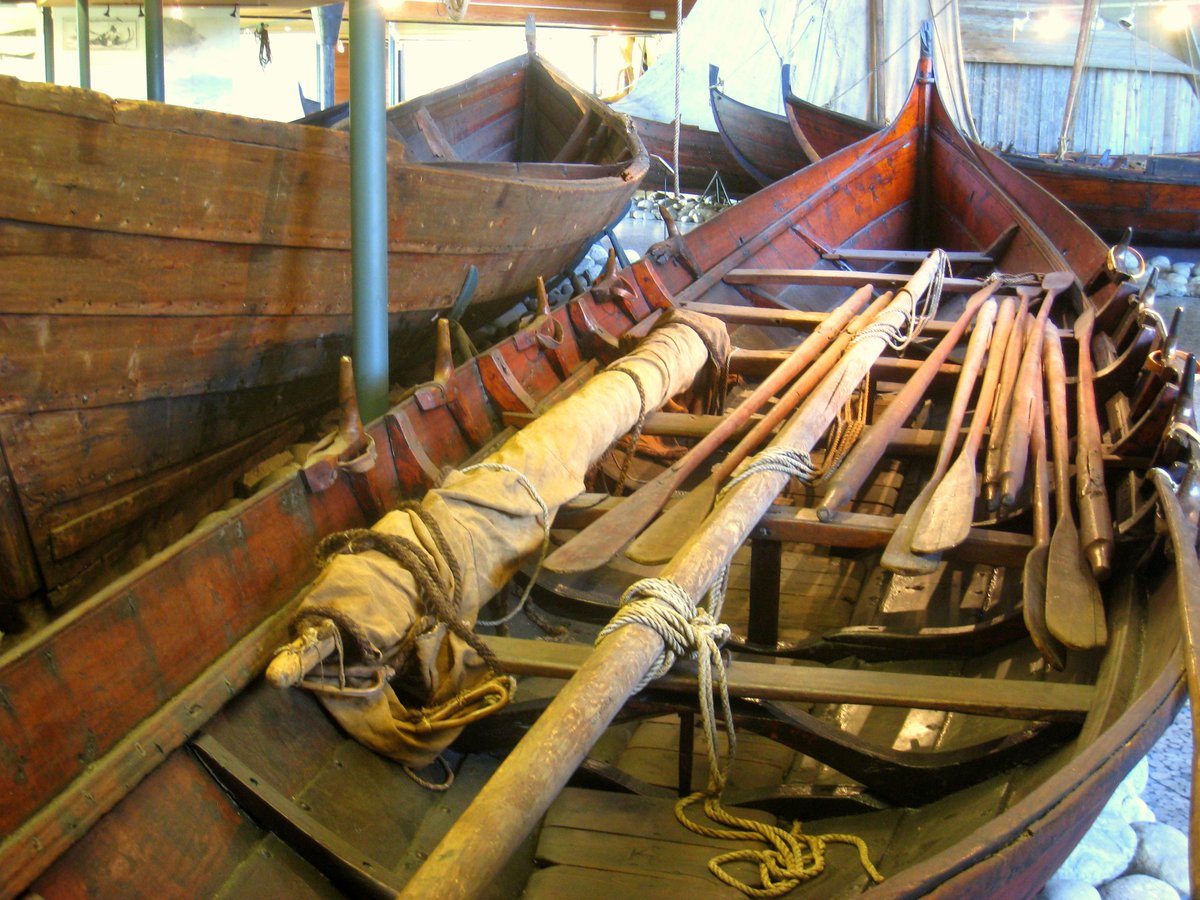
Visit the adjacent Gjøa building, which houses the first ship to complete the Northwest Passage under Amundsen’s command. Exhibits feature scale models, original items, historical photos, and interactive maps (Cestee).
Thematic Exhibitions
- Race to the Poles Chronicles Nansen and Amundsen’s polar quests
- Life in the Polar Regions Displays clothing, equipment, and everyday challenges
- Polar Wildlife & Environment Features Arctic and Antarctic fauna, and environmental issues (Holidify)
Polar Book Store
Claiming the world’s largest selection of polar literature (over 220 volumes), the shop also offers themed merchandise (Holidify; Visit Norway).
Frequently Asked Questions (FAQ)
Q: What are the Fram Museum’s opening hours?
A: Typically 11:00–17:00 daily, 10:00–18:00 in summer. Check here for seasonal updates.
Q: How do I buy tickets?
A: Purchase online or at the entrance. Oslo Pass holders enter free.
Q: Is the museum accessible?
A: Yes, it is fully wheelchair accessible with multilingual support.
Q: Are guided tours available?
A: Yes, in English and Norwegian; advance booking recommended.
Q: Can I combine tickets with nearby museums?
A: Yes, combination tickets cover the Kon-Tiki Museum and Norwegian Maritime Museum.
Q: What’s the best way to get there?
A: Bus 30 year-round, or ferry from City Hall (April–October).