
Historical Background
Origins and Establishment
HL-senteret was founded in 2001 as a response to Norway’s reckoning with its role during World War II, particularly the persecution and deportation of Norwegian Jews under Nazi occupation. The center was created following a restitution settlement in 1997, which provided the foundation for an institution dedicated to Holocaust and minority studies (HL-senteret).
Villa Grande: Transformation and Symbolism
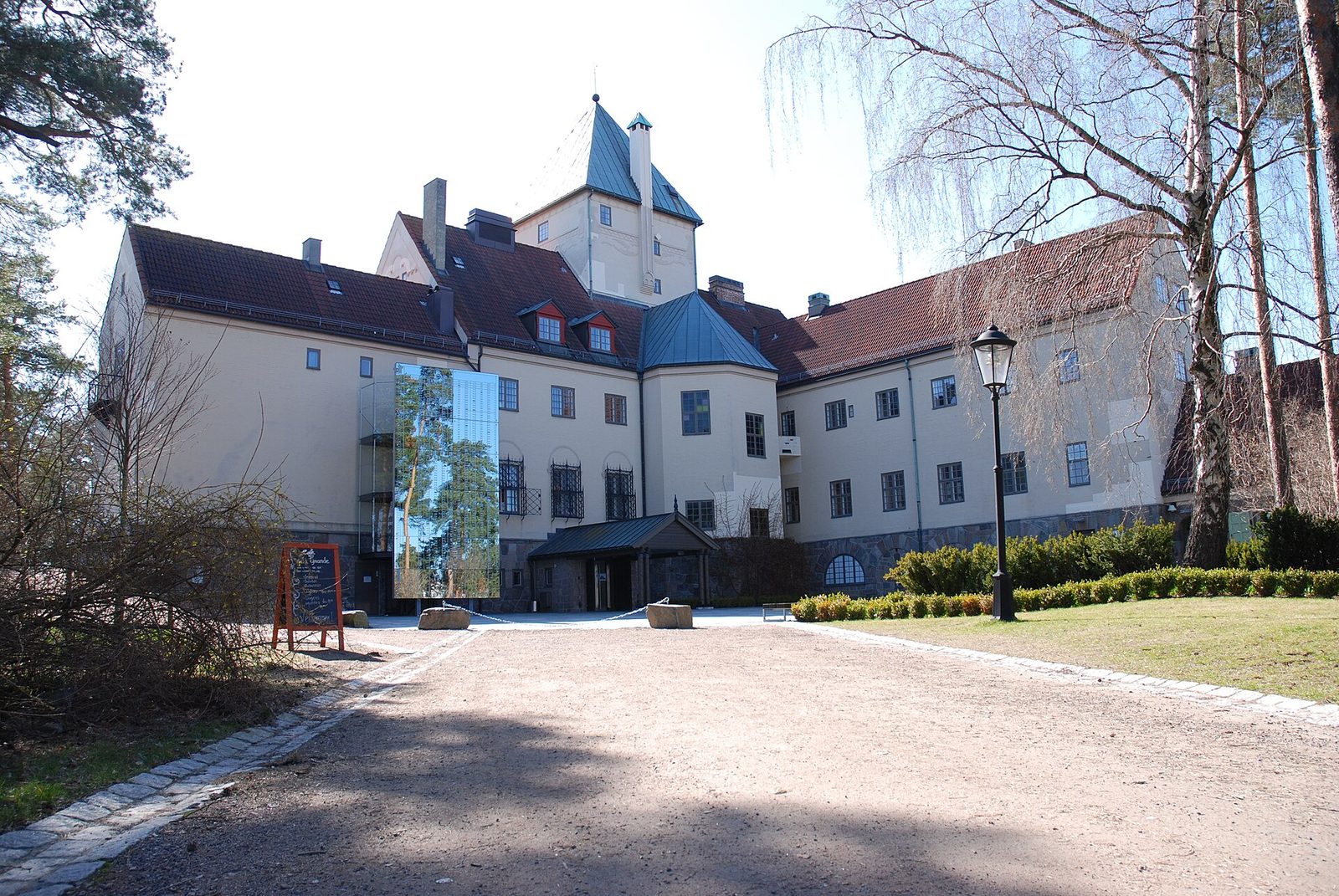
The center occupies Villa Grande, a historic mansion that once served as the residence of Vidkun Quisling, Norway’s infamous Nazi collaborator. Its transformation from a “house of shame” into a space for education and remembrance stands as a powerful symbol of Norway’s commitment to confronting its past and advocating for tolerance and inclusion (NOA Project).
Mission and Mandate
HL-senteret is both a research institution and a public museum. Its mandate includes:
- Research on the Holocaust, genocide, antisemitism, racism, and the experiences of religious minorities
- Public education through exhibitions, conferences, and outreach
- Providing resources for educators and students
- Serving as a knowledge hub under the Norwegian Parliament and the University of Oslo (HL-senteret)
Planning Your Visit
Visiting Hours
- Museum Tuesday to Sunday, 11:00 AM – 5:00 PM (closed Mondays and public holidays)
- Café Villa Grande Open Tuesday to Sunday, 10:30 AM – 3:30 PM
Always check the official HL-senteret website for updates, especially during holidays or special events.
Tickets and Admission
- Adults NOK 100
- Seniors/Students NOK 70
- Children under 18 Free
- Groups and families Discounts available upon inquiry
- Guided tours By appointment; additional fees may apply
Some periods or exhibitions may offer free general admission. Oslo Pass holders may be eligible for discounts (Visit Oslo).
Getting There
- Address Villa Grande, Huk aveny 56, 0277 Oslo, Norway
- By public transport Bus lines 30 and 31 stop nearby; in summer, ferries from Aker Brygge to Bygdøy are available (Visit Norway)
- By car Limited parking available; public transport is recommended
- Cycling/Walking Bygdøy offers pleasant paths and is bike-friendly
Accessibility
- Wheelchair accessible main exhibition areas and restrooms
- The historical bunker has limited accessibility; inquire ahead if you have mobility needs
- Audio guides in Norwegian and English available (Hoblets on the Go)
- Staff are available to assist visitors with special requirements
Facilities
- Restrooms Accessible and modern
- Café Light refreshments available
- Gift shop Books, educational materials, and souvenirs
- Library and archives Accessible by appointment for research (HL-senteret)
Guided Tours and Educational Programs
- Guided tours Available for groups, schools, and special interests; advance booking required
- Educational programs Tailored for students and teachers; digital materials also offered (HL-senteret Educational Programs)
Exhibitions and Highlights
Permanent Exhibitions
- Main Holocaust Exhibition In-depth presentation of the Holocaust in Norway, including the persecution of Jews, Roma, disabled people, and other groups. Features multimedia, artifacts, and survivor testimonies (HL-senteret Exhibitions).
- Memorial Room Lists the names, birth dates, and presumed dates of death for Norwegian Jews and Romani people murdered during the Holocaust (HL-senteret Memorial Room).
Temporary and Thematic Exhibitions
Rotating exhibitions address topics such as:
- Contemporary Racism Art and narratives highlighting everyday racism in Norway
- Art Installations Notable works include Arnold Dreyblatt’s “Innocent Questions” and Camille Norment’s sound installation (HL-senteret Art Experiences)
The Bunker at Villa Grande
- Historical bunker Built in 1942 for Quisling, serves as a unique artifact from the occupation era
- Public access Guided tours only; limited accessibility due to historic conditions (WhichMuseum: Villa Grande)
Photographic and Memorial Spaces
- Villa Grande grounds Scenic vistas of Oslofjord; ideal for respectful photography
- Installations “Innocent Questions” punch card on the façade is a popular photo spot (Hoblets on the Go)
- Photography guidelines Allowed in most spaces, but observe posted restrictions
Visitor Experience and Tips
- Recommended duration 1.5–2 hours
- Languages Most exhibition texts in Norwegian; use audio guides for English
- Age suitability Content is sensitive; parental guidance recommended for children
- Atmosphere Reflective and somber, with knowledgeable staff to assist
Nearby Attractions and Cultural Sites
Combine your visit with other Bygdøy museums, such as:
The peninsula also offers walking trails and beaches like Huk Beach for relaxation after your visit (Visit Norway).
Frequently Asked Questions (FAQs)
Q: Do I need to book tickets in advance?
A: Individual visitors do not need to pre-book; group and guided tour bookings should be made in advance.
Q: Are guided tours available?
A: Yes, for groups and schools, by prior arrangement through the HL-senteret website or phone.
Q: Is HL-senteret accessible for people with disabilities?
A: The main areas are wheelchair accessible; contact staff regarding bunker access or other specific needs.
Q: Can I take photos inside?
A: Photography is permitted in most areas unless otherwise indicated.
Q: Are audio guides available in English?
A: Yes, and they are recommended for non-Norwegian speakers.
Q: Is there an entry fee?
A: Standard admission fees apply; some exhibitions may be free. Children under 18 are free.
Q: Is there a café on site?
A: Yes, offering light refreshments during museum opening hours.
Summary Table: Essential Information
| Aspect | Details |
|---|---|
| Address | Villa Grande, Huk aveny 56, 0277 Oslo |
| Opening Hours | Tuesday–Sunday, 11:00–17:00 (closed Mondays & holidays) |
| Admission | Adults NOK 100; Seniors/Students NOK 70; Under 18 Free |
| Guided Tours | By appointment; group rates available |
| Audio Guides | Available in English and Norwegian |
| Accessibility | Wheelchair accessible; limited access to bunker |
| Café | On-site, light refreshments |
| Public Transport | Bus 30/31; summer ferry from Aker Brygge |
| Parking | Limited; public transport recommended |
| Contact | +47 22842100, Contact form |
| Website | HL-senteret |
Final Tips for Visitors
- Check the official HL-senteret website for the latest information on opening hours, exhibition updates, and health/safety guidelines.
- Allow adequate time for reflection and exploration, especially if joining a guided tour.
- Combine your visit with other Bygdøy cultural sites for a full day of Oslo history and heritage.
- Download the Audiala app for audio guides, virtual tours, and up-to-date information.