
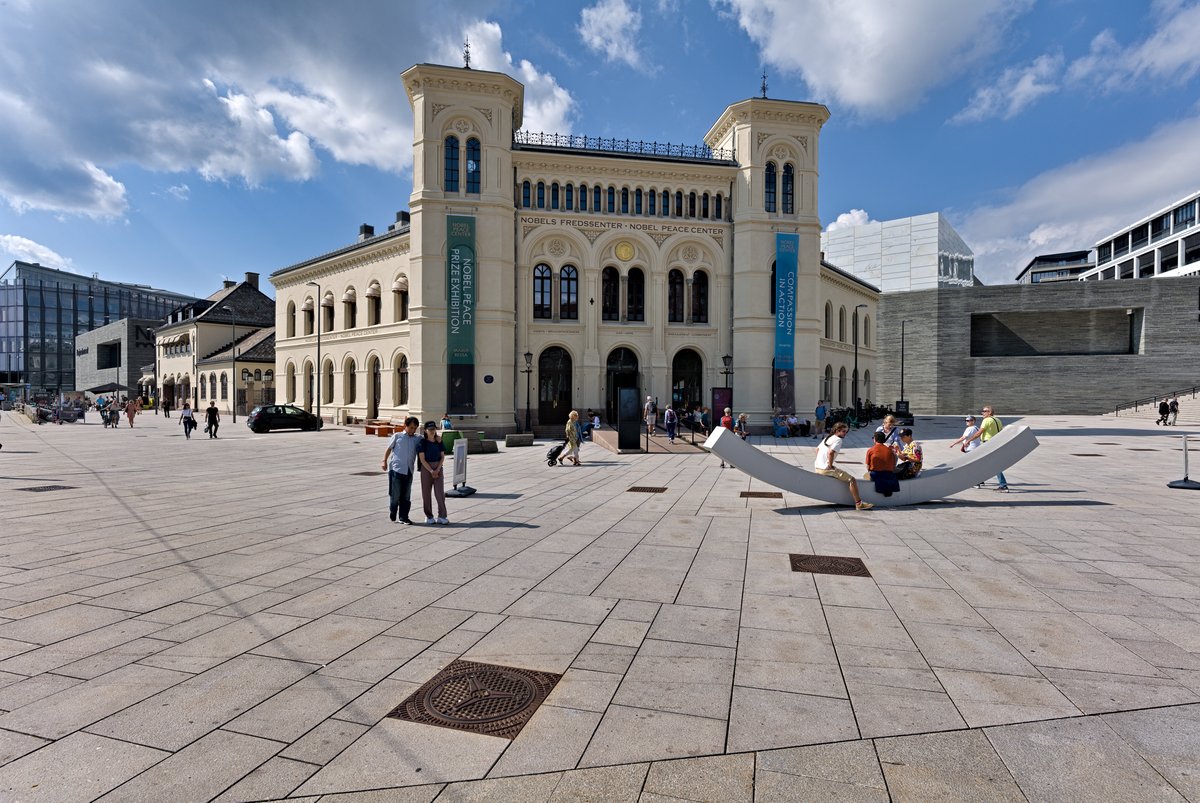
Oslo West Station

Introduction to Oslo West Station and Its Significance

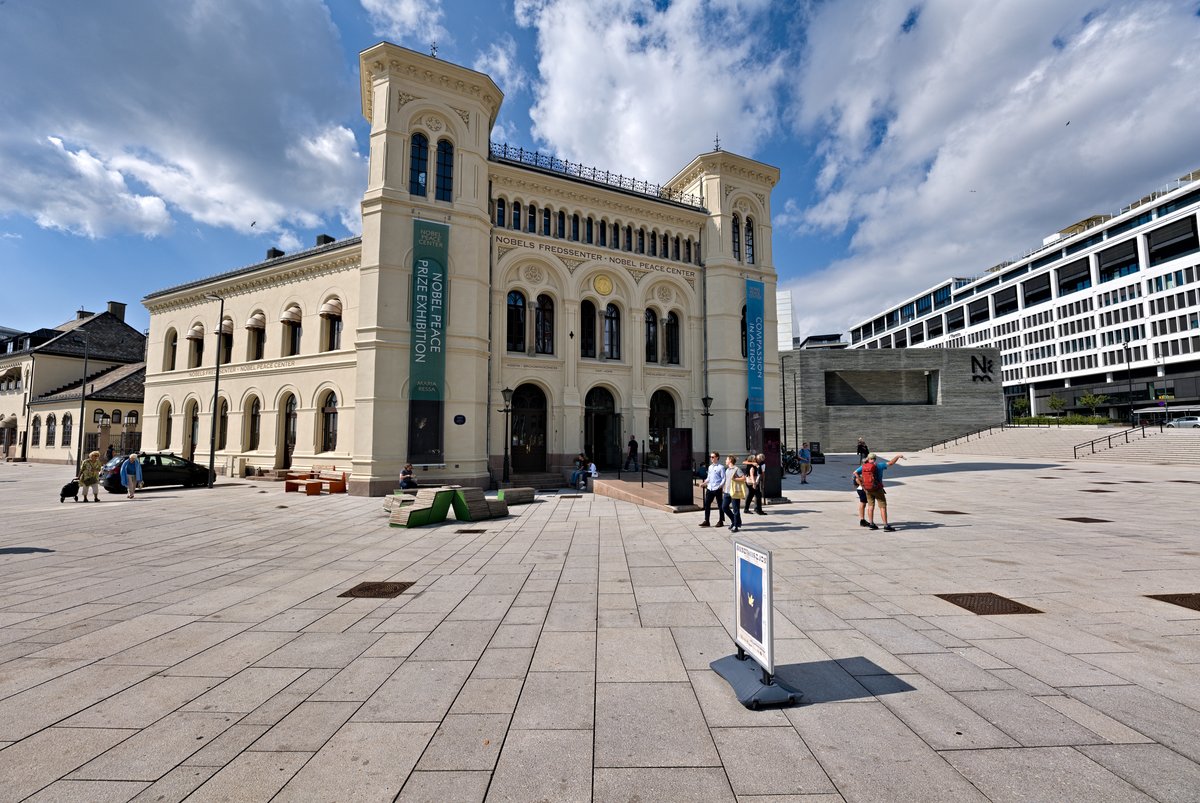
Oslo West Station (Oslo Vestbanestasjon or Oslo V), situated in the lively Vika district of Oslo, Norway, is a landmark of the city’s railway heritage and architectural tradition. Established in 1872 as the terminus of the Drammen Line, the station was integral in connecting Oslo with western and southern Norway during a period marked by industrialization and urban growth (DBpedia). For more than a century, it served as Oslo’s primary rail hub for these regions before operations consolidated at Oslo Central Station in 1989 (Oslo.com).

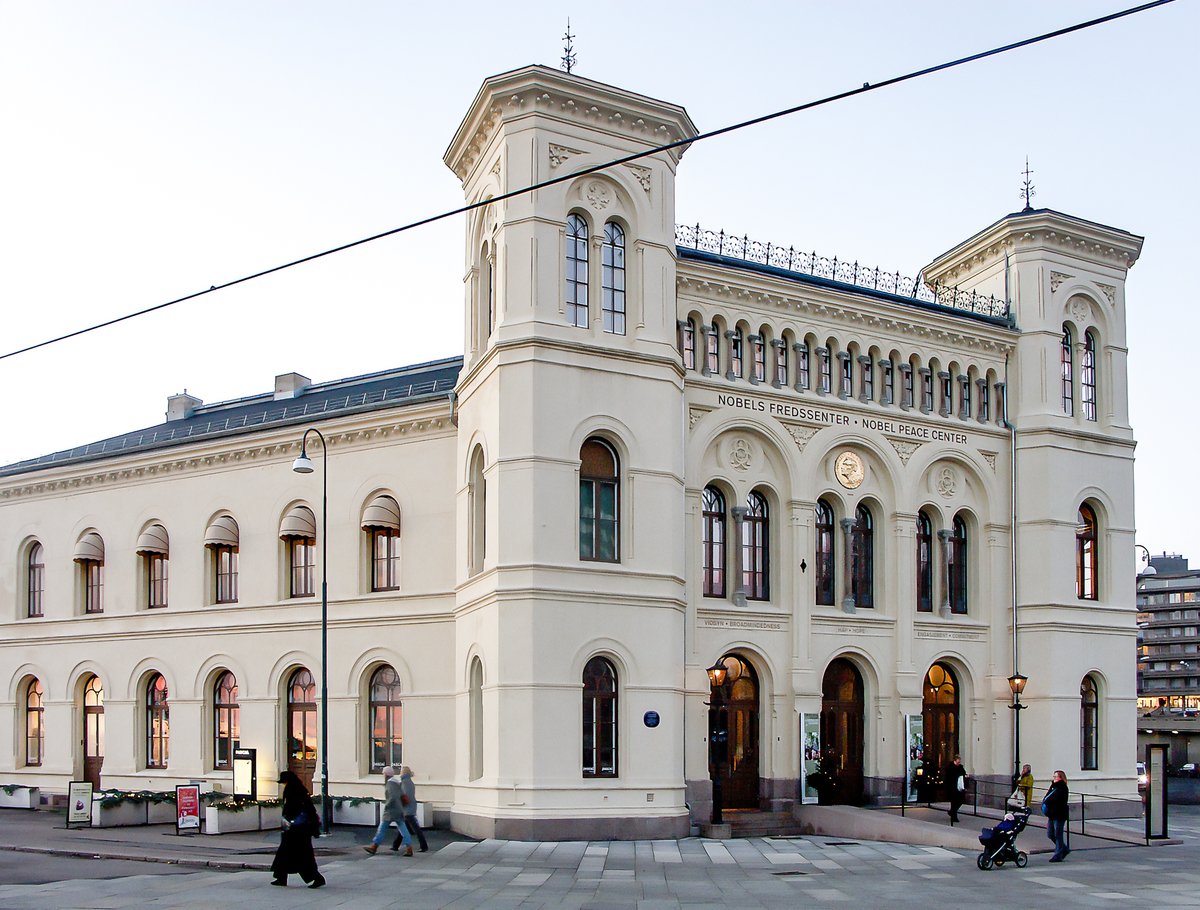
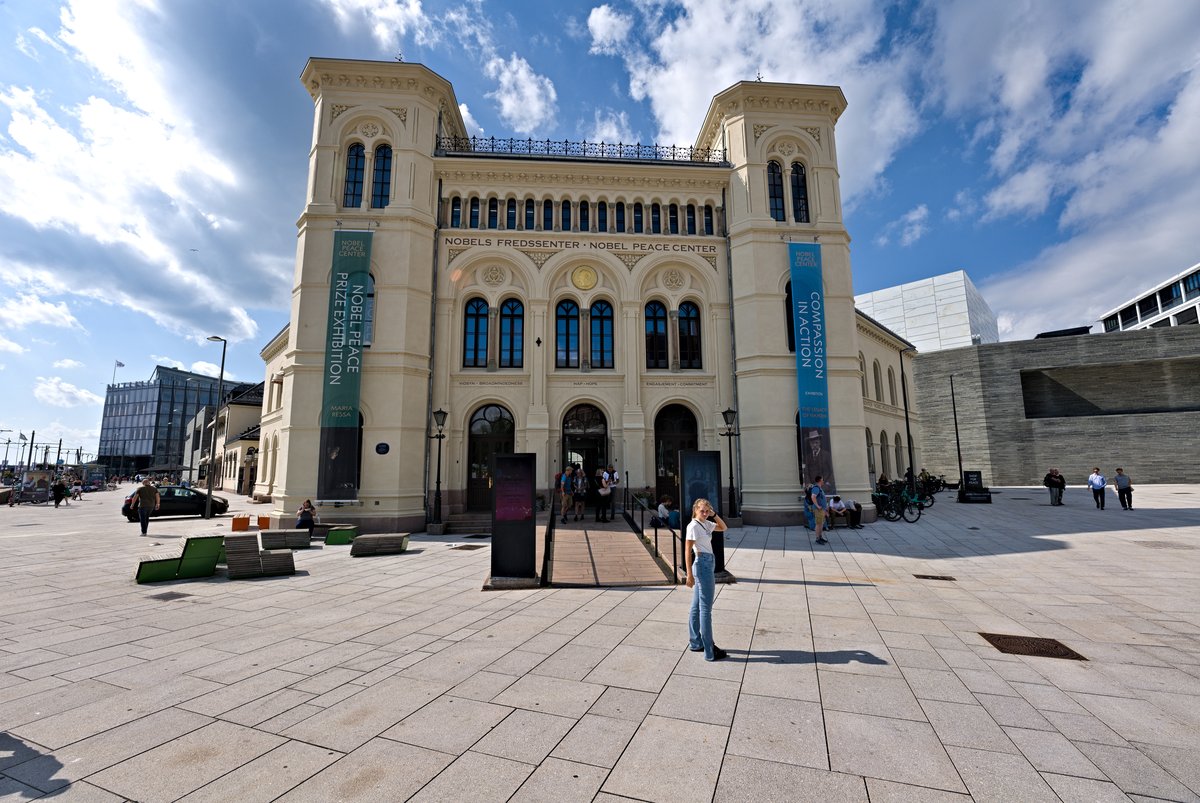
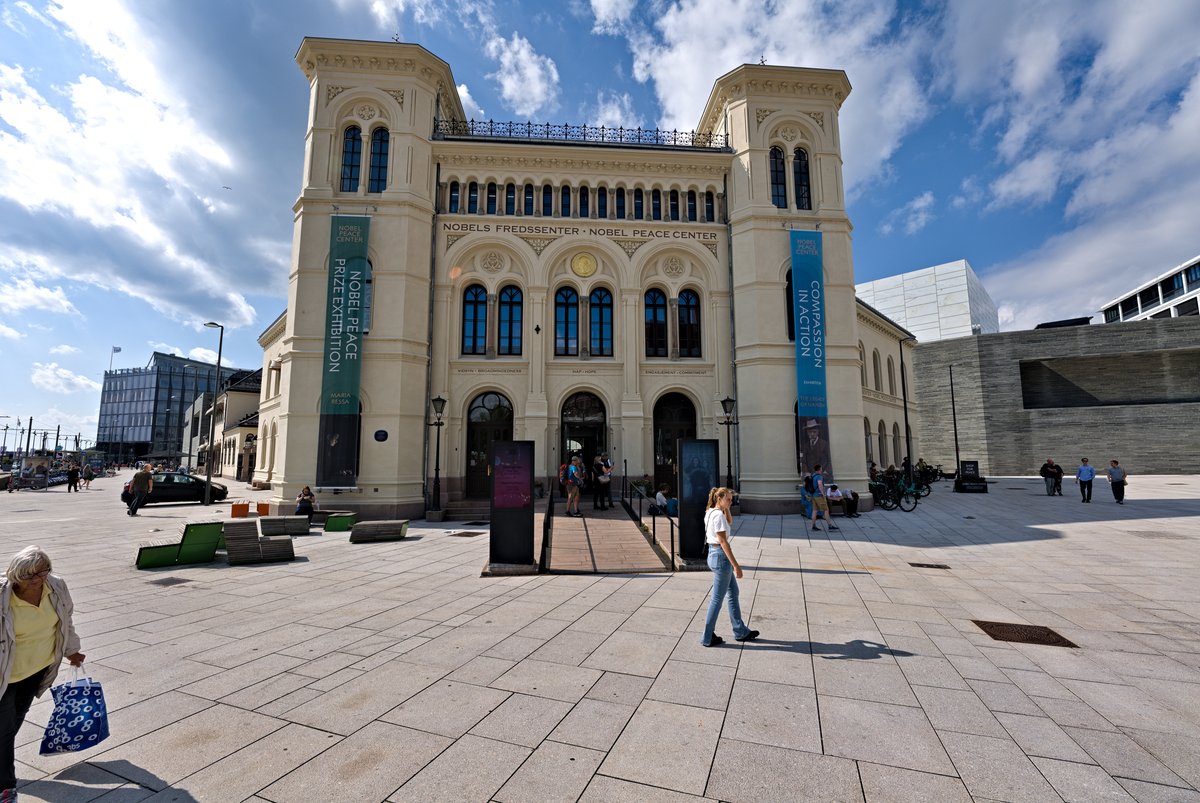
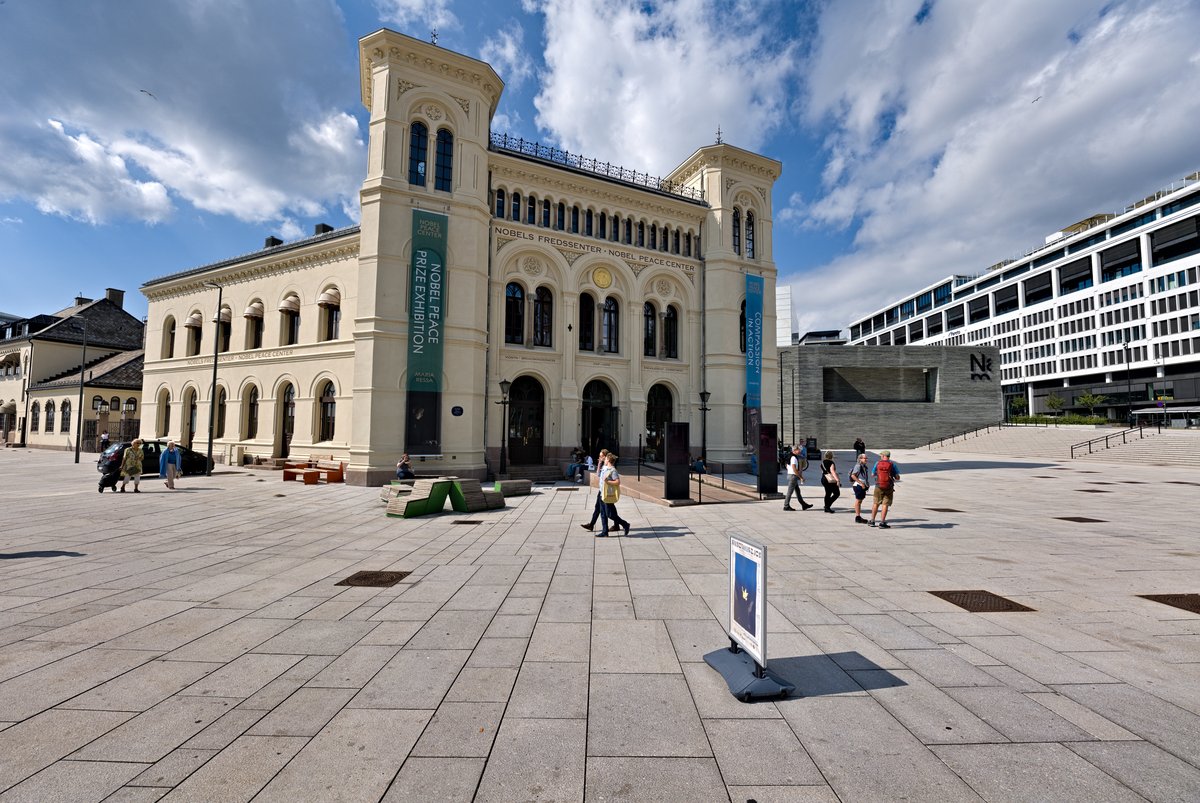
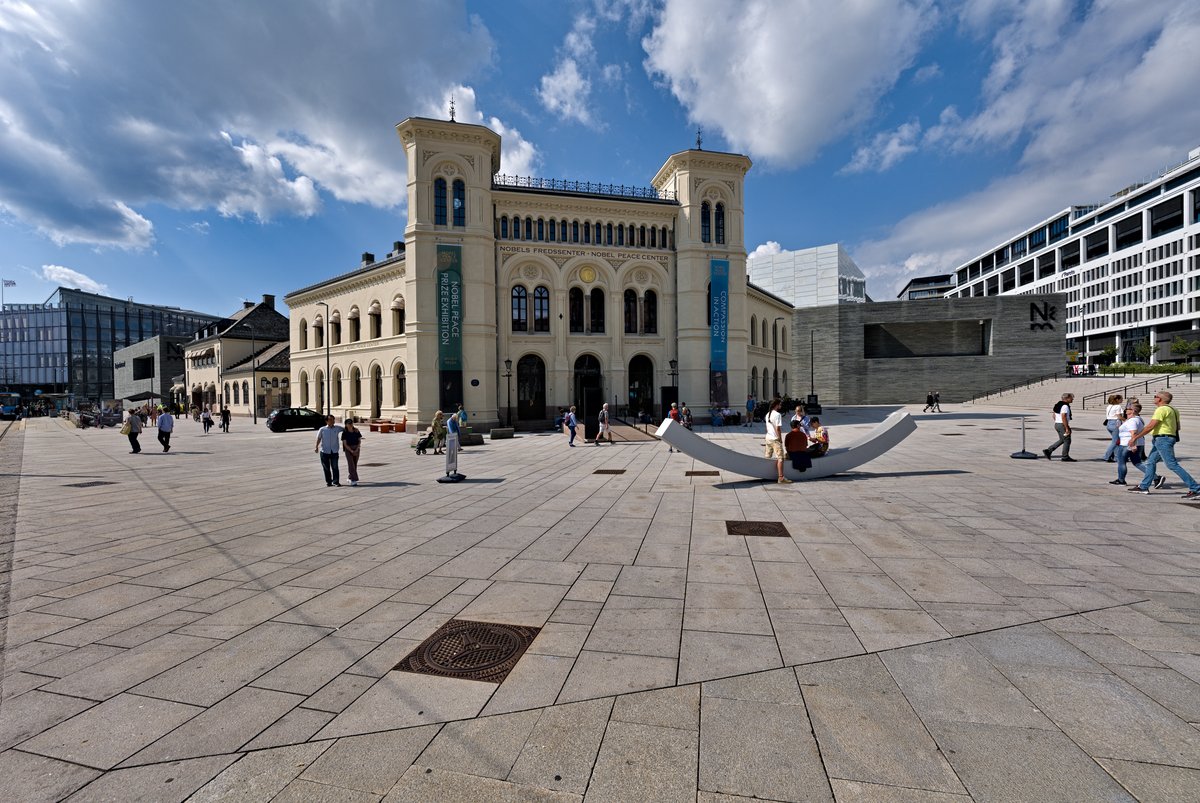
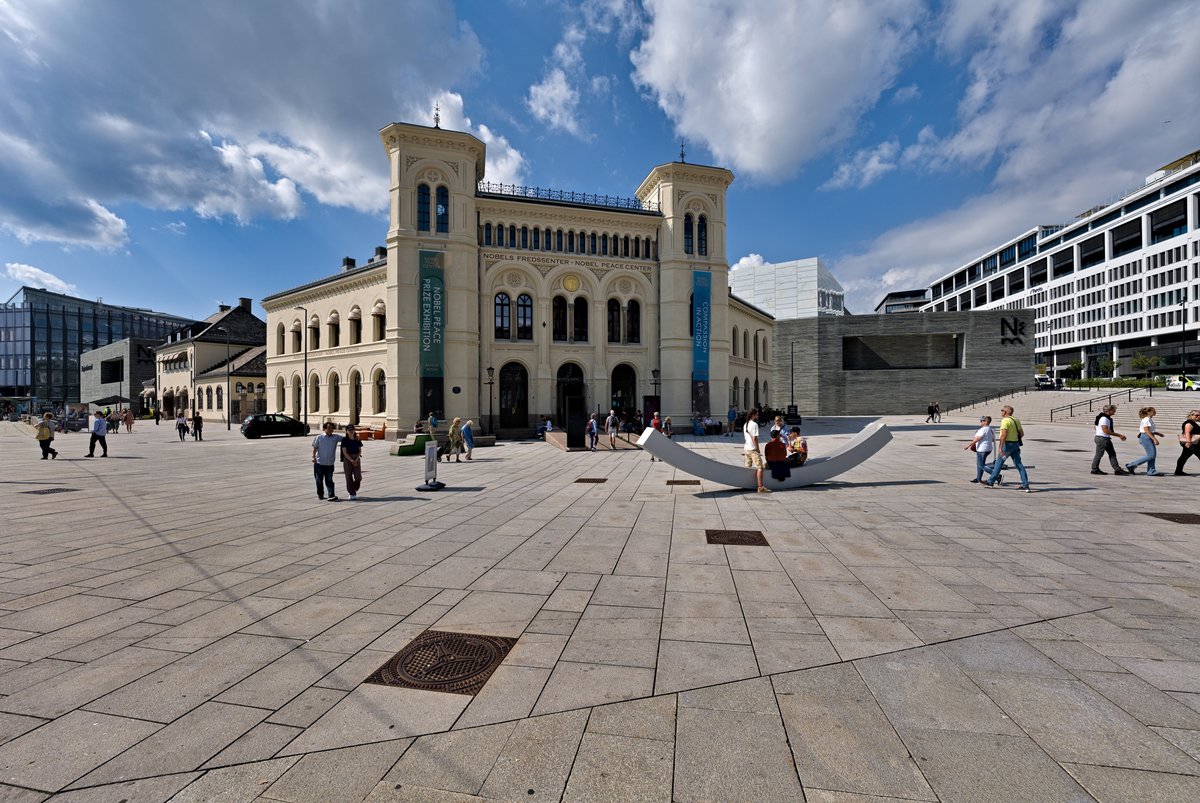
Although the station no longer operates as a railway terminus, its building has been preserved and transformed into a cultural venue. Most notably, it now houses the Nobel Peace Center, a museum and event space celebrating the ideals and history of the Nobel Peace Prize within its historic walls (Nobel Peace Center).

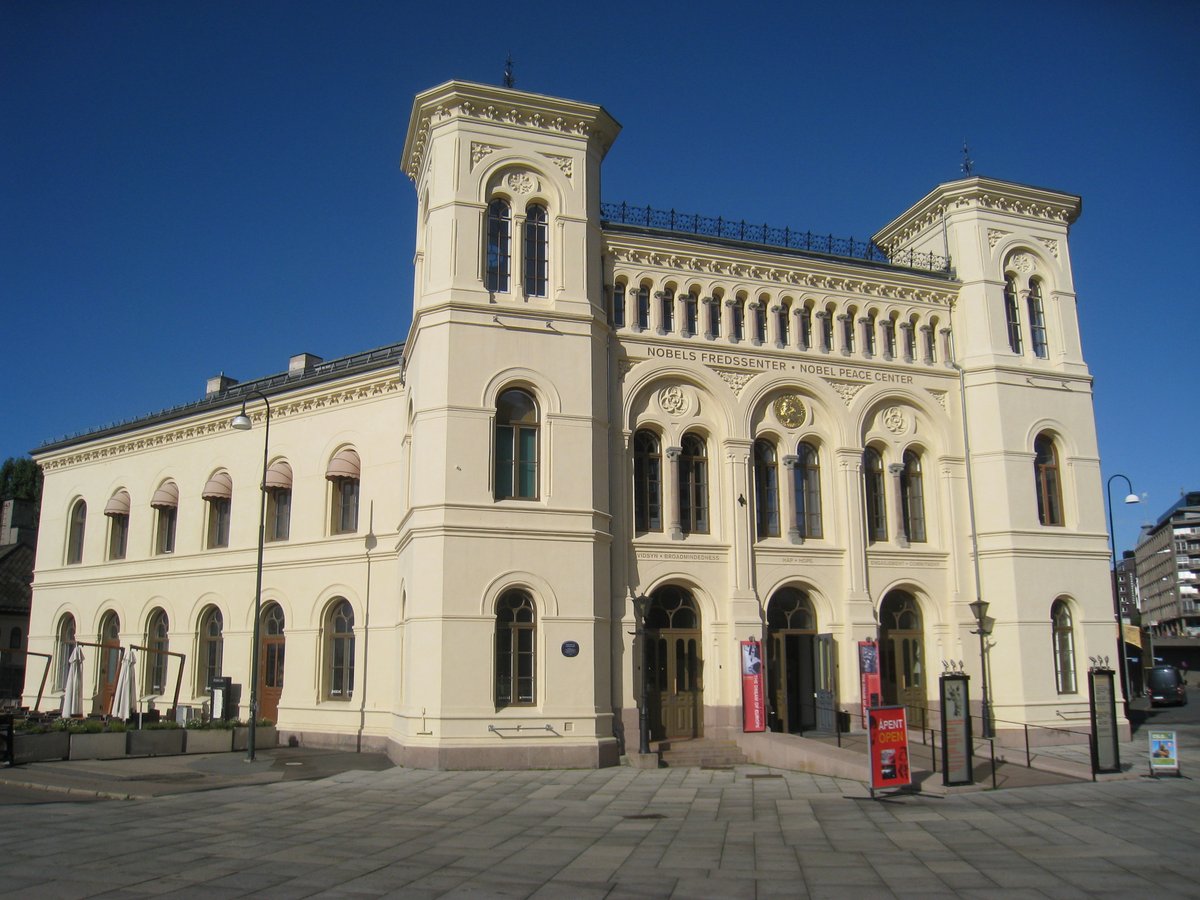
Oslo West Station’s neoclassical and functionalist architecture—with its symmetrical brick façade and arched windows—is a testament to late 19th-century Norwegian optimism and progress. Its central location offers visitors easy access to other major attractions, including Oslo City Hall, Aker Brygge waterfront, and the National Theatre (VisitOSLO).

This comprehensive guide covers the station’s historical context, architectural highlights, practical visitor information (including opening hours, ticketing, and accessibility), and nearby points of interest. Whether you are a history buff, architecture fan, or cultural explorer, this overview will help you maximize your visit to this iconic Oslo landmark (Petit Futé).


Origins and Early Development

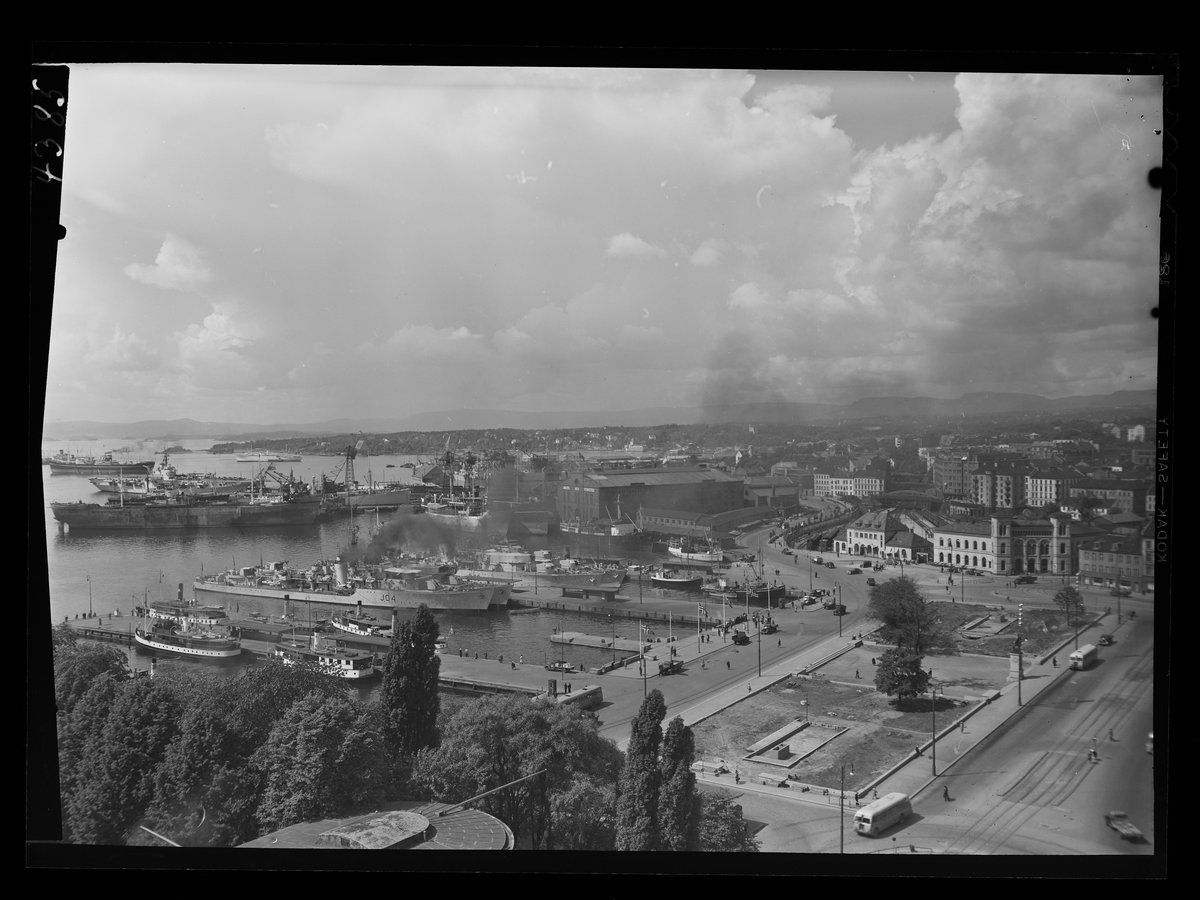
Oslo West Station opened in 1872 as the terminus for the Drammen Line, responding to Oslo’s need for robust rail connections with its western and southern regions during a transformative period of industrial growth (DBpedia). The station was strategically placed in the burgeoning Vika district, supporting both passenger and freight movement and stimulating urban development.

Role in Oslo’s Railway Network

For over a century, Oslo West Station served as the city’s central hub for routes to the west and south, including the Drammen, Sørland, and Vestfold Lines. Until the Oslo Tunnel opened in 1980, Oslo’s rail system was divided between Oslo V (west) and Oslo Ø (east), connected only by a freight line and limiting direct passenger transfers (DBpedia).

Architectural and Urban Significance

The station’s brick and stone construction, symmetrical façade, and arched windows are hallmarks of 19th-century Norwegian railway architecture. Its prominent placement in Vika influenced the district’s evolution into a prestigious civic and cultural area (DBpedia).

Key Historical Milestones

  • 1872: Official opening with the Drammen Line.
  • 1980: Oslo Tunnel connects western and eastern railway networks.
  • 1989: Station operations cease as Oslo Central Station becomes the unified rail hub (Oslo.com).

Legacy and Current Status

After closing as a railway terminal, Oslo West Station’s building was preserved and repurposed. Its adaptive reuse—today as the Nobel Peace Center—maintains its role as a cultural and historical landmark (Oslo.com).


Visiting Oslo West Station: Practical Information

Visiting Hours and Admission

The station is no longer an active transport hub, but the building is open to the public as a cultural venue. Visiting hours depend on exhibitions and events—check the Nobel Peace Center’s official website or Oslo tourism sites for current schedules.

Tickets and Guided Tours

General access to the building’s exterior and public spaces is free. Admission to the Nobel Peace Center and its exhibitions requires a ticket. Guided tours are offered regularly, providing in-depth insights into the building’s history and the Peace Prize. Booking in advance is recommended for tours.

Accessibility

The station and Nobel Peace Center are wheelchair accessible, with ramps, elevators, and accessible restrooms. Multilingual information and helpful staff ensure an inclusive visitor experience (VisitOSLO).

Location and Transport

Oslo West Station is centrally located in the Vika district, adjacent to Oslo City Hall and close to Aker Brygge. The area is easily accessed via tram (stop: Aker Brygge), bus, and is a 15-minute walk from Oslo Central Station. The Oslo Pass provides unlimited public transport and free or discounted entry to many attractions.

Nearby Attractions and Recommendations

  • Oslo City Hall: Site of the Nobel Peace Prize ceremony.
  • Aker Brygge: Waterfront district with dining, shopping, and entertainment.
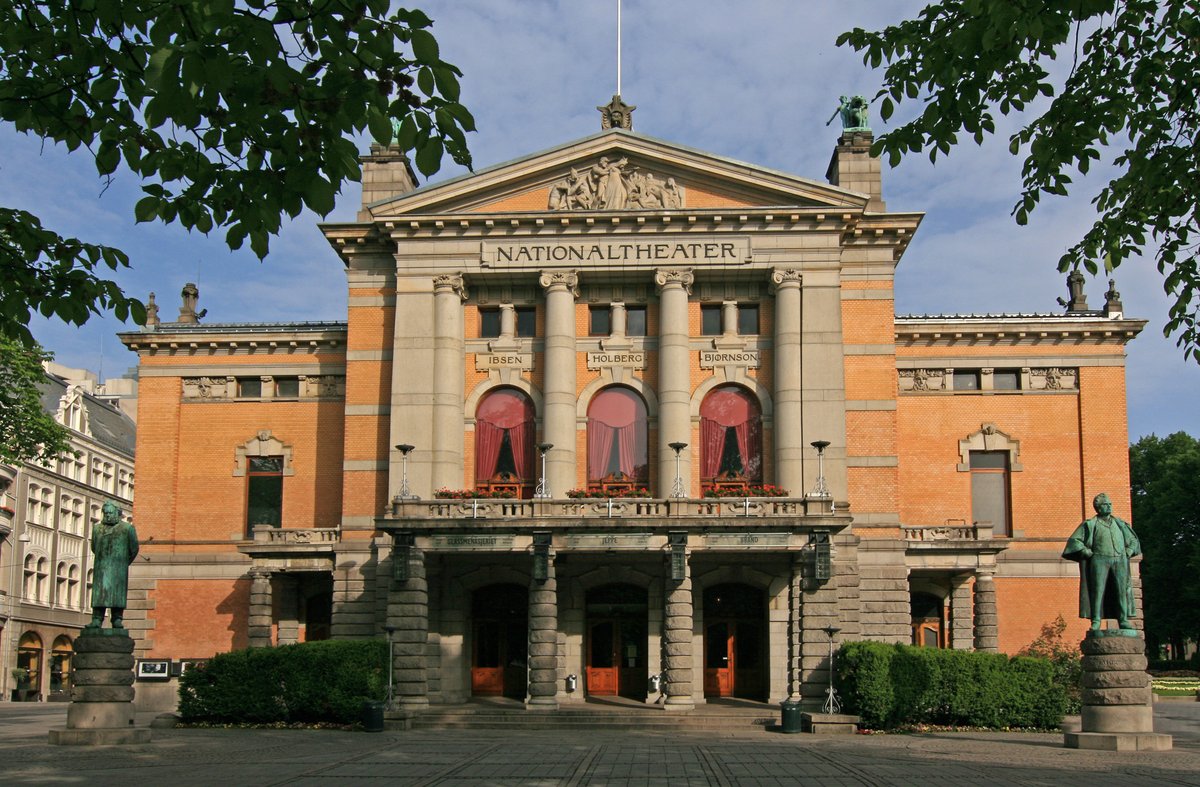
  • National Theatre: Center for Norwegian performing arts.
  • Sentrum: Oslo’s central district for shopping and museums.

Nobel Peace Center: History, Architecture, and Visitor Information

Architectural Evolution and Historical Context

Originally completed in 1872, the building’s neoclassical and functionalist design features symmetrical proportions, arched windows, and durable brickwork—reflecting both civic pride and the era’s technological optimism. After its closure as a train station in 1989, the building underwent a transformation, reopening as the Nobel Peace Center in 2005. Architect David Adjaye led this adaptive reuse, blending historic features with contemporary design to create a dynamic museum environment (Nobel Peace Center).

Visitor Information: Tickets, Hours, and Tours

  • Opening Hours: Generally 10:00–18:00 daily in summer (check official website for updates).
  • Tickets: Adults NOK 120; students/seniors NOK 90; children under 18 free; Oslo Pass holders free entry.
  • Guided Tours: Available in several languages and cover both the building’s history and Nobel Peace Prize themes.
  • Accessibility: Ramps, elevators, accessible restrooms, and multilingual support are provided.

Practical Tips

  • Getting There: Tram stop “Aker Brygge” and nearby bus lines; walking distance from major city landmarks.
  • Best Time to Visit: Summer is ideal for extended hours and events.
  • Facilities: Café, gift shop, public Wi-Fi, and restrooms available.

Oslo West Station: Cultural Significance and Tourist Guide

Civic and Cultural Role

Oslo West Station has been a symbol of modernization and civic pride since 1872, influencing urban development and serving as a key meeting point for travelers, artists, and locals. Its proximity to Oslo’s most important cultural and civic sites made it a hub for public gatherings and events, and its preservation highlights the city’s commitment to cultural heritage.

Visitor Information and FAQs

  • Visiting Hours: Check Nobel Peace Center website or Oslo tourism resources.
  • Tickets: Required for exhibitions and guided tours; Oslo Pass accepted.
  • Accessibility: Fully accessible for visitors with mobility challenges.
  • Events: The station and Vika district frequently host concerts, festivals, and art exhibitions, especially during summer (Allevents.in).

FAQs:

  • Q: Is the station still active for trains?
    A: No, all train services have moved to Oslo Central Station.

  • Q: Are guided tours available?
    A: Yes, both at the Nobel Peace Center and through city heritage tours.

  • Q: Is the area safe and convenient?
    A: Yes, the district is central, safe, and well-equipped for tourists.


Transformation and Current Use

Following its closure as a rail station, Vestbanen’s transformation into the Nobel Peace Center is a prime example of Oslo’s dedication to blending tradition with innovation. The building’s exterior remains a highlight of 19th-century design, while the modernized interiors offer immersive exhibitions and educational programs (Petit Futé; VisitOSLO).


Visitor Experience and Practical Tips

  • Getting There: Use tram (Aker Brygge stop), bus, or a short walk from Oslo Central Station (TouristMaps; Mapcarta; Norwegian Routes).
  • Accessibility: Full wheelchair access, staff support, and bilingual information.
  • Events: Check for concerts, exhibitions, and festivals, especially in summer (Global Highlights).
  • Amenities: Café, gift shop, restrooms, ATMs, and Wi-Fi available on site.

FAQs

Q: What are Oslo West Station’s visiting hours?
A: The Nobel Peace Center at Oslo West Station is generally open 10:00–18:00 in summer; check here for current hours.

Q: How do I get tickets?
A: Purchase online, onsite, or use the Oslo Pass for free entry.

Q: Is the building accessible?
A: Yes, full accessibility for visitors with disabilities.

Q: What public transport serves the area?
A: Tram (Aker Brygge), nearby buses, and walking routes from Oslo Central Station.


Enhance Your Visit

  • Visuals: Explore high-quality images and virtual tours on official websites, with alt text such as “Oslo West Station facade” or “Nobel Peace Center exhibitions.”
  • Planning: Download the Audiala app for guided audio tours, up-to-date hours, and event information.
  • Nearby: After your visit, enjoy the waterfront at Aker Brygge or cultural performances at the National Theatre.

Summary and Visitor Recommendations

Oslo West Station is a testament to Norway’s transportation history, architectural achievement, and commitment to cultural preservation (DBpedia). Its adaptive reuse as the Nobel Peace Center creates a vibrant destination for learning and reflection (Nobel Peace Center). The station’s central location in Vika, accessibility, and proximity to major attractions make it an ideal starting point for exploring Oslo (VisitOSLO).

For the best experience, check visiting hours and event listings in advance, use the Oslo Pass for convenience, and consider guided tours for deeper insight. Download the Audiala app for enhanced audio guides and virtual tours.


Listen to the full story in the app

Your Personal Curator, in Your Pocket.

Audio guides for 1,100+ cities across 96 countries. History, stories, and local insight — offline ready.

smartphone

Audiala App

Available on iOS & Android

download Download Now

Join 50k+ Curators

Last reviewed:

More Places to Visit in Oslo

24 places to discover

Akershus Fortress

Akershus Fortress

Bakkehaugen Church

Bakkehaugen Church

Bispegården, Oslo

Bispegården, Oslo

Bogstad

Bogstad

Bygdøy Royal Estate

Bygdøy Royal Estate

Church of the Cross

Church of the Cross

Det Gamle Ridehus, Akershus Festning

Det Gamle Ridehus, Akershus Festning

Dramatikkens Hus

Dramatikkens Hus

Oslo Zoological Museum

Oslo Zoological Museum

Østre Aker Church

Østre Aker Church

photo_camera

Rådmannsgården

Ris Church

Ris Church

Royal Palace, Oslo

Royal Palace, Oslo

photo_camera

Rudolf Nilsens Plass, Oslo

Sagene Church

Sagene Church

photo_camera

Sentrum Scene

Sjømannsskolen

Sjømannsskolen

Skogvokterboligen

Skogvokterboligen

Sofienberg Church

Sofienberg Church

Sporveismuseet Vognhall 5

Sporveismuseet Vognhall 5

St Mary'S Church

St Mary'S Church

St. Clement'S Church

St. Clement'S Church

photo_camera

St. Hallvard'S Church and Monastery

photo_camera

Strømsborg