
Origins and Architectural Heritage
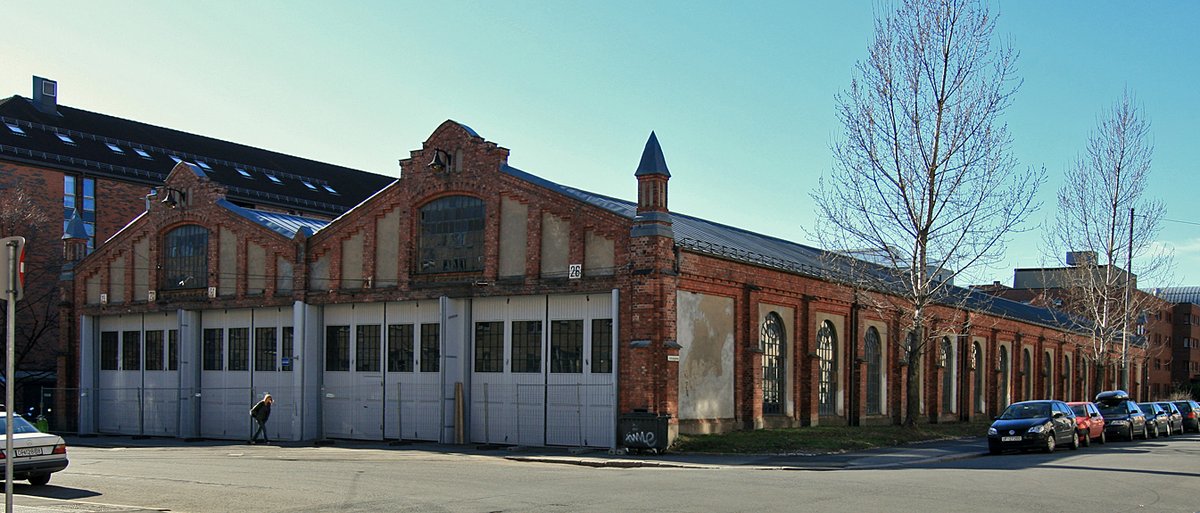
Sporveismuseet Vognhall 5 occupies the former Kristiania elektriske sporveis Vognhall nr. 5, built in 1913 for the “Blåtrikken” (Blue Tram) line. The depot, designed by renowned architect Paul Due, is an exemplar of early 20th-century industrial architecture, featuring robust brickwork and large arched windows. As the only remaining tram hall of its kind in Oslo, it stands today under heritage protection laws and is an architectural treasure in its own right (lokalhistoriewiki.no).
Transformation into a Museum
In 1985, the Lokaltrafikkhistorisk Forening (LTF) transformed the depot into Sporveismuseet Vognhall 5. Since then, it has grown into a vibrant museum, featuring an extensive collection of trams, buses, and artifacts that illustrate Oslo’s transportation evolution. A key milestone was the 1994 establishment of a track connection to the operational tram network, enabling vintage trams to run on city tracks in summer, offering visitors an authentic “living history” experience (jernbanen.dk).
Collection Highlights
The museum’s collection is a testament to Oslo’s shifting transit landscape, with over 130 vehicles represented (though not all are displayed simultaneously):
- Horse-drawn tram from 1875 One of Oslo’s earliest urban transit vehicles.
- Holmenkolbanevogn (1897) A pioneering suburban rail car.
- Iconic trams Including the A-vogn, “Gullfisk” (Goldfish), “Kylling,” and classic two-axle models.
- Red T-bane subway car From Oslo’s original metro system.
- Historic buses Like the 1939 “Juster-bussen,” Leyland Worldmaster, Büssing, and the 1951 Strømmen/NEBB trolleybus.
- Work vehicles Snowplows, maintenance cars, and specialized wagons.
Artifacts also include uniforms, tickets, destination signs, and a large archive of photographs and technical documentation (Sporveismuseet Vognhall 5).
Historical and Cultural Significance
Sporveismuseet Vognhall 5 is more than a repository of old vehicles—it's a living chronicle of Oslo’s urban and technological development. The exhibits chronicle the shift from horse-drawn trams to electrification, the introduction of buses and subways, and the social changes these brought. By maintaining these vehicles and sharing their stories, the museum keeps alive the memory of how public transport shaped Oslo’s neighborhoods and daily rhythms (Oslo Byleksikon, Cultural Heritage Online).
Visiting Information
Opening Hours
- Most common schedule Saturdays and Sundays, 12:00 PM – 4:00 PM
- Seasonal variations Additional openings or changes may apply during holidays and special events.
- Always check the official Sporveismuseet website for the latest hours.
Ticket Prices
- Adults NOK 50–100 (varies by season and event)
- Seniors/Students Discounts available (typically NOK 25–70)
- Children (under 16) Often free or discounted
- Family Ticket Around NOK 100
- Oslo Pass holders Free or discounted admission
- Group rates Available for pre-booked parties and school groups
Location and Directions
- Address Ullevålsveien 15, Oslo (Majorstuen area)
- Public Transport Easily accessible via tram (lines 11 or 17), metro (Majorstuen stop), and buses.
- Parking Limited; public transport is recommended.
Accessibility
- Wheelchair access Major exhibition areas and restrooms are accessible; some vehicles may have limited access due to historic design.
- Assistance Staff are available to help; contact in advance if you have specific needs.
- Service animals Welcome.
Amenities
- Restrooms Available.
- Museum shop Offers books, memorabilia, and transport-themed gifts.
- Café Not on site, but plenty of options nearby in Majorstuen.
Visitor Experience and Travel Tips
- Dress warmly The depot is unheated during colder months.
- Plan for 1 hour Most visitors spend 40–60 minutes, longer if joining a tour or event.
- Guided tours Highly recommended, especially for international visitors; English tours available upon request.
- Photography Allowed for personal use.
- Children The museum is family-friendly, with interactive exhibits and hands-on activities.
- Combine your visit Explore nearby attractions such as Vigeland Sculpture Park, Oslo City Museum, and shops/cafés in Majorstuen.
Educational Role and Community Engagement
Sporveismuseet Vognhall 5 serves as an educational platform, promoting sustainable mobility and local history. Volunteers from the Lokaltrafikkhistorisk Forening maintain the vehicles, lead tours, and run school outreach programs. The museum’s digital resources, including virtual tours and archival media, further expand its educational impact (Wikipedia, Sporveismuseet Digital Museum).
Special Events and Experiences
- Vintage tram rides Operate during summer, allowing visitors to experience Oslo’s streets aboard historic vehicles.
- Heritage bus tours Themed rides exploring Oslo’s neighborhoods.
- Private hire Certain vehicles (e.g., Holmenkollbanen vogn 110) can be rented for meetings or children’s parties (Oslo Kommune).
- Temporary exhibitions Regularly held to mark anniversaries and milestones in Oslo’s transit history.
Frequently Asked Questions (FAQ)
Q: When is Sporveismuseet Vognhall 5 open?
A: Typically Saturdays and Sundays, 12:00 PM – 4:00 PM. Always check the official website for current opening hours.
Q: How much do tickets cost?
A: Adults NOK 50–100; family and child discounts available.
Q: Is the museum wheelchair accessible?
A: Main areas and restrooms are accessible, though some vehicles are not.
Q: Are guided tours offered in English?
A: Yes, on request; highly recommended for non-Norwegian speakers.
Q: Can I take photos?
A: Yes, for personal use.
Q: How do I get there?
A: Majorstuen is a central hub; arrive by tram, metro, or bus.
Q: Are there vintage tram rides?
A: Yes, in summer—check the website for schedules.
Visuals and Interactive Elements
The museum features restored trams and buses, hands-on exhibits, and multimedia displays. Many vehicles can be entered, and visitors are encouraged to explore the cab and ring the bell. For a preview, explore the museum’s digital archives and virtual tours.
Image captions:
- Vintage “Gullfisk” tram at Sporveismuseet Vognhall 5
- Interior of historic tram depot
- Family aboard a restored horse-drawn tram
Discover More
Plan your visit to Sporveismuseet Vognhall 5 by checking the official website for up-to-date information on hours, ticketing, and events. Download the Audiala app for audio-guided tours and extra historical insights. For more inspiration, follow museum updates and community discussions at lokalhistoriewiki.no and jernbanen.dk.