Place
Oslo
Norway Updated Apr 2026
Oslo startles you the moment you step onto the Opera House roof. One minute you're walking on white marble that slopes straight into the Oslofjord; the next, you're staring at 200 timber sculptures in Vigeland Park while the smell of pine drifts in from the surrounding forest. This is a capital where metro line 5 drops you in proper Nordic wilderness 20 minutes after leaving the central station. And somehow it all feels perfectly normal to the locals.
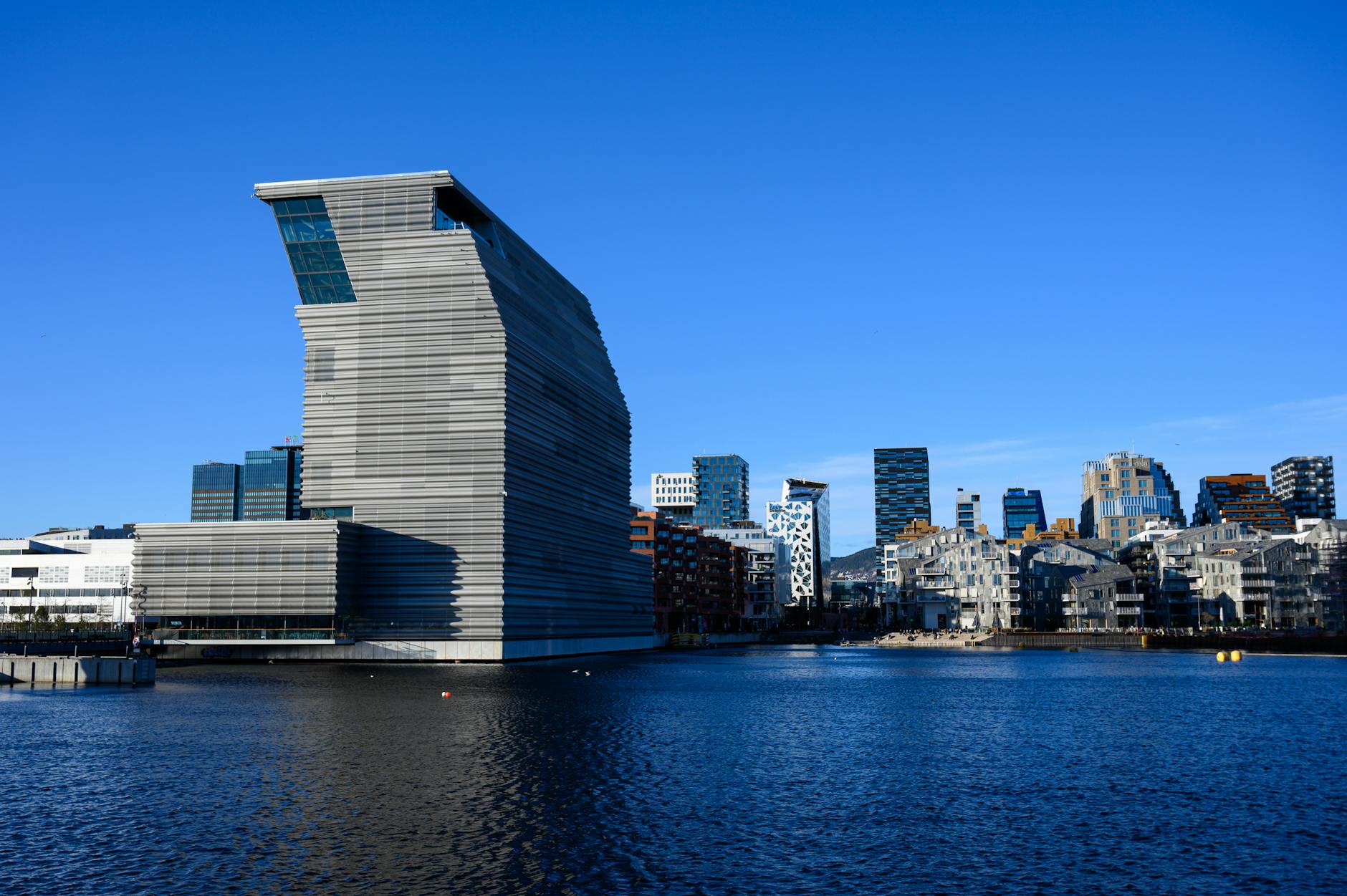 Photo: Nils R / Pexels
- Attractions
- 12
- Audio
- 7 h 54 min
- Trip length
- 3-4 days
- Best season
- May or September
Why Oslo
Built from cited sources · see the method · How we make our guides →
The city moves between water and woods with an ease that rewires your expectations. In summer the harbour fills with electric catamarans heading to Hovedøya, where people swim off rocks 10 minutes from the Barcode district. Come winter the same population straps on skis in Nordmarka without ever leaving the city limits. The light does most of the heavy lifting: low, slanted, and mercilessly honest whether it’s bouncing off the Munch Museum’s glass or filtering through the stained glass at St. Olav’s.
What stays with you isn’t any single landmark. It’s the particular Oslo rhythm where a €14 beer at Summit Bar feels almost reasonable once you’ve had coffee at Tim Wendelboe and a pølse i lompe from Syverkiosken on the same afternoon. The city refuses to perform Scandinavianness for visitors. Instead it simply lives its contradictions out loud: medieval fortress walls next to Snøhetta’s iceberg opera house, reindeer-heart porridge at Maaemo, and the quiet understanding that the best Norwegian food is usually someone’s grandmother’s leftovers.
The Opera House Roof
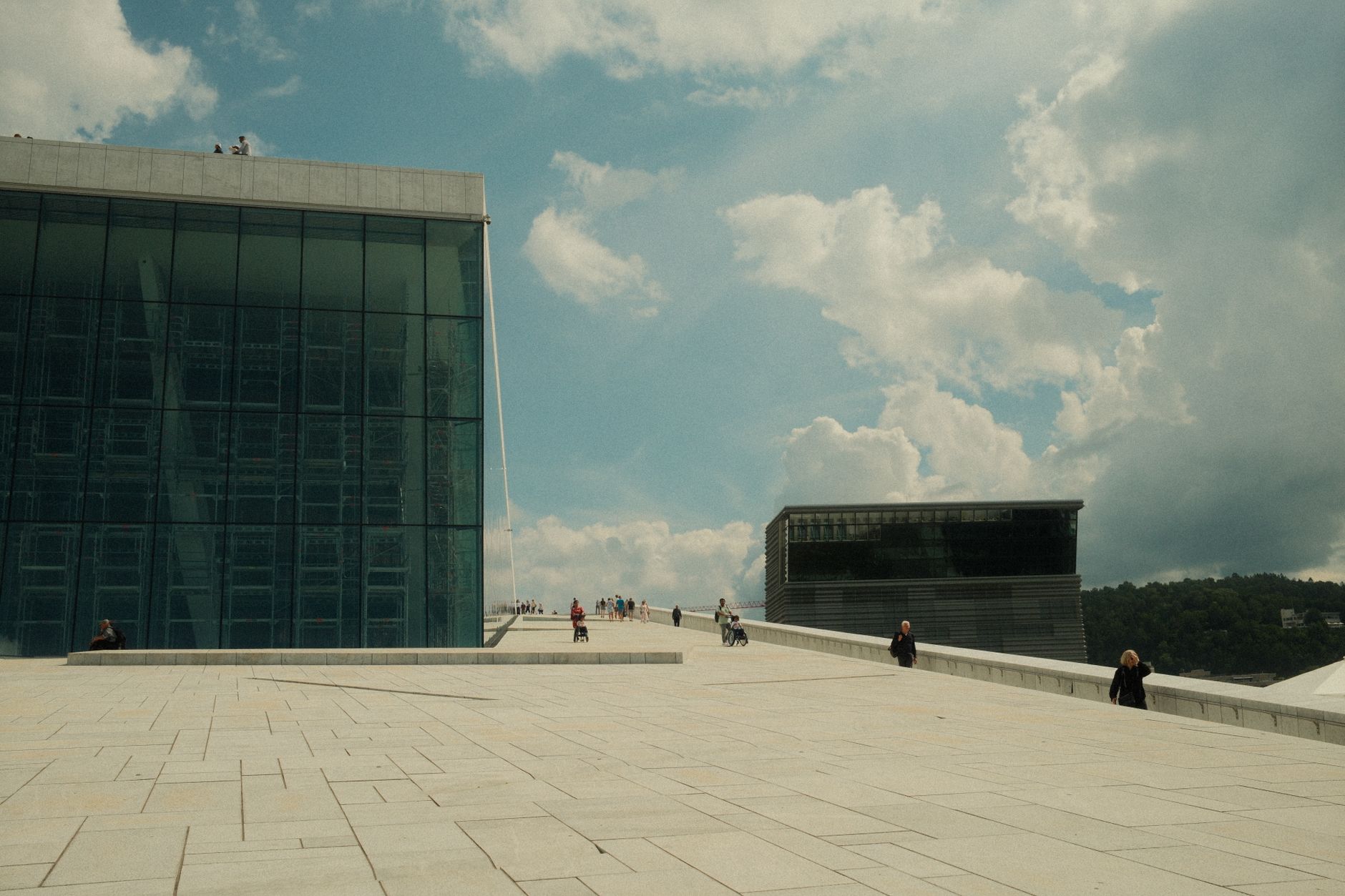
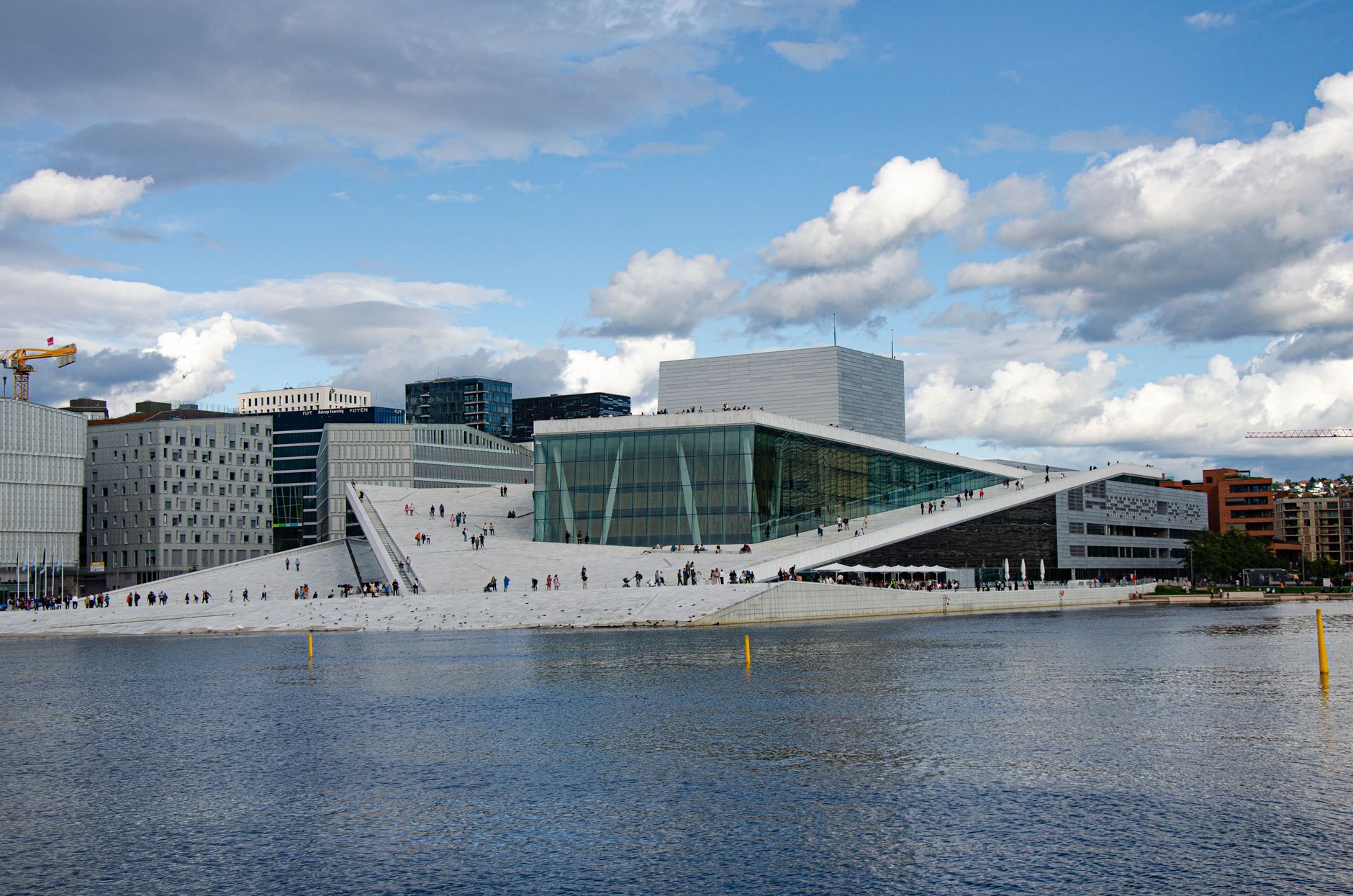
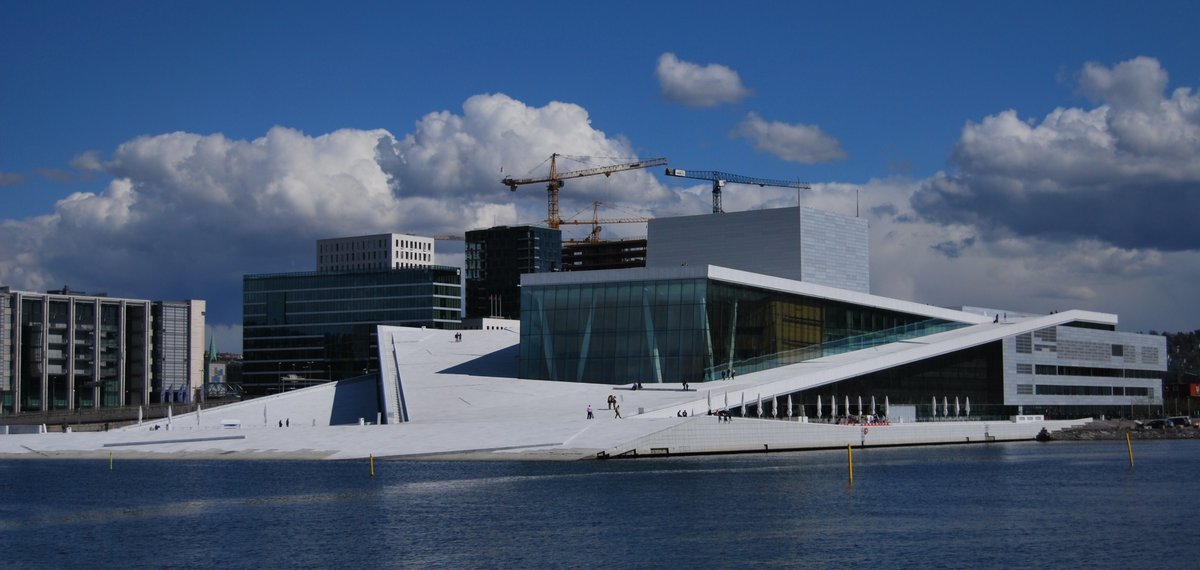
Snøhetta’s 2008 iceberg rises from the Bjørvika waterfront like a marble glacier you’re allowed to walk on. Stand on the slanted roof at 10 pm in July and the low sun still warms the stone while the Oslofjord stretches out in silver light. Few capitals let you tread on their most important cultural building for free.Vigeland’s Obsession
Gustav Vigeland spent decades carving 212 bronze and granite figures that now populate Frogner Park. The 17-metre Monolith alone carries 121 intertwined humans. Visit at first snow and the silent, slightly eerie figures feel like they’re still arguing with their maker.Metro to Wilderness
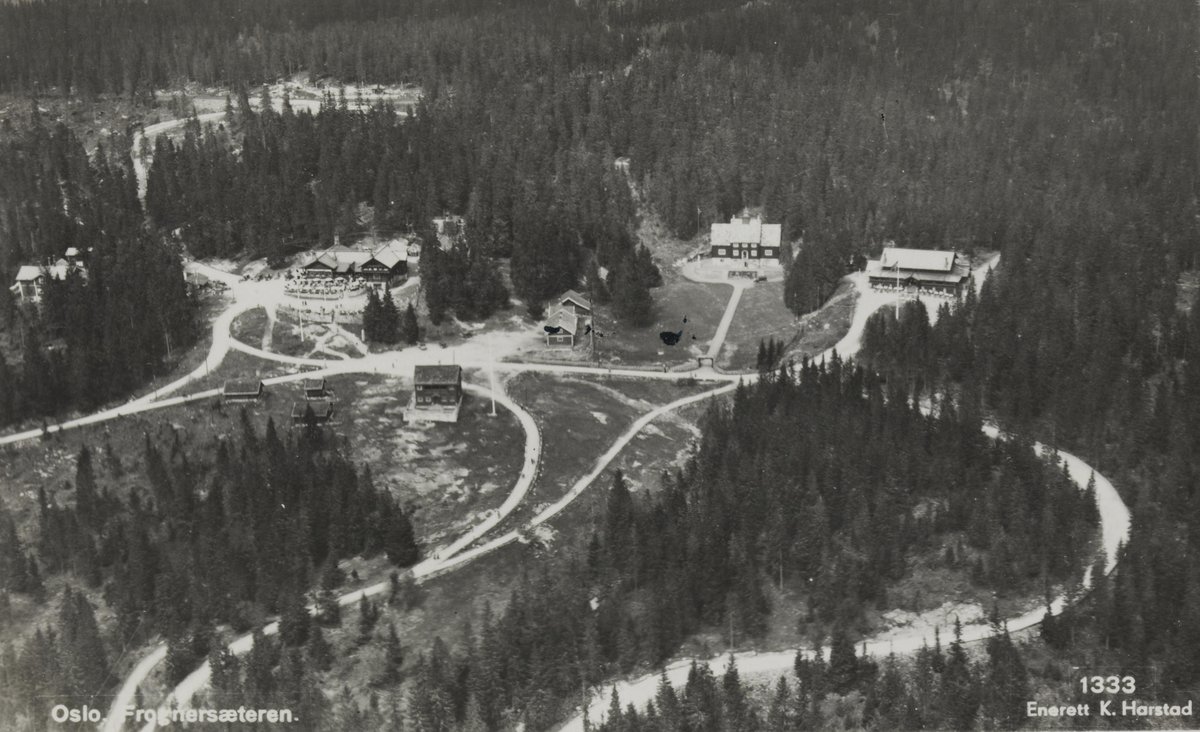
Take Line 1 to Frognerseteren, step off the train, and you’re already inside Nordmarka’s 1,700 square kilometres of forest and lakes. Sognsvann’s 3.5 km trail begins 20 minutes from Oslo Central Station. In winter the same metro carriage carries people in cross-country skis.Munch’s Light
The 2021 Munch Museum holds 1,200 paintings and 18,000 prints, yet the top-floor gallery’s real exhibit is the wall of glass framing the fjord. On a clear afternoon the light that floods the rooms is the same northern light Munch chased in his later years.
Places to Visit
Not every monument, just the ones we'd walk you past ourselves.
-
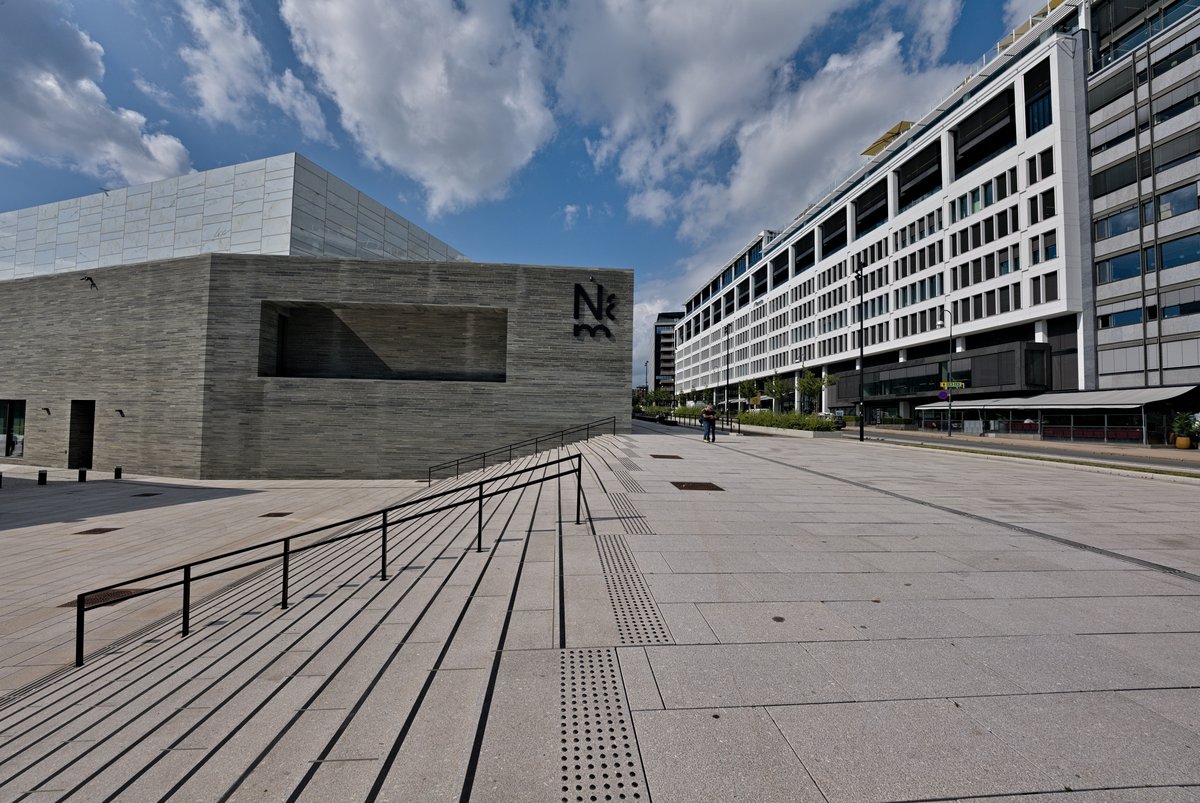
National Museum of Art, Architecture and Design The National Museum of Art, Architecture and Design in Oslo stands as Norway’s foremost institution dedicated to celebrating the nation’s rich artistic…
-
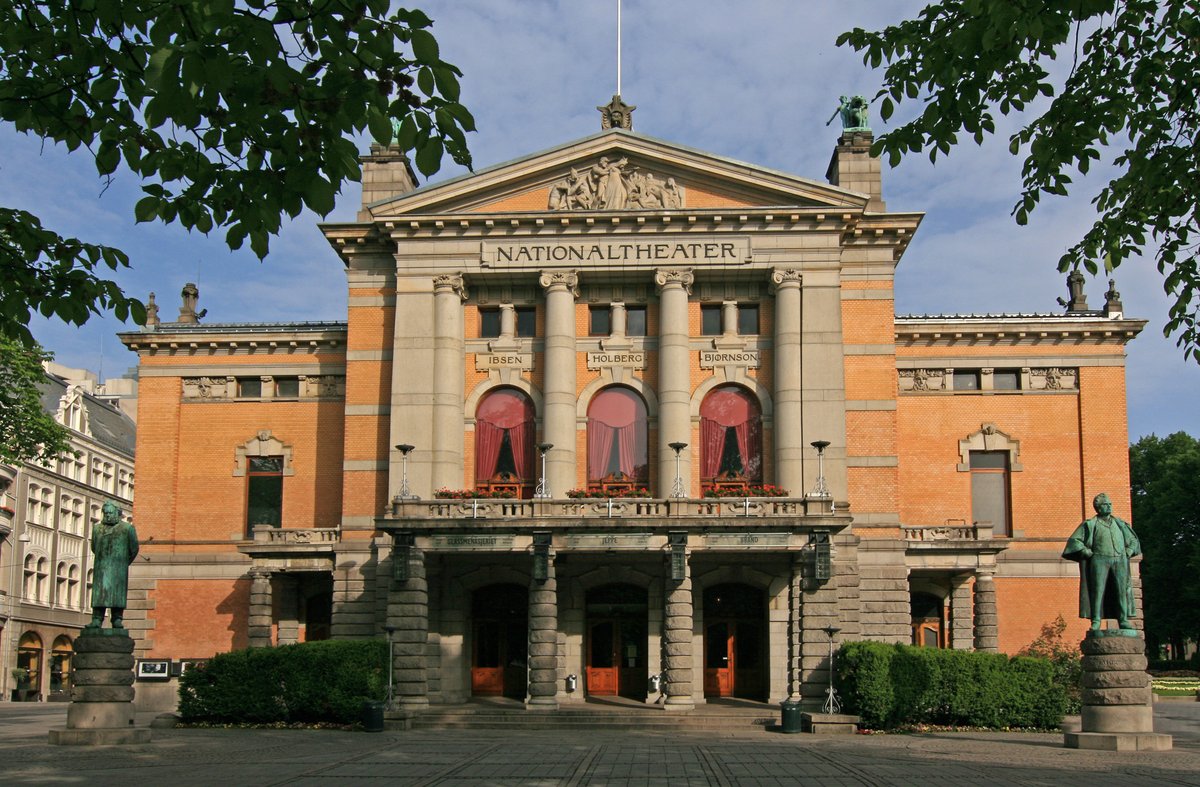
National Theatre Oslo The National Theatre in Oslo stands as a monumental emblem of Norwegian cultural pride, history, and artistic excellence.
-
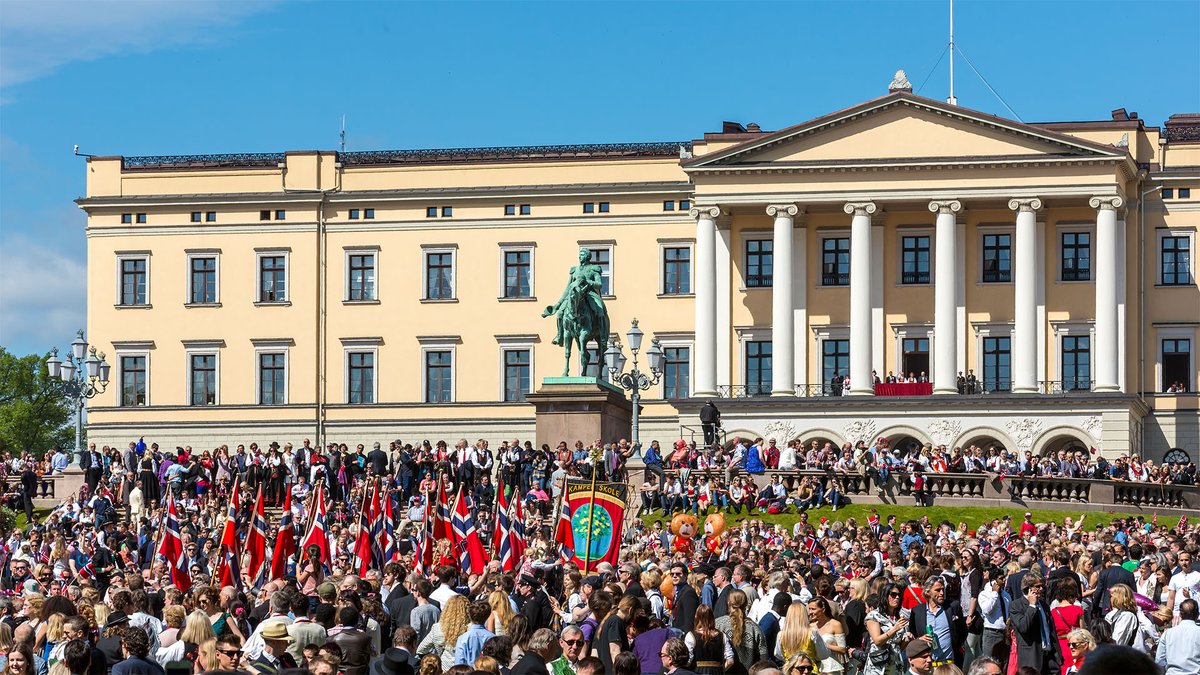
Royal Palace, Oslo The Royal Palace in Oslo is not only a magnificent example of 19th-century Neoclassical architecture but also a profound symbol of Norway’s national identity…
-
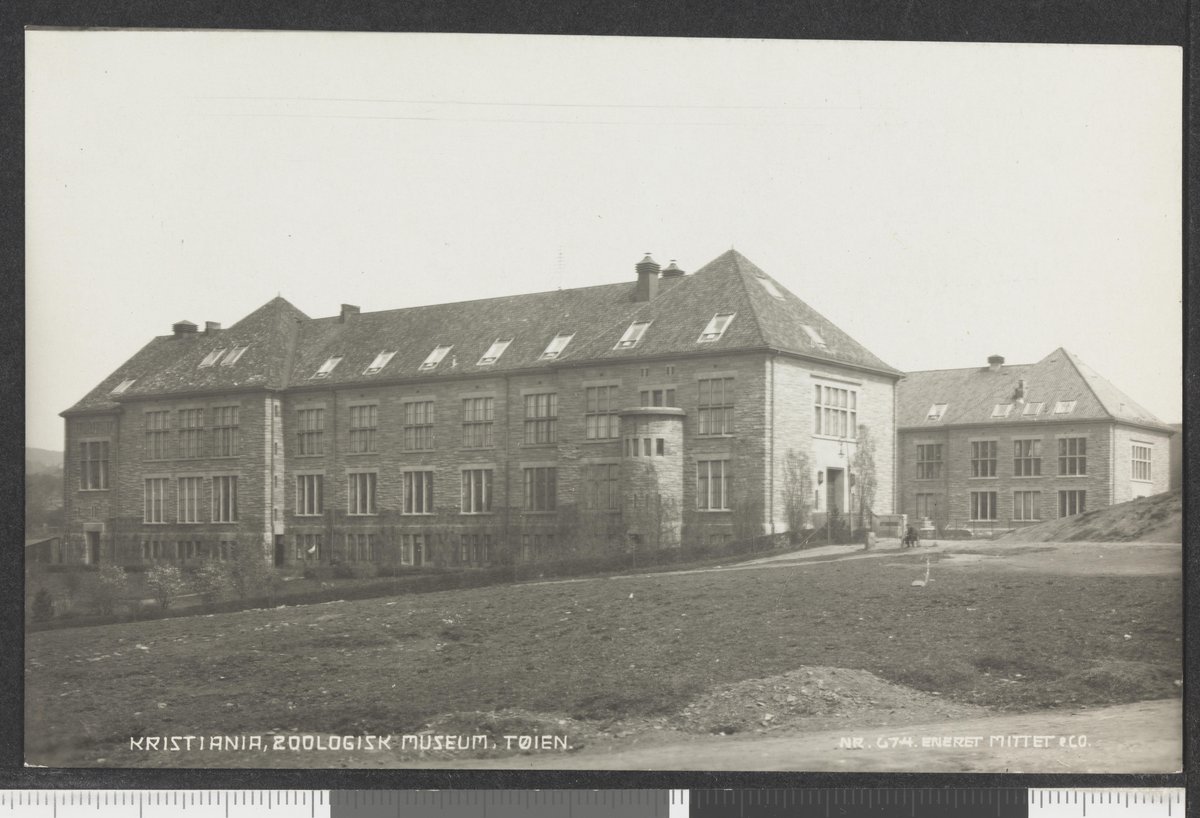
Natural History Museum in Oslo Nestled in the vibrant Tøyen district of Oslo, the Natural History Museum at the University of Oslo stands as Norway’s oldest and largest institution…
-
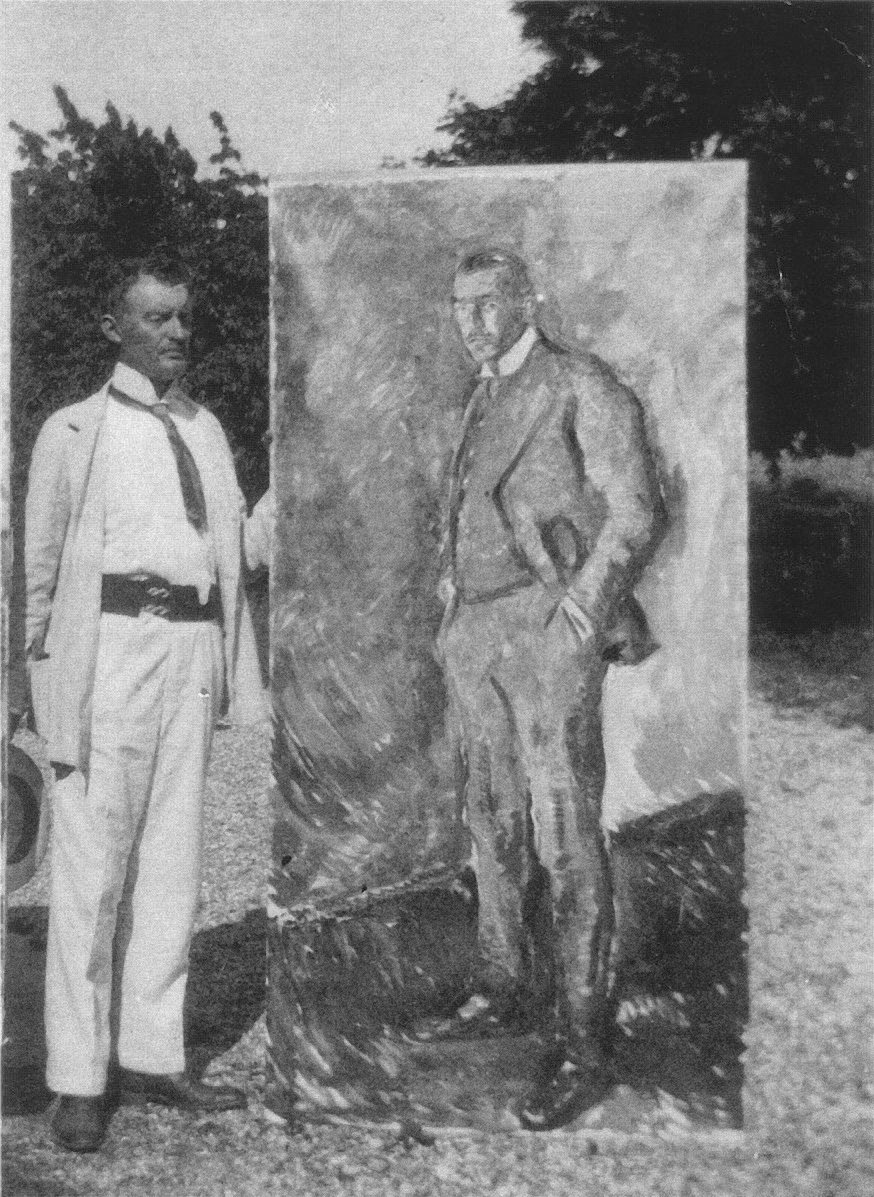
Munch Museum Nestled in the vibrant Bjørvika district along Oslo's waterfront, the Munch Museum stands as a beacon of Norwegian culture and artistic heritage, dedicated to…
-
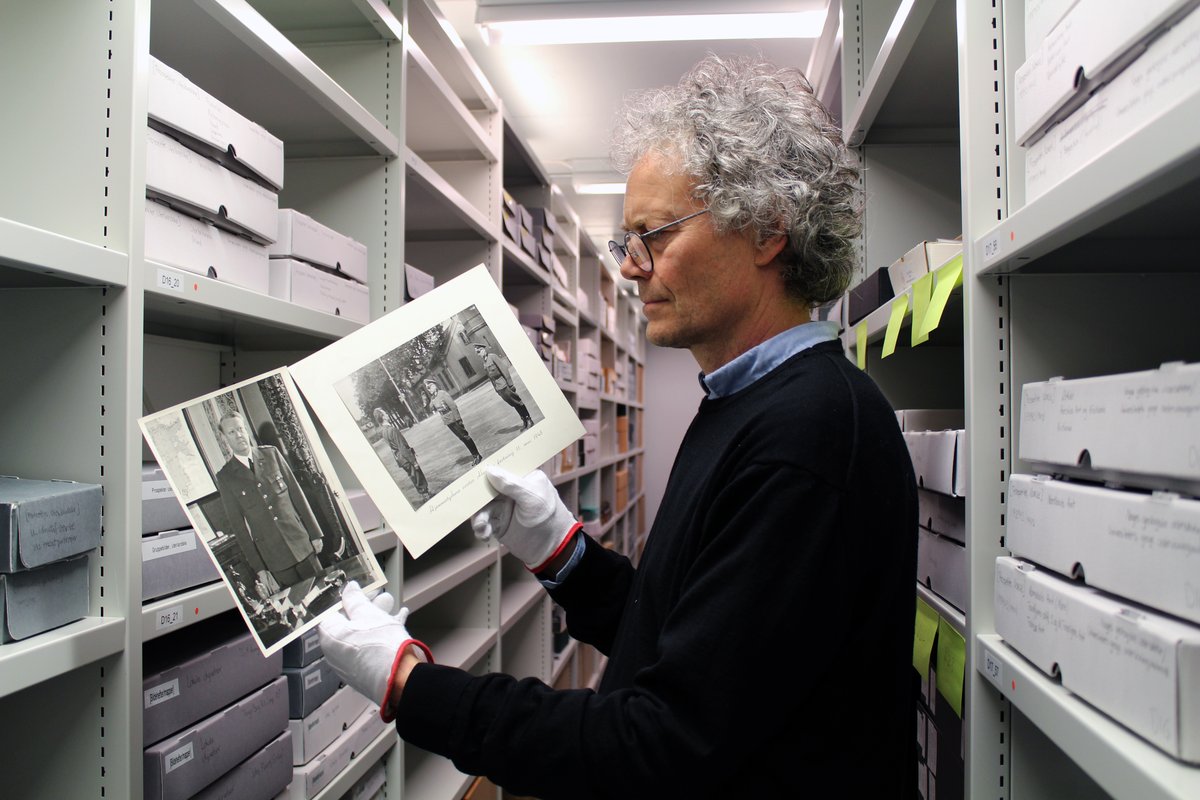
National Library of Norway The National Library of Norway in Oslo stands as a beacon of Norwegian cultural identity, merging the preservation of historical heritage with modern…
-
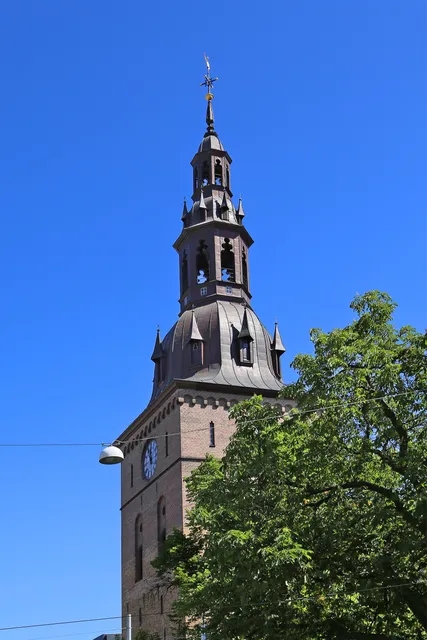
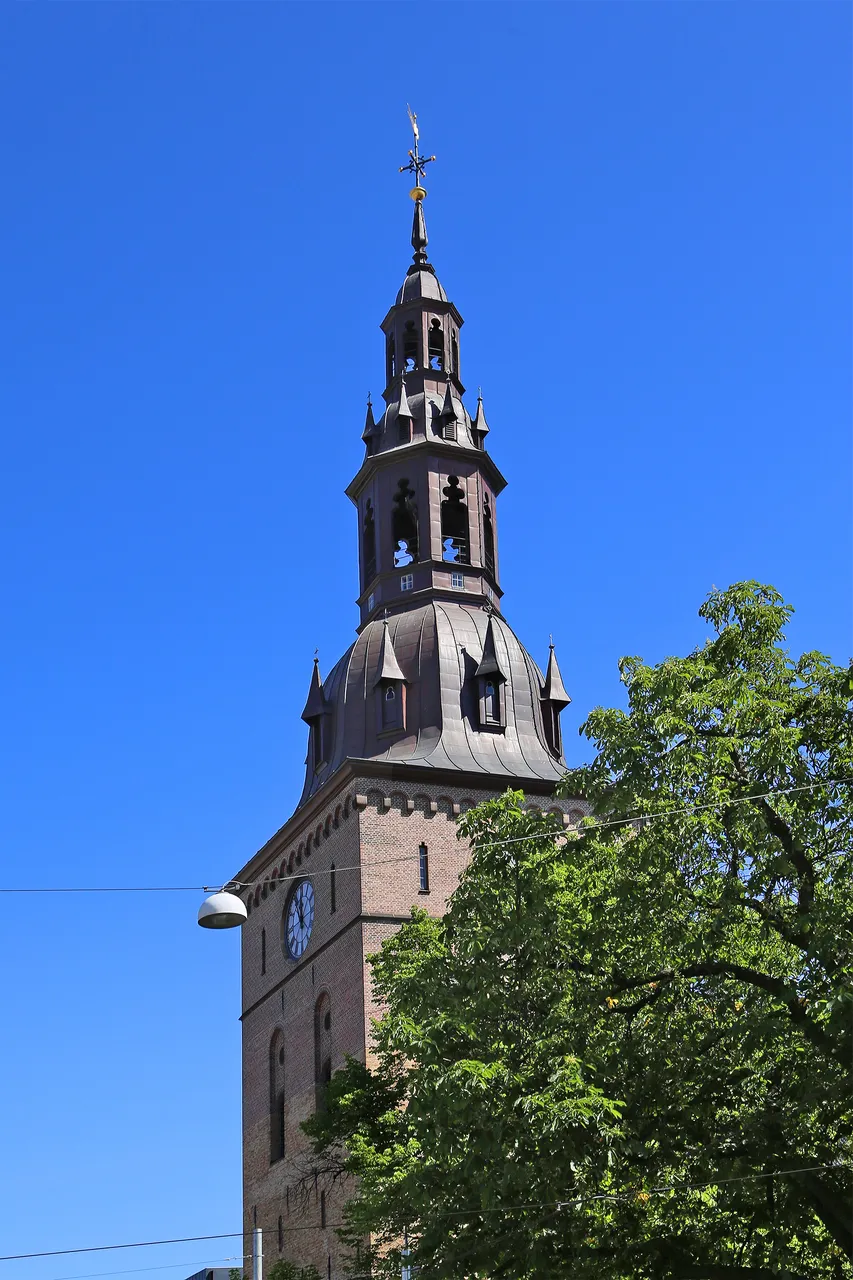
Oslo Cathedral Oslo Cathedral's vast modernist ceiling fresco and its Dutch Baroque interior hide three centuries of fire, royal weddings, and the 2011 sea of flowers.
- Grefsenkollen Grefsenkollen, towering 377 meters above sea level in northern Oslo, is more than just a scenic hill—it's a vibrant intersection of history, culture, and…
- Viking Ship Museum The Viking Ship Museum in Oslo, Norway, stands as a monument to the rich maritime heritage and cultural legacy of the Viking Age, captivating history…
Neighborhoods
Where to wander, by quarter — each with its own rhythm.
Bjørvika
The gleaming cultural heart that appeared almost overnight. Walk the Opera House roof at sunset for free, then head inside the 2021 Munch Museum where The Scream finally has breathing room and the top-floor café serves views across the fjord. The Barcode buildings stand like modernist teeth opposite the waterfront. This is where Oslo shows off, but the architecture earns it.Frogner
Oslo’s most beautiful district according to people who actually live here. Vigeland Park delivers 212 bronze and granite figures by a single artist, all arranged along a 850-metre axis that somehow never feels crowded. Wander the surrounding streets lined with embassies and handsome late-19th century villas. The contrast between Gustav Vigeland’s muscular nudes and the quiet residential lanes is pure Oslo.Grünerløkka
Former working-class neighbourhood now home to the city’s best independent cafés and street art. Harald’s Vaffel has been serving brunost waffles to locals since before it was trendy. Galleries sit beside vinyl shops and the occasional remaining grit. The young crowd spills onto sidewalks with takeaway coffee regardless of season.Aker Brygge & Tjuvholmen
The waterfront strip where Oslo pretends to be a seaside town. Wooden piers, seafood restaurants, and the Renzo Piano-designed Astrup Fearnley Museum filled with contemporary art. Summit Bar offers the best skyline views for the price of an expensive cocktail. Touristy by day, genuinely atmospheric when the summer light refuses to leave.Grønland
The city’s multicultural heartbeat, anchored by the Bazaar with its fresh produce, spices, and noise that feels imported from further south. The Intercultural Museum tells stories the rest of Oslo sometimes forgets. Cheapest authentic meals in town, strongest sense that this capital is still being written.Bygdøy
The museum peninsula reachable by city bike or ferry. The Viking Ship Museum, Fram polar vessel, and Norsk Folkemuseum with its relocated stave church sit among quiet residential streets and good swimming spots. Rent an Oslo City Bike and do the loop; few tourists realise the best views come from the saddle.Ekebergparken
Hillside sculpture park that most visitors miss. Contemporary works hide among trees while the city spreads out below like a scale model, Barcode district glittering in the distance. The light here in late afternoon turns the entire fjord into hammered copper. Take tram 13 and walk down.
Plan your trip
Before you go
- Getting There
- Oslo Airport Gardermoen (OSL) lies 47 km north. The Flytoget express reaches Oslo Central Station in 20 minutes for about 230 NOK. Regional Vy trains cost 100–130 NOK and run every 10–15 minutes in 2026. Torp Sandefjord (TRF), used by Ryanair, connects by coach or train in roughly two hours.
- Getting Around
- Ruter runs six T-bane metro lines, six tram routes, buses, and fjord ferries on a single ticket system. A 24-hour pass costs 130 NOK, a 7-day pass 350 NOK in 2026. Oslo City Bike unlock fee is 49 NOK for the day; Bygdøy’s museum peninsula is best explored by e-bike on dedicated lanes.
- Climate & Best Time
- July averages 23 °C daytime, January –7 °C at night. August is wettest with 89 mm rain. May and September bring long civil twilight, fewer crowds, and temperatures between 7–17 °C. Winter darkness lasts until mid-March but delivers reliable snow in Nordmarka from December.
- Safety
- Oslo remains one of Europe’s safest capitals. Pickpocketing concentrates around Oslo S, Karl Johans Gate, and busy summer spots at Aker Brygge. Grønland’s underpass can feel uncomfortable after midnight but is fine by day. Emergency number is 112.
03 Top tickets in Oslo.
Book ahead
Curated from places in this city. Same price as official sites.

Kon-Tiki Museum
Kon-Tiki Museum Entrance Ticket
★4.5
from €16.59

Fram Museum
The Fram Museum Admission Ticket
★4.6
from €16.59

Nobel Peace Center
Nobel Peace Center: Entry Ticket
★4.8
from €16.41

Norwegian Museum Of Cultural History
Norsk Folkemuseum Oslo Private Tour & Skip-the-Line Tickets
★4.4
from €168.48

Kon-Tiki Museum
Best of Oslo and Kon-Tiki Museum Private Tour
★5.0
from €645

Fram Museum
Oslo Highlights and Polar Ship Fram Museum
★5.0
from €645
Prices shown are indicative — final pricing and availability are confirmed at checkout. Audiala may receive a commission from bookings made via these links.
Fire, Plague, and a Name That Refused to Die
From Viking landing to oil-rich capital
- c. 900 BCE
First Settlers Reach the Fjord
Stone Age people found rich farmland and sheltered waters where the Oslofjord cuts into Norway. They called the region Viken. The smell of pine and salt hung in the air for centuries before any king thought to claim it.
- c. 1000
St. Clement's Church Rises
The first wooden church appears on the banks. Its ruins still lie quietly in Middelalderparken. Vikings dragged their ships up the same mud only decades earlier.
- 1049
Harald Hardrada Founds Oslo
King Harald Hardråde declares the settlement a kaupstad, a trading place. The warrior who would later die at Stamford Bridge gave the city its first official breath. Legend says he chose the spot himself.
- c. 1070
Bishopric and Cathedral Established
King Olav Kyrre builds a cathedral and installs a bishop. Oslo becomes the religious heart of eastern Norway. The echo of those early bells still reaches us through ruined foundations.
- 1299
Oslo Becomes Capital
King Haakon V moves his court here and starts Akershus Fortress to guard against Swedish threats. The city steps out of Bergen's shadow at last. Stone walls begin to rise above the timber houses.
- 1349
Black Death Empties the Streets
Plague kills roughly half of Oslo's three thousand souls. Churches lose their income. Hanseatic merchants fill the power vacuum while bodies rot in the fjord air.
Show the full timeline (24 moments)
- 1537
Reformation and Danish Rule
Lutheran authorities under Danish control tear down Catholic churches. Many ruins you still wander in Gamle Oslo date from this deliberate destruction. The city shrinks to a provincial outpost.
- 1624
The Great Fire and Christiania Reborn
Three days of flames consume every wooden building. King Christian IV forces the survivors to rebuild in brick and stone closer to Akershus. He renames the city after himself. The poor are pushed into wooden suburbs.
- 1716
Swedes Occupy the City
King Karl XII's troops march in during the Great Northern War. Akershus Fortress holds. The Swedes loot what they can then leave. The smell of smoke lingers for weeks.
- 1814
Norway Gains Its Own Constitution
After Denmark loses to Napoleon, Norway writes Europe's most liberal constitution. The city, still called Christiania, becomes capital of a nation in reluctant union with Sweden. Population stands at ten thousand.
- 1828
Bank of Norway Opens
The new institution anchors the city's economic rise. Christiania begins its slow transformation from provincial town to serious capital.
- 1849
Royal Palace Completed
The pale yellow neoclassical palace on the hill finally opens its doors. It still watches over the city like a quiet judge.
- 1863
Edvard Munch is Born
The boy who would paint The Scream grows up in the city. He later haunts the Grand Café with other bohemians, turning personal torment into images that still unsettle viewers.
- 1869
Gustav Vigeland Born
The sculptor arrives. Decades later he convinces the city to give him an entire park for over two hundred of his works. The result remains one of the strangest and most powerful public spaces in Europe.
- 1877
Spelling Reform to Kristiania
The city drops the Danish 'Ch' and becomes Kristiania. It takes twenty years for everyone to accept the change. Names carry politics here.
- 1893
Fram Departs for the Arctic
Fridtjof Nansen's ship leaves from Christiania on its famous voyage. The vessel now sits in its own museum on Bygdøy. Oslo still measures its identity against these polar explorers.
- 1905
Independence from Sweden
The union dissolves. Norway becomes fully sovereign. The city immediately begins discussing a return to its original name. Some residents call the idea historical fraud.
- 1925
The City Reclaims Oslo
On January 1 the name Christiania is officially retired. After three centuries the original name returns. The change feels like settling an old argument.
- 1940
German Occupation Begins
On April 9 German ships sail up the fjord. Oscarsborg Fortress sinks the Blücher, buying time for the king and government to escape. The city falls anyway. Victoria Terrasse becomes a place of interrogation and terror.
- 1945
Quisling Executed at Akershus
The man whose name became a synonym for traitor is shot in the fortress he once tried to hand to the Nazis. Eight other collaborators follow him. Justice tastes cold in the Norwegian dawn.
- 1952
Winter Olympics Come Home
Oslo hosts the first postwar Winter Games. Holmenkollen sees its famous ski jump dominate the skyline. The city shows the world a gentler, athletic face.
- 2008
Opera House Opens in Bjørvika
The white marble iceberg rises beside the fjord. You can walk its entire roof. The building changed how the city meets the water and how the world sees Oslo.
- 2011
Terror Strikes the Government Quarter
A bomb tears through ministries on a warm July afternoon. Later that day 69 young people are murdered at a summer camp on Utøya. The city learns that horror can wear a Norwegian face.
- 2021
New Munch Museum Opens
The world's largest collection of Edvard Munch's work moves into a striking tower in Bjørvika. The Scream finally has a permanent, purpose-built home. Some still argue about the architecture.
Who lived here
-
Painter · 1863–1944
Edvard Munch
Lived and worked in Oslo
Munch sat among the radical bohemians at Grand Café, just steps from where his new museum now stands. The Scream came from a walk along Ekebergparken where he felt nature scream. Today he would probably smirk at the queues for his own paintings while watching skateboarders outside the building.
-
Sculptor · 1869–1943
Gustav Vigeland
His life's work installed in Oslo
The city gave Vigeland an entire park to fill with over 200 of his sculptures. He worked obsessively on the granite and bronze figures that still stand naked in all weather. On a quiet winter morning you can almost hear him laughing at how his dramatic figures now pose for endless selfies.
-
Playwright · 1828–1906
Henrik Ibsen
Lived final years in Oslo
Ibsen walked the same route from his apartment to Grand Café every day for his daily aperitif. He is buried in Vår Frelsers Gravlund alongside Munch. The man who wrote about suffocating social norms would likely be astonished by how casually Oslo now accepts almost everything.
-
Polar explorer · 1872–1928
Roald Amundsen
His ship Fram is preserved in Oslo
Amundsen's ship Fram still sits in its museum on Bygdøy, frozen in time. He beat Scott to the South Pole using skis, dogs and pure Norwegian stubbornness. Standing on deck you realise modern Oslo's love of sauna and cold plunges is just the latest version of that same polar mindset.
Where to Eat
Where locals actually book dinner — not the tourist menus.
Insider tips
Small things that change how the city treats you.
Skip the Flytoget
Take the regular Vy regional train from Oslo Airport instead. It costs half as much as the Express at around 120 NOK and only takes 3–5 minutes longer.Buy the Oslo Pass
Get the 24-hour Oslo Pass for 545 NOK if visiting three or more museums. It covers Munch, the Viking Ship Museum, Akershus Fortress, Fram Museum and all Ruter transport.Cycle Bygdøy
Rent an Oslo City Bike for 49 NOK per day and ride the car-free peninsula. The museums sit only 15 minutes apart by bike with almost no traffic.Visit in May or September
May brings long daylight and fewer crowds. September still offers 16 °C days and far shorter queues than July and August.Cash is pointless
Norway is almost entirely cashless. Use your card or phone everywhere, even at hot-dog stands and market stalls.Try harbour sauna
Book a session at SALT on the waterfront. The contrast between 80 °C sauna and the cold Oslofjord plunge is the local winter ritual.
Gallery
The city, as it actually looks.




Frequently asked
Is Oslo worth visiting?
Yes, especially if you like easy access to both city culture and wild nature. The metro drops you in Nordmarka forest in 20 minutes, the Opera House roof is free to walk on, and the new Munch Museum completely changes how you see The Scream.
How many days do you need in Oslo?
Three full days is the sweet spot. One for the Bjørvika cultural zone and Opera House, one for Bygdøy museums by bike or ferry, and one for Vigeland Park, Frogner and Nordmarka. Four days lets you add the Oslofjord islands.
Is Oslo expensive to visit?
It is one of Europe's priciest capitals. Expect 140 NOK for a beer and 200 NOK for a cocktail. The Oslo Pass and Ruter 24-hour ticket become essential once you start moving between museums and fjord islands.
How do you get from Oslo Airport to the city?
Take the Vy regional train from Gardermoen to Oslo S for about 120 NOK. It runs every 10–20 minutes and takes 22–25 minutes. The Flytoget Express costs nearly double for only three minutes saved.
Is Oslo safe for tourists?
Extremely safe by European standards. Violent crime is rare. Watch for pickpockets at Oslo Central Station and along Karl Johans Gate in summer. Grønland feels rougher at night near the underpass but is fine during daylight.
What is the best way to see the Oslofjord islands?
Buy a standard 24-hour Ruter ticket for 130 NOK and use the regular ferries from Aker Brygge. The route Hovedøya then Nakkholmen then Lindøya works perfectly in summer. No need for expensive tourist catamarans.
All Places to Visit.
122 places to discover
Place
National Museum of Art, Architecture and Design
Place
National Theatre Oslo
Place
Royal Palace, Oslo
Place
Natural History Museum in Oslo
Place
Viking Ship Museum
Place
Munch Museum
Place
National Library of Norway
Place
Oslo Cathedral
Place
Oslo Opera House
Place
National Gallery of Norway
Place
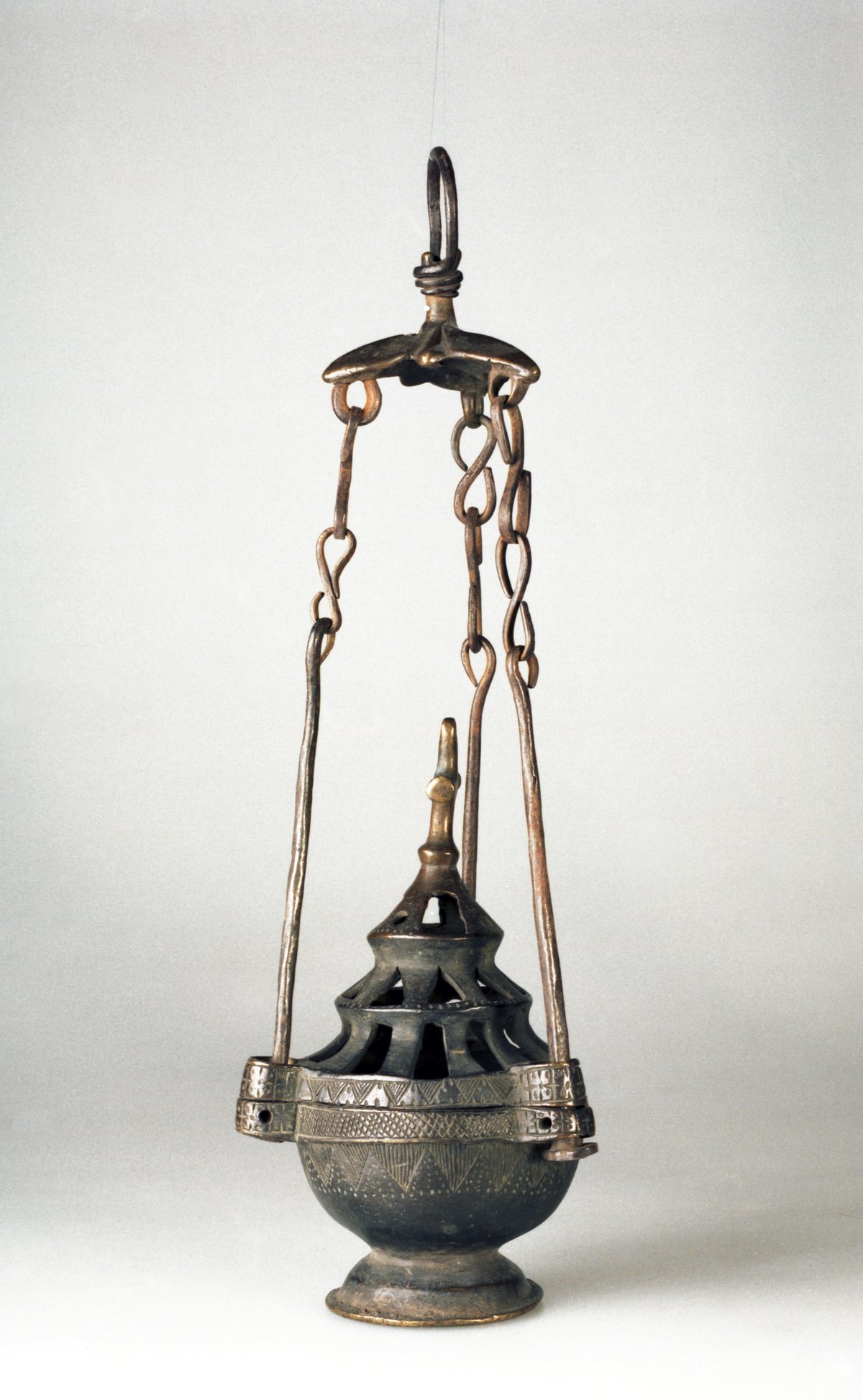
Museum of Cultural History
Place
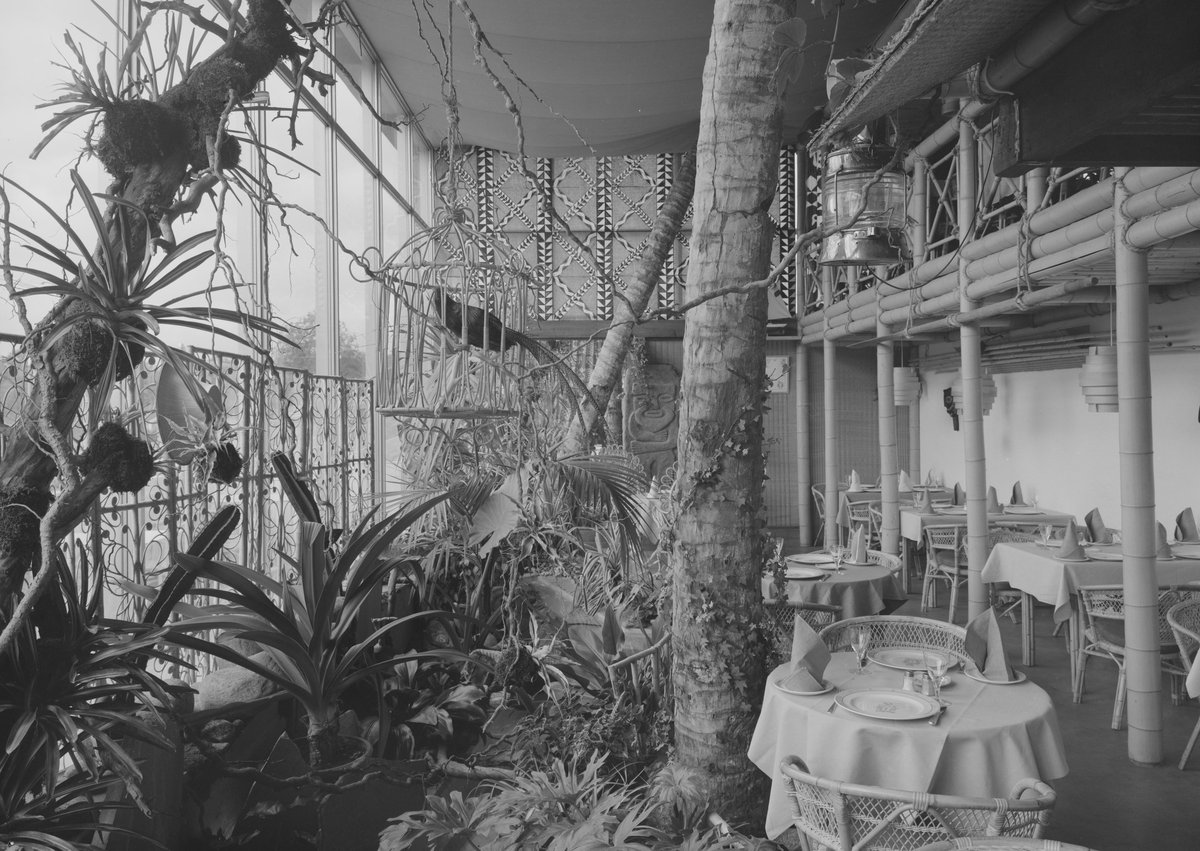
Kon-Tiki Museum
Place
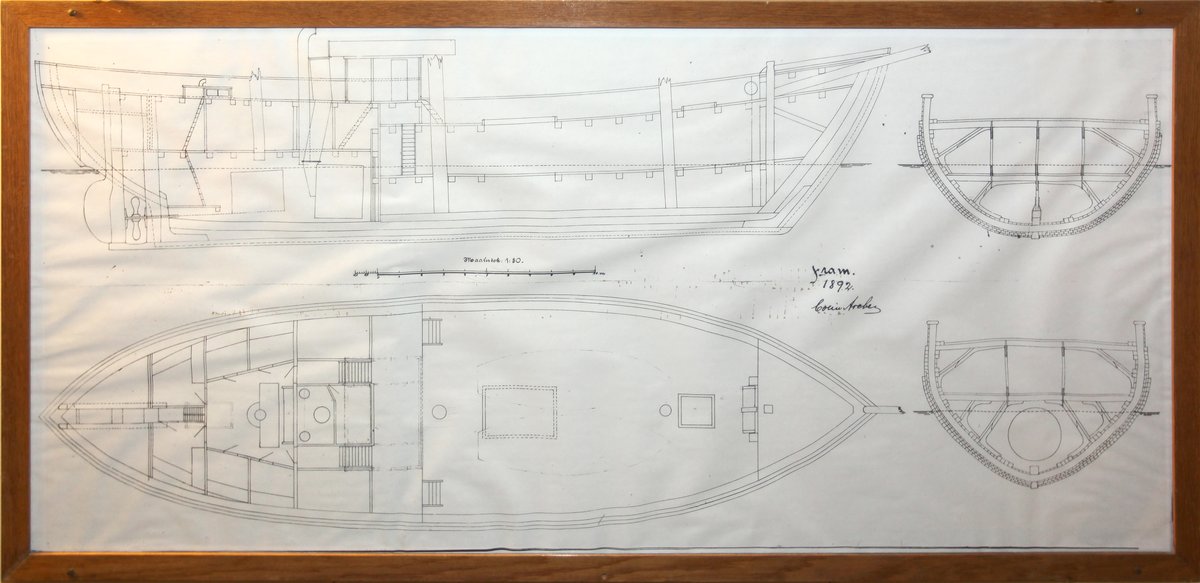
Fram Museum
Place
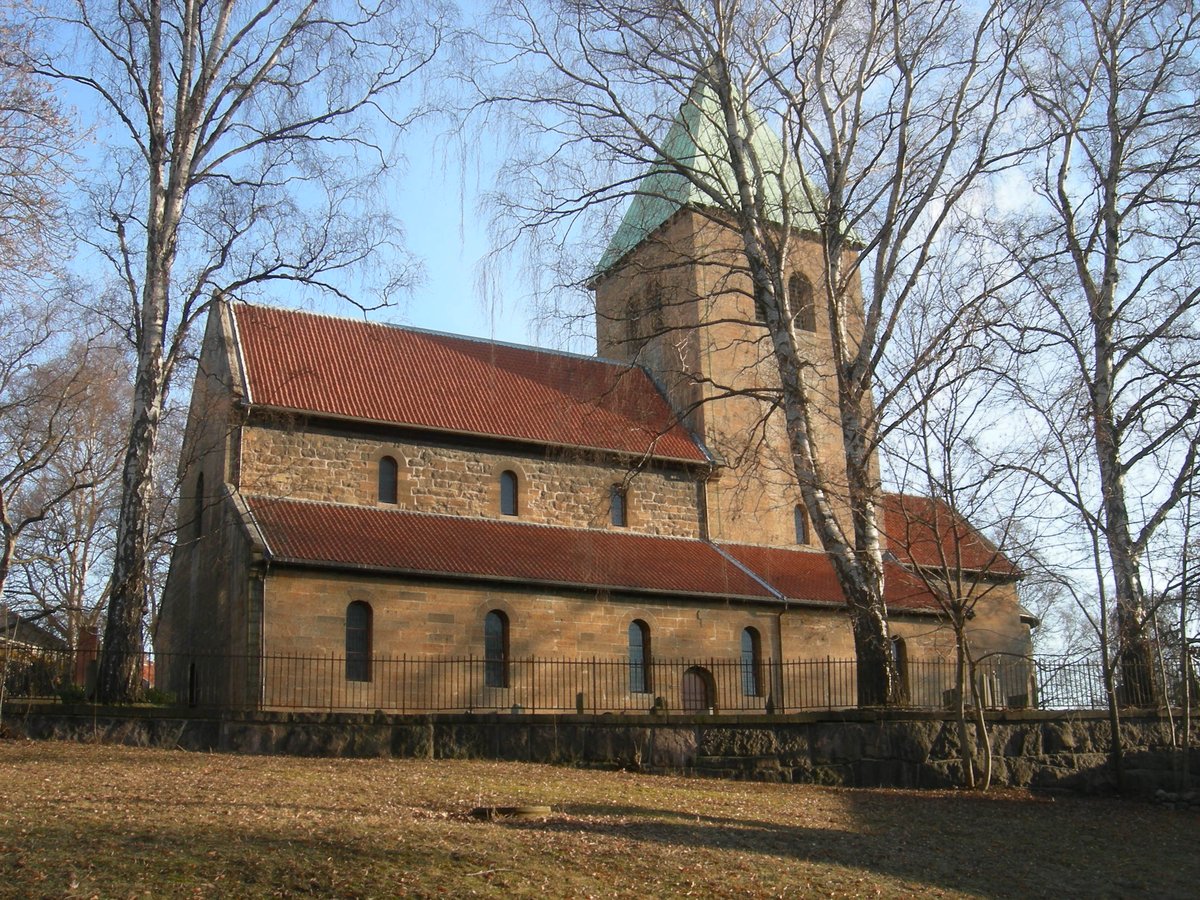
Old Aker Church
Place
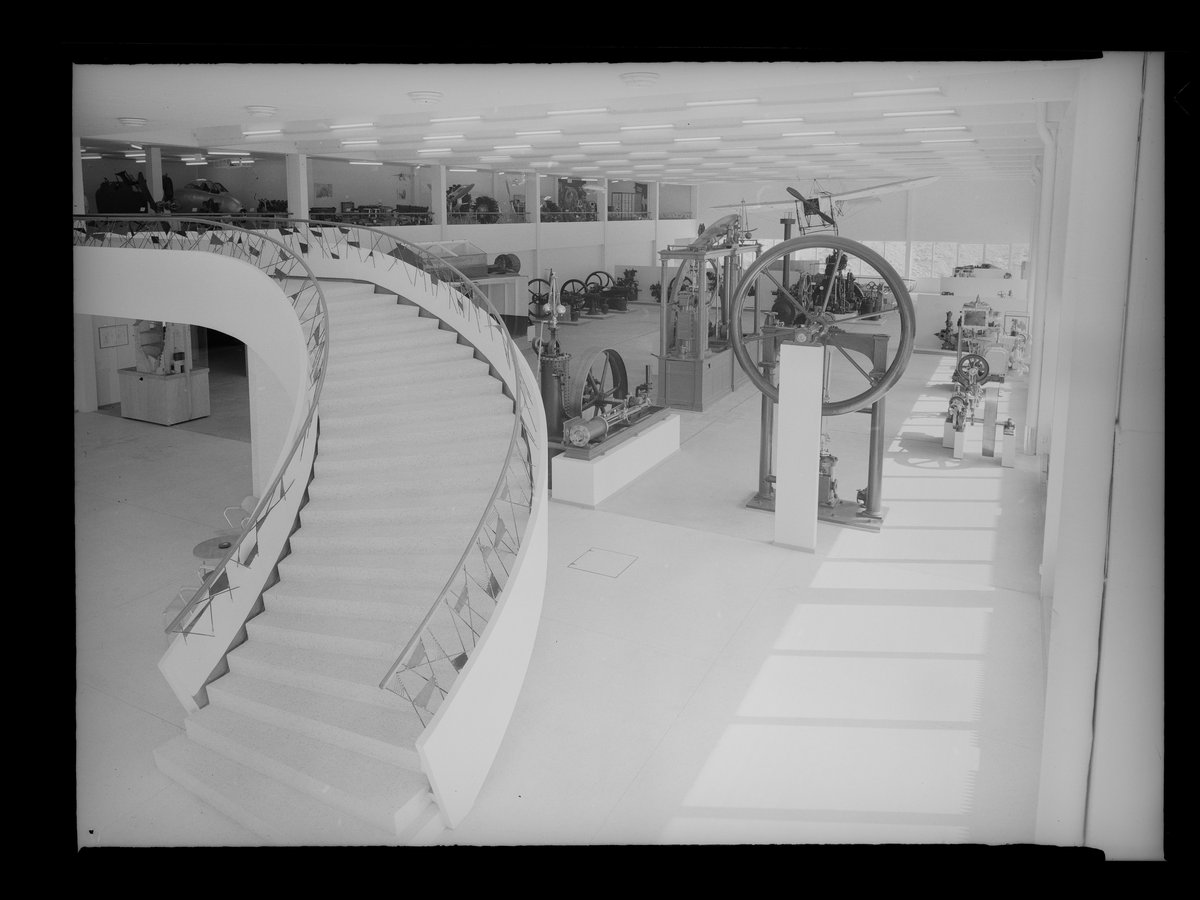
Norwegian Museum of Science and Technology
Place
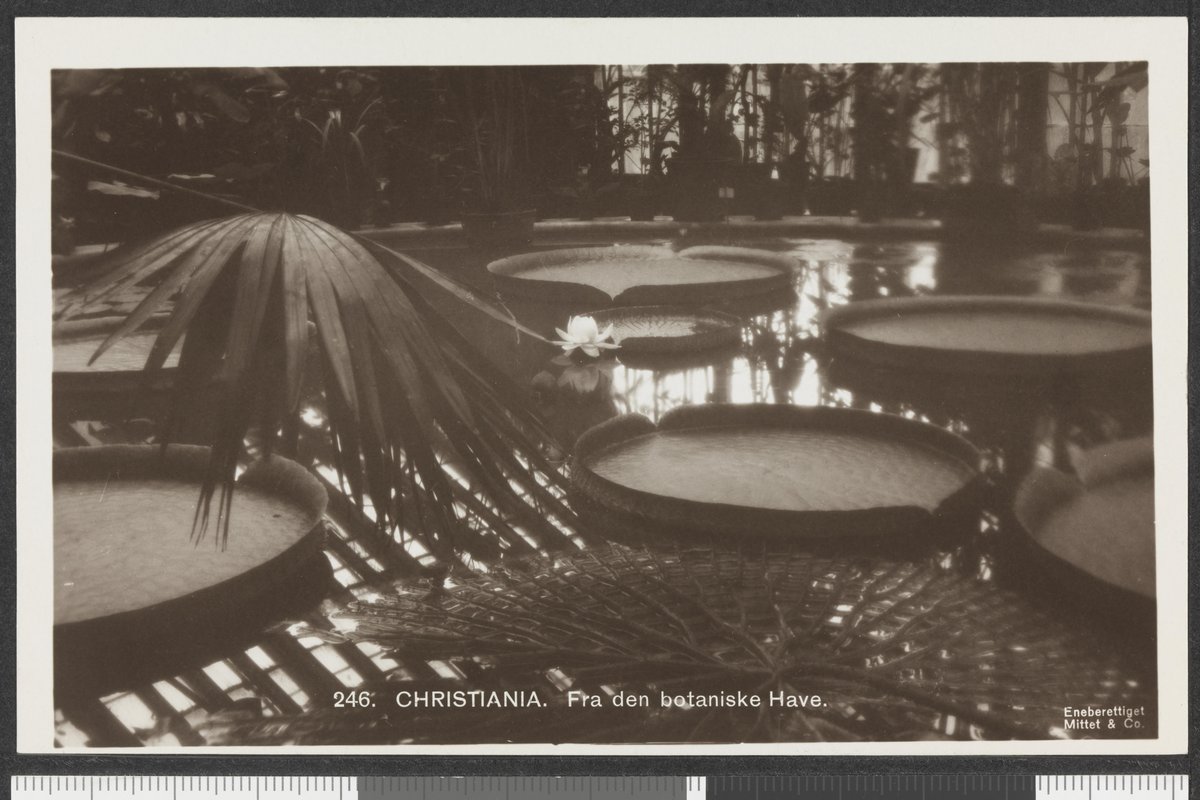
Oslo Botanical Garden
Place
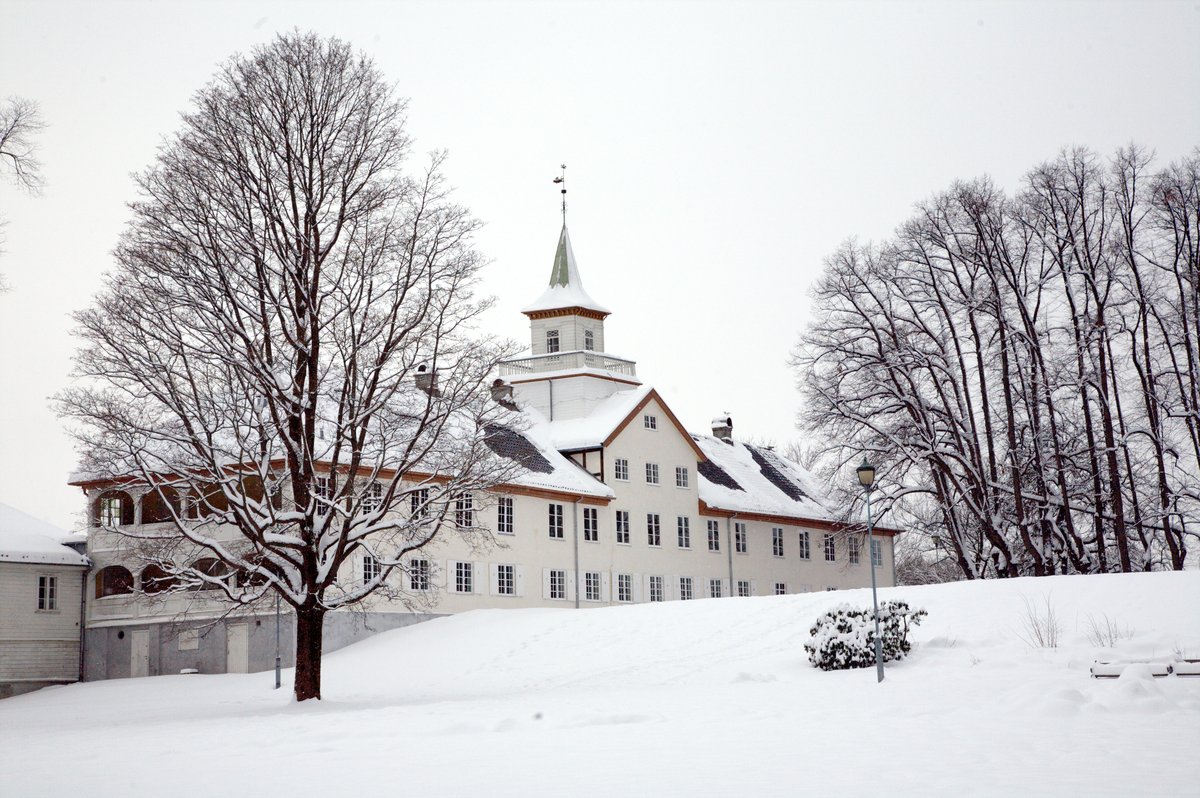
Oslo City Museum
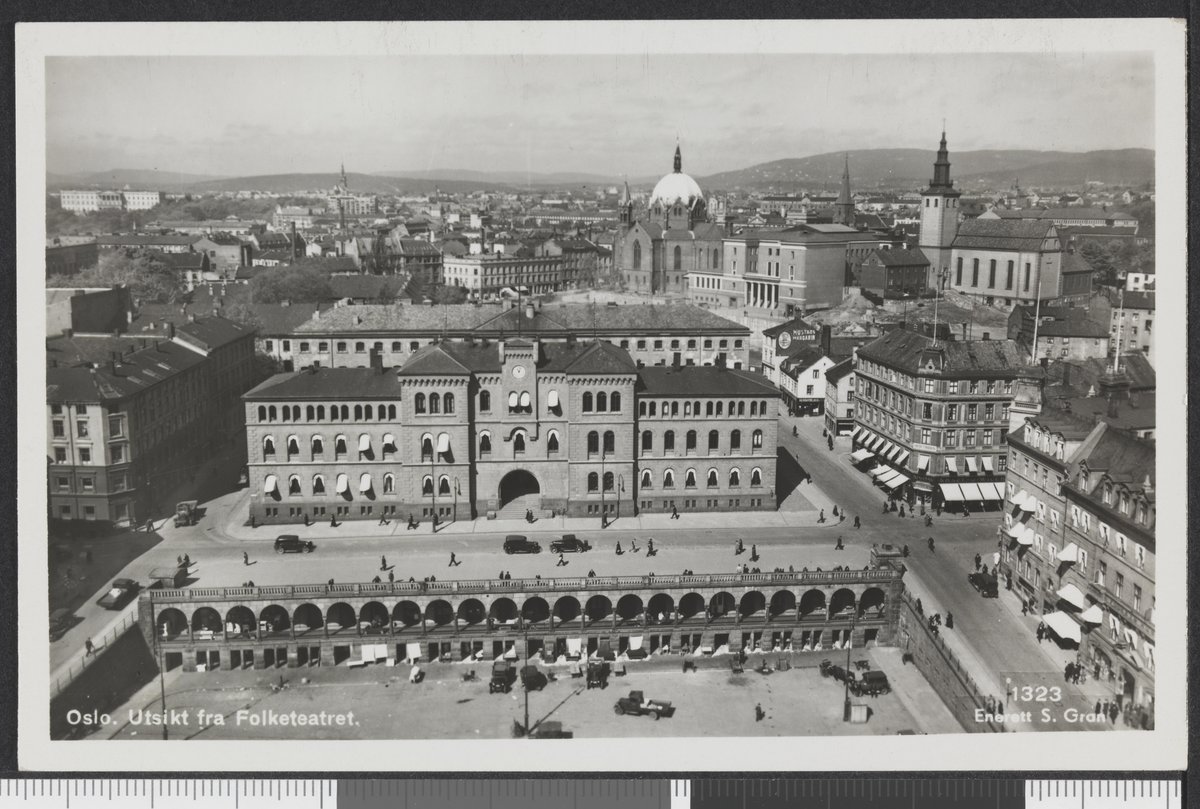
Place
Trinity Church
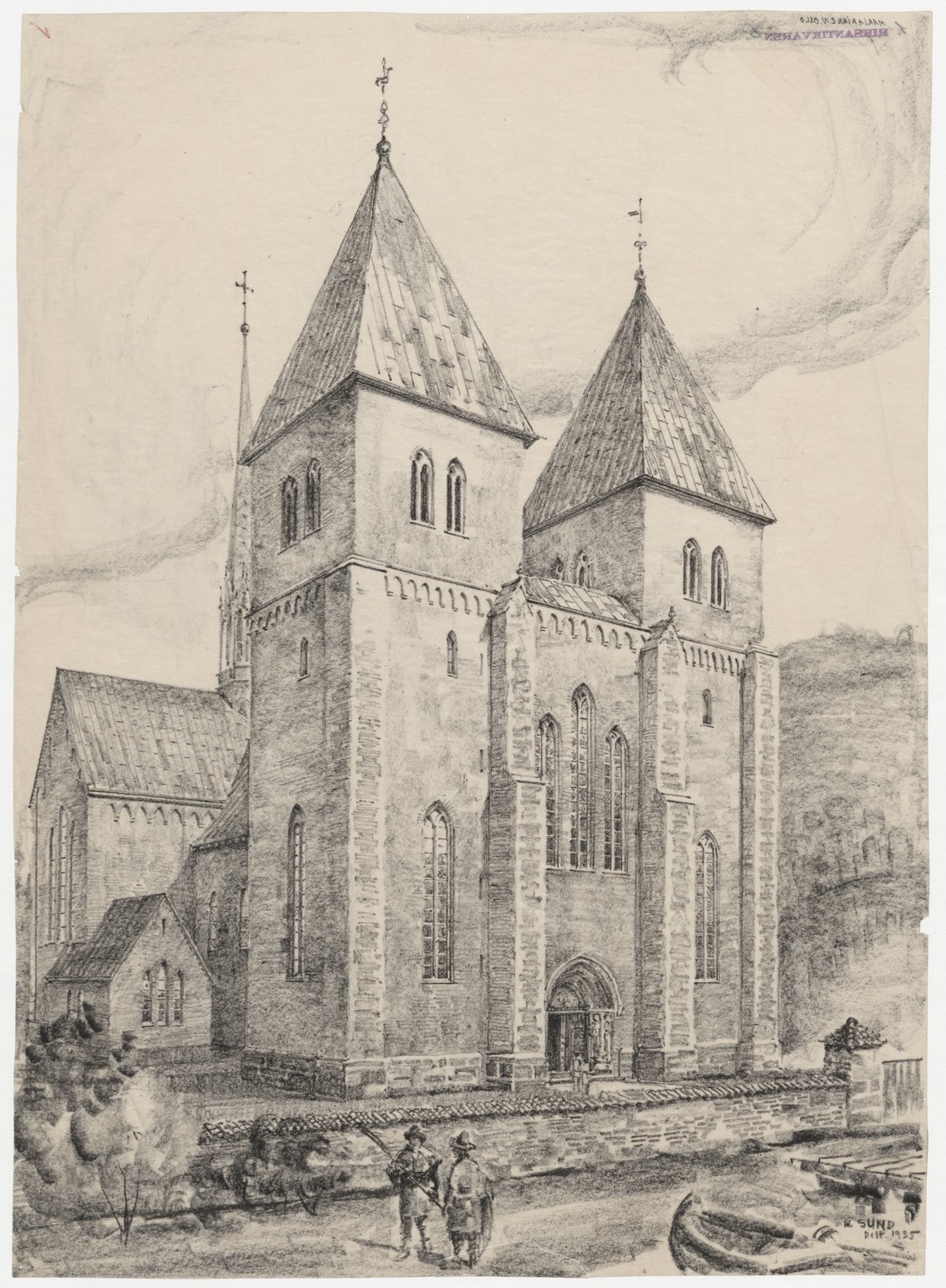
Place
St Mary'S Church
Place
Astrup Fearnley Museum of Modern Art
Place
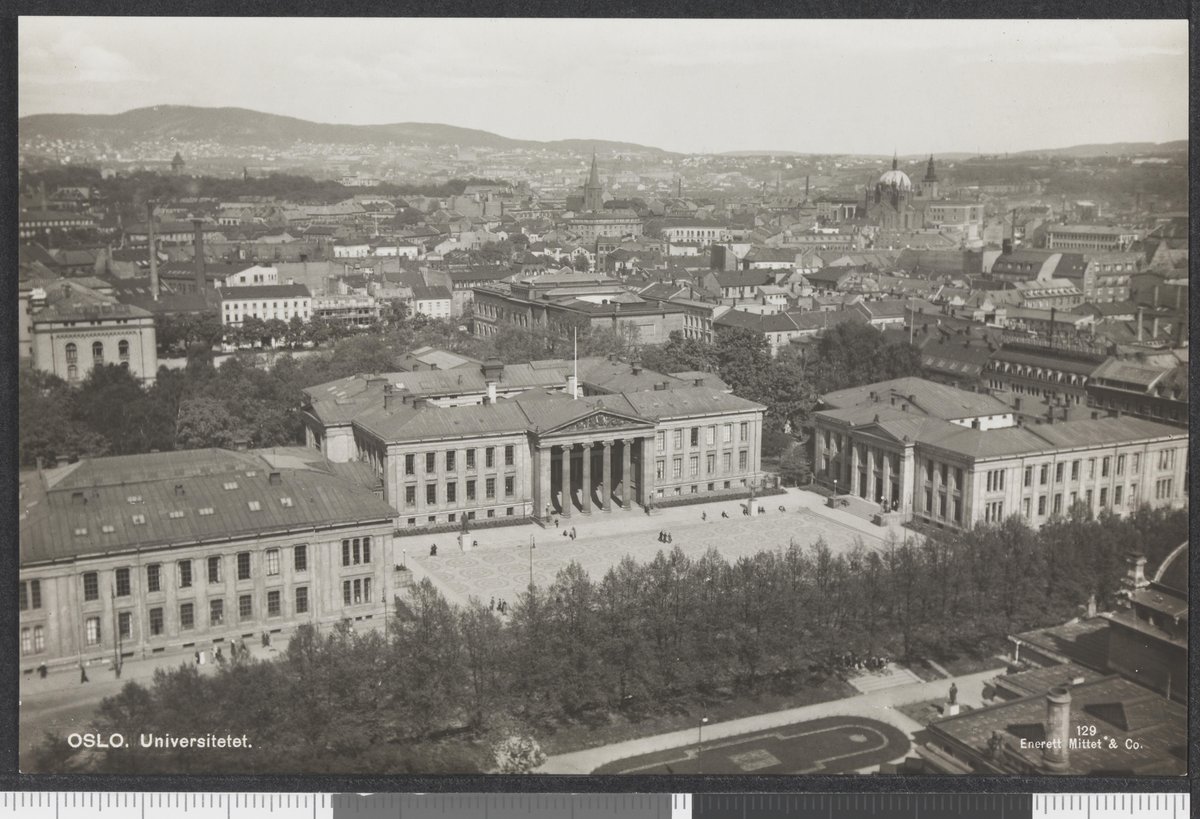
University of Oslo
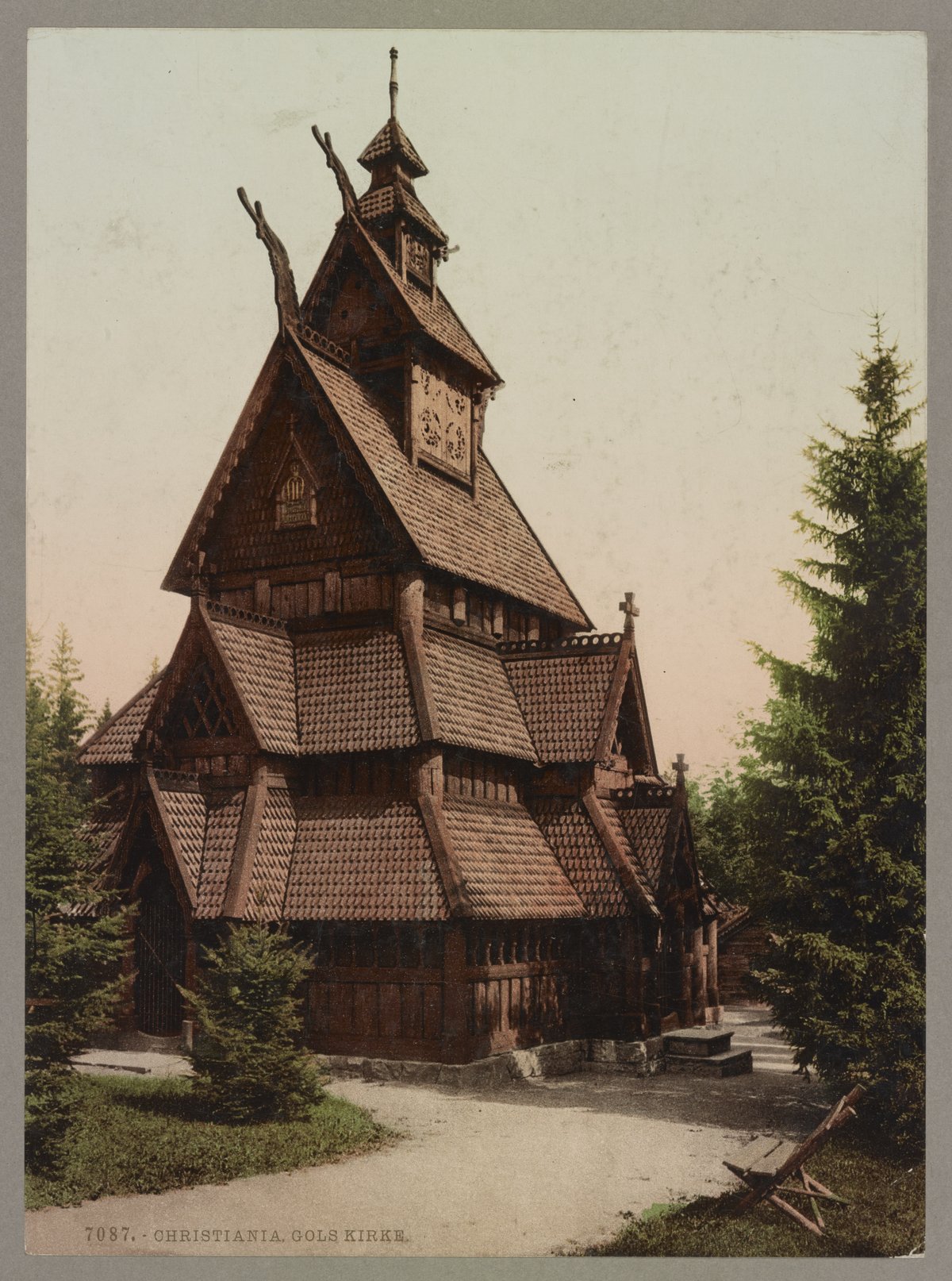
Place
Gol Stave Church
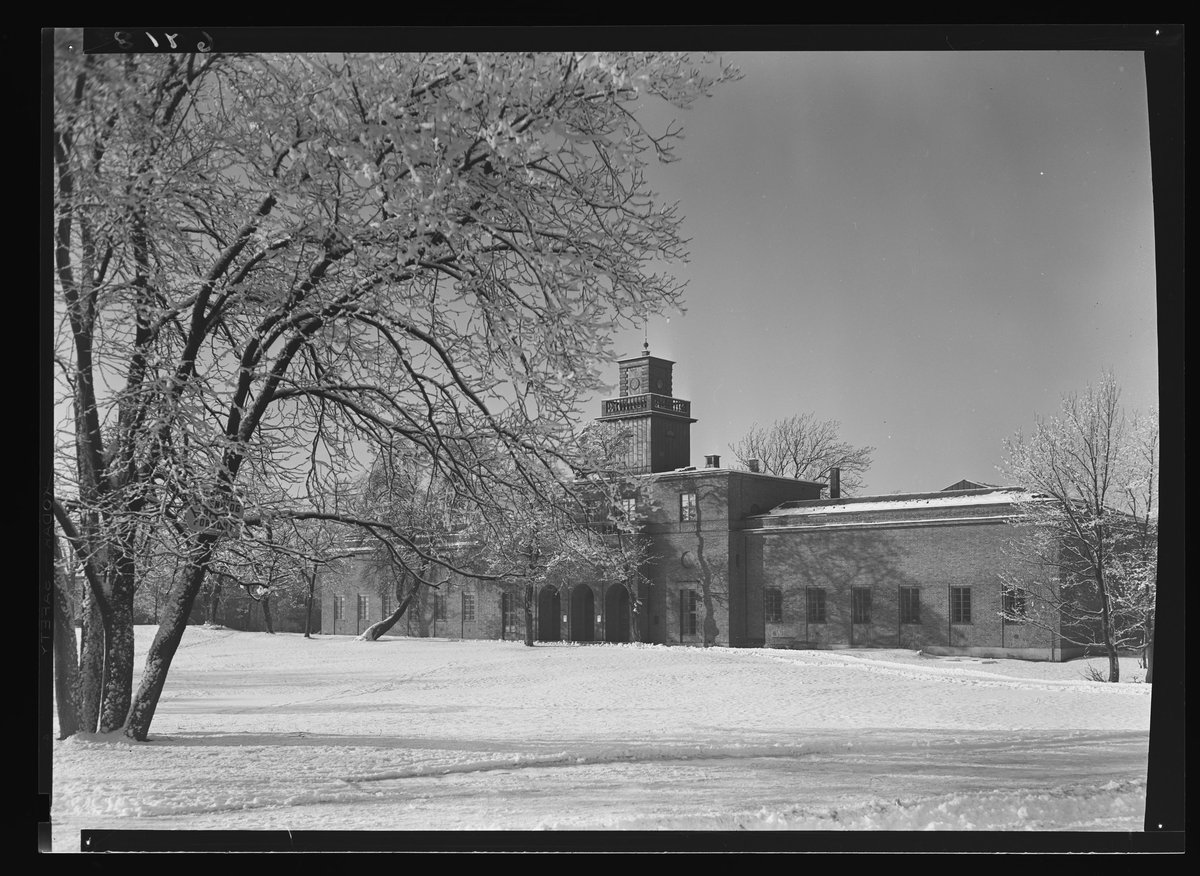
Place
Vigeland Museum
Place
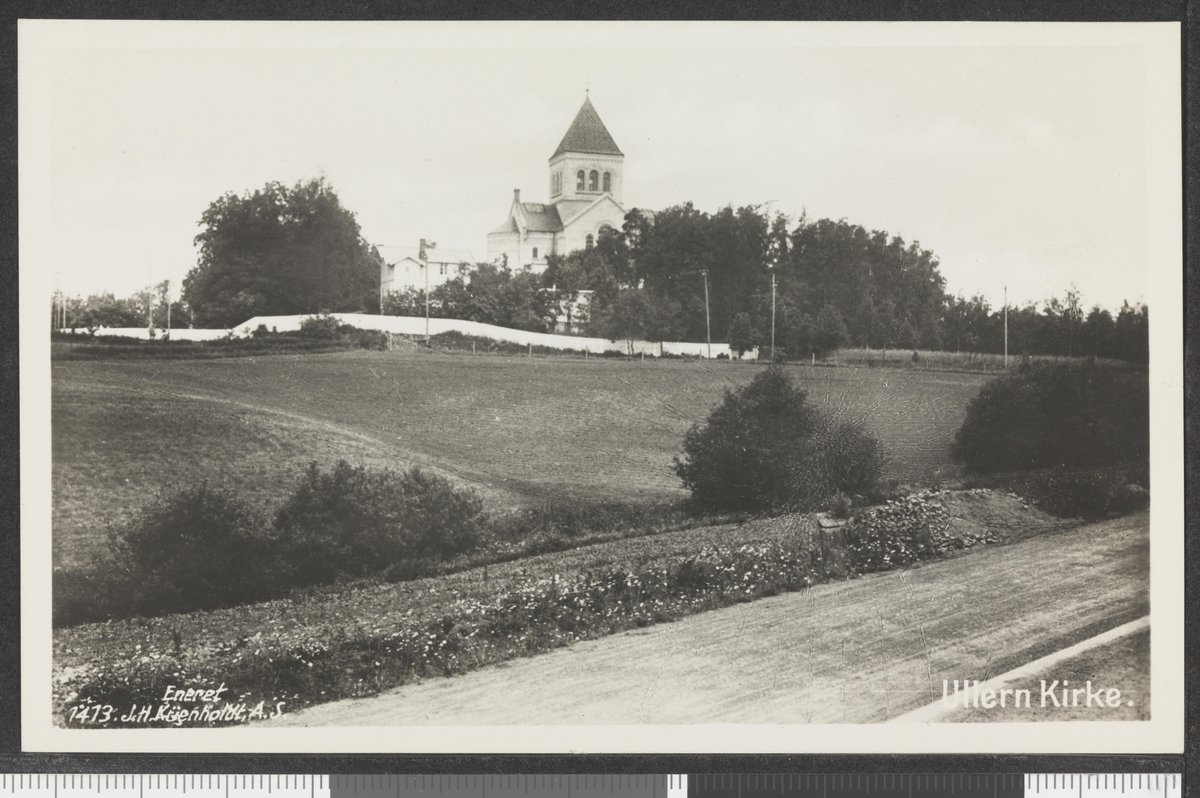
Ullern Church
Place
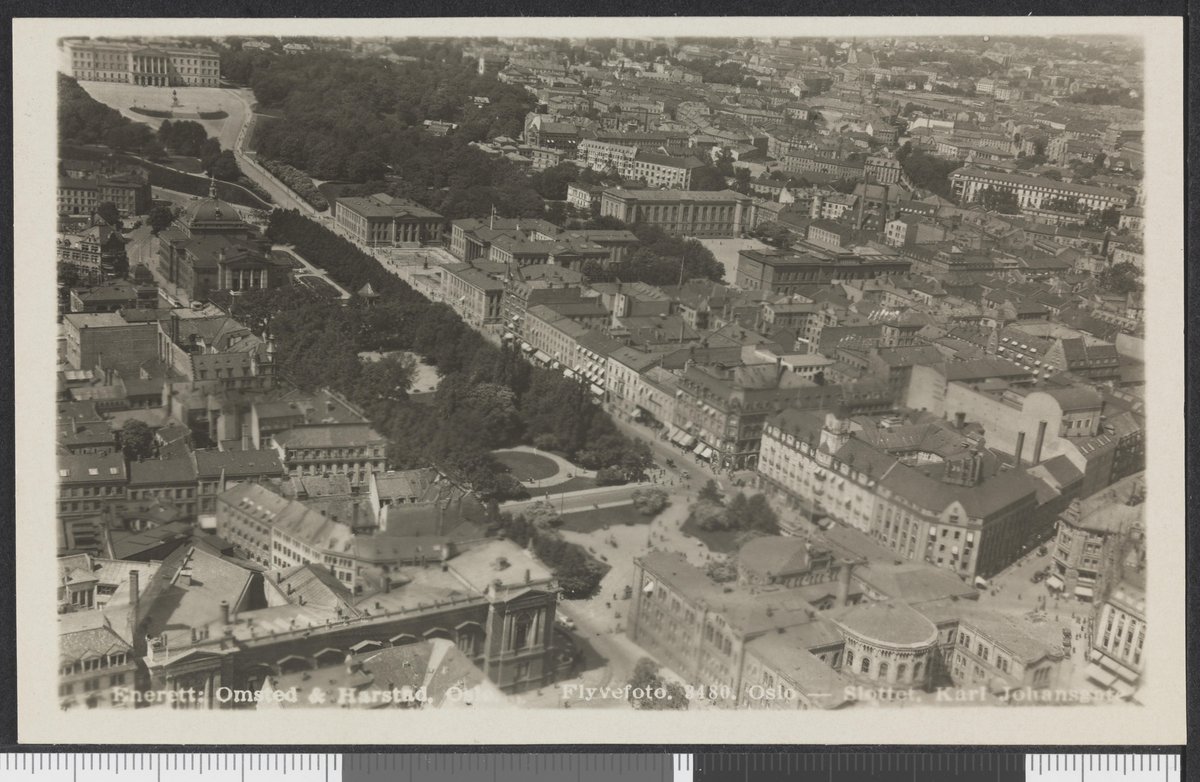
Historical Museum in Oslo
Place
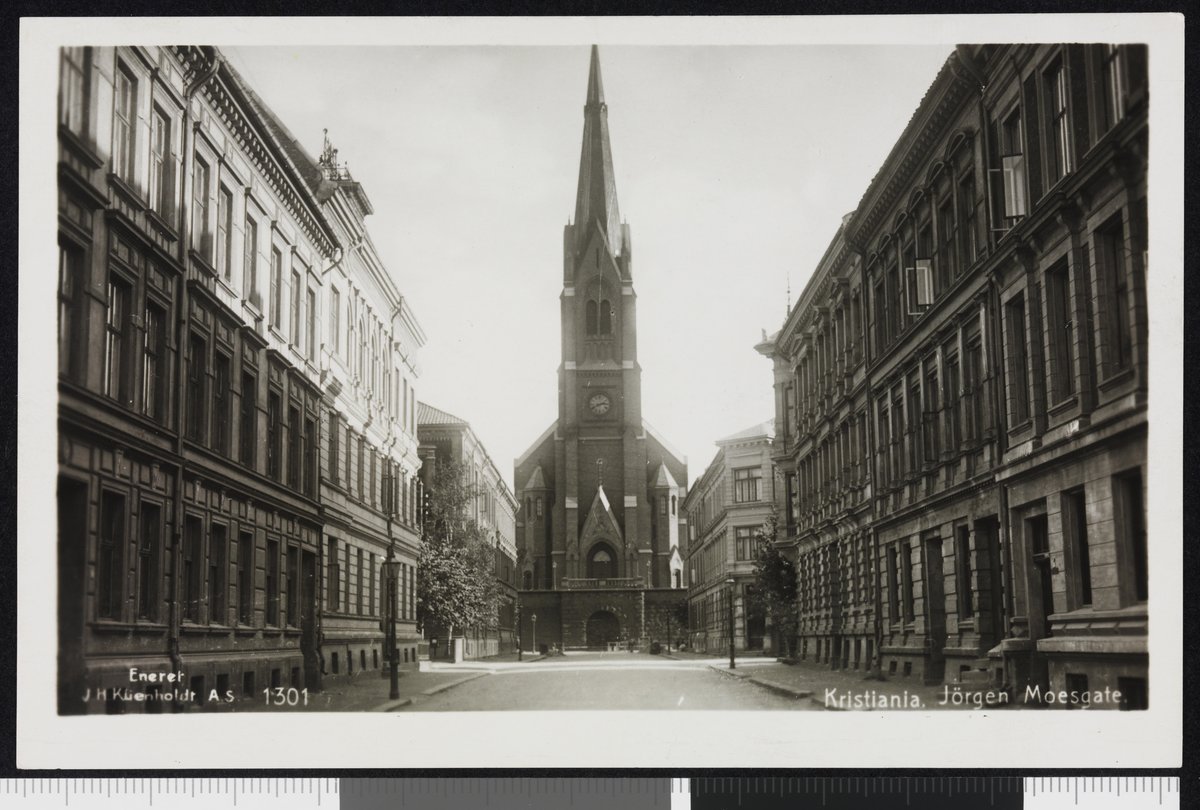
Uranienborg Church
Place
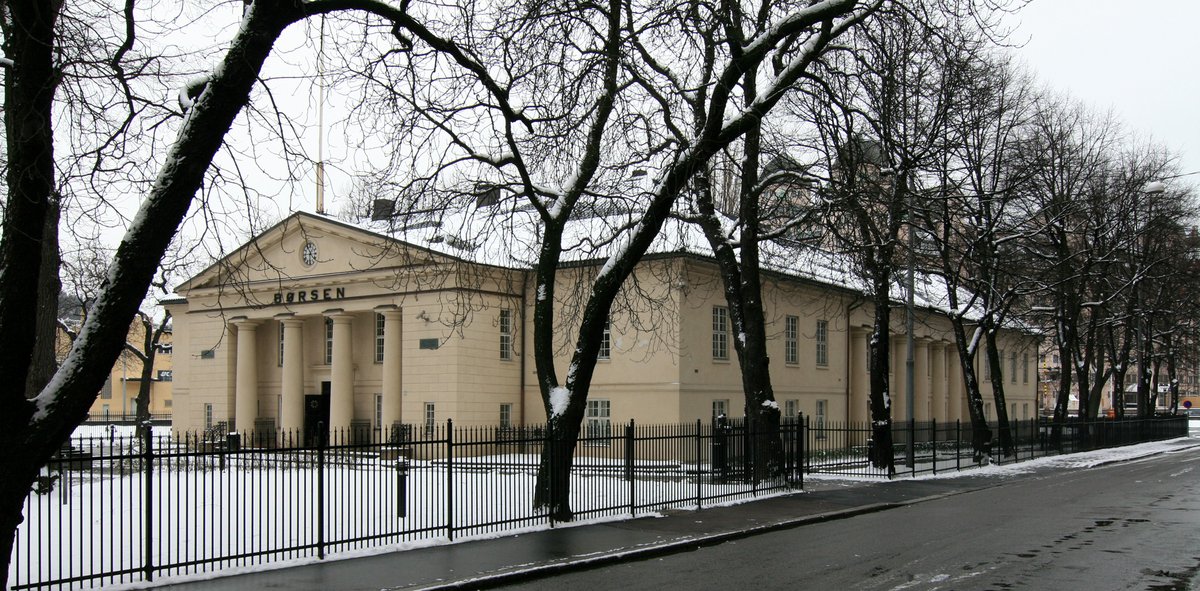
Oslo Stock Exchange
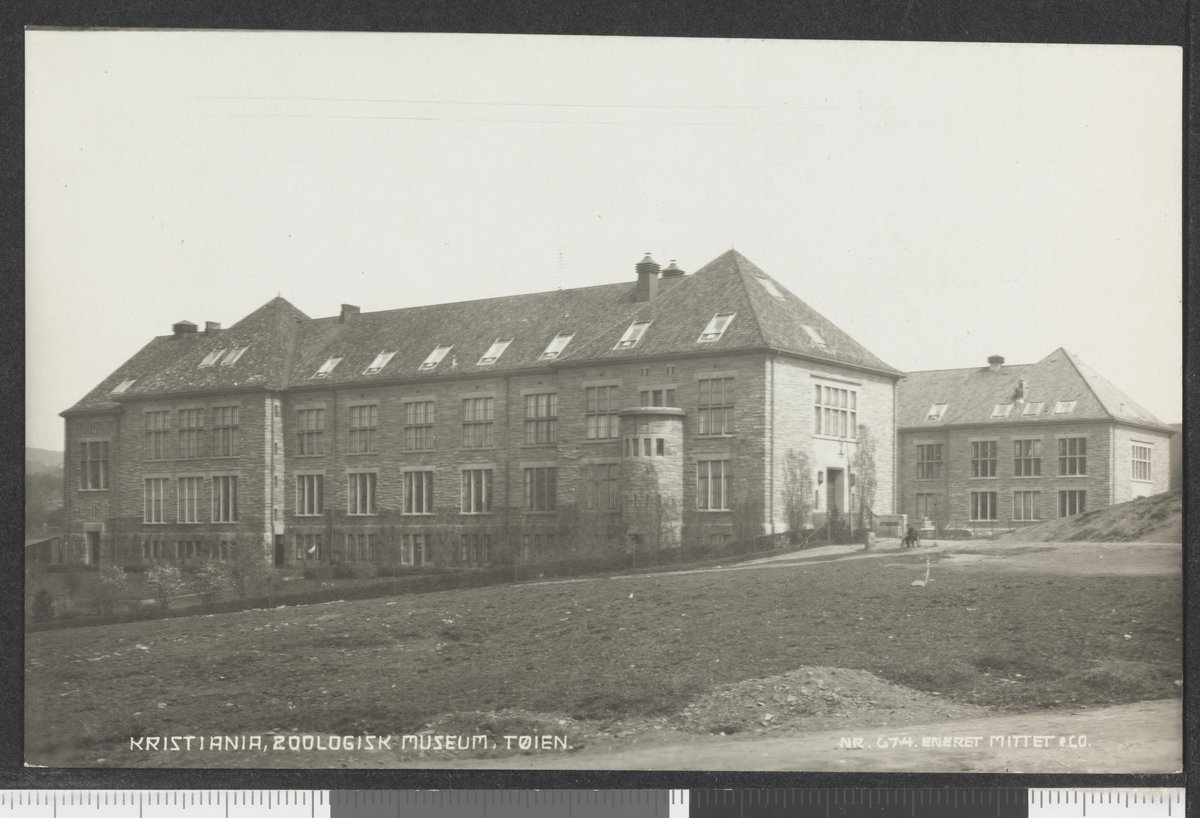
Place
Oslo Zoological Museum
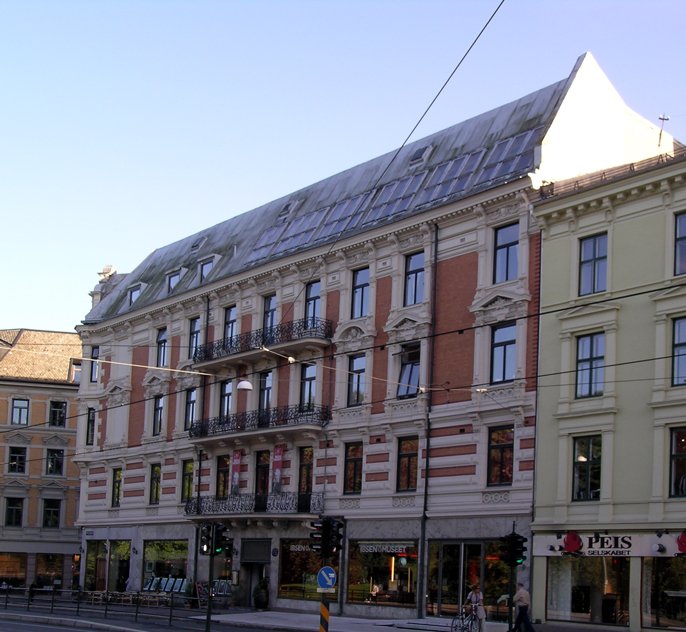
Place
Ibsen Museum
Place
Old Bishop'S Palace in Oslo
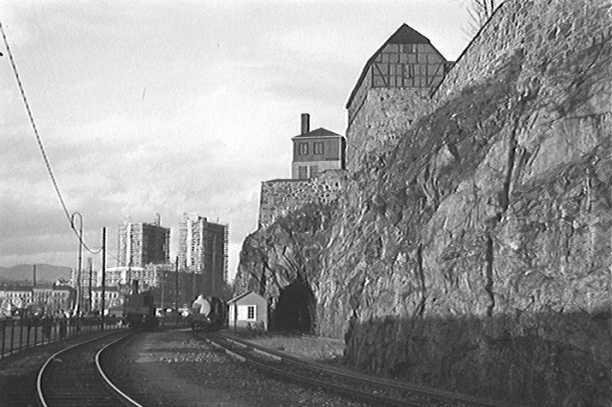
Place
Norway'S Resistance Museum
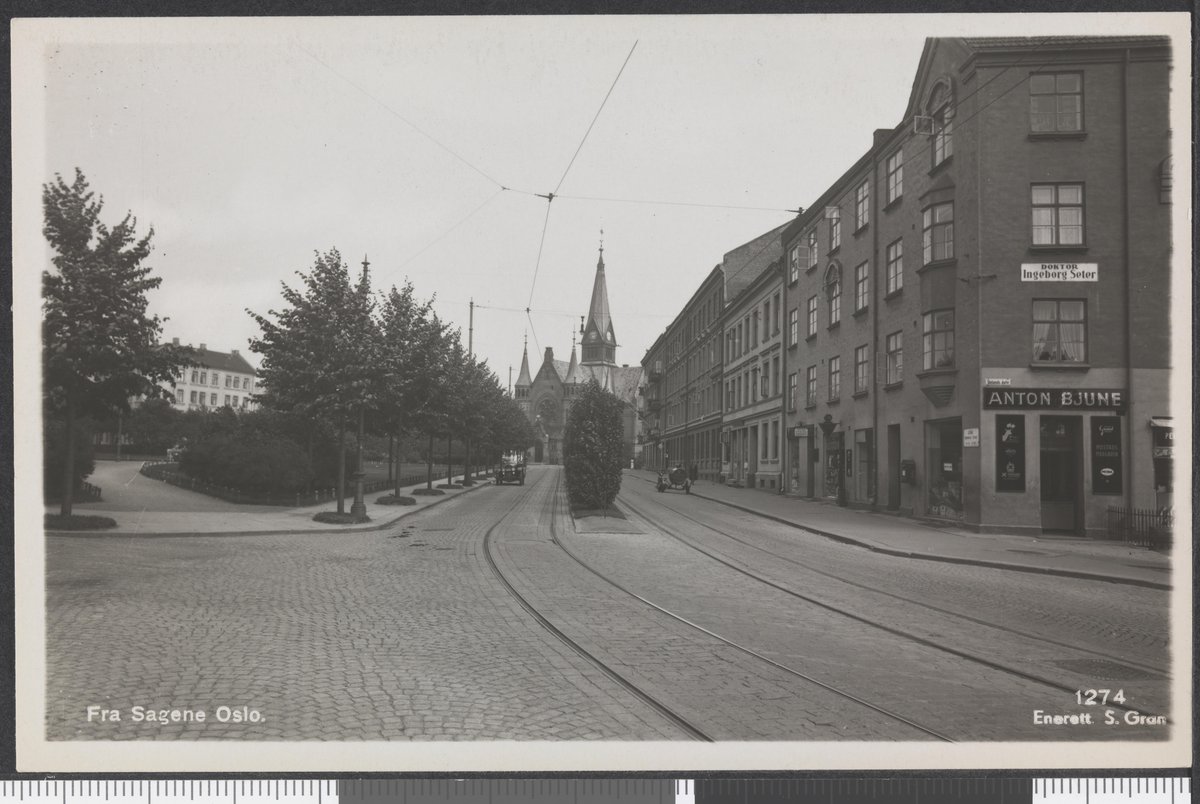
Place
Sagene Church
Place
Frogner Church
Place
Akershus Fortress
Place
St. Clement'S Church
Place
Oslo Skolemuseum
Place
Holmenkollen Ski Museum
Place
Bakkehaugen Church
Place
Kampen Church
Place
Lovisenberg Church
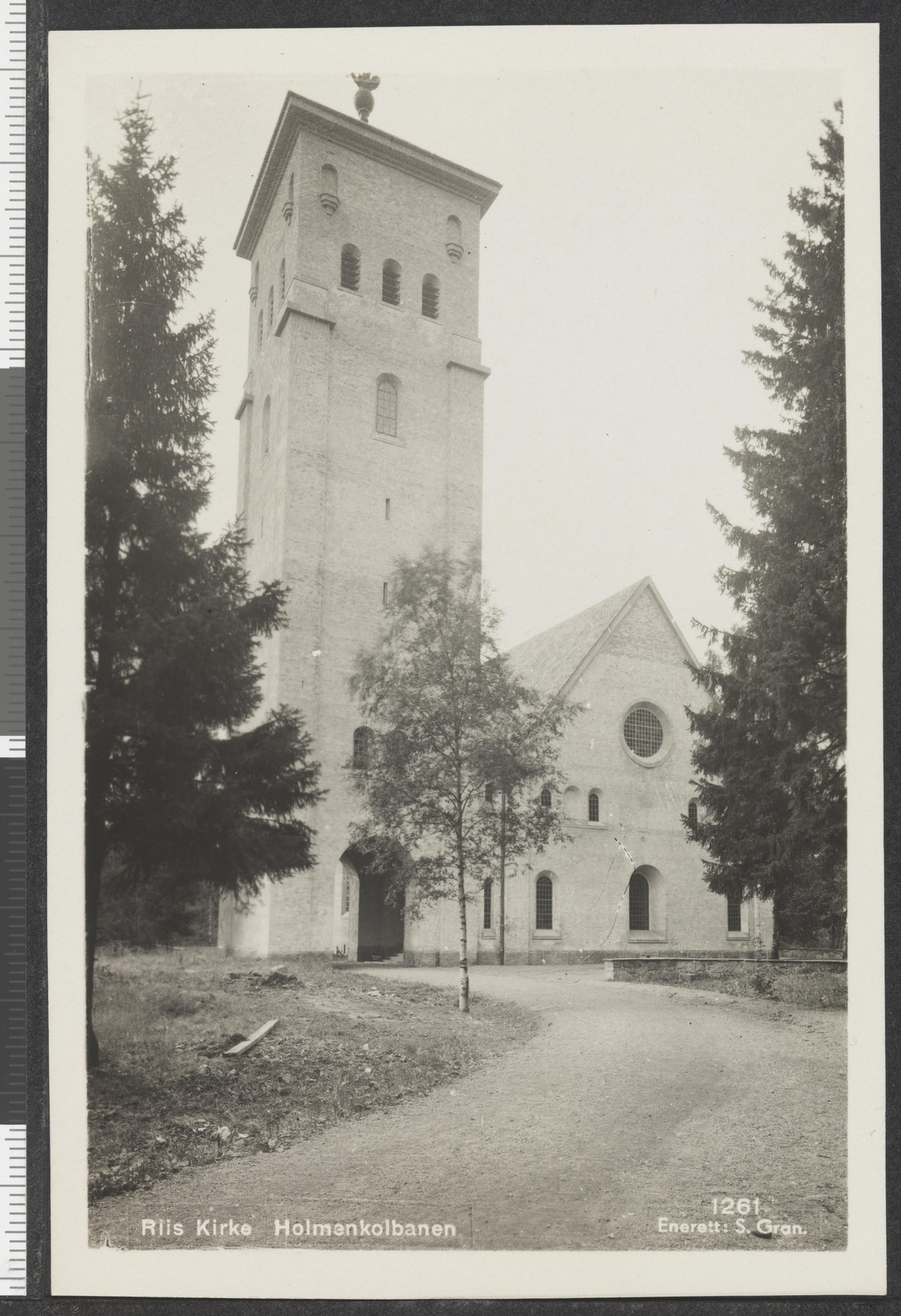
Place
Ris Church
Place
Fagerborg Church
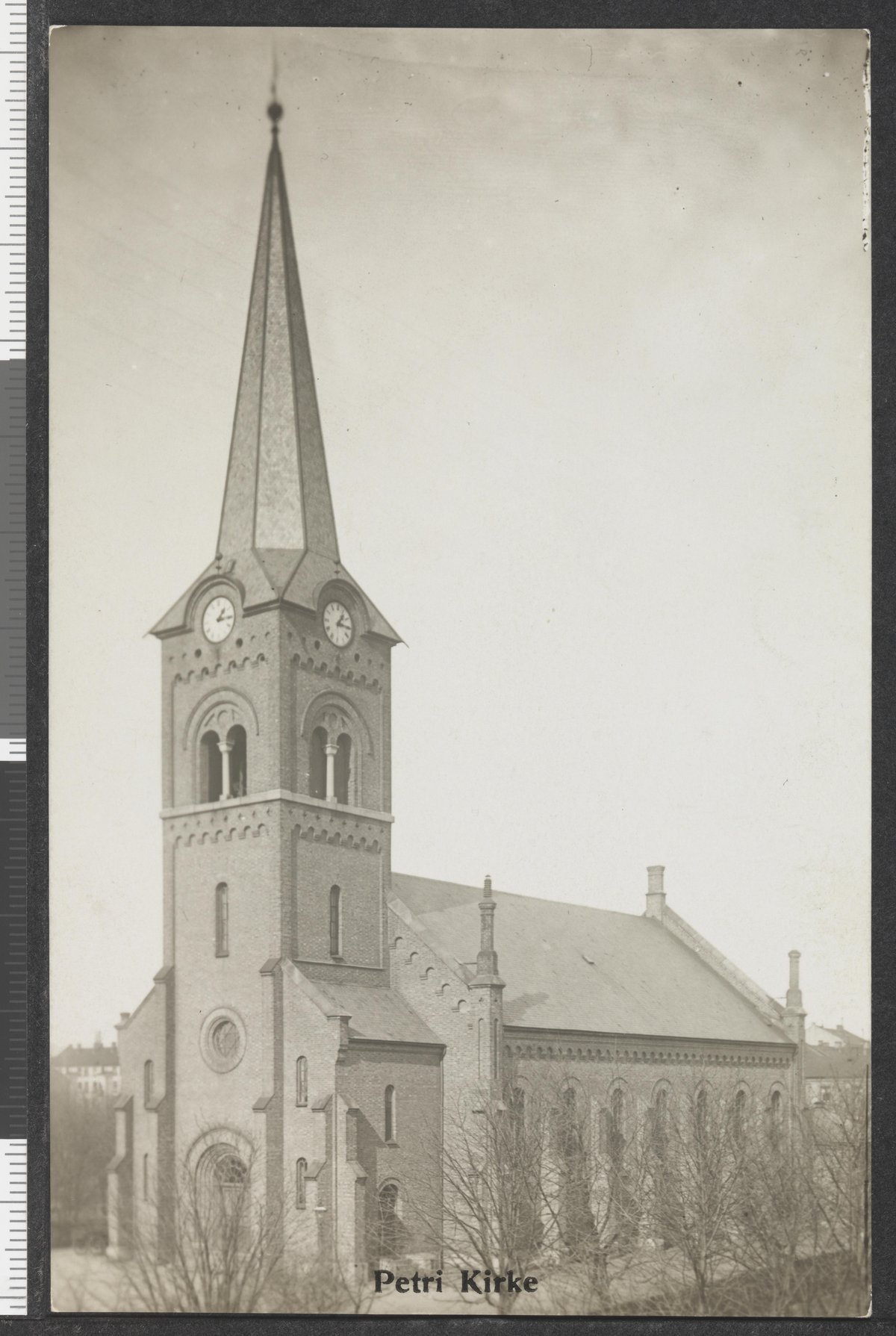
Place
Sofienberg Church
Place
Jewish Museum in Oslo

Place
Østre Aker Church
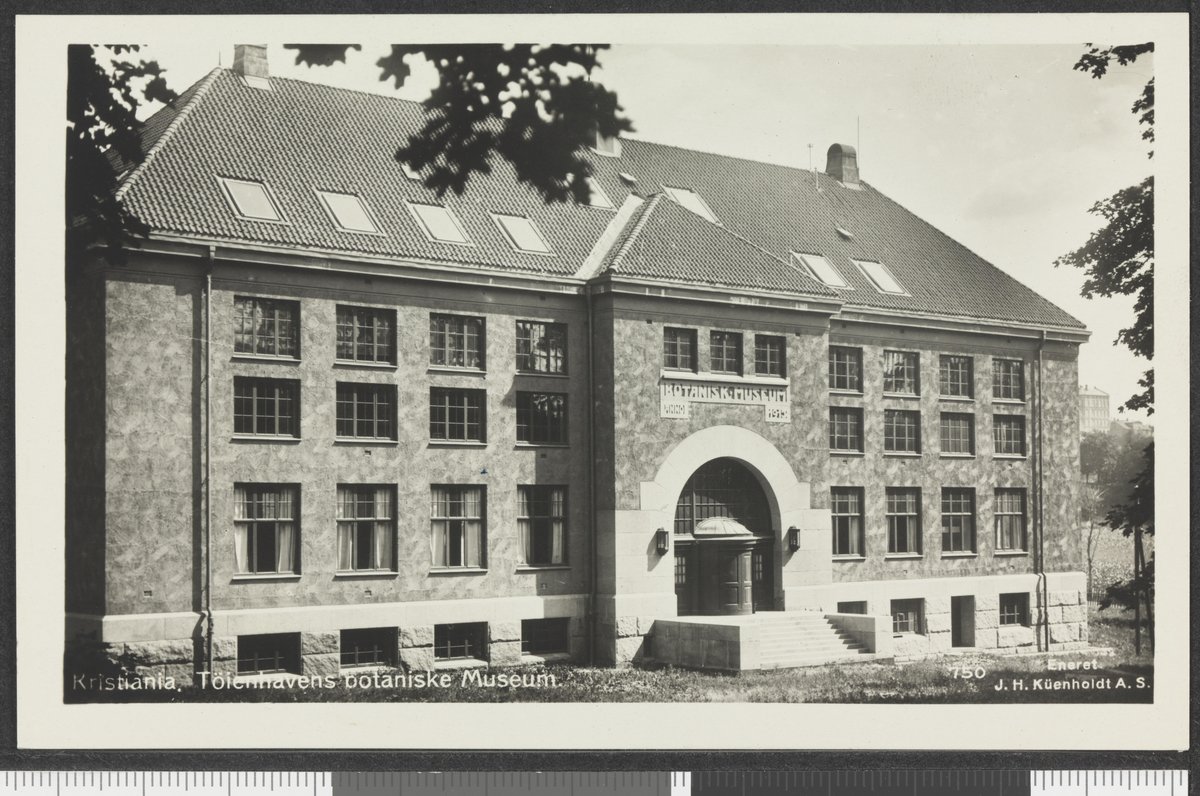
Place
Oslo Botanical Museum
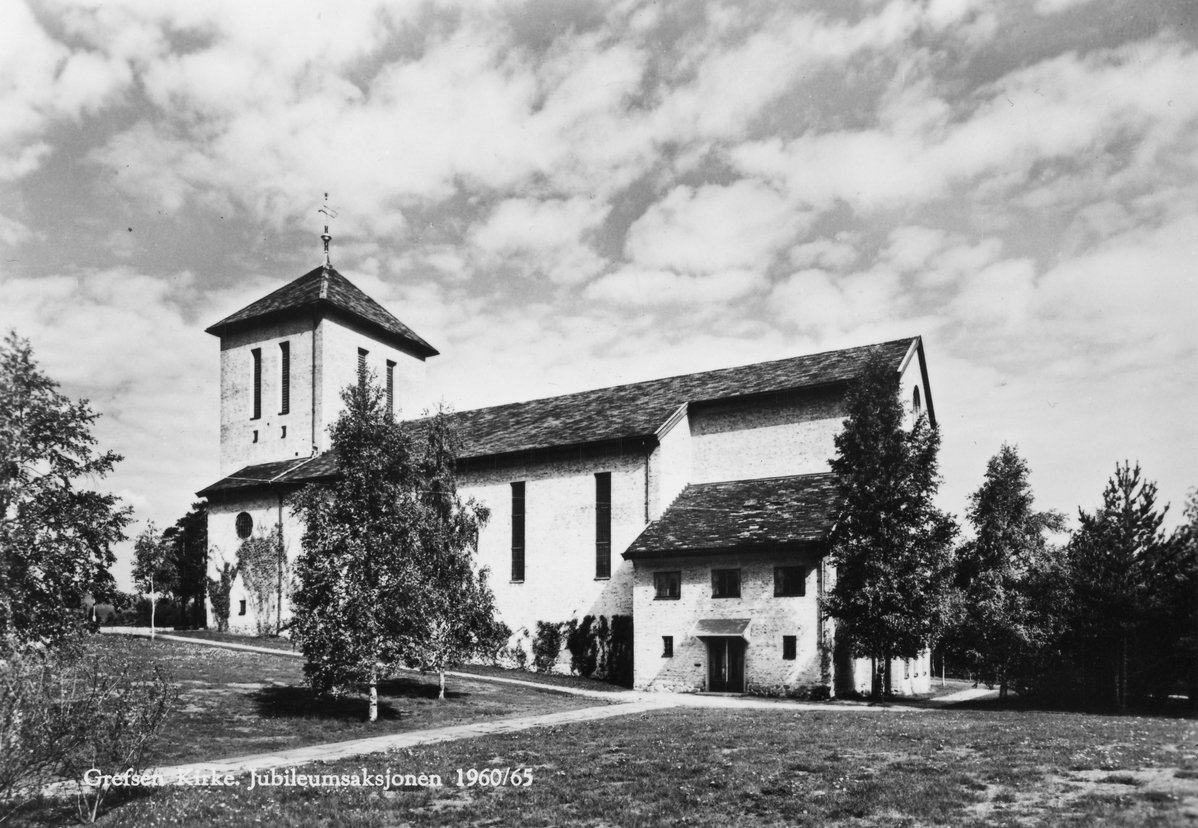
Place
Grefsen Church
Showing 1–48 of 122 places
Pick up where you left off
Saved and recently read places — kept on this device only.
Photo credits (11)
- Nils R — Pexels License (https://www.pexels.com/license/) — Source: https://www.pexels.com/photo/24024574/
- Dua'a Al-Amad — Pexels License (https://www.pexels.com/license/) — Source: https://www.pexels.com/photo/33068142/
- Naren Yogarajah — Pexels License (https://www.pexels.com/license/) — Source: https://www.pexels.com/photo/9993243/
- Jess Chen — Pexels License (https://www.pexels.com/license/) — Source: https://www.pexels.com/photo/32991341/
- Piotrek Wilk — Pexels License (https://www.pexels.com/license/) — Source: https://www.pexels.com/photo/18170373/
- Dua'a Al-Amad — Pexels License (https://www.pexels.com/license/) — Source: https://www.pexels.com/photo/33068140/
- Cody Whear — Pexels License (https://www.pexels.com/license/) — Source: https://www.pexels.com/photo/24259644/
- Tobias Bjørkli — Pexels License (https://www.pexels.com/license/) — Source: https://www.pexels.com/photo/2360666/
- Boris K. — Pexels License (https://www.pexels.com/license/) — Source: https://www.pexels.com/photo/5683079/
- Ramon Perucho — Pexels License (https://www.pexels.com/license/) — Source: https://www.pexels.com/photo/19107857/
- Cody Whear — Pexels License (https://www.pexels.com/license/) — Source: https://www.pexels.com/photo/24259645/
Photos may have been resized or cropped.