
Guide dated 18/07/2024.
Located in Osaka, Japan, Tsurumi Ryokuchi Park is an urban green space with gardens, walking trails, recreational activities and cultural experiences. Once a landfill, it was transformed into a green oasis and later gained international recognition as the host of Expo '90. The park offers something for nature enthusiasts, families and cultural explorers, and has activities for visitors of all ages. Discover Tsurumi Ryokuchi Park
History and Cultural Significance
The park’s history dates to the 1970s. Osaka’s rapid post-war industrial growth produced a surge in waste, and the shores of Osaka Bay became a dumping ground. As the environmental impact became apparent, a sustainable solution was sought.
In 1972, the Osaka Prefecture conceived the idea of turning the wasteland into a green space as part of a broader environmental improvement initiative. The transformation took more than a decade: tons of waste were treated and covered with layers of soil, followed by extensive planting and landscaping. The former landfill became the park it is today.
Tsurumi Ryokuchi Park gained international prominence when it hosted the International Garden and Greenery Exposition, known as Expo '90. The world fair’s theme, “The Harmonious Coexistence of Nature and Mankind,” brought together gardens and greenery from around the world and promoted environmental awareness and international cooperation.
What to See and Do
The park has landscaped gardens, serene ponds and scenic walking trails, with many picturesque spots for photography. Its natural beauty and recreational activities make it a place to explore throughout the year.
Seasonal highlights
- Spring (March–May) See cherry blossoms in bloom, particularly around Flower Valley. Spring is also one of the recommended seasons to visit for its pleasant weather.
- Summer (June–August) Enjoy summer flowers and the refreshing spray of the park’s fountains.
- Autumn (September–November) See foliage in shades of red and gold. Autumn is also recommended for its pleasant weather.
- Winter (December–February) Find quiet among the winter landscapes, with plum blossoms offering a prelude to spring.
Events and guided tours
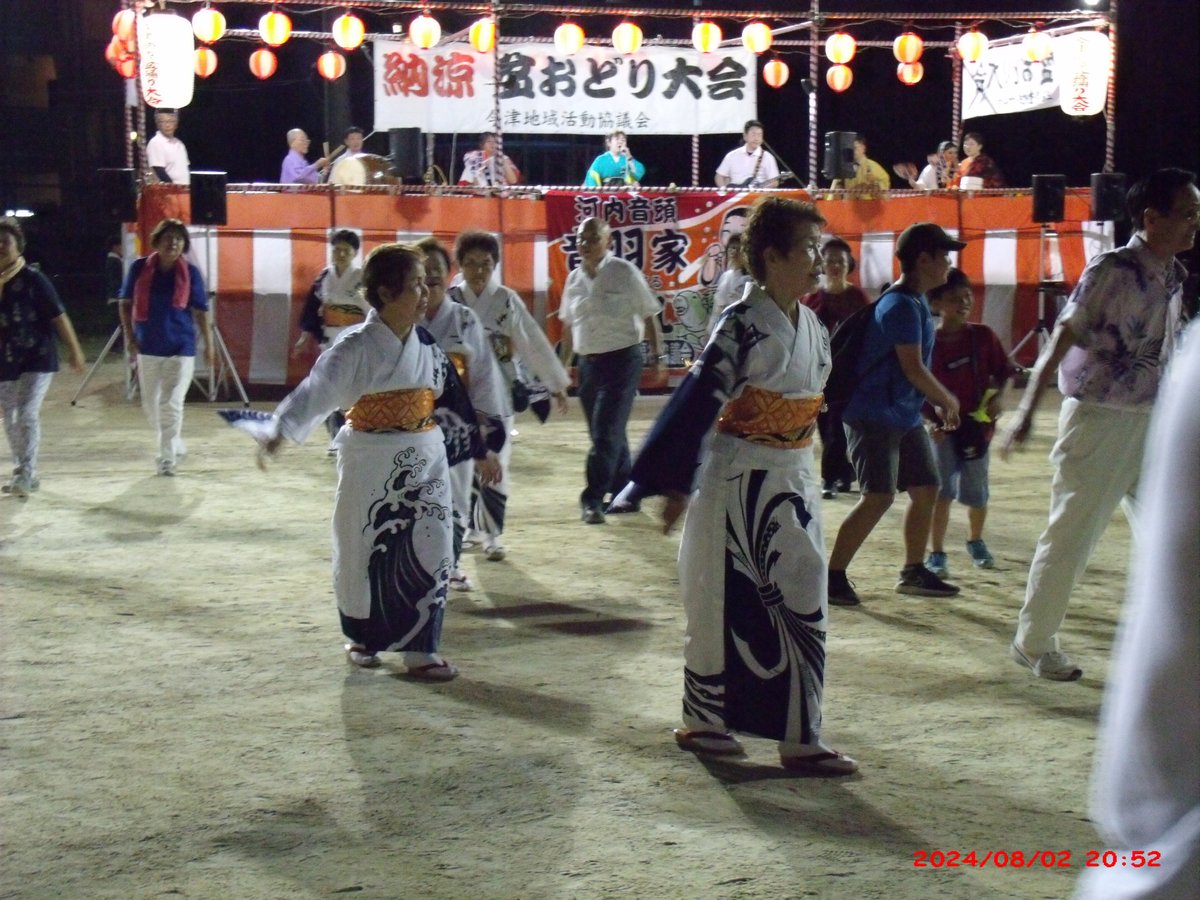
Events take place throughout the year, including seasonal flower festivals, cultural performances and environmental workshops. Check the park’s event calendar on its official website or local event listings for updates.
Guided tours are available for visitors interested in the park’s history, flora, fauna and environmental initiatives. Check the official website for tour schedules and booking information.
Practical Visiting Information
Hours and admission
The park is open daily from 9 AM to 5 PM. It also has extended hours during special events; check the official website for changes during holidays and special events.
Entry to the park is free, though some attractions may have separate admission fees. Consult the park’s official website for details.
Getting there and around
The park is accessible by Osaka Metro and JR lines. The nearest station is Tsurumi-ryokuchi on the Nagahori Tsurumi-ryokuchi Line, also referred to as Tsurumi-Ryokuchi Station on the Osaka Metro Nagahori Tsurumi-ryokuchi Line. The park’s main entrance is a short walk from the station.
By car, visitors can use the park’s multiple parking lots. Parking fees may apply.
The park is extensive. Visitors can explore on foot or cover more ground with rental bicycles near the main gate. A loop bus service operates within the park and connects major attractions.
Accessibility
The park has wheelchair-friendly paths, accessible restrooms and seating areas. Consult the park’s official website for detailed accessibility information.
Food and drinks
Picnicking is welcome. Designated areas have tables and benches, and restaurants and cafes around the park offer a variety of cuisines and refreshments. Vending machines dispense drinks and snacks.
Visitor Tips
- Plan your itinerary in advance and prioritise the attractions you want to see, as the park is large.
- Wear comfortable shoes and dress in weather-appropriate layers; temperatures can fluctuate during the day, especially in spring and autumn.
- Bring sunscreen, a hat and sunglasses, particularly during warmer months.
- Mosquitoes and other insects may be present, especially in the evenings and near water, so consider bringing insect repellent.
- Bring a picnic blanket to enjoy the park’s spacious lawns.
- Carry a camera to capture the landscapes, flora and fauna.
- Carry a reusable water bottle and refill it at the park’s water fountains.
- Stay on designated paths, dispose of trash properly, and do not pick flowers or disturb wildlife.
- English signage is available in some areas; learning a few basic Japanese phrases can enhance interactions with locals.
- Take time to enjoy the park’s peaceful atmosphere away from the bustling city.
- For the latest updates, follow the park’s official social media channels or download the mobile app Audiala. Check the park’s official website for event schedules, visiting hours and special announcements.
Nearby Places
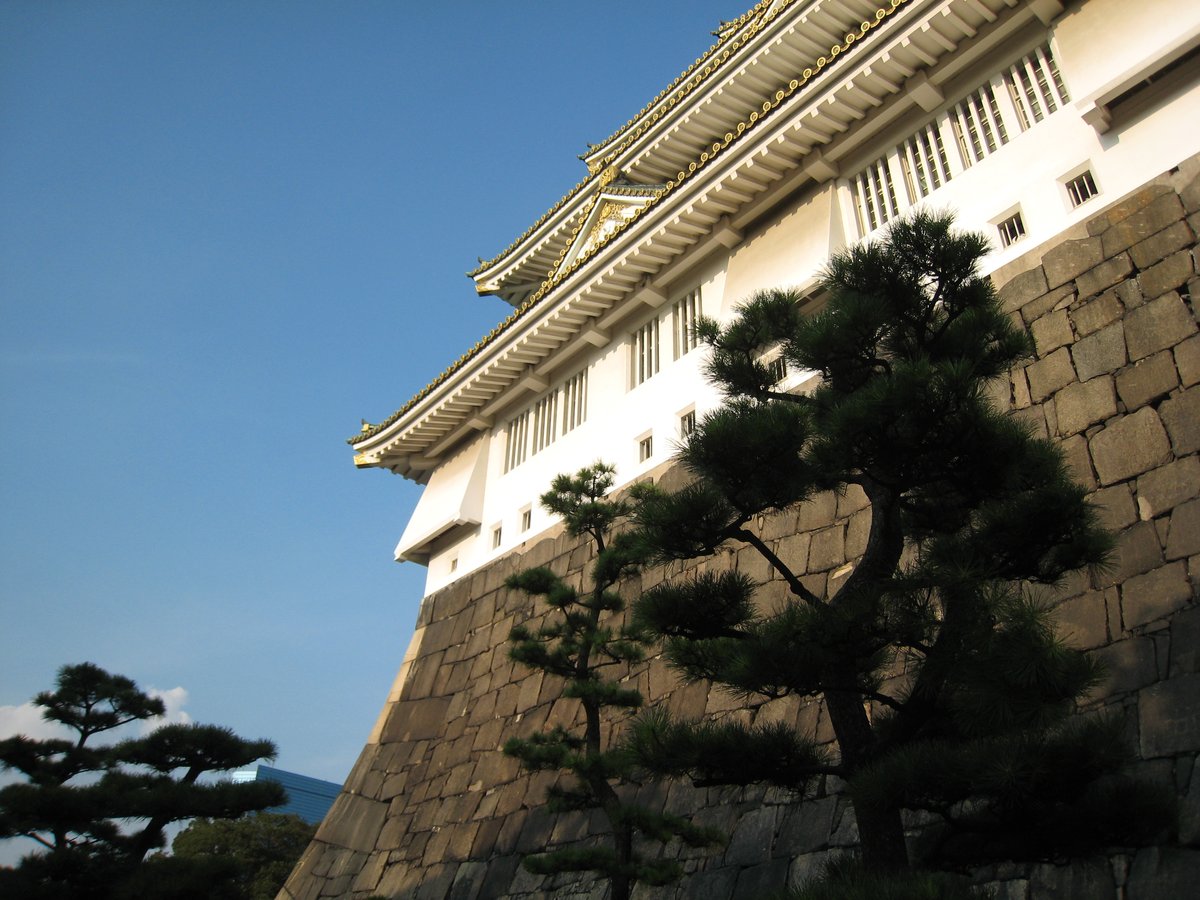
Nearby attractions include Osaka Castle, the Osaka Museum of History and Shitennoji Temple, which offer further insight into Osaka’s cultural and historical heritage.
Frequently Asked Questions (FAQ)
What are the visiting hours for Tsurumi Ryokuchi Park?
The park is open daily from 9 AM to 5 PM, with extended hours during special events. Check the official website for changes during holidays or special events.
How much does admission cost?
Entry is free, but some attractions within the park may charge separate admission fees.
What is the best way to get to the park?
The park is accessible by Osaka Metro and JR lines. The nearest station is Tsurumi-ryokuchi on the Nagahori Tsurumi-ryokuchi Line, also called Tsurumi-Ryokuchi Station on the Osaka Metro Nagahori Tsurumi-ryokuchi Line.
Are guided tours available?
Yes. Check the official website for tour schedules and booking information.
For further information and updates as you plan your visit, see Explore Tsurumi Ryokuchi Park.