What Sawanochō Station Is
Sawanochō Station (沢ノ町駅) is in the southern residential district of Sumiyoshi-ku, Osaka. Opened in 1900 as part of the Nankai Koya Line, it serves local residents and visitors exploring southern Osaka and provides access to cultural landmarks including Sumiyoshi Taisha Shrine.
The station is part of a neighborhood shaped by local businesses, schools, community events, traditional shopping streets, and eateries. Its surroundings reflect the area’s balance of longstanding traditions and contemporary urban life.
History
Sawanochō Station opened in 1900, during Osaka’s late 19th- and early 20th-century urban transformation. The Nankai Koya Line was designed to connect Osaka with the sacred Koyasan area, and railway expansion supported suburban growth and access to commercial and cultural centers (Osaka History; Osaka XR Experience).
Sumiyoshi-ku has centuries of tradition centered around Sumiyoshi Taisha Shrine. During the Taisho and Showa periods (1912–1945), railway expansion helped make Sawanochō a hub for local commuters and businesses (Osaka City Historical Overview).
Despite the impact of World War II air raids (Lilla Green), suburban stations such as Sawanochō were important to Osaka’s postwar recovery. The station underwent significant upgrades during the city’s economic resurgence in the 1960s and 1970s (Facts and Details).
What to See
Sumiyoshi Taisha Shrine
Sumiyoshi Taisha is Osaka’s oldest Shinto shrine, known for its Sumiyoshi-zukuri architectural style and the Taiko Bridge. It is about a 15-minute walk or tram ride from the station; it is also described as a short walk or one stop south. Admission is free, and the grounds are open daily from 6:00 AM to 5:00 PM.
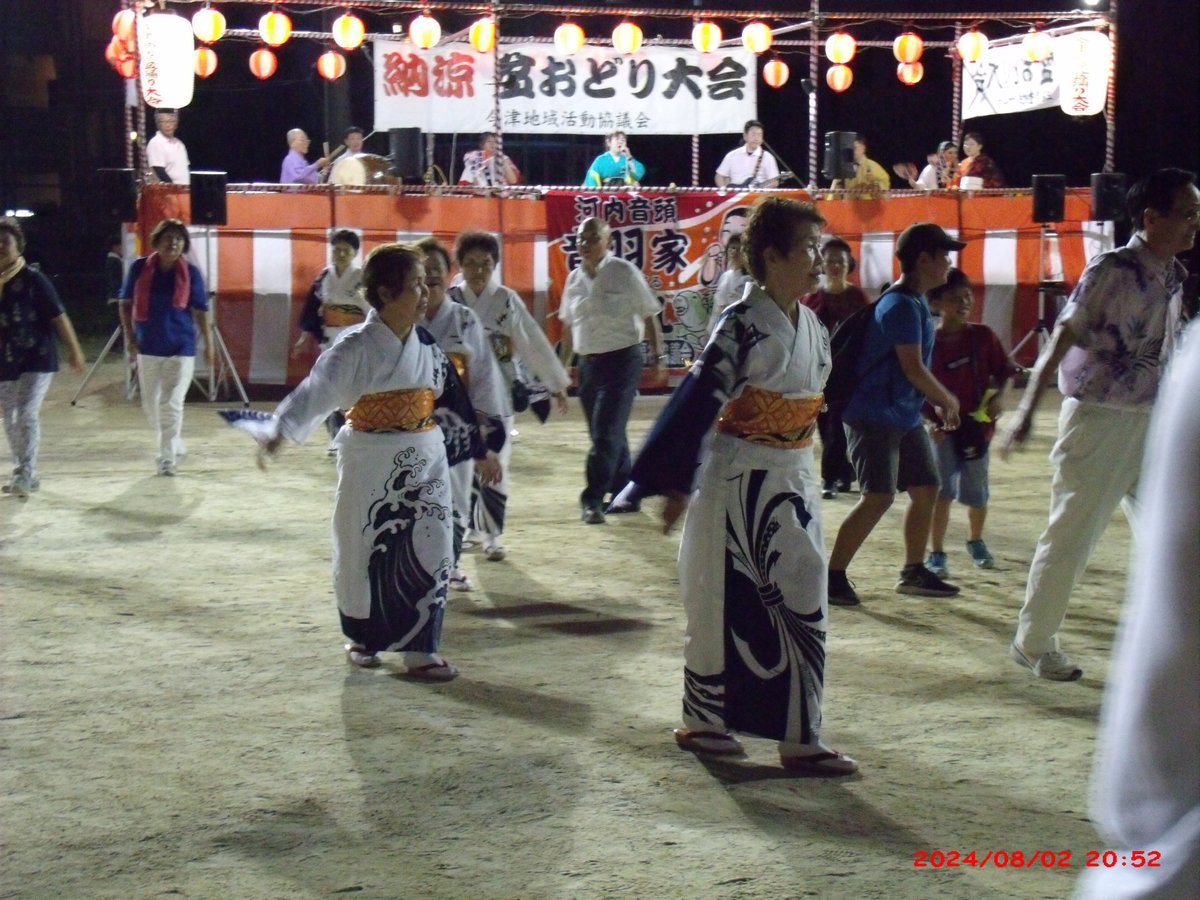
The shrine and nearby Sumiyoshi Park host annual events, including the Sumiyoshi Festival, also called Sumiyoshi Matsuri. Held in July, the festival features traditional processions, music, mikoshi processions, and festival food (Fun Japan; Magical Trip).
Parks, Gardens, and Seasonal Events
Sumiyoshi Park has walking trails and cherry blossoms in spring. Hanami, or cherry blossom viewing, takes place there in late March–early April.
Nagai Park has seasonal flower displays, a botanical garden, and the Osaka Museum of Natural History. Hanami and local festivals are also held in Nagai Park.
Other seasonal events in the area include summer festivals and fireworks, autumn illuminations at Shitenno-ji, and New Year celebrations at temples.
Shitenno-ji Temple
Founded in 593 AD by Prince Shōtoku, Shitenno-ji is Japan’s first Buddhist temple built in the Chinese style. The complex includes a five-story pagoda, main hall, lecture hall, gardens, and a treasure house exhibiting cultural artifacts (Official Shitenno-ji Temple Website).
Shitennoji, Tennoji Ward, Osaka
- Access 15 minutes by train from Sawanochō Station to Shitennoji-mae Yuhigaoka Station; access is also described via Osaka Metro to Shitennoji-mae Yuhigaoka
- Hours 8:30 AM–4:30 PM; last entry 4:00 PM
- Admission 300 yen for adults, 200 yen for students, free for junior high school students and younger
Seasonal events include the Shitenno-ji Wasso Festival, which features cultural parades.
Local Culture, Food, and Shopping
Traditional shopping streets, including Sumiyoshi and Abiko Shotengai, have local snacks, crafts, and souvenirs (Tourist Places Guide). Local markets and eateries are part of the neighborhood’s community-focused character.
Local stalls and izakaya serve Osaka foods such as takoyaki, okonomiyaki, and kushikatsu (Enjoy Osaka Kyoto Kobe). Namba and Tennoji also have food scenes, while Abeno Harukas and Namba Parks offer shopping, souvenirs, and local crafts.
Practical Visiting Information
Hours and Station Layout
Sawanochō Station operates daily from approximately 5:00 AM to midnight. Early-morning and late-night trains are less frequent.
The station has two side platforms serving the Nankai Koya Line. Signage is bilingual, with platforms marked by line colors and station numbers. Audio announcements are in Japanese and English (KKday; TripSavvy).
Tickets, Fares, and Passes
Tickets are available from automated machines, which provide English-language options, and staffed counters. Machines accept cash and IC cards. Fares are distance-based, with fare charts in Japanese and English; local journeys start at around 200 yen. Ticket machines and fare adjustment counters are near the entrance.
Accepted IC cards include Suica, ICOCA, PiTaPa, and others (Sommertage). The Japan Rail Pass is not valid on Nankai lines. Options mentioned for other travel needs include the Osaka Amazing Pass, which offers unlimited rides and discounts, the Kansai Thru Pass, and one-day or multi-day Osaka travel passes (Trailwalker Travels; Osaka Info).
Accessibility and Facilities
The station is described as fully accessible and barrier-free, with elevators, ramps, accessible ticket gates, and tactile paving. Accessible restrooms are available. Station staff can assist travelers with disabilities, though their English may be limited (Tripdealer; Herethereandgone).
Facilities include ticket machines and counters, accessible restrooms, coin lockers for luggage, and nearby convenience stores and eateries.
Navigation, Connections, and Local Transport
The compact station has clear signage and overhead signs and platform guideboards showing routes, station numbers, and upcoming stops (KKday).
Sawanochō is about 7 km south of Namba Station. Nankai Koya Line trains provide frequent connections to central Osaka and south to Sakai and Koyasan (Sommertage). The line also provides direct access to Namba and Dotonbori in under 10 minutes (PlanetWare).
Sawanochō is a few stops from Tengachaya Station, where travelers can transfer to the Osaka Metro Sakaisuji Line for access to Namba, Umeda, and other key districts (Osaka Station). Bus stops and other rail lines are within walking distance. Osaka City buses serve stops near the station; board from the rear and pay or tap an IC card when exiting (KKday). Taxis and ride-hailing apps are available, and bicycle parking is provided (HoneyJ Tours).
Digital Tools and Safety
Route-planning and travel resources include the Osaka Metro Map, Google Maps, and the Japan Connected-free Wi-Fi app. The Discover OSAKA app offers route searches and emergency updates (JW Web Magazine; Osaka Info).
The station is monitored and staffed during operating hours. Emergency intercoms are located throughout the station, and station staff can help with lost property and other emergencies (Herethereandgone).
Tips
- The busiest periods are weekday mornings from 7:30–9:00 am and evenings from 5:00–7:00 pm. Traveling outside these times can make for a more comfortable journey (Herethereandgone).
- Most signage is bilingual, but staff English skills may vary. Translation apps may be useful.
- Use elevators with luggage and avoid peak hours when carrying large bags.
- Summers are hot and humid.
- Queue on platforms, let passengers exit before boarding, keep noise low, avoid eating on local trains, and respect priority seating.
- On public transport, prepare fares in advance. For buses, pay or tap an IC card when exiting.
- Cash is preferred in small shops; cards and IC cards are accepted elsewhere.
- Remove shoes when entering homes, some restaurants, and temples. The escalator guidance in the area is to stand left and walk right.
- Observe shrine customs and maintain quiet in public spaces.
- The area is described as safe, well-lit, and accessible, though some temples may have steps.
- Flat terrain makes the area suitable for walking or cycling to Sumiyoshi Taisha, Nagai Park, and local arcades.
Nearby Places
- Nagai Park and Nagai Botanical Garden About 15 minutes away, with seasonal flower displays and the Osaka Museum of Natural History (Osaka Station).
- Abiko Kannon Temple A Buddhist temple accessible by a 20-minute walk or a short train ride.
- Central Osaka Namba and Dotonbori are accessible by Nankai Koya Line; Tennoji and Namba have food and shopping options.
- Sakai City and Koyasan Both are accessible on the Nankai Koya Line.
- Kyoto and Nara The wider Kansai region, including Kyoto and Nara, is within reach (Locals in Japan).
Images
FAQ
- What are Sawanochō Station’s hours? It operates daily from approximately 5:00 AM to midnight.
- Are tickets and IC cards accepted? Yes. Tickets are available from machines and counters, and IC cards are accepted.
- What historical sites are nearby? Sumiyoshi Taisha, Abiko Kannon, Nagai Park, and Shitenno-ji.
- Are tours available? Food and cultural tours are available in nearby districts.
- Is the station accessible? The station has elevators, ramps, accessible ticket gates, and tactile paving.
- When is the best time to visit Shitenno-ji? Early mornings or late afternoons on weekdays.
- Are English-speaking guides available? Yes, with advance booking on weekends and holidays.
- How do you reach Shitenno-ji from Sawanochō? The route is described as a train ride to Shitennoji-mae Yuhigaoka Station or access via Osaka Metro.