
Historical Evolution of Namba Station
Ancient and Early Modern Roots
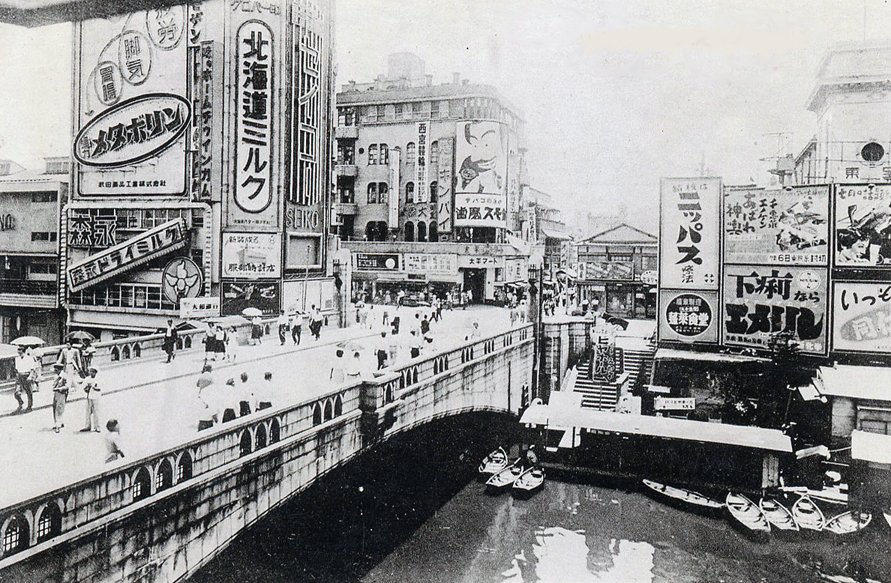
Namba’s prominence dates back centuries, originating in ancient port settlements that flourished at the confluence of the Yodo and Yamato Rivers. This location facilitated trade and cultural exchange with neighboring regions and overseas powers, embedding Namba—an ancient variant of “Naniwa”—deep in Osaka’s historical identity (osaka.com). By the Edo Period, the area developed into Osaka’s commercial core, with vibrant merchant districts around the Dotonbori canal and a renowned urban culture (jrpass.com).
The Birth of Modern Namba Station
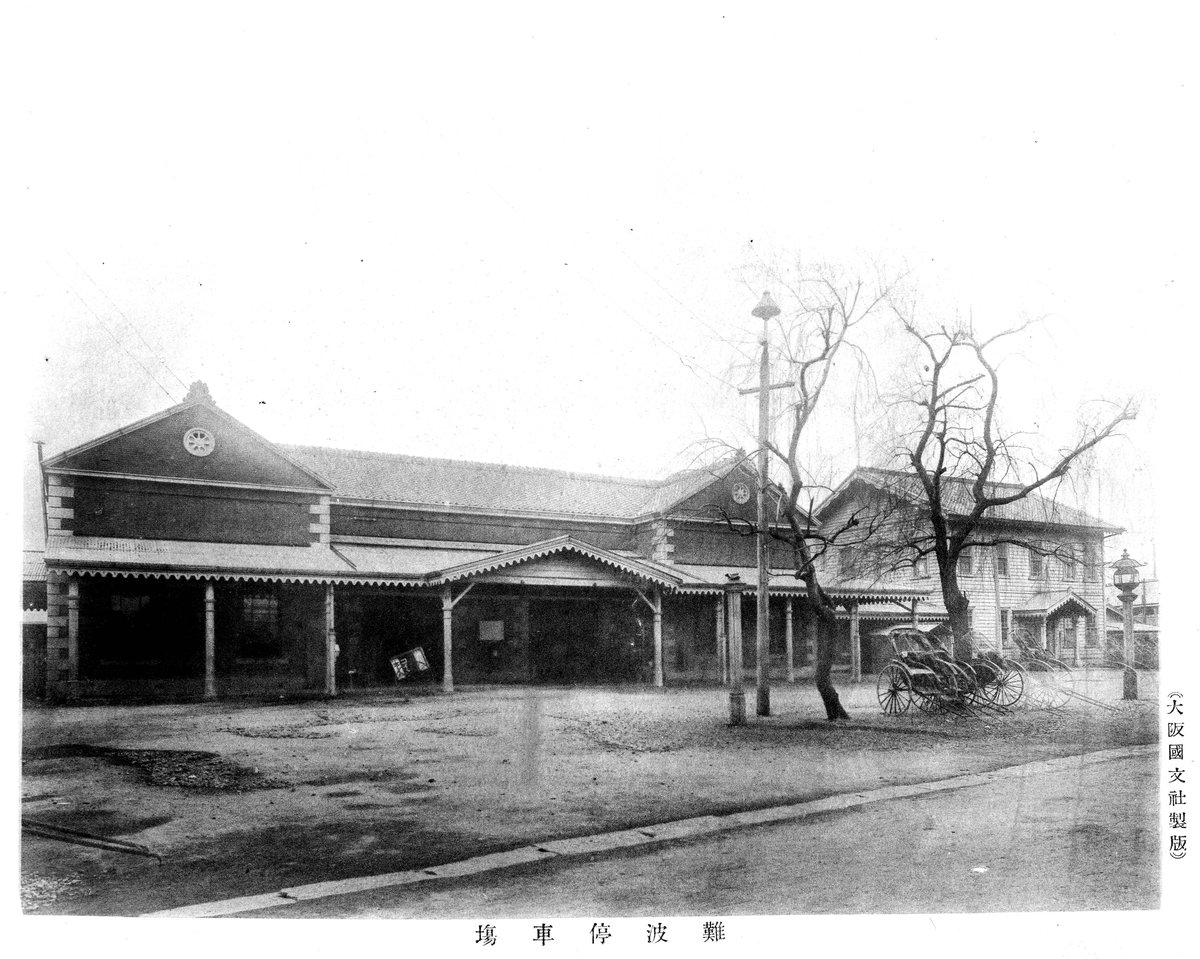
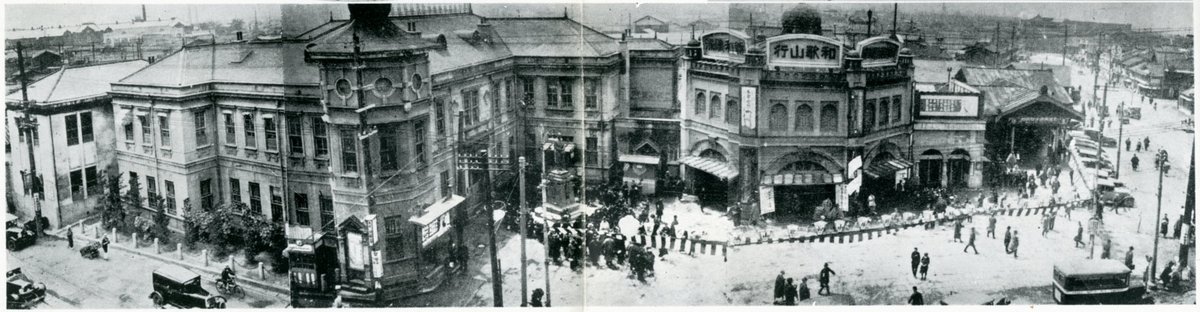
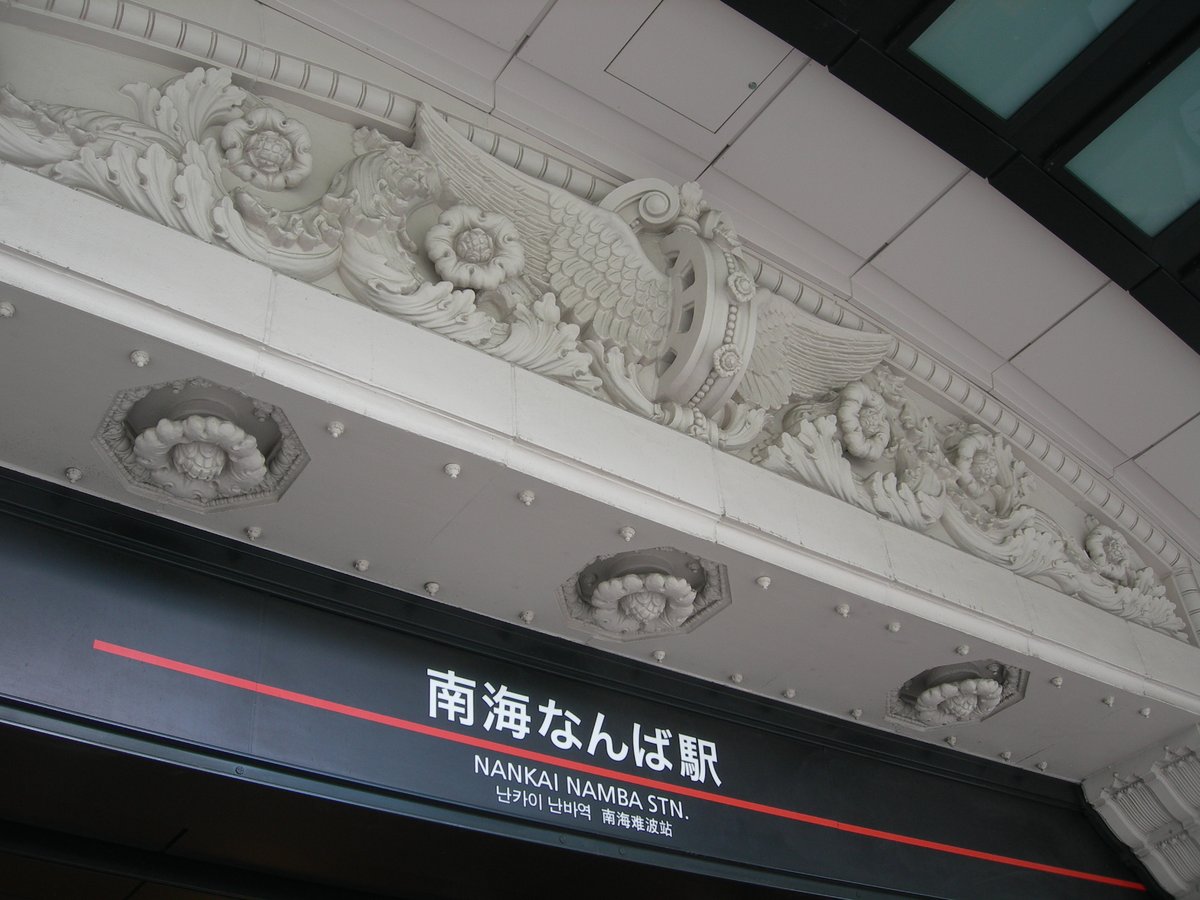
The modern era began with the rise of private railways. Nankai Electric Railway, established in 1885, set up its terminal at Namba, spurring commercial development. The iconic Nankai Building, completed in 1932, remains a symbol of southern Osaka and houses the Takashimaya department store (osaka.com). Namba Station itself opened officially in 1935, marking a turning point in Osaka’s urban infrastructure (klook.com).
Expansion and Interconnected Rail Networks
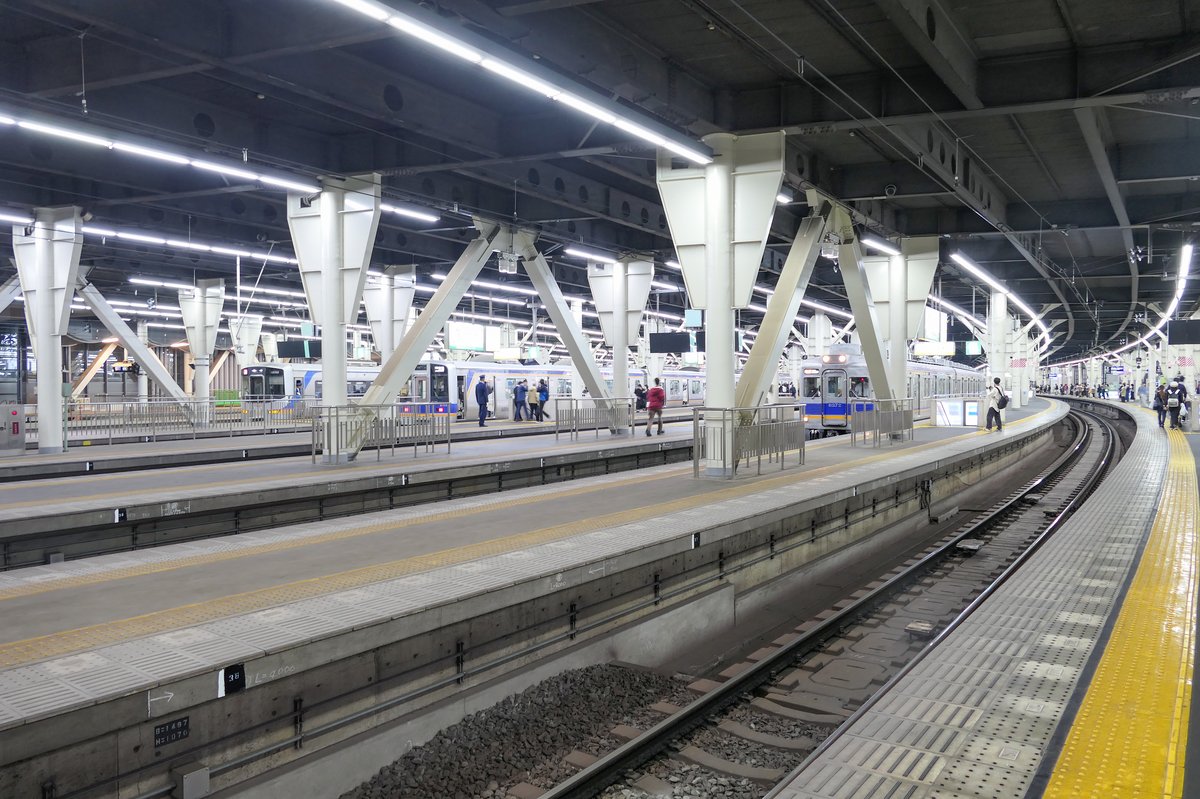
Today, Namba Station comprises six interconnected stations, each operated by different rail companies:
- Nankai Namba Station Connects to Kansai International Airport and Wakayama.
- Osaka Metro Namba Station Serves the Midosuji, Sennichimae, and Yotsubashi lines.
- JR Namba Station Connects with Nara and other destinations.
- Osaka-Namba Station For Kintetsu and Hanshin lines, linking Nara, Hyogo, and more (livejapan.com; magical-trip.com).
This intricate network supports hundreds of thousands of passengers daily and is integral to travel throughout Kansai.
Visiting Namba Station: Hours, Tickets, and Accessibility
Operating Hours and Ticketing
Namba Station generally operates from 5:00 AM to midnight, though hours can vary by train line. Tickets are available via automated machines, staffed counters, and online platforms. Options include:
- Single-ride tickets
- ICOCA IC Cards Ideal for seamless travel across rail and bus networks
- Special Tourist Passes Such as the Nankai Rapi:t Kansai Airport Express Ticket (klook.com)
Accessibility and Services
Travelers benefit from multilingual signage, elevators, escalators, tactile paving, and accessible restrooms—making the station user-friendly for all, including those with mobility needs. Information centers provide assistance in English, Chinese, and Korean (livejapan.com).
Practical Travel Tips
- Use station maps Namba contains multiple stations with similar names—pay attention to the operator and signage.
- Travel light Utilize station lockers if needed.
- Luggage services Available in the station and nearby accommodations.
Architectural and Cultural Importance
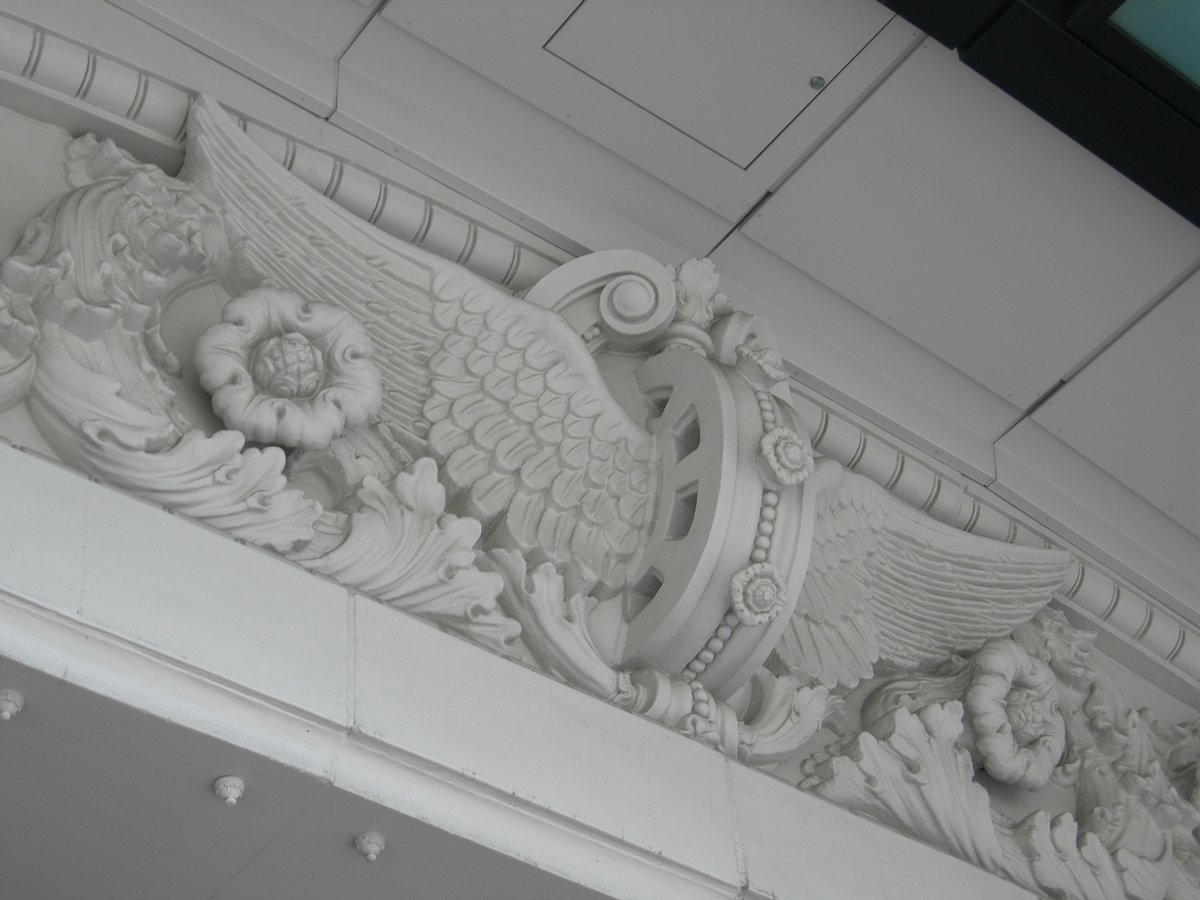
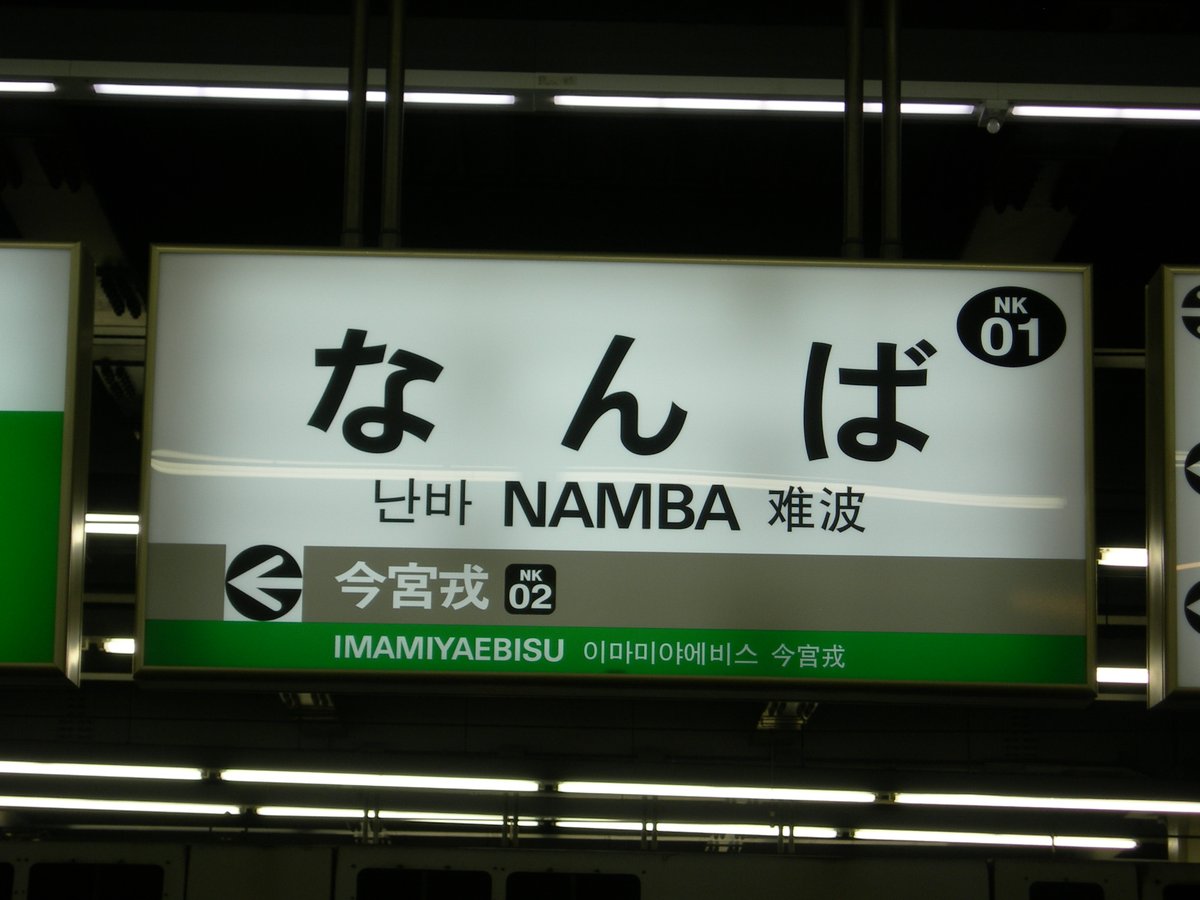
The Nankai Building, recognized as a Tangible Cultural Property of Japan since 2011, exemplifies early 20th-century Japanese architecture with its elegant curves and archways (osaka.com). The use of hiragana (なんば) in the station's name emphasizes its historical continuity and cultural significance (klook.com).
Major Attractions Near Namba Station
Dotonbori: Osaka’s Entertainment Nexus
A short walk from Namba Station, Dotonbori is famed for its neon lights, the Glico Running Man billboard, and culinary scene. This area has been at the heart of Osaka’s entertainment since the 17th century. Try street foods like takoyaki and okonomiyaki, and capture the illuminated energy after sunset (tsunagujapan.com; jw-webmagazine.com).
Shinsaibashi-suji Shopping Arcade
Stretching 600 meters, this covered arcade features over 180 shops, blending international brands with Japanese boutiques. Tax-free shopping and regular sales make it a favorite with tourists (jw-webmagazine.com).
Kuromon Ichiba Market
Known as “Osaka’s Kitchen,” this market offers fresh seafood, wagyu beef, and traditional treats. Visit early for the freshest selections and a true taste of Osaka’s food culture (jw-webmagazine.com; tsunagujapan.com).
Namba Yasaka Shrine
Famed for its giant lion-head stage, Namba Yasaka Shrine is a unique spiritual site just 10 minutes from the station. Open all year round, admission is free. Visit during festivals for a vibrant cultural experience (jw-webmagazine.com; japaninsides.com).
Hozenji Temple and Hozenji Yokocho Alley
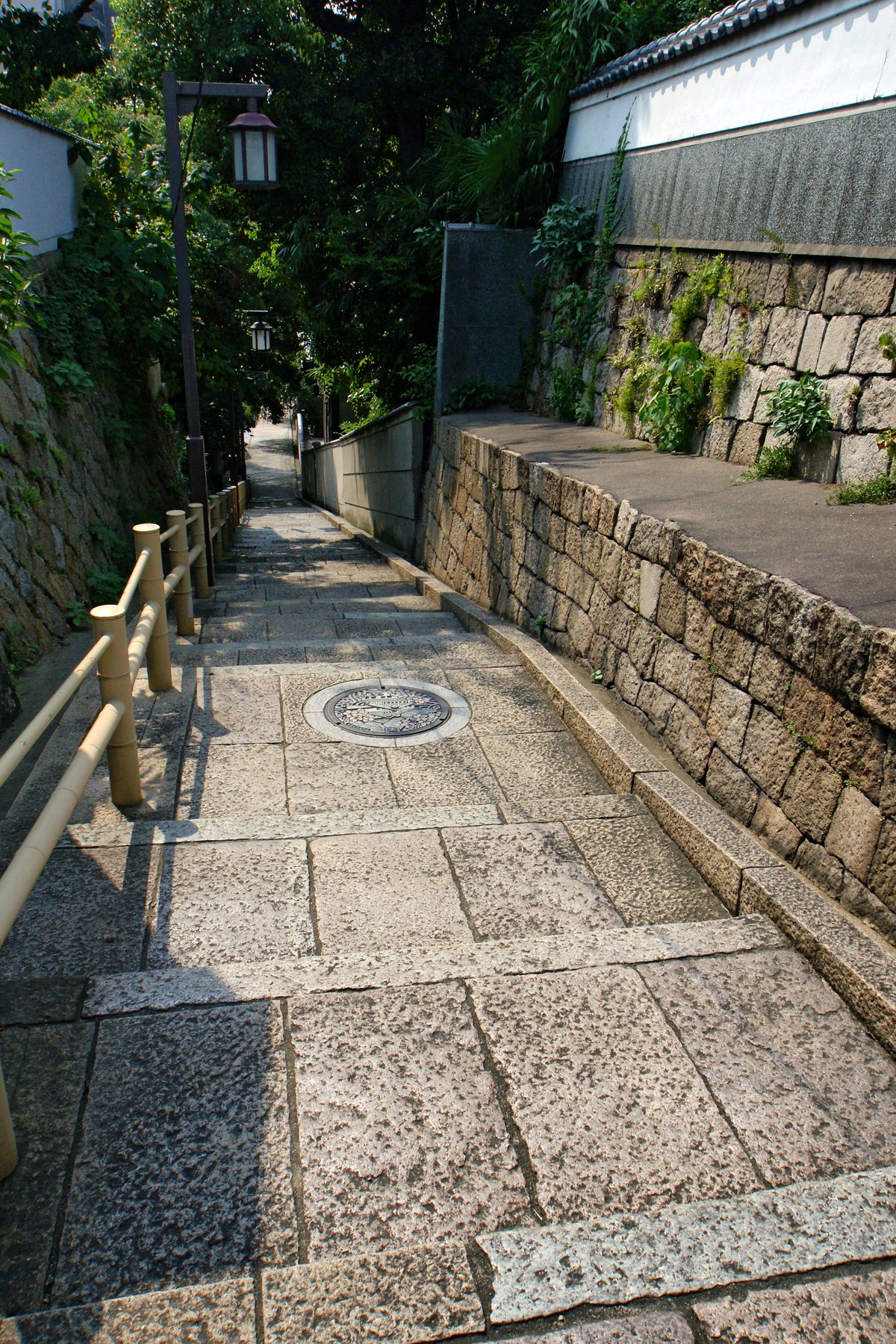
This tranquil temple is known for its moss-covered Fudo Myoo statue. The nearby stone-paved Hozenji Yokocho alley is lined with traditional eateries, offering a nostalgic glimpse of old Osaka (tsunagujapan.com).
Entertainment and Nightlife
See a comedy show at Namba Grand Kagetsu or explore the bars and clubs of Amerikamura (“American Village”), Osaka’s center for youth culture and live music (jw-webmagazine.com; roadinspired.com).
Shopping Complexes and Department Stores
- Namba Parks With terraced gardens, 200+ shops, and a cinema, this complex is a modern oasis (japan-guide.com).
- Takashimaya Osaka A luxury department store with tax-free shopping.
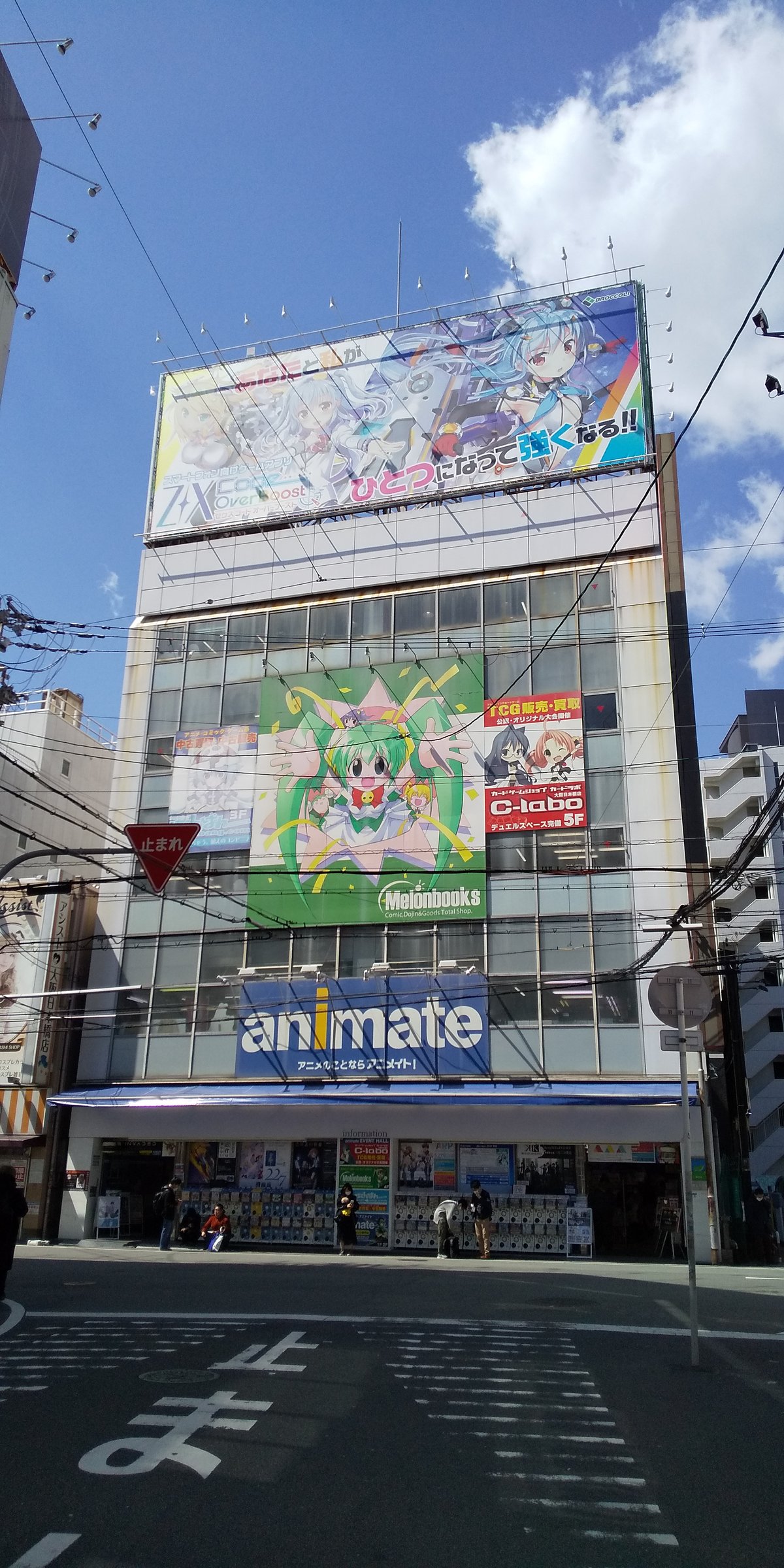
- Den Den Town Osaka’s electronics and anime hub.
Dining: Culinary Highlights in Namba
Namba is called “Japan’s Kitchen” for good reason. Sample:
- Takoyaki and okonomiyaki in Dotonbori (livejapan.com)
- Wagyu beef at Koshitsu Wagyu Yakiniku Gin Namba (livejapan.com)
- Gyukatsu Motomura for breaded beef cutlet (osakalocalized.com)
- Kinryu Ramen and local izakayas for late-night bites
International cuisine and unique bars abound, such as Sake Bar Choco Choco and Avocado House Namba.
Special Events, Festivals, and Guided Tours
Namba hosts festivals and events throughout the year, including:
- Namba Yasaka Shrine’s Lion Dance (summer festival, January tug-of-war)
- Seasonal illuminations and performances in Dotonbori and Namba Parks
- Comedy and kabuki at Namba Grand Kagetsu and Shochikuza Theatre
Guided tours, including food crawls and historical walks, are available and can be booked online or at tourist centers.
Accessibility, Visitor Services, and Travel Apps
- Accessibility Elevators, ramps, and accessible restrooms are widely available.
- Tourist Information Centers Located in the station and major shopping complexes.
- Luggage Storage Coin lockers and storage services available in the station.
- Lost & Found Each rail operator manages its own office within Namba.
- Navigation Download apps like Japan Transit Planner, NAVITIME, or Google Maps for real-time guidance.
- Wi-Fi Free in Namba Station and major malls (jw-webmagazine.com).
Practical Tips for Tourists
- Navigation Use clear signage and station maps; Nankai Namba is the only aboveground station (matcha-jp.com).
- Travel Passes ICOCA IC Card and Osaka Amazing Pass are recommended (tsunagujapan.com).
- Cash & Cards Credit cards accepted in most places, but cash is useful for small vendors.
- Language English menus are common, but knowing basic Japanese is helpful.
- Best Times Visit in spring or autumn for pleasant weather and seasonal events.
Frequently Asked Questions (FAQ)
Q: What are Namba Station’s operating hours?
A: Around 5:00 AM to midnight, depending on the line.
Q: Where can I buy tickets?
A: Automated machines and staffed counters throughout the station; IC cards and special passes are available.
Q: Is Namba Station accessible?
A: Yes, with elevators, ramps, and multilingual signage.
Q: Are there English-speaking guides?
A: Yes, at information centers and through guided tour operators.
Q: How do I get to Kansai International Airport?
A: Take the Nankai rapi:t train directly from Namba Station.
Q: What are the must-see attractions nearby?
A: Dotonbori, Shinsaibashi, Kuromon Ichiba Market, Namba Yasaka Shrine, Hozenji Temple.