
Historical Background
Early Development & Transportation Significance
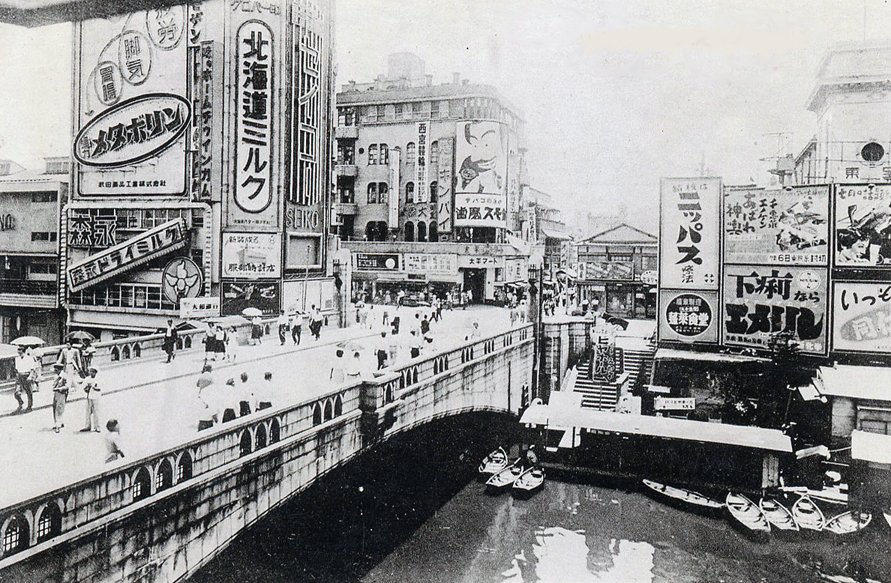
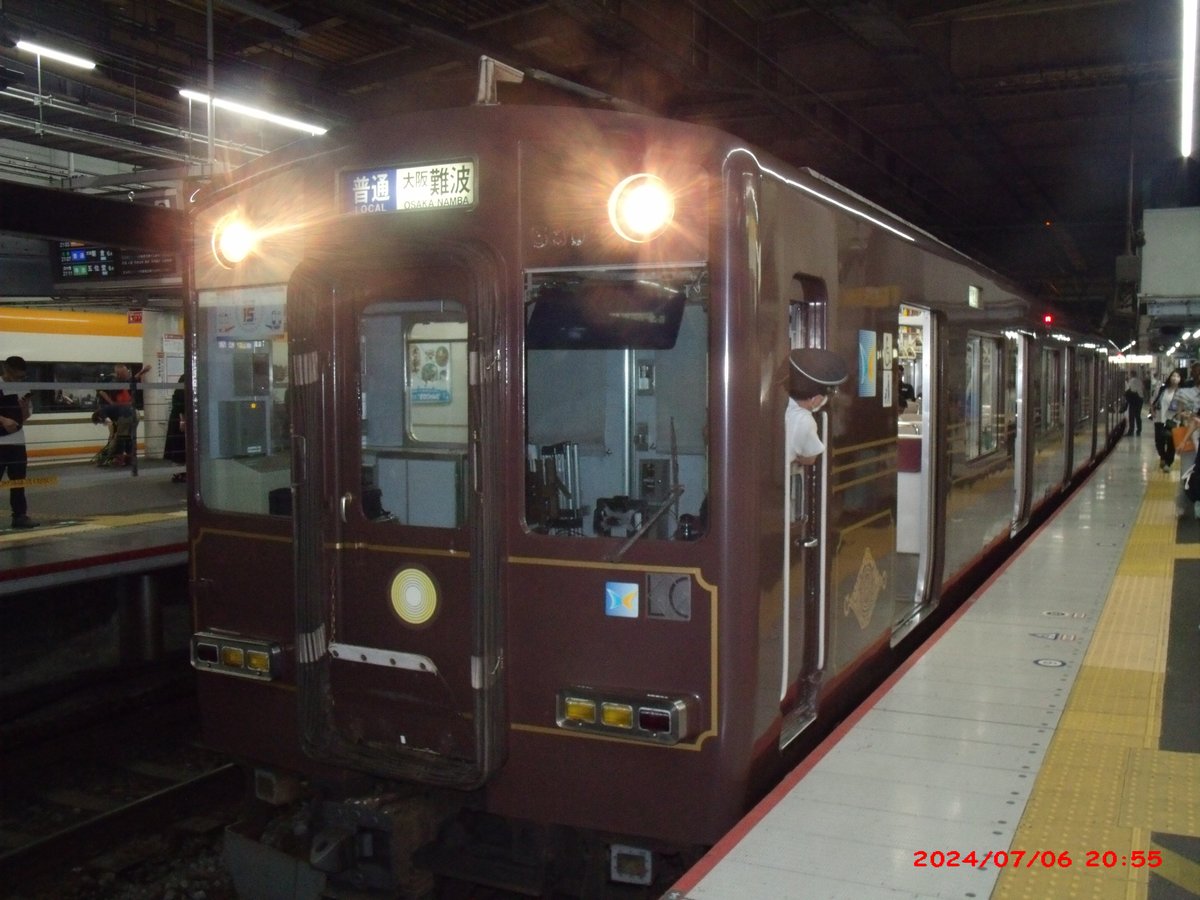
Tsuruhashi Station opened in 1914 as part of the Osaka Electric Railway (now Kintetsu Line), quickly establishing itself as a pivotal transit hub. Strategically located in the Higashinari and Ikuno wards, it facilitated movement between central Osaka and its eastern suburbs, spurring urban growth (article.bespes-jt.com). Over the decades, the station expanded to serve the JR Osaka Loop Line, Kintetsu Nara and Osaka Lines, and the Osaka Metro Sennichimae Line, reflecting Osaka’s layered urban infrastructure (thetruejapan.com; en.wikipedia.org; en.namu.wiki).
Post-War Transformation & Koreatown's Rise
Following WWII, a lively black market sprouted around the station, attracting a significant influx of Zainichi Koreans—ethnic Koreans who settled in Japan during the early 20th century and post-war period. By the 1950s, Tsuruhashi had firmly established itself as Osaka’s Koreatown, renowned for its markets, eateries, and vibrant cultural scene (article.bespes-jt.com; thetruejapan.com).
Socio-Cultural Evolution
Today, Tsuruhashi is home to one of Japan’s largest Korean communities, with over 25% of Ikuno ward’s population of Korean descent (japan-experience.com). Streets lined with Korean ingredient shops, K-pop stores, and traditional barbecue restaurants showcase a vibrant, multicultural identity. The Miyuki-dori and Miyukimori Shopping Streets are especially popular for their blend of Korean and Japanese influences (article.bespes-jt.com).
Visitor Information
Visiting Hours
- Station Operating Hours Approximately 5:00 AM to midnight daily, matching the schedules of the JR, Kintetsu, and Osaka Metro lines.
- Market & Shop Hours Most open around 10:00 AM and close between 7:00 PM and 9:00 PM, though restaurants and some stores may stay open later.
Tickets & Access
- Ticket Purchase Available at automated machines and counters. IC cards like ICOCA and Suica are accepted for seamless transfers across operators.
- Special Passes Regional passes such as the Kansai Thru Pass offer unlimited rides and are recommended for tourists.
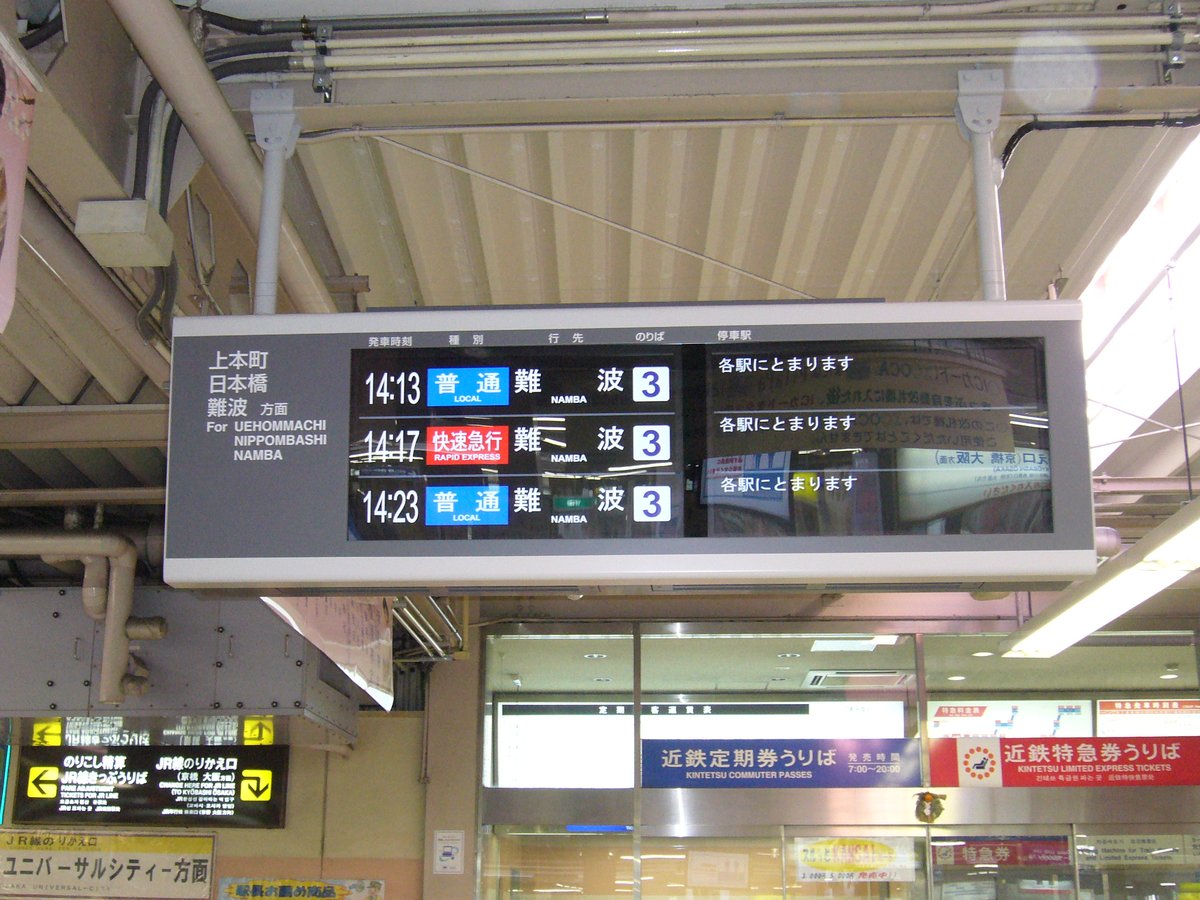
- Station Layout The station features elevated JR platforms, extensive Kintetsu facilities, and Metro platforms underground—look for color-coded, multilingual signage.
Accessibility & Travel Tips
- Accessibility Elevators, escalators, tactile paving, and accessible restrooms are available throughout the station. Staff can assist travelers with disabilities (Klook).
- Travel Tips Avoid peak hours (7:00–9:00 AM, 5:00–7:00 PM) for a more relaxed visit. Carry some cash for smaller market vendors, though most shops accept IC cards and credit cards.
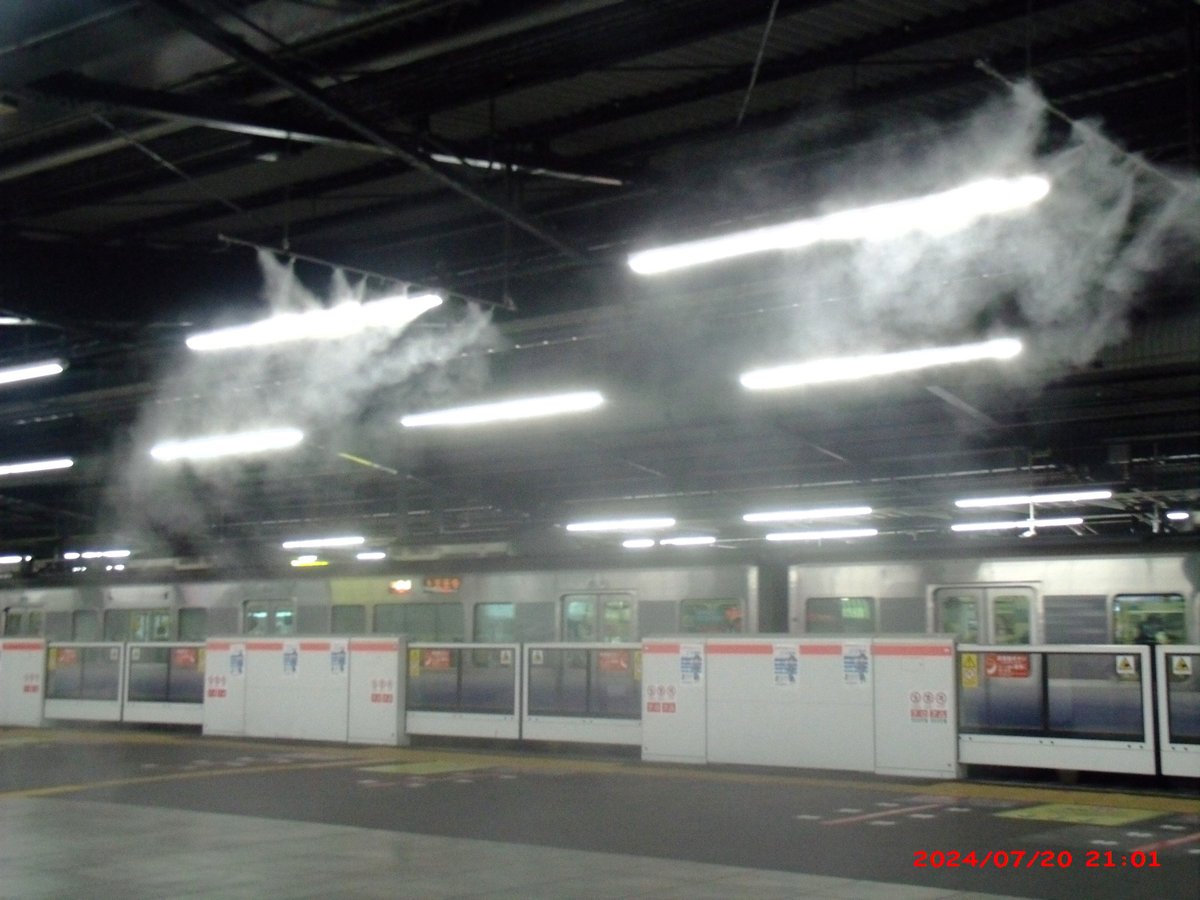
- Weather Most markets are covered, but summers can be hot and humid—dress comfortably and stay hydrated.
- Luggage & Wi-Fi Coin lockers and free Wi-Fi are available.
Nearby Attractions
- Tsuruhashi Market 800+ shops selling fresh seafood, meats, produce, and Korean groceries.
- Miyuki-dori & Miyukimori Shopping Streets Lined with Korean and Japanese goods, cosmetics, and K-pop merchandise.
- Koreatown District Home to renowned yakiniku restaurants, street food stalls, and cultural centers.
- Osaka Castle & Tennoji Park Easily accessible via connecting lines.
Economic & Culinary Impact
Tsuruhashi’s vibrant markets and eateries are central to Osaka’s culinary reputation. Chefs across Kansai source ingredients here, and family-run yakiniku restaurants serve traditional Korean barbecue alongside Japanese favorites. The area is famed for kimchi, bulgogi, sundubu jjigae, and an impressive variety of banchan (side dishes) (klook.com; japantimes.co.jp; Magical Trip). Tsuruhashi has even been recognized among Japan’s “100 Best Smellscapes” by the Ministry of the Environment (Osaka City PDF).
Urban Development & Modernization
While Tsuruhashi preserves its historical essence, recent modernization efforts have improved infrastructure and visitor experience. Upgrades include station numbering (JR-O04 since 2018), multilingual signage, and expanded accessibility features (thetruejapan.com; en.wikipedia.org). The area’s organic growth is reflected in its mix of Showa-era arcades and modern shopping streets.
Historical Milestones
- 1914 Tsuruhashi Station opens (Osaka Electric Railway).
- Post-1945 Black market and Zainichi Korean community emerge.
- 1950s–Present Growth as Koreatown and food destination.
- 2018 Station numbering (JR-O04) introduced.
Cultural Life & Events
Tsuruhashi’s lively calendar of events includes Korean festivals (Chuseok, Seollal), food fairs, and performances. The monthly Tsuruhashi Market (fourth Sunday) is a community highlight, featuring local food, crafts, and cultural displays. Community centers offer Korean language classes, cooking workshops, and cultural seminars, fostering multicultural exchange (Osaka City PDF).
FAQ
Q: What are Tsuruhashi Station’s visiting hours?
A: Approximately 5:00 AM to midnight daily.
Q: How do I buy tickets?
A: Use ticket machines or counters; IC cards (ICOCA, Suica) and regional passes are accepted.
Q: Is the station accessible?
A: Yes, with elevators, tactile paving, accessible restrooms, and staff support.
Q: What are the main attractions nearby?
A: Tsuruhashi Market, Miyuki-dori Shopping Street, Koreatown, Osaka Castle, and Tennoji Park.
Q: Are there guided tours?
A: Yes, local operators offer food and cultural tours—advance booking recommended.
Q: When are the main cultural festivals?
A: Chuseok (September/October) and Seollal (January/February).
Consider embedding a map of Tsuruhashi Station and Koreatown and linking to virtual tours when available.