
Origins and Development
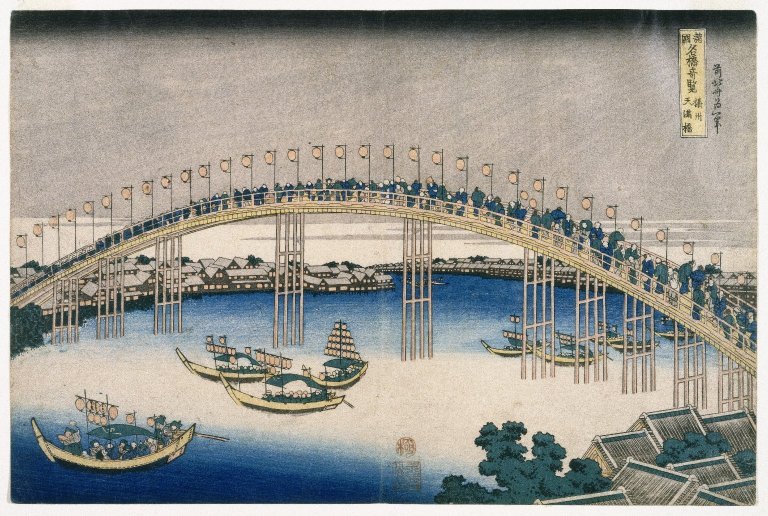
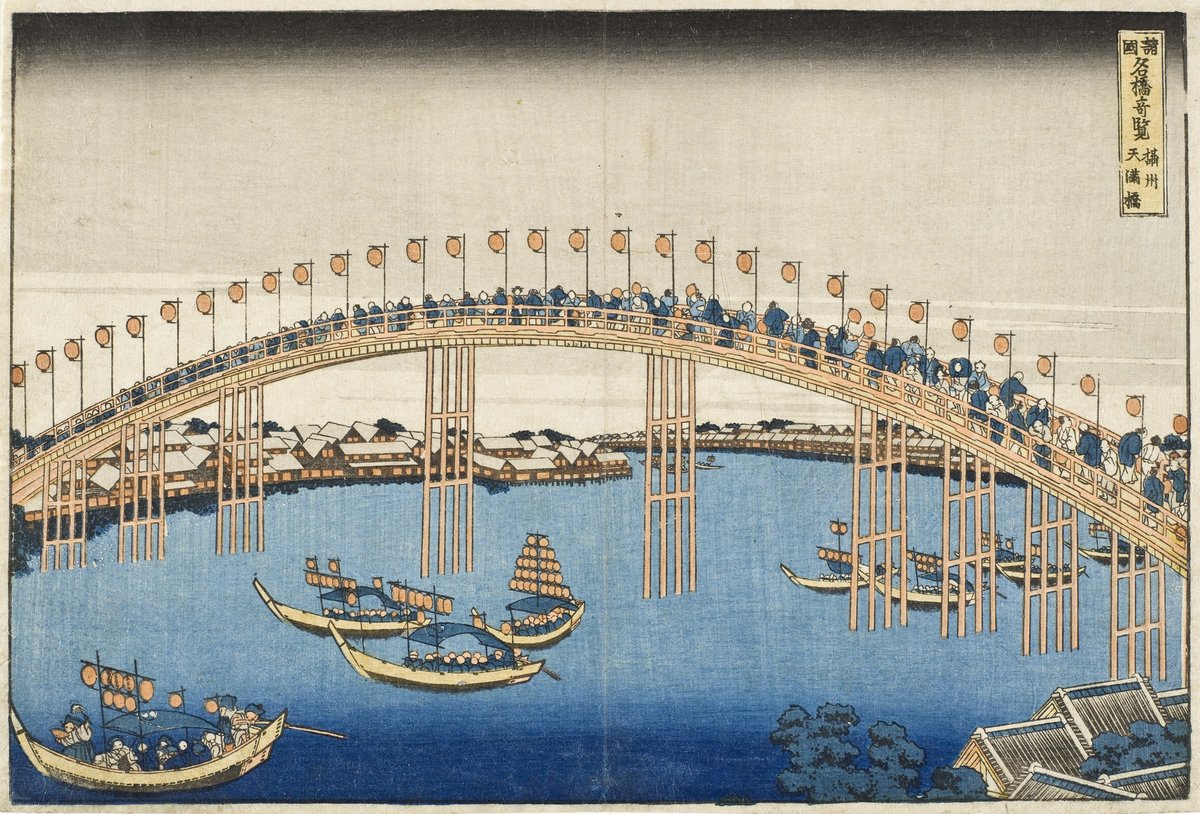
First constructed as a wooden bridge in the 17th century, Tenma Bridge quickly became a linchpin in Osaka’s merchant infrastructure. Its placement facilitated the flow of people and goods, contributing to Osaka’s rise as the "kitchen of Japan." As commerce thrived, the surrounding Tenma area blossomed into a bustling hub of trade and daily life (JapanToday).
Connection to Osaka Tenmangu Shrine
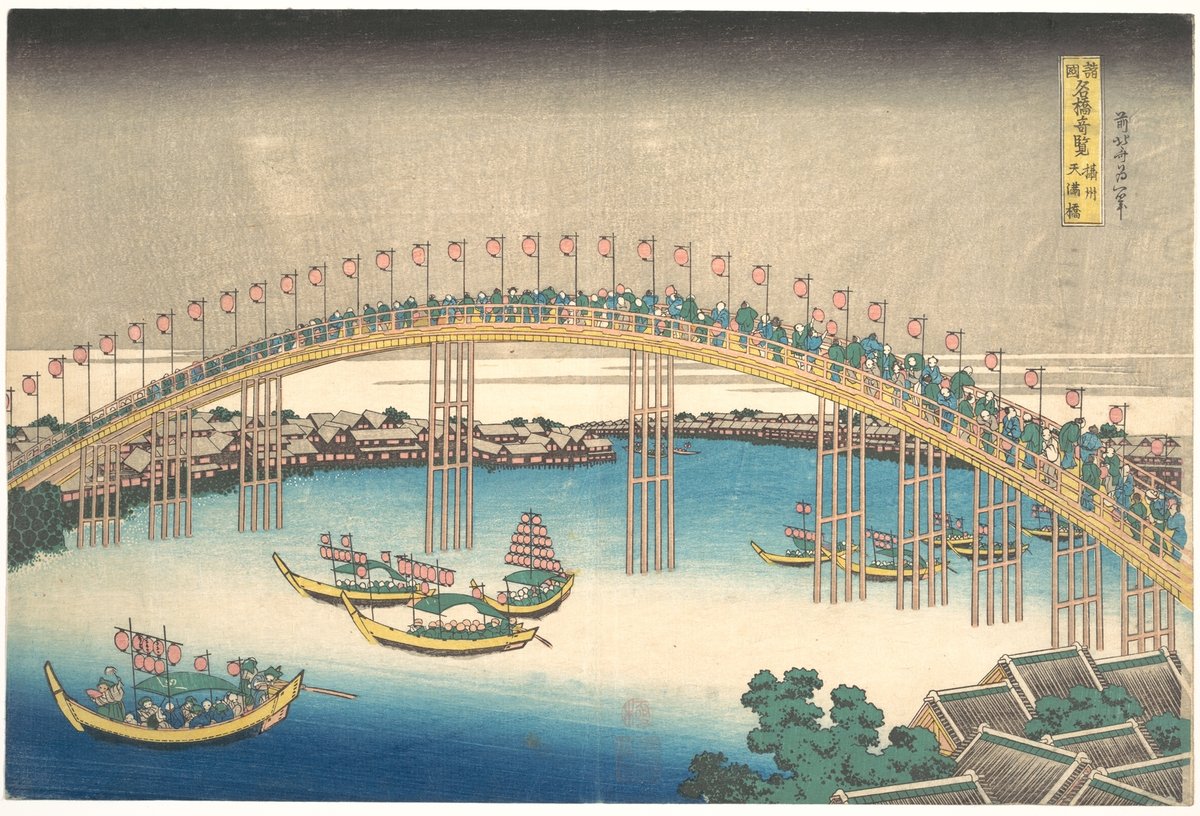
Adjacent to Tenma Bridge, Osaka Tenmangu Shrine—dedicated to Sugawara no Michizane, the deity of scholarship—has long been a spiritual focal point. The bridge becomes especially significant during the annual Tenjin Matsuri festival (July 24–25), when processions of portable shrines (mikoshi) and vibrant boat parades pass through, drawing crowds from across Japan (Flip Japan Guide).
Architectural Evolution
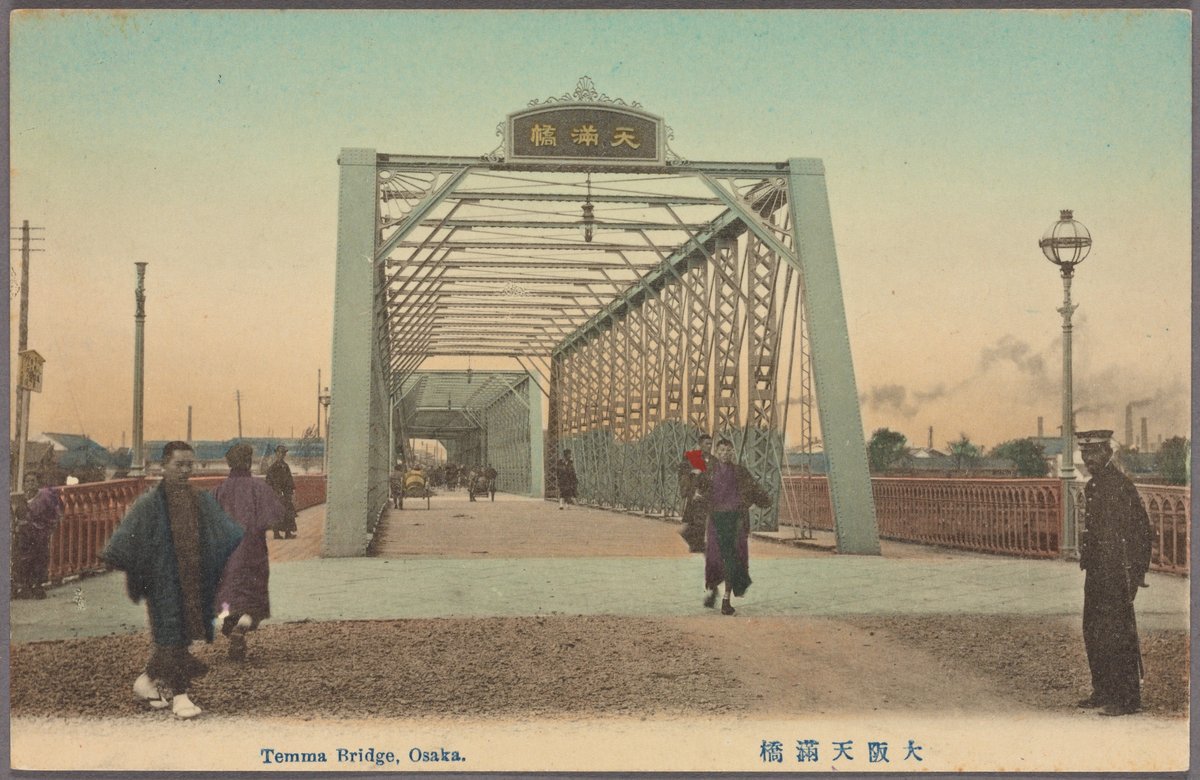
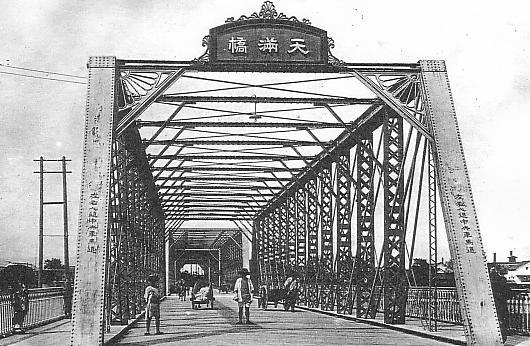
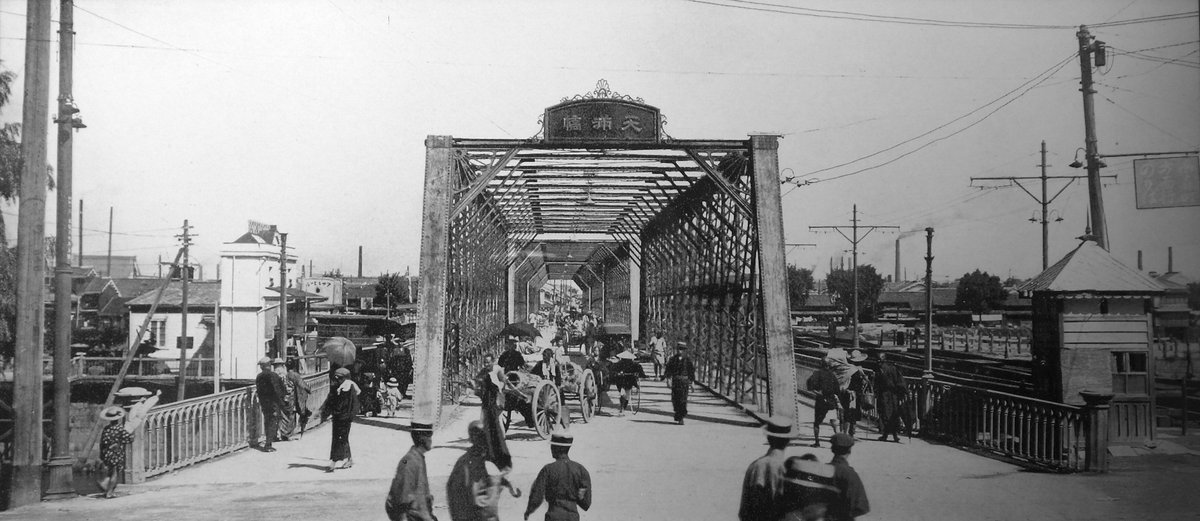
Over centuries, Tenma Bridge has been rebuilt and reinforced, evolving from its original wooden form to the robust steel and concrete structure seen today. The current three-span Gerber-type steel plate girder bridge, completed in 1935, is designed to accommodate both pedestrian and vehicular traffic, while decorative elements like stone lanterns and traditional motifs reflect its cultural heritage (bridgeist.thebridge.co.jp).
Urban and Economic Role
Historically, Tenma Bridge served as one of Osaka’s "Kōgi-bashi"—bridges managed by the Tokugawa shogunate—underlining its administrative and commercial importance. By linking merchant quarters and government offices, the bridge played a key role in municipal operations and urban development (bridgeist.thebridge.co.jp).
Cultural and Social Significance
Beyond its structural utility, Tenma Bridge is woven into the fabric of Osaka’s identity. It is celebrated in ukiyo-e prints and local literature, and acts as a communal gathering spot, especially during cherry blossom season and major festivals. Its proximity to lively shopping arcades and nightlife further cements its place in the city’s day-to-day rhythm (JapanToday).
Visiting Hours & Ticket Information
- Hours Open 24 hours, year-round
- Admission Free (public bridge; no tickets required)
- Note During major events (e.g., Tenjin Matsuri), temporary access limitations or crowd controls may be in place.
Accessibility
- Wheelchair-friendly Ramps and smooth pathways available
- Public Transport
- Tenmabashi Station Keihan Main Line & Osaka Metro Tanimachi Line
- JR Osaka Tenmangu Station 5–10 minutes’ walk
- City buses stop nearby
- Barrier-Free Facilities Nearby stations are equipped for travelers with mobility needs.
Travel Tips & Best Times
- Best Seasons
- Spring (March–April) Cherry blossoms line the riverbanks, creating a stunning hanami (flower viewing) atmosphere (Japan Highlights).
- Summer (Late July) Tenjin Matsuri festival transforms the area into a vibrant celebration (Magical Trip).
- Autumn Crisp weather and colorful foliage.
- Getting There Use an ICOCA card for convenient travel across trains, subways, and buses (Curious Sparrow Travel).
- Avoiding Crowds Visit on weekday mornings or late evenings outside festival periods.
Nearby Attractions
- Osaka Tenmangu Shrine Historic shrine, focal point for Tenjin Matsuri (Magical Trip).
- Tenjinbashisuji Shopping Arcade Japan’s longest covered shopping street with 600+ shops (Voyapon).
- Okawa River Cruises Unique city views, especially popular during sakura season (Curious Sparrow Travel).
- Parks Riverside green spaces ideal for picnicking and relaxation.
- Osaka Castle A 15-minute walk, offering historical exhibits and panoramic views.
Special Events & Tours
- Tenjin Matsuri (July 24–25) One of Japan’s top three festivals, with processions, boat parades, and fireworks (Magical Trip).
- Reiwa OSAKA Milky Way Legend Nighttime river illumination event with thousands of glowing spheres.
- Guided Walking Tours Local operators offer tours that include the bridge, shrine, and shopping arcade.
- River Cruises Book in advance for festival or cherry blossom periods.
FAQs
Q: What are the visiting hours of Tenma Bridge?
A: Open 24/7, year-round, with free public access.
Q: Are tickets required to cross Tenma Bridge?
A: No, the bridge is free and open to all.
Q: Is Tenma Bridge wheelchair accessible?
A: Yes, with ramps and barrier-free routes from nearby stations.
Q: When is the best time to visit?
A: Spring for cherry blossoms, late July for Tenjin Matsuri, and autumn for foliage.
Q: Are guided tours available?
A: Yes, many local tours include Tenma Bridge and nearby attractions.
Q: Can I take a river cruise from Tenma Bridge?
A: Yes, especially popular during cherry blossom and festival seasons.