Historical Background and Significance
Early Development
Nishiōhashi’s area has been integral to Osaka’s growth since the Kofun period. Ancient Naniwa served as a key port for trade and cultural exchange with China and Korea (Osaka City Official). The development of canals and warehouses laid the groundwork for Osaka’s emergence as a commercial powerhouse.
During the Asuka and Nara periods, the construction of Shitenno-ji Temple and the prominence of Naniwazu port transformed the area into a crossroads for pilgrims and traders, setting a trajectory for future prosperity.
Edo Period: Commercial Flourishing
In the Edo period, Osaka became known as the “Kitchen of Japan” due to its dominance in commerce and distribution (Sakura.co). The intricate canal networks near Nishiōhashi, such as the Higashi and Nishi Yokobori, facilitated the movement of goods and fostered a vibrant merchant class, shaping the city’s diverse urban landscape.
Modernization and Urban Transformation
Meiji Restoration and Industrialization
The Meiji era brought rapid modernization, with railways, tramways, and improved roads transforming Osaka’s mobility. The Nishiōhashi area expanded to accommodate growing population and commercial needs.
Postwar Reconstruction and Economic Boom
After World War II, Osaka experienced rapid reconstruction and economic growth (Sakura.co). The opening of Nishiōhashi Station in 1996 on the Osaka Metro Nagahori Tsurumi-ryokuchi Line marked a new era of urban connectivity (Osaka Metro).
Nishiōhashi Station Visiting Hours and Ticket Information
- Operating Hours 5:30 AM to midnight; check for slight variations by day and line.
- Ticketing Automated machines accept cash, IC cards (ICOCA, PiTaPa), and major credit cards.
- Accessibility Elevators, escalators, tactile paving, and accessible restrooms are available.
Cultural and Social Significance
Gateway to Creative and Nightlife Districts
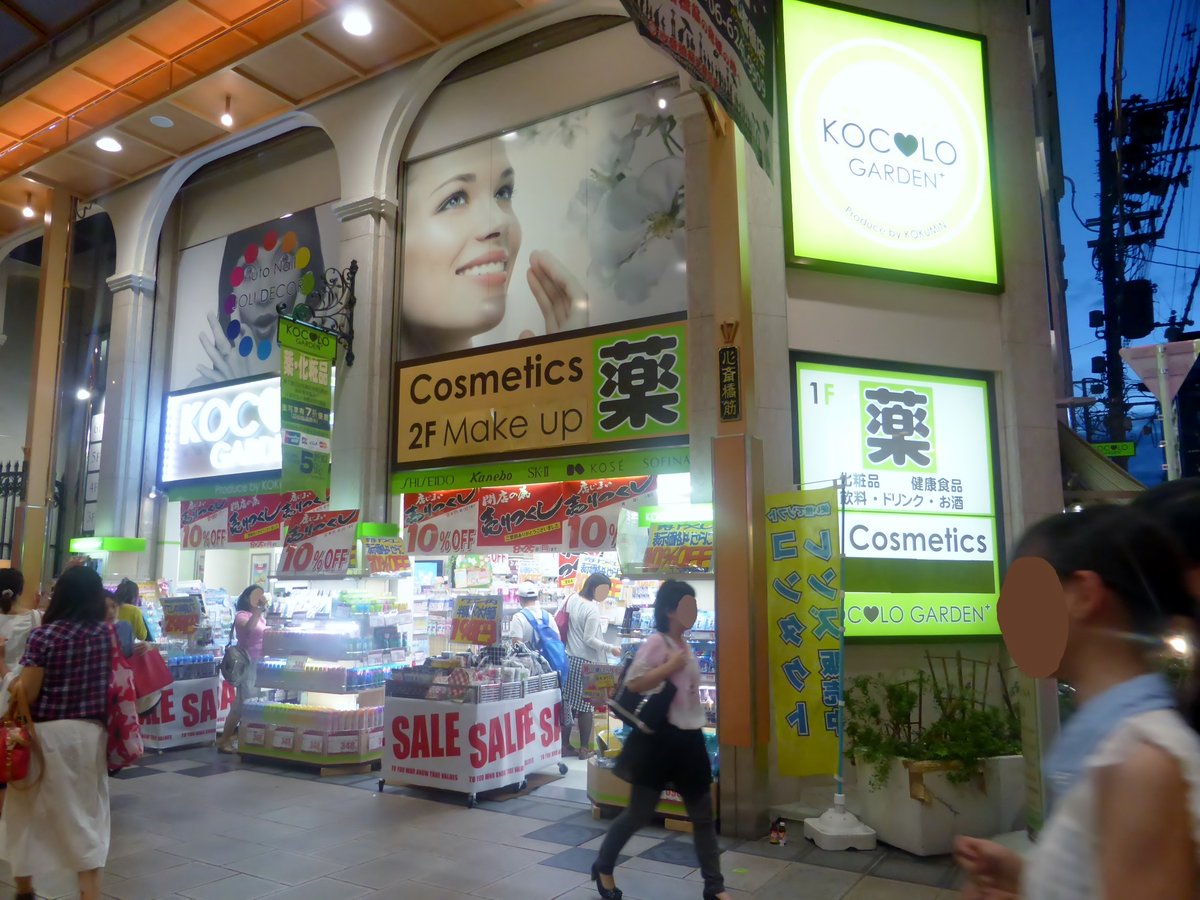
Nishiōhashi Station offers immediate access to Amerikamura and Shinsaibashi—lively areas known for fashion, art, and nightlife (Visit Inside Japan). Amerikamura, in particular, is the heart of youth culture and creative energy.
Preserving Urban Heritage
The historic Shinsaibashi-suji Shopping Street and remnants of old canals and bridges nearby offer glimpses of Osaka’s transition from trade hub to modern city.
Role in Osaka’s Transportation Network
Metro Integration
Located on the Nagahori Tsurumi-ryokuchi Line, Nishiōhashi Station connects seamlessly to major sites like Osaka Castle Park and Kyobashi (Osaka Metro). Transfers are efficient, and the station design prioritizes ease of navigation.
Urban Development Impact
The station’s presence has spurred local business growth and urban revitalization, aligning with Osaka’s broader strategies for sustainable development (Osaka City Official).
Nearby Attractions and How to Get There
- Shinsaibashi Shopping Street 5-minute walk.
- Amerikamura 3-minute walk.
- Dotonbori 15-minute walk or one metro stop.
Travel Tips for Visitors
- Best Times Evenings for nightlife; daytime for shopping and sightseeing.
- Guided Tours Walking tours focusing on history and culture are available.
- Navigation English signage and helpful staff make travel easy.
Cultural Events and Festivals
The Nishiōhashi area hosts major events such as the Tenjin Matsuri and street festivals in Amerikamura and Shinsaibashi. These events feature parades, performances, and local food stalls (Visit Inside Japan).
Station Layout, Facilities, and Accessibility
Layout
- Platform Single island platform (B2F) serving two tracks.
- Entrances Multiple, some with elevators/escalators.
Facilities
- Tickets Automated machines and staffed counters.
- Restrooms Multipurpose, accessible toilets.
- Lockers Coin-operated, various sizes.
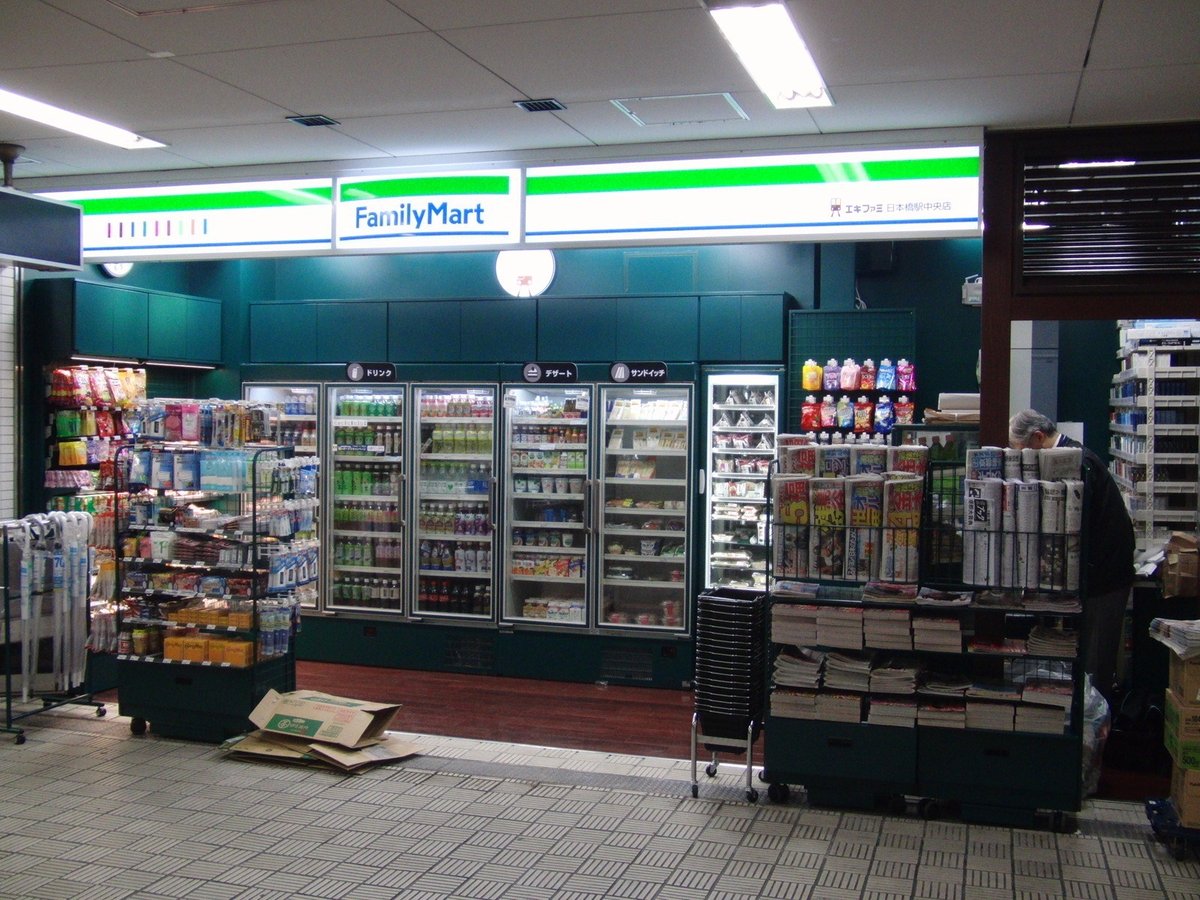
- Vending Drinks and snacks available.
- Wi-Fi Free Osaka Metro Wi-Fi (JW Web Magazine).
- Security CCTV and emergency intercoms.
Accessibility
- Barrier-Free Access Elevators, tactile paving, braille signage.
- Assistance Staff can provide help and portable ramps.
- Nearby Taxi/Bus Accessible taxis and non-step buses available (Japan Guide).
Visitor Information
- Operating Hours Approximately 5:00 AM–midnight; check official schedules.
- Ticket Prices Vary by distance; IC cards recommended for convenience.
- Events Look for local cultural festivals and shopping events in the area.
Navigation and Transfers
- Connections Direct access to Nagahori Tsurumi-ryokuchi Line; transfer to Midosuji Line at Shinsaibashi (Osaka Metro).
- Maps Available throughout the station and online.
- Tips Use IC cards, check exit numbers, and utilize tactile paving if needed.
Key Nearby Attractions
Shinsaibashi Shopping Arcade
A 600-meter-long retail haven, blending international and local shops. Open 10:00 AM–9:00 PM, wheelchair accessible.
Amerikamura (America Village)
The center of youth culture, street art, and indie music. Most venues open 11:00 AM–10:00 PM.
Dotonbori District
The entertainment heart of Osaka, known for neon lights and street food. Open 11:00 AM–midnight.
Minami (Namba) Area
A bustling hub for shopping and entertainment, filled with markets, temples, and comedy theaters.
Osaka Science Museum & National Museum of Art
Located in Nakanoshima, open 9:30 AM–5:00 PM (closed Mondays), fully accessible.
Utsubo Park
A tranquil green space west of the station, open 24 hours.
Osaka Castle and Osaka Castle Park
Accessible via subway, open 9:00 AM–5:00 PM (last admission 4:30 PM), elevator access available.
Cultural Insights
- Local Hospitality Minami is known for warmth, humor, and welcoming locals.
- Street Food Try takoyaki, okonomiyaki, and kushikatsu from stands near the station.
- Festivals Tenjin Matsuri and others bring energy and tradition to the area.
- Creative Expression Amerikamura is a hotbed of art and indie music.
Practical Tips
- Language English signage is common, but basic Japanese helps.
- Payment Credit cards widely accepted, but cash is useful.
- Crowds Visit early or on weekdays for a quieter experience.
- Etiquette Queue politely, keep noise low in temples, and dispose of trash properly.
Seasonal Highlights
- Spring Cherry blossoms at Osaka Castle Park and Utsubo Park.
- Summer Festivals and vibrant street events.
- Autumn Foliage and food fairs.
- Winter Illuminations in Shinsaibashi and Namba.
Unique Experiences
- Workshops Cooking classes, kimono rentals, tea ceremonies.
- Local Tours Guided walks in Dotonbori and Amerikamura.
- Nightlife Izakayas, karaoke, and live music venues.
Frequently Asked Questions (FAQ)
Q: What are Nishiōhashi Station’s operating hours?
A: Generally 5:00 AM to midnight; check the Osaka Metro website for details.
Q: Is the station accessible for wheelchairs?
A: Yes, with elevators, tactile paving, and staff assistance.
Q: Are coin lockers available?
A: Yes, near ticket gates.
Q: How do I transfer to other subway lines?
A: Shinsaibashi Station, one stop away, connects to the Midosuji Line.
Q: Are guided tours available?
A: Yes, bookable online or at tourist information centers.
Osaka Castle: A Historic Landmark
Osaka Castle is one of Japan’s most iconic structures, built in 1583 by Toyotomi Hideyoshi. The castle grounds feature moats, stone walls, and a museum within the main tower. Open 9:00 AM–5:00 PM (last entry 4:30 PM), with ¥600 adult admission (Osaka Castle Official Site). Accessible via Nishiōhashi Station: take the Nagahori Tsurumi-ryokuchi Line eastbound to Osaka Business Park Station, then a 10-minute walk.
The castle is barrier-free, with elevators and accessible restrooms. Cherry blossom season and illumination events are particularly popular.
Summary Table: Key Facilities at Nishiōhashi Station
| Facility | Details |
|---|---|
| Platforms | 1 island platform, 2 tracks (B2F) |
| Ticketing | Automated machines, IC card compatible, staffed counters |
| Restrooms | Multipurpose, accessible toilets |
| Lockers | Coin-operated, various sizes near ticket gates |
| Wi-Fi | Free Osaka Metro Wi-Fi |
| Accessibility | Elevators, tactile paving, braille signage, staff assistance |
| Security | CCTV, emergency intercoms, regular safety announcements |
| Transfers | Direct to Nagahori Tsurumi-ryokuchi Line; easy transfer to Midosuji Line at Shinsaibashi |
Discover More
Ready to experience Osaka? Download the Audiala app for personalized travel guides, follow us on social media for the latest updates, and explore our related articles on Osaka’s top destinations!