Type 2+ letters to search all countries, cities, and places
/Ctrl KEsc
travel_explore
Type 2+ letters to search all countries, cities, and places
Press Enter to open the top result
Osaka-Jō Hall
Osaka·Japan·34° N · 135° E·Updated Apr 2026
Built partly underground so it wouldn't upstage a 400-year-old castle, Osaka-Jō Hall holds 16,000 fans and hosts Beethoven's Ninth for 10,000 singers every winter.
Event-specific ticketing; no general admission fee
Access
Significant stairs at entrance; elevators available but may require staff assistance
Best season
Year-round; December for the iconic 10,000 People Ninth choral event
One of Japan's largest concert arenas is hiding underground — deliberately buried so it won't upstage a 400-year-old castle next door. Osaka-Jō Hall, sitting within the grounds of Osaka Castle Park in Japan's second city, holds up to 16,000 people in a structure whose roofline barely clears the surrounding trees. If you've come to Osaka for live music, indoor sports, or simply to understand how a modern city negotiates with its own past, this is where that tension is most physically visible.
The Hall opened in 1983 to mark the 400th anniversary of Osaka Castle's founding, and its architects at Nikken Sekkei faced an impossible brief: build something big enough to host international track and field, acoustically refined enough for orchestras, yet visually submissive to a reconstructed feudal fortress. Their solution was to sink the building into the earth. The arena floor sits well below ground level, and the exterior walls are clad in Setouchi granite chosen to mimic the castle's Edo-period stone ramparts. From a distance, the Hall looks less like a 31,000-square-meter venue and more like a particularly well-dressed retaining wall.
What surprises most visitors is the intimacy. Despite a capacity roughly equal to Madison Square Garden's theater configuration, the Hall's design keeps sightlines tight — even from the back rows, you can make out a performer's face without binoculars. Its location inside the park, buffered from residential neighborhoods by moats and greenery, means artists can rehearse past midnight without a single noise complaint. That freedom has made it one of the most requested venues in Japan for touring acts.
The ground beneath the Hall tells a darker story than the polished granite lets on. Before it was a park, before it was a concert venue, this was the Osaka Army Arsenal — one of Imperial Japan's largest weapons factories, flattened by American bombing in 1945. The transition from munitions plant to music hall took nearly four decades. Stand here long enough and the dissonance becomes the point.
Researched by the Audiala editorial team from historical records, architectural archives, and local expertise.
What to see
The Arena Interior
Osaka-Jō Hall holds a confession most concert venues won't make: it was never designed for music. Built in 1983 to host international indoor track and field, the 16,000-capacity arena was repurposed into one of Japan's most sought-after live performance spaces almost by accident. And yet the acoustics are extraordinary — sound arrives at your ears direct and unmuddied, without the cavernous echo that plagues domed stadiums twice its size. The design by Nikken Sekkei keeps the seating bowl compressed and steep, so even from the back rows — roughly 80 meters from the stage, about the length of a rugby pitch — you can distinguish a performer's facial expressions without binoculars. That intimacy at scale is rare. Artists love it for a different reason: because the hall sits in a park with no residential neighbors, sound checks can run past midnight without a single noise complaint. The production polish this allows is something audiences feel without ever knowing why.
The Setouchi Granite Exterior
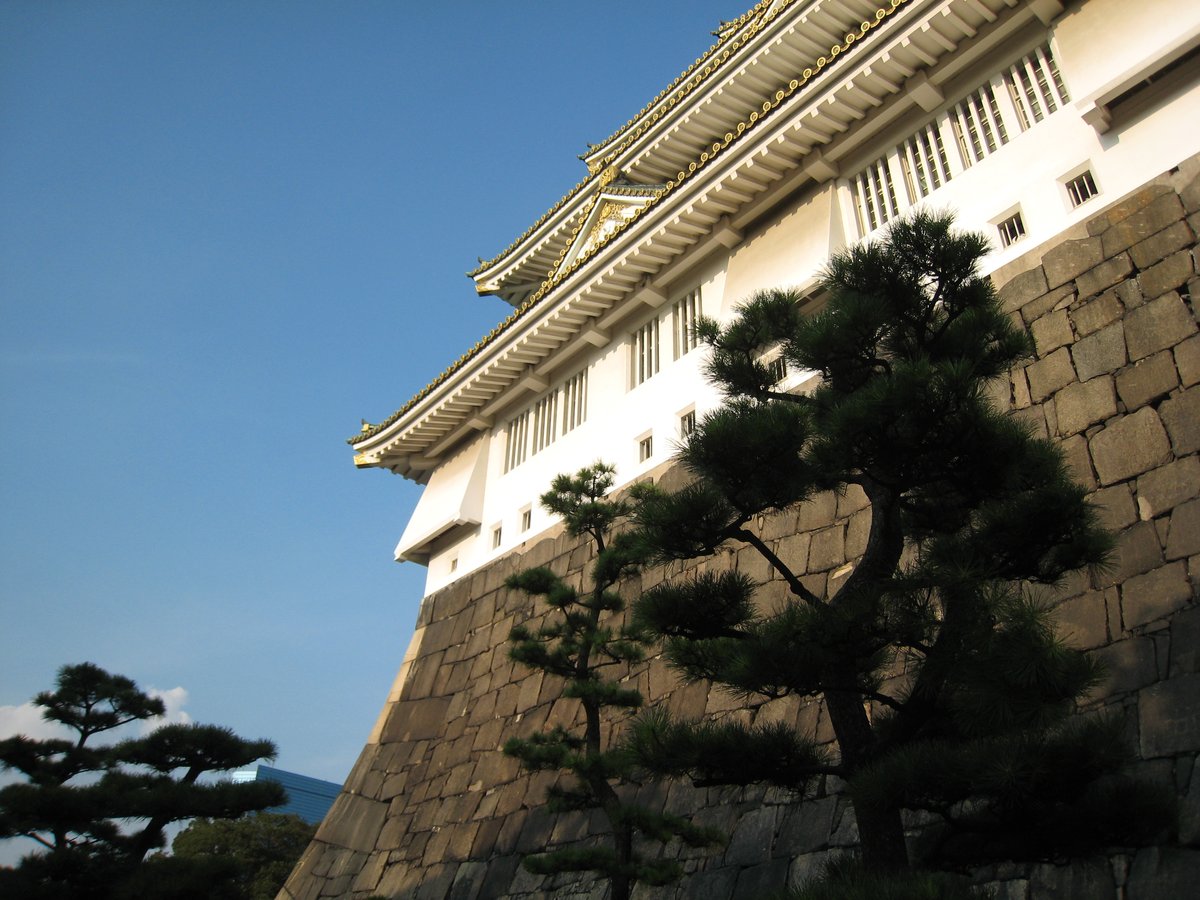
The building's best trick is how hard it tries to disappear. Nikken Sekkei sank the structure partially underground — roughly half the hall's 31,064 square meters of floor area sits below grade — so that its roofline wouldn't compete with the silhouette of Osaka Castle's main keep, perched on its hill a few hundred meters to the northwest. The exterior walls are clad in Setouchi granite, the same pale grey stone quarried from islands in the Inland Sea, deliberately cut and stacked to echo the rough-hewn fortification walls surrounding the castle. Run your hand along the facade and the texture is unmistakable: cool, gritty, ancient-feeling on a building barely four decades old. This architectural deference earned the hall an Osaka Urban Landscape Award. The best angle to appreciate the effect isn't from the main entrance but from the path on the Osaka Business Park side, where you can frame the granite facade against the distant castle turret and the surrounding treeline in a single photograph.
The Castle Park Walk: From Stone Walls to Sound Checks
Don't treat Osaka-Jō Hall as a destination you rush to. Treat the approach as part of the event. From Osakajokoen Station on the JR Osaka Loop Line, it's a five-minute walk — but slow down. The path threads through Osaka Castle Park's massive stone ramparts, some blocks weighing over 100 tonnes, past moats that reflect the sky like warped mirrors, and through plum groves that most fans sprint past without a glance. In spring, cherry blossoms frame the hall's granite walls in pale pink; in autumn, the ginkgo trees turn the approach road electric gold. If you arrive early on a show day, linger near the entrance. You can often hear the bleed of rehearsals through the walls — bass frequencies carrying a raw, unpolished quality that vanishes once the doors open and the production takes over. And check the parking area: the artists' branded touring trucks draw small crowds of fans photographing them like relics. The whole ritual — park, stone, silence, then the sudden roar of 16,000 people — is what makes an event here feel different from any downtown arena in Osaka.
Plan your visit
Getting There
From JR Osakajokoen Station on the Osaka Loop Line, it's a flat 5-minute walk east through the park. Alternatively, Osaka Business Park Station on the Nagahori Tsurumi-ryokuchi Line puts you equally close from the opposite side. Driving is possible but ill-advised on event days — park lots fill fast and post-show gridlock is brutal.
Opening Hours
As of 2025, Osaka-Jō Hall has no fixed public visiting hours — it operates entirely around its event calendar. Doors typically open 1–2 hours before showtime. The park surrounding it is accessible dawn to dusk, so you can always admire the granite-clad exterior even without a ticket.
Time Needed
If you're just passing through Osaka Castle Park and want to photograph the building, 15–20 minutes will do. For an event, budget 3–4 hours minimum: factor in the walk from the station, pre-show queuing, the event itself, and the infamous post-show crowd crush at Osakajokoen Station.
Accessibility
The venue has elevators and designated wheelchair-accessible seating areas. The route from both stations is paved and mostly flat, though the park paths can be gravel in places. The main entrance involves a significant number of stairs — visitors with mobility needs should ask staff to direct them to the barrier-free entrance.
Tickets
There's no general admission fee; you need a ticket for a specific event. Purchase through authorized Japanese vendors like Lawson Ticket, eplus, or Ticket Pia — international resellers like Klook occasionally carry e-tickets for select shows. Buy early, as the 16,000-capacity arena sells out faster than you'd expect.
Photo Gallery
The distinctive curved facade of Osaka-Jō Hall blends modern design with traditional stone masonry in the heart of Osaka, Japan. · Mc681The iconic Osaka-Jō Hall sits along a peaceful river in Osaka, Japan, contrasted by a towering glass skyscraper in the background. · そらみみA high-angle view of the unique, oval-shaped Osaka-Jō Hall nestled within a vibrant, tree-filled park in Osaka, Japan. · Ethan Doyle WhiteA scenic view of Osaka-Jō Hall in Japan, featuring its distinctive dome architecture illuminated by the golden light of a setting sun. · TokumeigakarinoaoshimaAn orange train crosses the bridge near Osaka-Jō Hall, with the historic Osaka Castle visible in the distance against the city skyline. · W0746203-1An elevated view of the iconic Osaka-Jō Hall, showcasing its unique circular architecture nestled within the historic park grounds of Osaka, Japan. · KENPEIThe distinctive green-roofed Osaka-Jō Hall sits prominently within the lush grounds of Osaka Castle Park in Japan. · Mc681
History
From Arsenal to Encore
The land beneath Osaka-Jō Hall has been reinvented more violently than almost any site in the city. During the Meiji era through 1945, the Osaka Army Arsenal occupied these grounds — a sprawling industrial complex that manufactured artillery shells and small arms for Japan's imperial campaigns. American firebombing in 1945 reduced it to rubble. For years after the war, the ruins became a lawless scrapyard where desperate survivors scavenged metal to sell on the black market.
By the early 1980s, the Osaka city government saw an opportunity. The 400th anniversary of Toyotomi Hideyoshi's construction of the original castle was approaching, and officials wanted a landmark to signal that Osaka had fully emerged from its postwar recovery. Records confirm the Hall was completed in 1983, designed by Nikken Sekkei and built by Taisei Corporation. It was marketed as "The Hall of the Orient" — the first venue in Japan capable of hosting international-class indoor athletics alongside world-tier concerts.
The turning point
The Novelist Who Remembered What the City Wanted to Forget
Science fiction writer Sakyo Komatsu knew this ground before the granite and the concert lights. In his 1964 novel Nihon Apache-zoku (The Japanese Apache Tribe), Komatsu depicted the desperate, marginalized people who lived among the bombed-out ruins of the Osaka Army Arsenal in the late 1940s — scavengers who stripped iron from the wreckage to survive, nicknamed "Apaches" by the press. The novel was raw, uncomfortable, and rooted in a reality Komatsu had witnessed firsthand as a young man in postwar Osaka.
When the city announced plans to build a gleaming international arena on the same site, the irony was not lost on Komatsu. The construction of Osaka-Jō Hall in 1983 represented, for him, the final act of erasure — the moment the city paved over the memory of its most desperate chapter with Setouchi granite and stadium seating. What had been a landscape of survival became a venue for pop concerts and basketball tournaments. Komatsu never publicly opposed the project, but his novel remains the only widely read account of what this land meant before the architects arrived.
The turning point was not a protest or a policy fight. It was quieter than that. Komatsu's book stayed in print. The Hall opened. Both versions of the story — the scrapyard and the stage — now coexist, though only one is visible. Walk across the plaza today and nothing marks the Arsenal or the people who lived in its ruins. Komatsu died in 2011. His novel is still the ghost in the machine.
A Building That Bows to Its Neighbor
Nikken Sekkei's design brief was essentially an act of architectural deference. The 14,539-square-meter footprint had to disappear into the landscape so that Osaka Castle's tower — itself a 1931 concrete reconstruction, not the original — would remain the visual anchor of the park. The solution was to excavate and sink the arena below grade, keeping the roofline lower than the surrounding tree canopy. The exterior granite cladding was quarried from the Setouchi Inland Sea region, its color and grain selected to echo the castle's 17th-century stone walls. The result is a building wearing camouflage — 31,064 square meters of modern steel and concrete dressed up as a feudal fortification.
The Midnight Rehearsal Advantage
Most major arenas in Japanese cities sit in commercial or residential districts, which means strict noise curfews and limited load-in windows. Osaka-Jō Hall's position inside the castle park — surrounded by moats, lawns, and the Daini Neya River rather than apartment blocks — gives it a rare operational freedom. Artists and production crews can run full-volume sound checks and rehearsals well past midnight without triggering a single residential complaint. This logistical quirk has made the Hall disproportionately popular with touring musicians, who often cite it as one of the most performer-friendly venues in the country. A five-minute walk from JR Osakajokoen Station on the Osaka Loop Line, it's easy to reach despite feeling remarkably isolated from the city's noise.
Tips for visitors
Plan Your Exit
After a sold-out show, the crush at JR Osakajokoen Station is legendary among Osaka concertgoers. Walk the extra 10 minutes to Osaka Business Park Station instead, or linger at JO-TERRACE for 20 minutes — the crowd thins remarkably fast.
No Stage Photos
Photography inside the arena during performances is strictly prohibited — enforcement is real, and staff will approach you. The exterior, framed against Osaka Castle's silhouette, makes a far better shot anyway.
Eat Before You Enter
JO-TERRACE Osaka, the dining complex just outside the park entrance, has solid options: Ten Ten Yu for Kyoto-style ramen on a budget, or Good Spoon for a mid-range dining bar with park views. Prices inside the venue are steep, so stock up at the Family Mart near the station.
Cheap Eats at Kyobashi
One stop east on the JR Loop Line, Kyobashi is Osaka's self-proclaimed tavern paradise — a tangle of okonomiyaki joints, yakitori alleys, and standing bars where ¥1,000 buys a full meal and a beer. Perfect for a post-show dinner that actually tastes like the city.
Stash Your Luggage
Coin lockers at both nearby stations fill up on event days. Café & Bal Magis at JO-TERRACE offers luggage storage for around ¥600 per item — a lifesaver if you're heading to the show straight from a hotel checkout.
Catch the 10,000 Ninth
Each winter, 10,000 amateur singers pack the arena for a mass performance of Beethoven's Ninth Symphony — a tradition unique to this hall. If you're in Osaka in December, it's one of the most emotionally overwhelming things a concert venue can do.
Where to Eat
local_dining
Don't Leave Without Trying
Okonomiyaki — savory pancake with flour, eggs, cabbage, and toppings like pork, octopus, or shrimp, grilled on a teppanTakoyaki — small, round, battered octopus balls served with sauce, mayonnaise, and bonito flakesKushi-age — deep-fried skewers of meat, vegetables, and seafoodKitsune Udon — thick wheat noodles in dashi broth topped with sweet, deep-fried tofuYakiniku — premium grilled beef, a Osaka favorite
33CAFE
quick bite
Cafe€€star3.4(23)
Order: Coffee and light pastries or sandwiches — a reliable spot for a quick caffeine fix before or after exploring the Hall.
Located in the Yomiuri TV Building just steps from Osaka-Jō Hall, this cafe offers convenient access without the tourist markup. It's where locals grab coffee on their way through the area.
checkThe immediate area around Osaka-Jō Hall is served primarily by JO-TERRACE OSAKA, a commercial facility within the park with approximately 30 shops including cafes, bakeries, and casual eateries — ideal for quick bites.
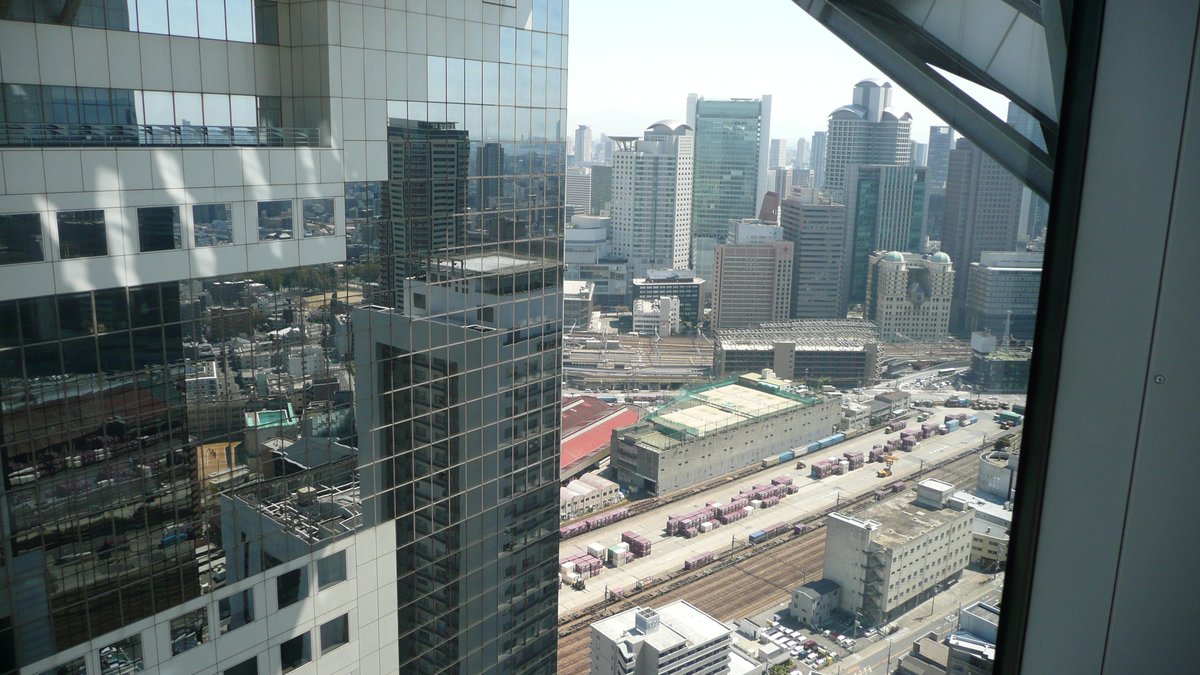
checkThe nearby Osaka Business Park (OBP) district contains numerous lunch-focused cafes and noodle shops (Udon/Soba) in office building basements, efficient for quick meals during your visit.
checkFor authentic market experiences and street food, travel via Osaka Metro to Kuromon Ichiba Market or Dotonbori, the city's primary hubs for fresh local food and takoyaki stands.
checkCheck restaurant websites or reservation platforms (OpenTable/Tabelog) before visiting, as menus and packages change seasonally.
Food districts:JO-TERRACE OSAKA — modern food hub within Osaka Castle Park with 30+ dining and retail optionsOsaka Business Park (OBP) — office district with casual lunch spots and noodle shopsKuromon Ichiba Market — accessible via Osaka Metro; traditional market for fresh food and street snacksDotonbori — accessible via Osaka Metro; famous district for street food and local specialties
Restaurant data powered by Google
Watch & Explore Osaka-Jō Hall.
Explore Osaka
TOP 10 OSAKA PLACES TO VISIT 🇯🇵 Osaka Travel Guide 🐙 #osakajapan
Sunny in Japan23 min478K
Explore Osaka
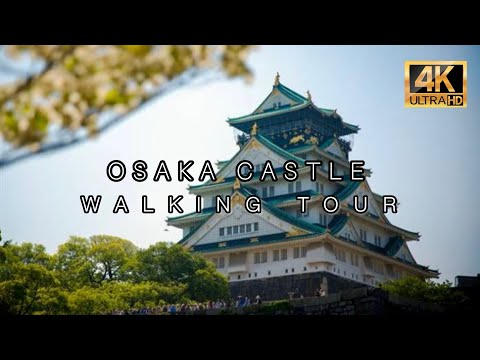
Osaka Castle Inside | Walking Tour | 2024 | 4K
Lovezl13 min9K
Frequently asked
Is Osaka-Jō Hall worth visiting?
Only if you have a ticket to an event — it's a concert and sports arena, not a sightseeing attraction with open doors. That said, the building itself rewards a detour even from the outside: the Setouchi granite cladding deliberately mimics the castle's Edo-period stone walls, and the whole structure is sunk into the ground so it won't upstage the nearby castle keep. If you're already walking through Osaka Castle Park, the approach from the Osaka Business Park side offers a striking angle where the hall, the greenery, and the distant castle turret line up for a photograph worth the five-minute walk.
How do I get to Osaka-Jō Hall from Osaka?
The fastest route is the JR Osaka Loop Line to Osakajokoen Station, then a five-minute walk east through the park. You can also take the Nagahori Tsurumi-ryokuchi Line to Osaka Business Park Station, which is equally close but approaches from the modern office-tower side rather than through the park. Both options run frequently and cost under ¥200 from central Osaka.
How long do you need at Osaka-Jō Hall?
For an event, budget three to four hours including the walk through the park and the post-show crush at the station. If you're just passing by to see the architecture and snap photos of the granite exterior against the castle backdrop, 15 to 30 minutes is plenty. Fair warning: after a sold-out show, Osakajokoen Station gets so packed that locals recommend adding an extra 30 minutes to your departure plan.
Can you visit Osaka-Jō Hall for free?
You can walk around the exterior and admire the architecture for free — the building sits in the public grounds of Osaka Castle Park. But stepping inside requires a ticket to a specific event, whether that's a concert, a sports match, or the famous annual '10,000 People Ninth' choral performance of Beethoven's Symphony No. 9. There's no general admission or daily tour.
What is the best time to visit Osaka-Jō Hall?
Spring is hard to beat: the park's cherry blossoms frame the hall's grey granite in pink, and the walk from the station becomes a hanami stroll in its own right. Winter has its own draw — the annual mass performance of Beethoven's Ninth fills the 16,000-seat arena with choral sound that locals treat as a seasonal tradition. Summer works if you're attending a show, since the climate-controlled interior is a relief from Osaka's punishing humidity.
What should I not miss at Osaka-Jō Hall?
Touch the exterior walls. The Setouchi granite was cut and stacked to imitate the rough-hewn fortification stones of the castle itself — a modern steel-frame building wearing a 400-year-old disguise. Before the doors open for a show, stand near the entrance and listen: the hall's park-isolated location means rehearsal sound bleeds through with a raw, unpolished quality you won't hear once you're seated inside. And don't skip the plum groves just outside the venue — they're a quiet counterpoint to the pre-show frenzy that most concertgoers walk straight past.
What was Osaka-Jō Hall before it was built?
The site was once part of the Osaka Army Arsenal, one of Japan's largest weapons-manufacturing complexes from the Meiji era through 1945, when American firebombing levelled it. Science fiction writer Sakyo Komatsu immortalized the desperate post-war squatters who lived in the ruins in his novel Nihon Apache-zoku. The hall's 1983 opening — commemorating 400 years since Toyotomi Hideyoshi built Osaka Castle — effectively paved over that raw, post-war chapter with a gleaming 'Hall of the Orient.'
Where to eat near Osaka-Jō Hall?
JO-TERRACE OSAKA, the dining complex right in the park, has solid options: Ten Ten Yu for Kyoto-style ramen on a budget, and Good Spoon for a sit-down meal with views of the greenery. For something more ambitious, the Hotel New Otani Osaka nearby houses Jojoen Yugentei, a high-end yakiniku spot. The real local move is to walk to the Kyobashi area — about ten minutes on foot — where cheap okonomiyaki and teppanyaki joints crowd the streets in what regulars call a 'tavern paradise.'
Sources & attribution12
Researched and written by the Audiala editorial team from historical records, architectural archives, and local expertise. Last updated April 2026.
Aerial photo of Osaka Business Park 14-Aug-2019 — 皓月旗 — CC BY-SA 4.0 (https://creativecommons.org/licenses/by-sa/4.0/) — Source: https://commons.wikimedia.org/wiki/File:Aerial_photo_of_Osaka_Business_Park_14-Aug-2019.jpg
Neyagawa River from Osakajo-Shimbashi Bridge 2 — そらみみ — CC BY-SA 3.0 (https://creativecommons.org/licenses/by-sa/3.0/) — Source: https://commons.wikimedia.org/wiki/File:Neyagawa_River_from_Osakajo-Shimbashi_Bridge_2.JPG
Osaka-Jo Hall as seen from the Osaka Castle Keep Tower — Ethan Doyle White — CC BY-SA 4.0 (https://creativecommons.org/licenses/by-sa/4.0/) — Source: https://commons.wikimedia.org/wiki/File:Osaka-Jo_Hall_as_seen_from_the_Osaka_Castle_Keep_Tower.jpg
OSAKA-JO HALL — Tokumeigakarinoaoshima — CC BY-SA 4.0 (https://creativecommons.org/licenses/by-sa/4.0/) — Source: https://commons.wikimedia.org/wiki/File:OSAKA-JO_HALL.jpg
Osaka Loop Line view-02 — W0746203-1 — CC BY-SA 3.0 (https://creativecommons.org/licenses/by-sa/3.0/) — Source: https://commons.wikimedia.org/wiki/File:Osaka_Loop_Line_view-02.jpg
Osaka-jo Hall in 201408 — Mc681 — CC BY-SA 4.0 (https://creativecommons.org/licenses/by-sa/4.0/) — Source: https://commons.wikimedia.org/wiki/File:Osaka-jo_Hall_in_201408.JPG
Osaka Castle Park, Osaka Prefecture; April 2014 (03) — wongwt — CC BY-SA 2.0 (https://creativecommons.org/licenses/by-sa/2.0/) — Source: https://commons.wikimedia.org/wiki/File:Osaka_Castle_Park,_Osaka_Prefecture;_April_2014_(03).jpg
Strictly necessary cookies keep the site working. Analytics (PostHog, Google Analytics) measures how each visitor uses our pages. Marketing loads YouTube videos and walking-route maps without a tap and lets Google Analytics set advertising cookies. We never sell your data. You can change this any time from the footer.
Analytics and marketing cookies are optional and only load if you agree. Details under Customize.
Privacy
Cookie preferences
Pick what you're okay with. You can change this any time from the footer.
Strictly necessary
Always on
Sign-in, language, navigation. Always on.
Product analytics
PostHog (EU) and Google Analytics record which pages you view and how you use them, under a random identifier stored in your browser. Helps us see which pages work and which need fixing. Google's ad personalisation stays off. No selling.
Marketing
Loads YouTube videos and the walking-route maps (OpenFreeMap) without a tap; without it, they load only when you tap them. If analytics is also on, Google Analytics may set advertising cookies. Ad personalisation stays off.