Katamachi Station: A Historic Railway Landmark in Osaka
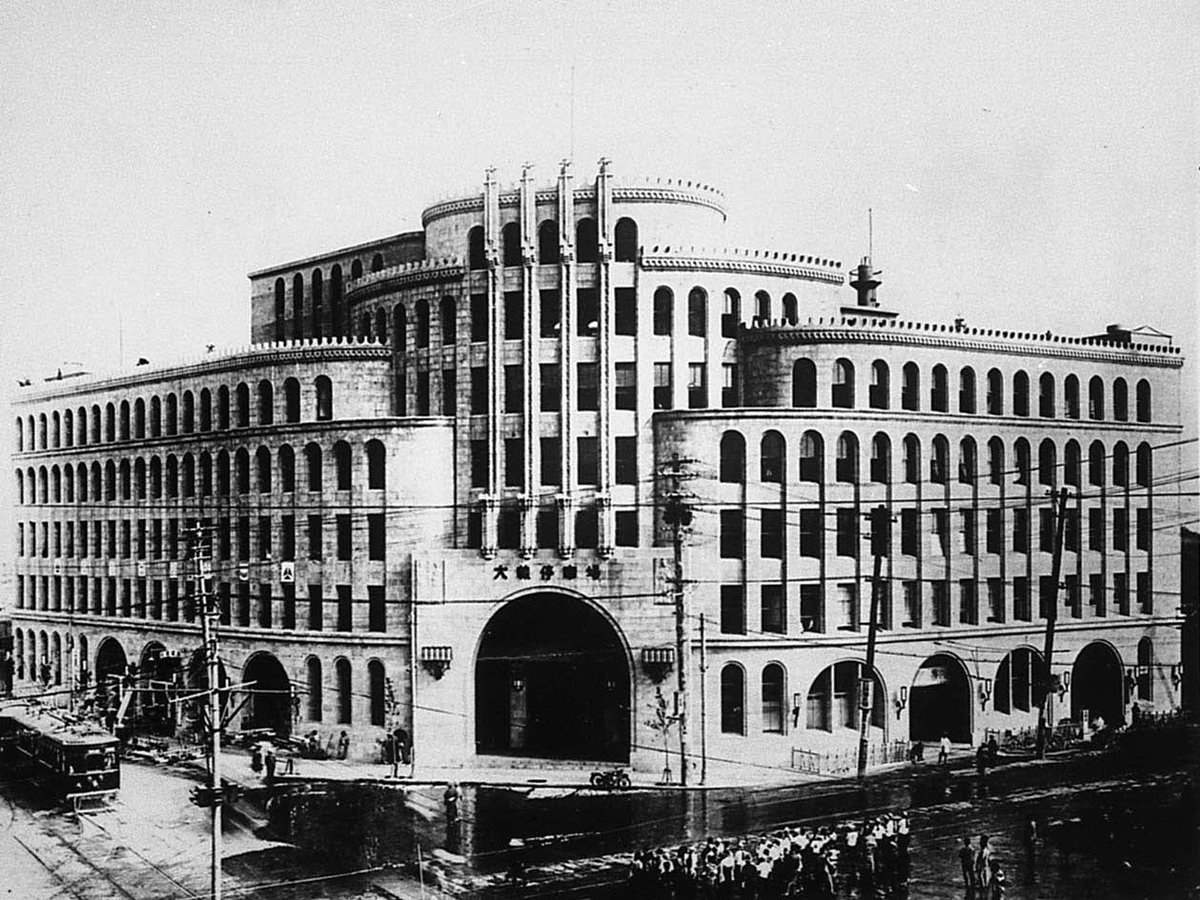
Katamachi Station (片町駅), located in Miyakojima Ward, began operations in 1895 and soon became a major terminal on the Katamachi Line. The station played a pivotal role in connecting Osaka with its northeastern regions for over a century. Although it closed in 1997, enthusiasts and visitors continue to seek out the site and its history.
Originally known as Nodabashi Station, it became the terminus of the Katamachi Line (later the Gakkentoshi Line) operated by JR West, after being acquired by Kansai Railway from the Naniwa Railway Company. Electrification in 1932 made the Katamachi–Shijonawate section the first fully electrified railway in the Osaka-Kobe-Kyoto region. The station endured war, reconstruction, and modernization before its closure, after which Kyobashi Station absorbed its functions.
Visiting Katamachi Station Today
Accessibility
Katamachi Station is no longer operational, and the former site is now occupied by commercial facilities. There is no public access to the original station structure, nor are tours or exhibitions hosted on-site.
What to See
Although the physical station has vanished, the Katamachi area remains vibrant. Visitors can explore the adjacent Katamachi Shopping Street, view historical plaques, and experience the local culture. The site is easily accessed from Kyobashi Station—a major interchange connecting JR West lines, Osaka Metro, and private railways.
Hours and Tickets
- Visiting Hours No designated hours; the area is open to the public year-round.
- Tickets No entry ticket is required for the site itself. Travelers using the rail network can purchase tickets or use IC cards at Kyobashi Station.
Tips for Visitors
- Getting There The nearest active station is Kyobashi Station, about a 5-minute walk from the former Katamachi Station site.
- Nearby Attractions Osaka Castle Park, Osaka Business Park, and the Kyobashi entertainment district are within walking distance.
- Photography Capture urban landscapes and historical markers to document Osaka’s railway heritage.
The Station’s Legacy & Cultural Significance
Katamachi Station’s legacy endures in the name of the Katamachi Line (Gakkentoshi Line). The site reflects Osaka’s transformation from a merchant city to a modern metropolis, and its residents continue to honor this legacy through community initiatives and cultural events. The area exemplifies the city’s approach to blending heritage with urban regeneration.
Kyobashi Station and Nearby Attractions
Visiting Hours and Ticketing
- Kyobashi Station Hours Approx. 5:00 AM to midnight.
- Ticketing Tickets for the Gakkentoshi Line are available at vending machines and counters. IC cards (ICOCA, SUICA) and KANSAI ONE PASS are accepted (Lets Dango).
Urban Development Context
The transition from Katamachi to Kyobashi Station has fostered commercial and cultural growth, making Kyobashi a major transportation node and urban center (Osaka Station Guide).
Accessibility and Facilities
Kyobashi Station is equipped with elevators, escalators, barrier-free access, multilingual signage, and information desks to assist all travelers.
Key Nearby Attractions
- Osaka Castle & Nishinomaru Garden Easily accessible and ideal for history and nature lovers.
- River Cruises Aqua-Liner and Osaka-Jo Gozabune boats offer scenic views.
- Doshisha University & Academic Institutions Accessible via the Gakkentoshi Line.
Travel Tips and Events
- Avoid Peak Hours Visit outside 7:00–9:00 AM and 5:00–7:00 PM.
- Festivals Seasonal events like Tenjin and Sumiyoshi festivals are easily accessed via the Gakkentoshi Line (Japan Food Guide).
- Guided Tours Some local operators offer tours of Kyobashi, Osaka Castle, and the surrounding districts.
Katamachi Line (Gakkentoshi Line) Guide
Historical Development
- Origins Opened in the late 19th century, serving as a key link between Osaka and Kyoto.
- Prewar Era Supported military logistics and industrial development.
- Postwar Evolution Shifted focus to passenger service, with rapid modernization.
- Rebranding Became the "Gakkentoshi Line" in 1988, emphasizing its role in connecting Kansai Science City.
Practical Visitor Information
- Operating Hours First trains at 5:00 AM; last trains around midnight.
- Tickets Fares range from 150–600 yen depending on distance; IC cards and regional passes are accepted.
- Accessibility All stations offer barrier-free features, multilingual signage, and digital ticketing.
- Key Connections Kyobashi (Osaka Loop Line, JR Tozai Line), Kizu (Kansai Main Line, Nara Line).
Infrastructure and Future Developments
Continuous improvements in rolling stock, station amenities, and connections (e.g., the Osaka Higashi Line, planned Naniwasuji Line) ensure ongoing comfort and convenience for passengers.
Passenger Experience
Stations are clean and safe, with priority seating, real-time information displays, and helpful staff.
The Former Katamachi Station Site: What to Expect
Location and Redevelopment
The former station sits in the Kyōbashi district, integrated into the Katamachi Shopping Street and adjacent urban spaces. The area has been transformed into pedestrian walkways, landscaped plazas, and commercial facilities (Osaka Station Map).
Things to Do and See
- Historical Markers Plaques and displays commemorate the station’s past.
- Public Art Sculptures and murals evoke local railway heritage.
- Green Areas Parks and seating spaces provide relaxation.
- Community Events The plaza hosts festivals and cultural activities (Osaka Events).
Local Dining and Shopping
The Katamachi Shopping Street features izakayas, cafes, and shops selling railway-themed goods and regional specialties like takoyaki and okonomiyaki (Osaka Food Culture).
Safety and Accessibility
The area is safe, well-patrolled, and barrier-free, with public restrooms and free Wi-Fi in select spots (Accessibility in Osaka).
Frequently Asked Questions (FAQ)
Q: Can I visit Katamachi Station today?
A: The station itself is closed, but the site is now an open public area within the Katamachi Shopping Street.
Q: Are there entrance fees?
A: No, the area is free to visit.
Q: How do I get there?
A: Alight at Kyobashi Station and follow signs to the Katamachi exit.
Q: Are guided tours available?
A: Local operators offer tours that include the Katamachi area and historical sites.
Summary: Visiting Katamachi Station and its Legacy
Though Katamachi Station ceased operations in 1997, its impact on Osaka’s transportation and urban identity continues. The transformation into Kyobashi Station symbolizes Osaka’s ability to balance historical preservation with modern development. The Katamachi Line (Gakkentoshi Line) remains a vital artery, while the former station site has become a vibrant community space celebrating railway heritage. Practical travel tips—such as using IC cards, avoiding peak hours, and joining guided tours—ensure a fulfilling visit. Ongoing infrastructure improvements promise enhanced convenience for future travelers.
Download the Audiala app for guided tours and real-time updates, and explore related Osaka historical sites for a deeper appreciation of the city’s evolution (Audiala, Osaka Castle).