Origins and Vision
The origins of the Sakishima Building date to the early 1990s, when Osaka aimed to transform its bay area into a vibrant economic and business zone. The building was envisioned as a landmark attracting international commerce and symbolizing Osaka’s commitment to modernization (technicalparameters.eu). Construction, led by Takenaka Corporation, began in 1991 and finished in 1995, resulting in a 256-meter skyscraper that was a product of both ambition and innovation. Its location on Sakishima Island, itself a product of land reclamation, underscores Osaka’s focus on sustainable urban development.
Architecture and Engineering
Designed by Nikken Sekkei, the Sakishima Building exemplifies modern Japanese architecture with its glass curtain wall and distinctive inverted pyramid observation deck (muza-chan.net). Its engineering was tailored for seismic resilience—a must in Japan—integrating high-strength steel, reinforced concrete, and a core-and-outrigger structural system. This system features a central reinforced concrete core for vertical and lateral support, with outrigger trusses connecting to the perimeter, ensuring stability against both wind and earthquakes (EAA Architecture).
The building’s height matches the Rinku Gate Tower, reflecting a spirit of competition between Osaka’s city and prefectural governments (japantravel.navitime.com).
Purpose and Naming Evolution
Initially known as the Osaka World Trade Center (WTC Tower), the building was intended as a center for international business. Economic changes and policy shifts later led to its acquisition by the Osaka Prefectural Government in 2010, when it was renamed and repurposed as the administrative headquarters, housing the governor’s office and various departments (Wikipedia).
Hours, Tickets, and Visitor Information
Sakishima Cosmo Tower Observatory
- Hours Daily, 10:00 AM – 8:30 PM (last admission 8:00 PM)
- Tickets 800 JPY for adults; discounts for children, seniors, and groups
- How to Purchase Onsite at the ticket counter or online via the official Osaka Info site
Government Offices
- Hours Monday–Friday, 9:00 AM – 5:30 PM (closed weekends/national holidays)
- Admission Free for public areas and exhibitions; access to administrative zones may require authorization
Accessibility and Travel Tips
- Accessibility Elevators, ramps, tactile paving, wheelchair-accessible restrooms, and barrier-free routes throughout
- Recommended Visit Times Weekdays or early mornings for fewer crowds
- Transport
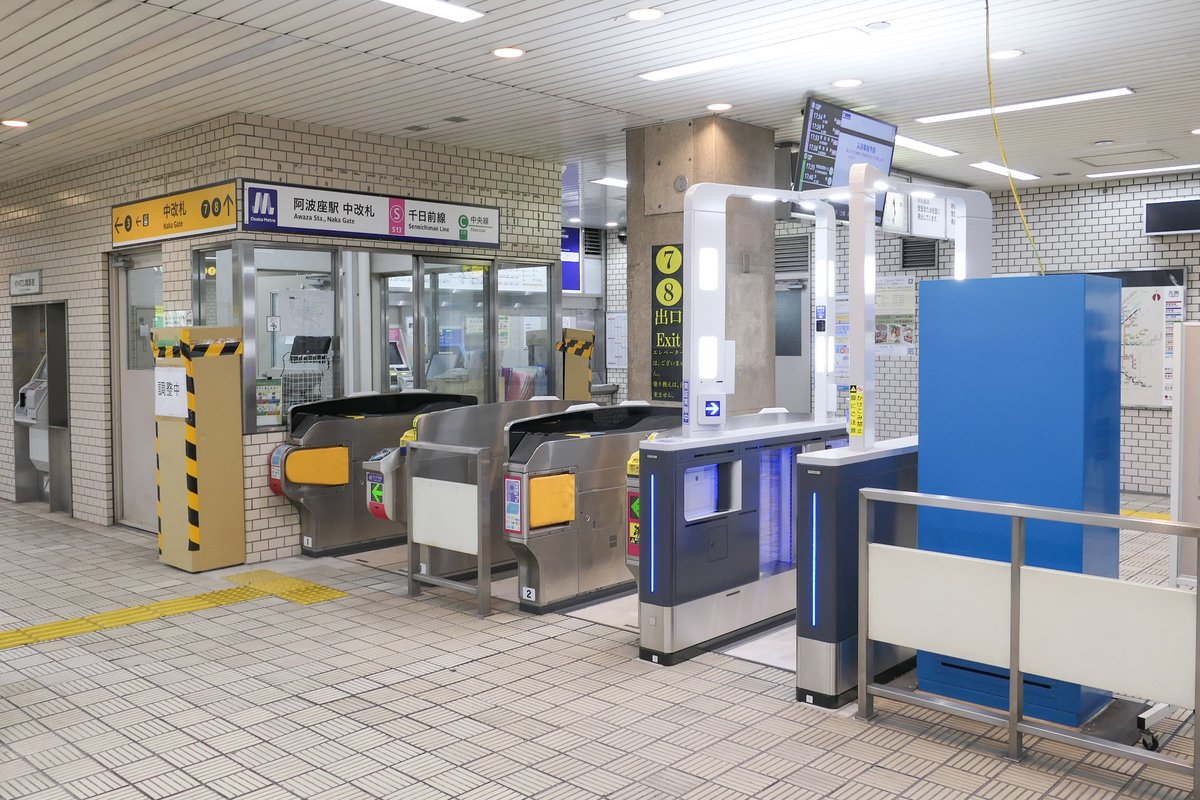
- Subway Osaka Metro Chuo Line to Cosmosquare Station, then a short walk
- Nanko Port Town Line Trade Center-mae Station, with direct underground access
- Car Onsite paid parking available
- From Kansai Airport Nankai Airport Line to Namba, then metro transfer; or airport limousine bus
Nearby Attractions
- INTEX Osaka Major exhibition and convention center, 5-minute walk
- Osaka Aquarium Kaiyukan Renowned aquarium, 15 minutes by train (official site)
- Tempozan Harbor Village Shopping, dining, and the Tempozan Ferris Wheel, accessible by train
- Universal Studios Japan 20–30 minutes by train
- Grand Green Osaka and Umekita Park Urban park and shopping, opening September 2024
- Expo ’70 Commemorative Park Museums and gardens, around 60 minutes by train/monorail
Events and Guided Tours
The Sakishima Building occasionally hosts international summits, exhibitions, and special nighttime illuminations. Guided tours (primarily for groups or educational visits) provide insight into government operations and architectural features; advance booking is advised (Osaka Prefectural Government).
Symbolism and Urban Identity
Beyond its administrative function, the Sakishima Building is a symbol of Osaka’s postwar recovery, modernization, and international outlook. Its presence on reclaimed land underscores the city’s ongoing reinvention, and its futuristic silhouette makes it an icon in media and tourism promotions (technicalparameters.eu).
Economic and Cultural Impact
The building has attracted both domestic and international businesses, anchoring the Cosmo Square business district. Its event spaces host summits and diplomatic gatherings, contributing to Osaka’s global connections and economic revitalization. Culturally, it is celebrated as one of Japan’s “100 best night views,” and its observatory is a favorite spot for both locals and tourists (japantravel.navitime.com).
Challenges and Future Prospects
While facing competition from newer skyscrapers and shifting office demand, the Sakishima Building is expected to see renewed interest with the Osaka-Kansai Expo 2025 and the development of Yumeshima Island. Its role as a gateway to waterfront redevelopment remains central (kanpai-japan.com; technicalparameters.eu).
Historical Context in Osaka’s Urban Development
Osaka’s history as a “city of water” and commerce is reflected in the Sakishima Building’s location and function. It embodies the city’s adaptability, linking an ancient trading hub to a modern metropolis (nippon.com).
Frequently Asked Questions (FAQ)
Q: What are the observatory visiting hours?
A: 10:00 AM – 8:30 PM (last admission at 8:00 PM).
Q: What is the observatory admission fee?
A: 800 JPY for adults; discounts for children, seniors, and groups.
Q: Is the building wheelchair accessible?
A: Yes, with elevators, ramps, and accessible restrooms.
Q: Are guided tours available?
A: Yes, especially for groups; advance booking is recommended.
Q: How do I get there from Kansai International Airport?
A: Nankai Airport Line to Namba, then Osaka Metro and Nanko Port Town Line; or airport limousine bus.
Practical Tips for Visitors
- Use IC cards (ICOCA/Suica) for seamless transit.
- Multilingual signage and digital kiosks are available inside.
- Tripods are not allowed in the observatory; use handheld devices for photography.
- Dress comfortably and check the weather—Osaka summers can be hot and humid (Japan Highlights: Osaka Weather in July).
- Dining options include cafeteria-style restaurants in the building and nearby eateries.
- Free Wi-Fi is available in public areas.