Origins & Architectural Vision
Conceived during Japan’s economic boom of the late 1980s, the original “City of Air” project was to feature four interconnected towers. Economic downturns led to a scaled-back realization: two 40-story towers joined by a dramatic sky bridge (osaka.com; osaka-tickets.com). Completed in 1993 and designed by Hiroshi Hara, also known for Kyoto Station, the Umeda Sky Building embodies a “gateway to the city” concept, with futuristic geometry and traditional Japanese design harmoniously blended (buildingpedia.com).
Engineering & Design Highlights
- Twin Towers Each rises 173 meters with 40 floors.
- Floating Garden Observatory A circular, open-air sky bridge on the 39th and 40th floors provides 360° views (japan-guide.com).
- Glass Escalators & Elevators Suspended between towers, offering thrilling panoramic rides (osaka-tickets.com).
- Reflective Glass Cladding Creates a dynamic silhouette that changes with light and weather (buildingpedia.com).
- Structural Innovation Steel frameworks ensure stability and openness, even in earthquake-prone Osaka.
Cultural Significance
The Umeda Sky Building is more than a feat of engineering—it’s a cultural symbol of Osaka’s resilience and forward-looking spirit. The observatory’s “garden in the air” concept pays homage to traditional Japanese appreciation for nature, while its modern form reflects the city’s urban ambitions. In 2008, it was recognized among the “Top 20” most impressive buildings globally by Dorling Kindersley, the only Japanese structure to achieve this honor (osaka.com).
Visiting Hours & Ticket Information
Floating Garden Observatory
- Hours 9:30 AM – 10:00 PM (last entry 9:30 PM; hours may vary on holidays)
- Admission Adults ~¥1,500; discounts for children, seniors, and groups. Tickets available onsite or online (osaka-tickets.com; lestacworld.com).
- Combo Passes The Osaka Amazing Pass often includes discounted or free entry.
Umeda DT Tower (Public Areas)
- Hours 9:00 AM – 10:00 PM (for shops and restaurants; office floors restricted)
- Admission Free for public zones; tickets required for observatory and select attractions (Skyscraper Center).
Accessibility & Visitor Facilities
- Wheelchair Accessibility Elevators, ramps, and accessible restrooms throughout (Agoda Travel Guide).
- Family-Friendly Stroller access, baby changing facilities, and rest areas available.
- Multilingual Signage English, Japanese, and frequently Chinese/Korean.
- Luggage Services Coin lockers and hands-free travel/luggage delivery at nearby tourist centers (Enjoy Osaka Kyoto Kobe).
- Tourist Centers Multilingual support, tickets, and travel advice near JR Osaka Station and Hankyu Umeda Station.
Floating Garden Observatory Experience
Highlights:
- 360° Panoramic Views See Osaka’s skyline, Yodo River, Awaji Island, and on clear days, as far as Kobe and Mount Ikoma.
- Sky Walk Open-air rooftop with phosphorescent “Milky Way” floor lighting at night (matcha-jp.com).
- Glass Escalator Suspended, transparent-walled escalators for an exhilarating ascent.
- Photo Spots Unbeatable for sunset and night photography.
Access:
Take the glass elevator from the 3rd to the 35th floor, then ride the escalator bridging the towers up to the observatory.
Dining, Shopping & Art
- Takimi Koji Gourmet Street Retro Showa-era (1920s–40s) basement dining area with Osaka specialties like okonomiyaki and takoyaki (matcha-jp.com).
- Sky Lounge Stardust 39th-floor restaurant/bar with panoramic views.
- Koji Kinutani Tenku Art Museum Vibrant murals and interactive art installations (matcha-jp.com).
- Boutiques & Souvenir Shops Traditional crafts, modern Japanese goods, and unique mementos.
Getting There & Transportation
- From JR Osaka Station 5–10 minute walk, clearly signposted.
- Nearby Subway Umeda Station (Midosuji Line), Higashi-Umeda (Tanimachi Line), and Nishi-Umeda (Yotsubashi Line), all within 10 minutes’ walk (lestacworld.com).
- By Bus Multiple city bus lines stop nearby (goldenislandsenorita.net).
- By Car Paid parking available, though limited.
Walking Tip: Covered walkways and underground passages connect the tower with major stations and shopping centers (The Backpacking Family).
Nearby Attractions
- Grand Front Osaka Massive shopping, dining, and entertainment complex adjacent to Osaka Station.
- HEP FIVE Ferris Wheel Iconic red Ferris wheel atop a shopping center, offering city views (Live Japan).
- Osaka Museum of Housing and Living Explore historical recreations of Osaka neighborhoods.
- Nakanoshima Museum of Art Contemporary art exhibitions (Condé Nast Traveler).
- Tenjinbashisuji Shopping Street Japan’s longest shopping arcade, filled with local eateries and shops.
- Osaka Castle One of Japan’s most famous historical landmarks, a short train ride away (JW Web Magazine).
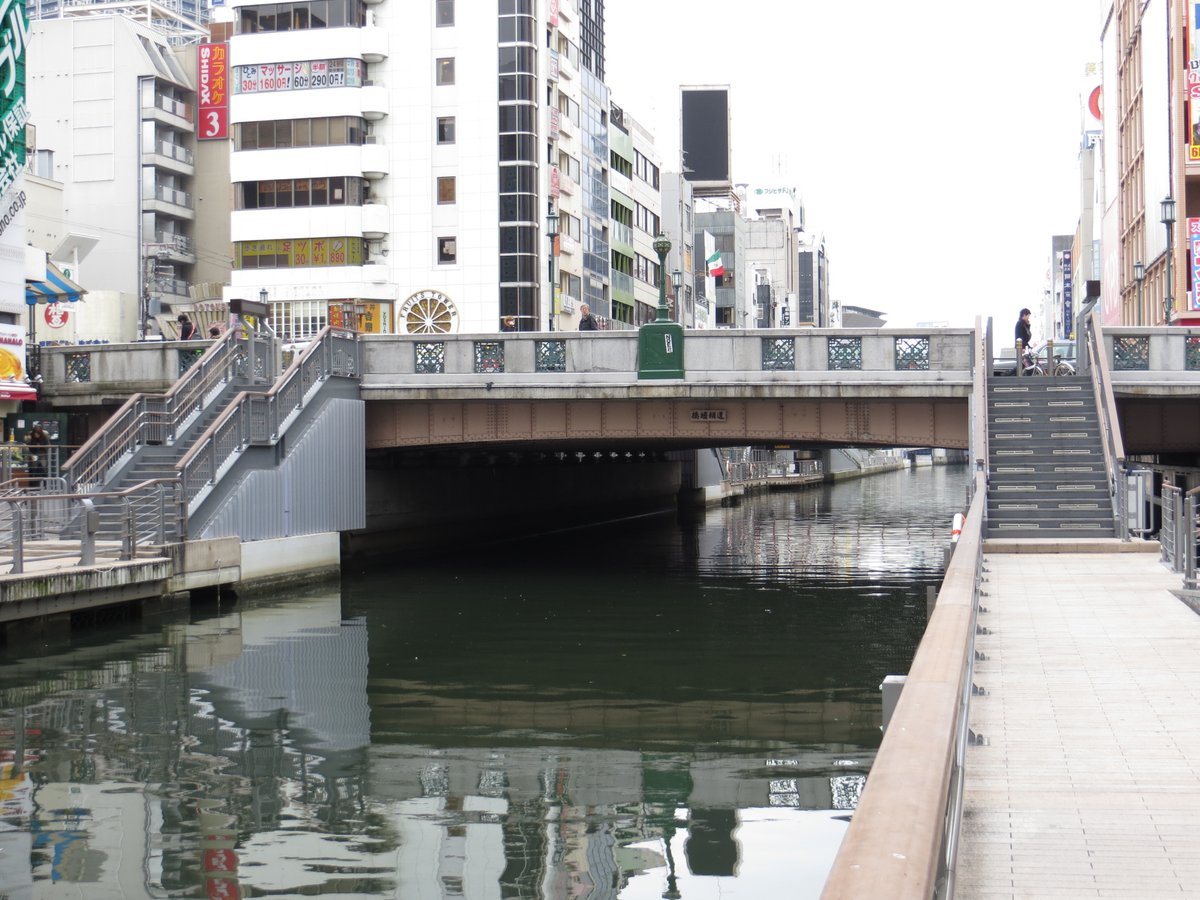
- Dotonbori (Minami) Renowned nightlife and street food district, easily accessed via subway (Condé Nast Traveler).
Visitor Tips & FAQs
Best Times to Visit:
- Sunset & Night For spectacular city lights and photography.
- Weekdays/Early Mornings For fewer crowds (lestacworld.com).
Dress Code:
- Comfortable attire recommended, especially for the open-air rooftop.
Photography:
- Allowed throughout public areas and the observatory; tripods may be restricted during peak times.
Accessibility:
- Building is fully accessible for wheelchairs and strollers.
Guided Tours:
- Offered on weekends and holidays for deeper insights.
FAQ Quick Reference:
- Q What are the Umeda Sky Building’s visiting hours?
A: 9:30 AM – 10:00 PM (last entry 9:30 PM). - Q How much are tickets?
A: ~¥1,500 for adults, discounts for children/seniors. - Q Is the building accessible?
A: Yes, with elevators, ramps, and accessible restrooms. - Q Are guided tours available?
A: Yes, on select dates. - Q Can I take photos?
A: Yes; restrictions may apply for tripods.
Practical Summary Table: Key Nearby Attractions
| Attraction | Type | Distance | Features |
|---|---|---|---|
| Umeda Sky Building | Observatory | On-site | 360° views, Sky Walk, Milky Way lighting |
| Grand Front Osaka | Shopping/Dining | 3-min walk | 260+ stores, direct station access |
| HEP FIVE & Ferris Wheel | Shopping/Leisure | 7-min walk | Iconic Ferris wheel, youth fashion |
| Osaka Museum of Housing & Living | Museum | 12-min walk | Edo-era recreations, cultural exhibits |
| Nakanoshima Museum of Art | Museum | 15-min walk | Contemporary art |
| Tenjinbashisuji Shopping Street | Shopping Street | 15-min walk | Local food, 2.6km arcade |
| Osaka Castle | Historical Landmark | 15-min by train | Feudal history, grounds, cherry blossoms |
| Dotonbori (Minami) | Entertainment/Food | 10-min by subway | Neon lights, nightlife, street food |