Exploring Tanimachi Rokuchōme: History and Urban Evolution
A Historic Crossroads
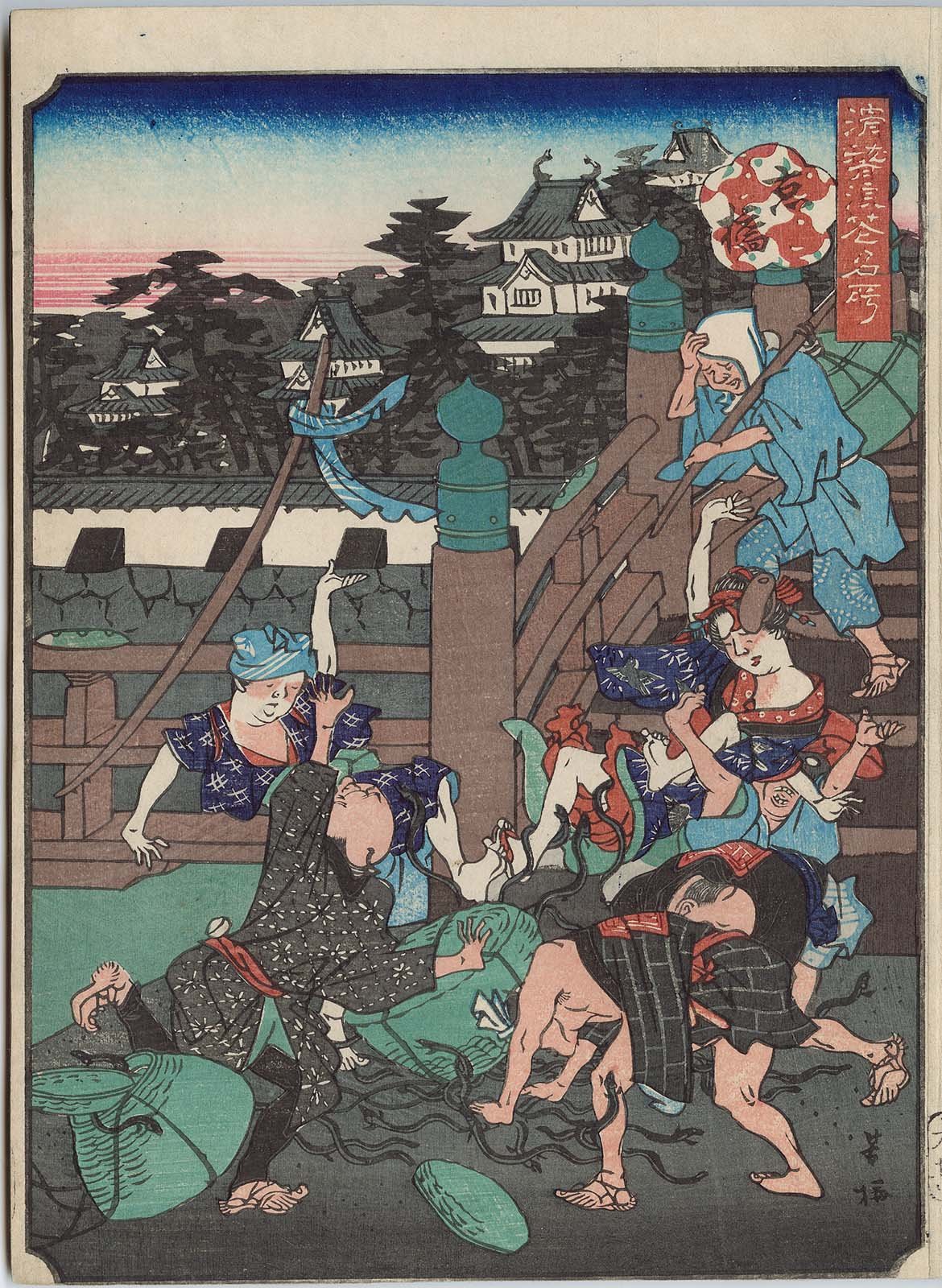
Situated at the intersection of Sakaisuji and Hiranomachi Street, Tanimachi Rokuchōme has long played a central role in Osaka’s commercial and cultural development (Asia Digest). Sakaisuji, a key thoroughfare since the Edo period, and Hiranomachi Street, a bustling commercial artery, both reflect Osaka’s status as a merchant city.
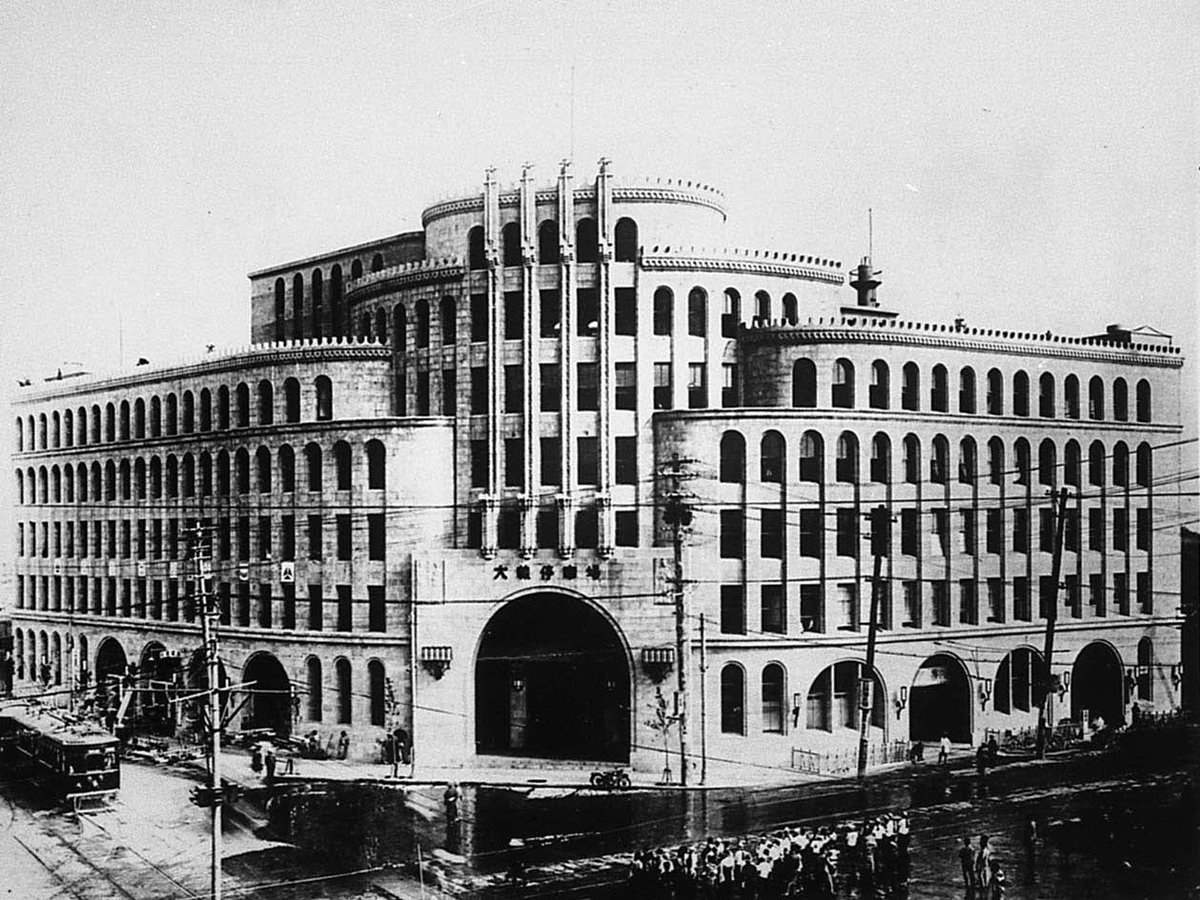
The area bears the marks of major historical transitions. The aftermath of the Summer Siege of Osaka led to the city’s reconstruction as a center of commerce and culture. The Meiji era ushered in modernization: gas lamps, Western architecture, and a cosmopolitan population became defining features (Asia Digest). Taisho-era innovations—streetcars and department stores—further modernized the district.
World War II brought devastation, but landmarks such as Osaka Castle’s main tower survived, serving as symbols of resilience and recovery (Asia Digest). The Showa period saw the area emerge as a hub for printing, attracting artists like Osamu Tezuka and fostering a legacy of creativity (Tabi-Rin).
Architectural and Cultural Heritage
Tanimachi Rokuchōme’s streets blend traditional machiya (townhouses) with modern structures and retro Showa-era storefronts. Many machiya are now home to cafés, guesthouses, and boutiques. Quiet alleys with distinctive roofed entrances provide glimpses into the community’s daily life (Tabi-Rin).
Cultural venues such as the Naoki Sanjuugo Memorial Museum celebrate local literary achievements, while nearby shopping streets and theaters showcase Osaka’s culinary and performing arts traditions.
Festivals and Community Life
While the district does not host the city’s largest festivals, its proximity to major events like the Tenjin Festival, Sumiyoshi Matsuri, and Aizen Matsuri makes it a great base for festival-goers (Magical Trip). Local shopping streets are lively during these times, with food stalls and traditional performances.
Visitor Essentials: Hours, Tickets, and Accessibility
Visiting Hours:
- Most shops, museums, and galleries open from 10:00 AM to 6:00 PM daily. Some cafés and restaurants stay open later.
Tickets:
- Naoki Sanjuugo Memorial Museum: ~500 yen (adults), discounts for students/seniors
- Osaka Museum of Housing and Living: ~600 yen (adults)
- Osaka Amazing Pass: Offers unlimited metro rides and free entry to many attractions (Osaka Amazing Pass)
Getting There:
- Tanimachi Rokuchōme Station connects the Tanimachi (T23) and Nagahori Tsurumi-ryokuchi (N18) subway lines, offering easy access from major Osaka districts (Wikipedia).
- The area is pedestrian-friendly, and bike rentals are available.
Accessibility:
- Stations and most attractions are wheelchair accessible; some traditional buildings and alleys may be less so.
Guide to Nearby Historical and Cultural Attractions
Osaka Castle
- Hours 9:00 AM–5:00 PM (last entry 4:30 PM), closed Dec 28–Jan 1
- Admission Adults 600 yen, children free (Osaka Castle Official)
- Getting There 10–15 min walk from Tanimachi Rokuchōme Station or via Tanimachi and Chuo subway lines
Osaka Museum of History
- Hours 9:30 AM–5:00 PM (last entry 4:30 PM), closed Mondays
- Admission Adults 600 yen, students 300 yen
- Features Panoramic views of Osaka Castle, interactive historical exhibits (Osaka Museum of History)
Tenjinbashi-suji Shopping Street
- Overview Japan’s longest shopping arcade (2.6 km), with traditional shops, eateries, and lively local culture (Japan Food Guide)
Additional Attractions
- Remains of Naniwa-no-Miya Palace Open 9:00 AM–5:00 PM, free admission
- Peace Osaka (International Peace Center) 9:30 AM–5:00 PM, adults 300 yen
- Yamamoto Noh Theatre Traditional Noh and Kyogen performances (Yamamoto Noh Theatre)
- Hokoku Shrine, Nishinomaru Garden, MIRAIZA OSAKA-JO, Entrepreneurial Museum Each offers unique cultural or scenic experiences
Osaka Castle: History, Visiting Information, and Tips
Osaka Castle (大阪城, Ōsakajō) is an enduring symbol of Osaka’s feudal heritage. Built by Toyotomi Hideyoshi in 1597, the castle has been destroyed and rebuilt several times. The current main tower, reconstructed in 1931, houses a museum with samurai artifacts, battle dioramas, and panoramic city views (Osaka Castle Official).
Highlights
- Museum Detailed exhibits on the castle’s history and Hideyoshi’s life
- Grounds Moats, gates, and Nishinomaru Garden (famous for cherry blossoms)
- Events Seasonal festivals, cherry blossom viewing, winter illuminations
Visitor Information
- Best time to visit Spring (cherry blossoms) or autumn (fall foliage)
- Accessibility Elevators and barrier-free routes
- Food and Souvenirs Cafés and gift shops on-site
- Photography Permitted in most areas, with some restrictions inside exhibits
Top Attractions and Practical Tips Near Tanimachi Rokuchōme Station
Major Attractions
- Osaka Castle and Park Walking distance, open 24 hours (castle: 9:00 AM–5:00 PM)
- Osaka Museum of History Adjacent to the station
- Remains of Naniwa-no-Miya Palace Outdoor historical site, free
- Peace Osaka WWII history center, accessible
- Tenjinbashi-suji Shopping Street Easily reached by subway
Visitor Tips
- Accessibility Station and most attractions have elevators and barrier-free access
- Passes Osaka Amazing Pass for unlimited travel and free entry
- Seasonal Events Cherry blossom season (late March–early April) and autumn foliage (October–November) are peak times
- Local Dining Try okonomiyaki, takoyaki, and traditional sweets in local cafés
Getting Around
- Station Hours 5:00 AM–midnight
- Navigation Metro numbering (T23, N18) simplifies transfers for non-Japanese speakers
- Connectivity Umeda, Namba, and Tennoji are within 15–20 minutes by subway
Summary and Visitor Tips
Tanimachi Rokuchōme Station is a dynamic entry point to Osaka’s cultural and historical landscape. Its proximity to iconic landmarks, extensive visitor facilities, and rich festival calendar make it an ideal base for exploration (Asia Digest, Osaka Castle Official). The area balances centuries-old heritage with modern amenities and offers something for every traveler—from immersive museum experiences and traditional performances to lively shopping arcades and culinary delights.
For an even richer experience, consider a guided tour or virtual reality exhibit like the "Osaka Momoyo XR Experience." The district’s accessibility, sightseeing passes, and wealth of attractions ensure an enjoyable and inclusive visit for all (Japan Food Guide).
Plan your visit with confidence: Download the Audiala app for interactive maps, exclusive guides, and up-to-date event info. Stay connected through official tourism platforms and social media for the latest tips and inspiration (Magical Trip).