Visiting Hours and Operational Information
- Operating Hours Daily from approximately 5:00 AM to midnight, in line with the Nankai Koya Line timetable. Services are more frequent during rush hours and decrease late at night.
- Ticketing Automated ticket machines accept cash, credit cards, and major IC cards (ICOCA, PiTaPa). Machines provide instructions in English and other languages. For convenient travel and savings, consider a Nankai One-day Pass or use your IC card throughout Osaka’s transit system.
- Station Layout The station features two side platforms connected by an overhead footbridge, with elevators and tactile paving for full accessibility.
Accessibility and Amenities
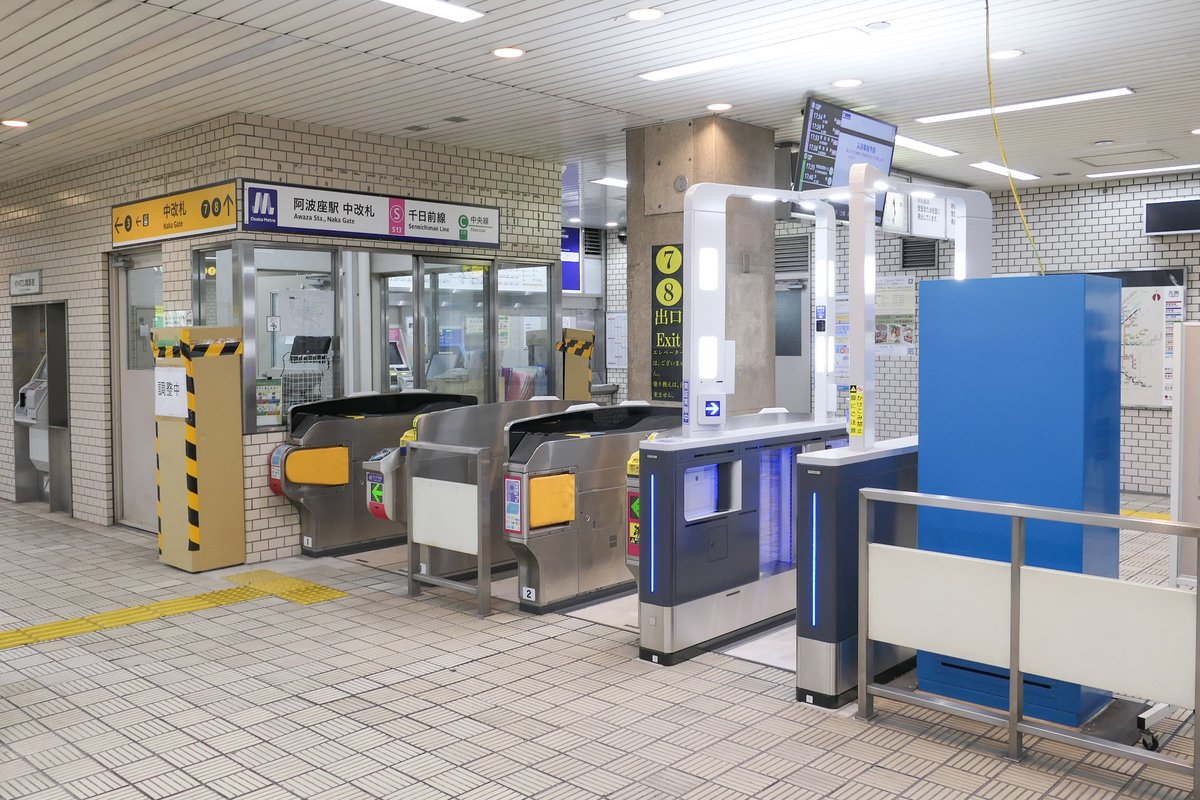
- Barrier-Free Access Elevators, ramps, tactile guidance paths, wide ticket gates, and clear bilingual signage (Japanese and English) make the station accessible for all, including those using wheelchairs or strollers.
- Restrooms Modern, clean facilities include accessible toilets and baby-changing stations.
- Waiting Areas & Retail Sheltered benches, vending machines, and a small kiosk selling travel essentials are available.
- Wi-Fi Free public Wi-Fi is accessible within the station; instructions are posted in multiple languages.
Transportation and Directions
- From Namba (Central Osaka) Take a local or semi-express train on the Nankai Koya Line. The journey to Abikomae Station takes about 10–15 minutes.
- From Osaka Station (Umeda) Ride the Osaka Metro Midosuji Line to Namba, then transfer to the Nankai Koya Line local train.
- From Kansai International Airport Take the Nankai Airport Line to Namba, then transfer to the Nankai Koya Line local train. The whole trip takes approximately one hour.
- Other Connections Local bus routes, taxi stands, and bicycle parking are available near the station. For onward travel, check connections to the Osaka Metro and other major lines.
Nearby Attractions
Abiko Kannon Temple
Just a 10–15 minute walk from Abikomae Station, Abiko Kannon Temple (Abikoyama Daisho Kannonji) is revered as Japan’s oldest Kannon worship hall. The temple is open daily from 9:00 AM to 5:00 PM with free admission, though donations are appreciated. The grounds are tranquil, featuring seasonal flowers and traditional architecture. Special events and festivals, such as Setsubun in February and the main festival in July, offer unique cultural experiences.
Local Shopping Streets and Eateries
Explore nearby shotengai (covered shopping arcades) for traditional Osaka snacks like takoyaki and kushikatsu. The area is dotted with family-run eateries and specialty shops, reflecting Osaka’s renowned kuidaore (eat until you drop) culture.
Parks and Community Spaces
Several parks and community centers are within walking distance, providing green spaces for relaxation and local events. Community centers often host workshops and seasonal festivals, welcoming visitors to engage with local traditions.
Historical and Cultural Context
Abikomae Station is situated in the historic Abiko area, which thrived during Osaka’s early 20th-century industrial growth. The station’s neighborhood offers a blend of old and new—traditional shrines and shopping arcades coexist with modern residential streets. The broader Sumiyoshi Ward is home to significant spiritual sites, including the renowned Sumiyoshi Taisha Shrine.
Festivals and Seasonal Events
The area comes alive during festivals:
- Setsubun Festival (February) Features bean-throwing ceremonies and market stalls at Abiko Kannon Temple.
- Abiko Kannon Main Festival (July) Includes traditional rituals, food vendors, and cultural performances.
- Other Community Events Hanami (cherry blossom viewing) in spring, summer bon dances, and autumn harvest celebrations.
These festivals provide immersive opportunities to experience Osaka’s vibrant community spirit. (Live Japan - Osaka Festivals)
Practical Visitor Tips and Etiquette
- Best Visiting Times Plan your visit during the temple’s festivals for a rich cultural experience.
- Cultural Etiquette At temples, bow at the entrance, use the temizuya (water basin) to cleanse hands and mouth, and maintain quiet respect.
- Connectivity Free public Wi-Fi is available, but consider a portable Wi-Fi device or Japanese SIM card for better coverage.
- Language English signage is common, but learning a few basic Japanese phrases is helpful.
- Event Participation Check local community center websites or tourism offices for schedules of workshops and guided tours.
Safety and Security
- Security Surveillance cameras, emergency intercoms, and regular patrols keep the station safe.
- Personal Belongings Stay alert during crowded festivals and peak travel hours.
Guided Tours and Photographic Spots
- Guided Tours Available seasonally, focusing on Abiko Kannon Temple and local history. Book via local tourism offices or online platforms.
- Photo Opportunities Capture the station’s architecture, festive events, cherry blossoms, and the peaceful temple grounds.
Frequently Asked Questions (FAQ)
Q: What are Abikomae Station’s operating hours?
A: Approximately 5:00 AM to midnight daily.
Q: How do I buy tickets at the station?
A: Use multilingual automated machines or IC cards like ICOCA and PiTaPa.
Q: Is the station accessible for disabled visitors?
A: Yes, there are elevators, tactile paving, and accessible restrooms.
Q: Are there lockers for luggage?
A: Small coin lockers are available; for larger items, use major stations like Namba or Tennoji.
Q: How do I get to Abiko Kannon Temple?
A: Walk 10–15 minutes east from Abikomae Station.