
Origins and Setting
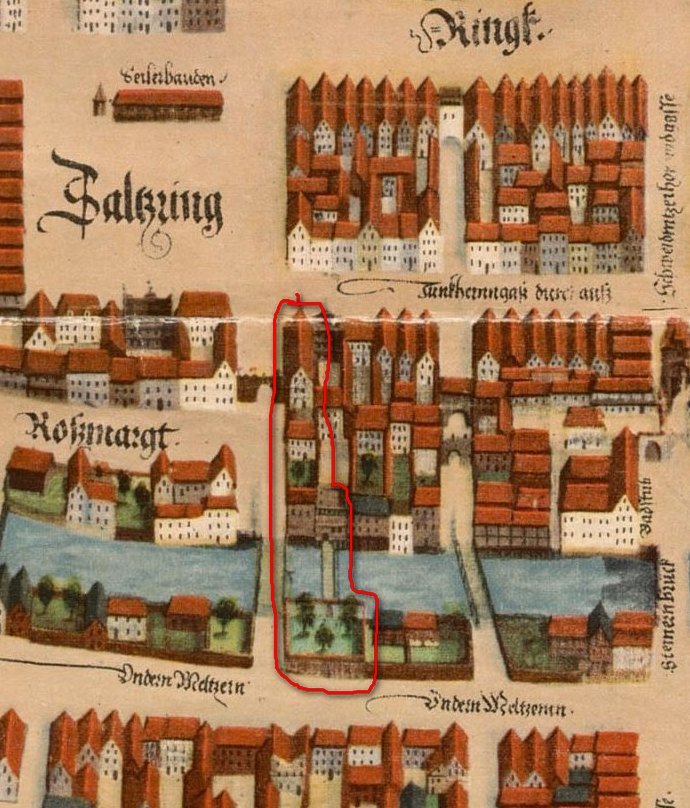
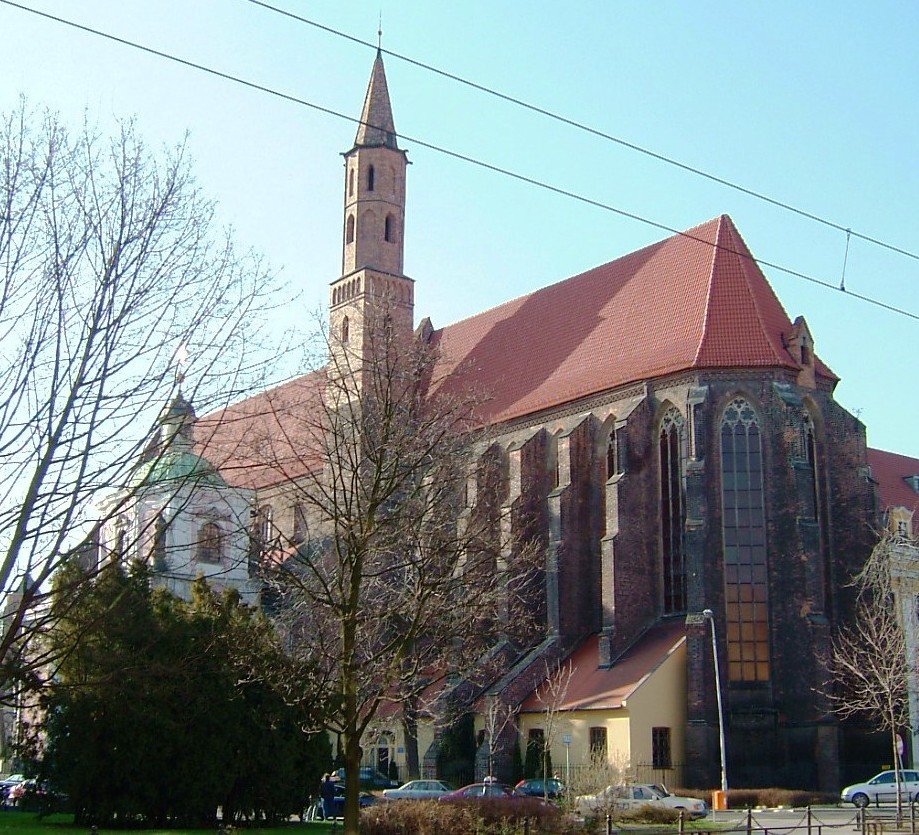
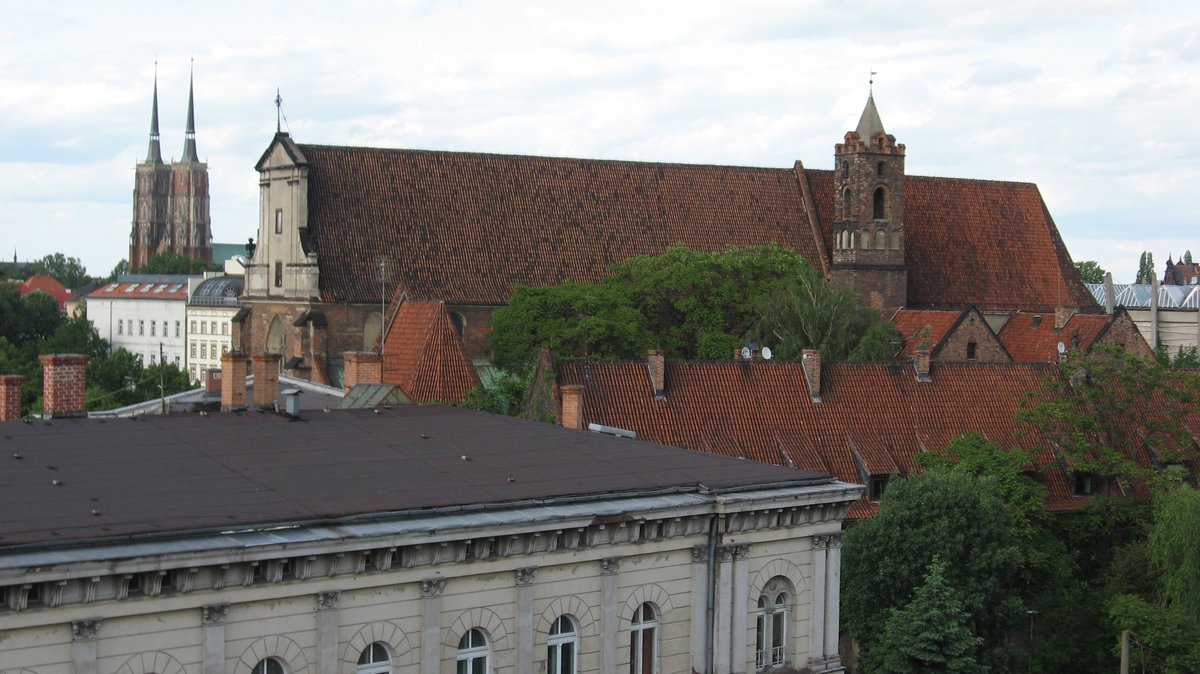
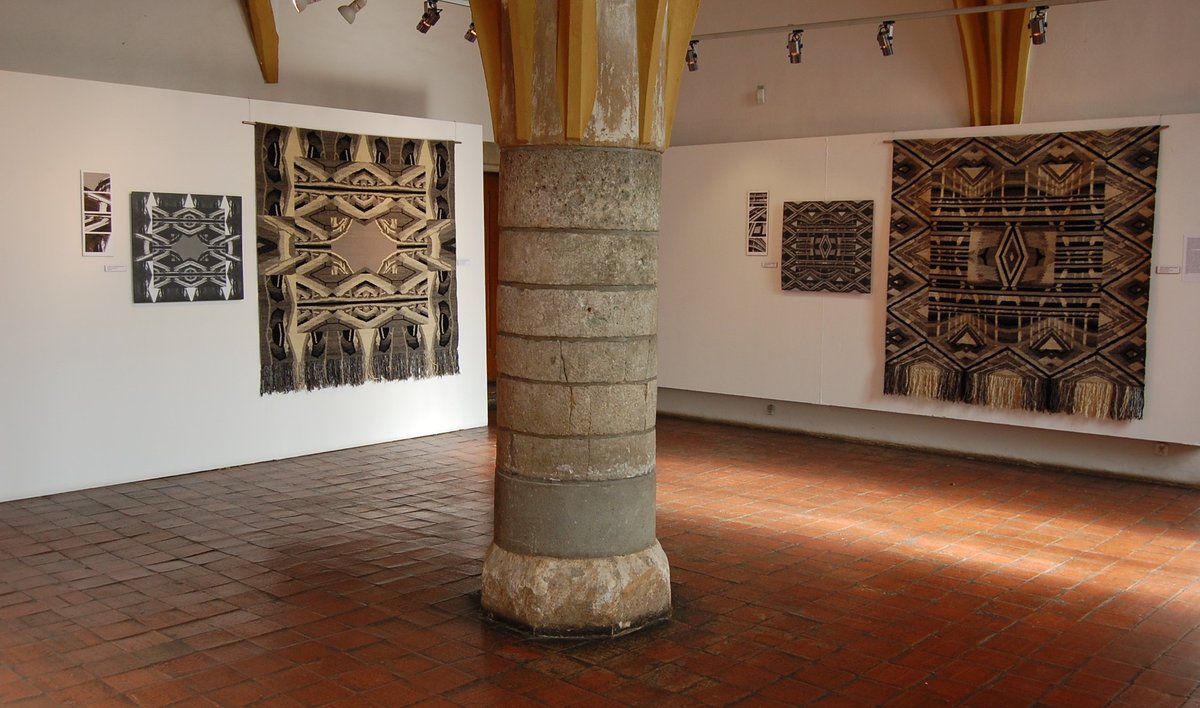
Founded by Olgierd Czerner in 1965, the Museum of Architecture began as a response to the devastation of World War II, aiming to protect and display salvaged architectural fragments from destroyed buildings. Its home is the post-Bernardine monastic complex—a rare, well-preserved example of late Gothic and Renaissance architecture, featuring ribbed vaults, original stonework, and a tranquil monastic garden. This setting not only enriches the visitor experience but is itself a living exhibit of the region’s architectural heritage (Museum of Architecture Wrocław official website; Google Arts & Culture).
Mission and Impact
Over the decades, the museum has expanded its mission to encompass preservation, research, education, and public outreach. It documents architectural history, fosters scholarly discourse, and promotes contemporary achievements—bridging the gap between historical preservation and modern architectural practice.
Visiting Hours, Tickets, and Accessibility
Opening Hours
- Tuesday to Sunday 10:00 AM – 5:00 PM (some periods may extend to 6:00 PM during modernization; check official info)
- Closed Mondays and public holidays
Ticket Prices
- Standard Admission 10–15 PLN (check latest rates on the official website)
- Reduced Admission 10 PLN (students, seniors, eligible cardholders)
- Free Admission Wednesdays for all visitors; children under 7 always free
- Family & Group Discounts Available; see website for details
Tickets are available on-site and online. For guided tours and educational activities, advance booking is recommended via [email protected].
Accessibility
- Wheelchair access, adapted restrooms, and barrier-free routes throughout the museum
- Clear signage and digital wayfinding aids
- Pet-friendly policy
- Accessible by public transport (nearest stop: Galeria Dominikańska; parking at Jana Ewangelisty Purkyniego Street 11)
- Special concessions for eligible visitors
Collections and Exhibition Highlights
Permanent Exhibitions
- Relics of Wrocław’s Medieval Architecture Architectural fragments and reconstructions from the city’s medieval era
- Architectural Craft from the Twelfth to the Twentieth Century A journey through centuries of building techniques and decorative arts
- Wrocław: Yesterday, Today, Tomorrow Urban evolution from the Middle Ages to modern city planning
- The Art of Geometry Polish geometrical and constructivist art intersecting with architecture
Collection Strengths
- Stained Glass The largest collection in Poland, spanning Romanesque to Art Deco periods (Google Arts & Culture)
- Architectural Artifacts Stone relics, panelling, floor tiles, woodworking tools, fireplaces, and decorative details
- Drawings, Prints, and Models Artistic blueprints, sketches, and models illustrating architectural design processes
- City Archives Architectural documents, photographs, and city plans from before and after 1945, including works by Max Berg and Hans Poelzig
Temporary Exhibitions & Special Projects
Regularly changing exhibitions explore contemporary architecture, design, and modernist heritage. The museum also partners internationally with DOCOMOMO and other organizations.
Modernization and Redevelopment
Transformative Upgrades
Currently, the Museum of Architecture is undergoing a major modernization and expansion, guided by an award-winning design from TŁO Michał Sikorski Architekt (Architectural Review; Architektura i Biznes). Key features include:
- Full technical upgrades Modern electrical, HVAC, and security systems
- Acoustic improvements Enhanced sound environments in exhibition and utility spaces
- Flexible public zones New café, bookstore, and multi-functional educational areas
- Sustainability Use of energy-efficient technologies and eco-friendly materials
- Accessibility Barrier-free routes, new elevators and ramps, and improved wayfinding
Enhanced Visitor Experience
- Expanded exhibition spaces More room for permanent and temporary displays, including an attic exhibition route for unique perspectives
- Digital engagement Virtual tours and online exhibitions
- Community engagement Inclusive workshops, lectures, and public events
Visitor Experience & Amenities
- Guided Tours Available in Polish and English (request other languages in advance)
- Family-Friendly Activities Educational programs, coloring books, and interactive exhibits for children
- Library & Bookshop Open Tuesday–Friday (library: 9:00 AM–3:00 PM); bookshop offers publications, souvenirs, and gifts
- New Café Modern space for refreshments and relaxation (post-modernization)
- Photography Permitted in most areas without flash; check exhibition-specific rules
- Cloakroom & Lockers Available for visitor convenience
Nearby Attractions
Combine your museum visit with other Wrocław highlights:
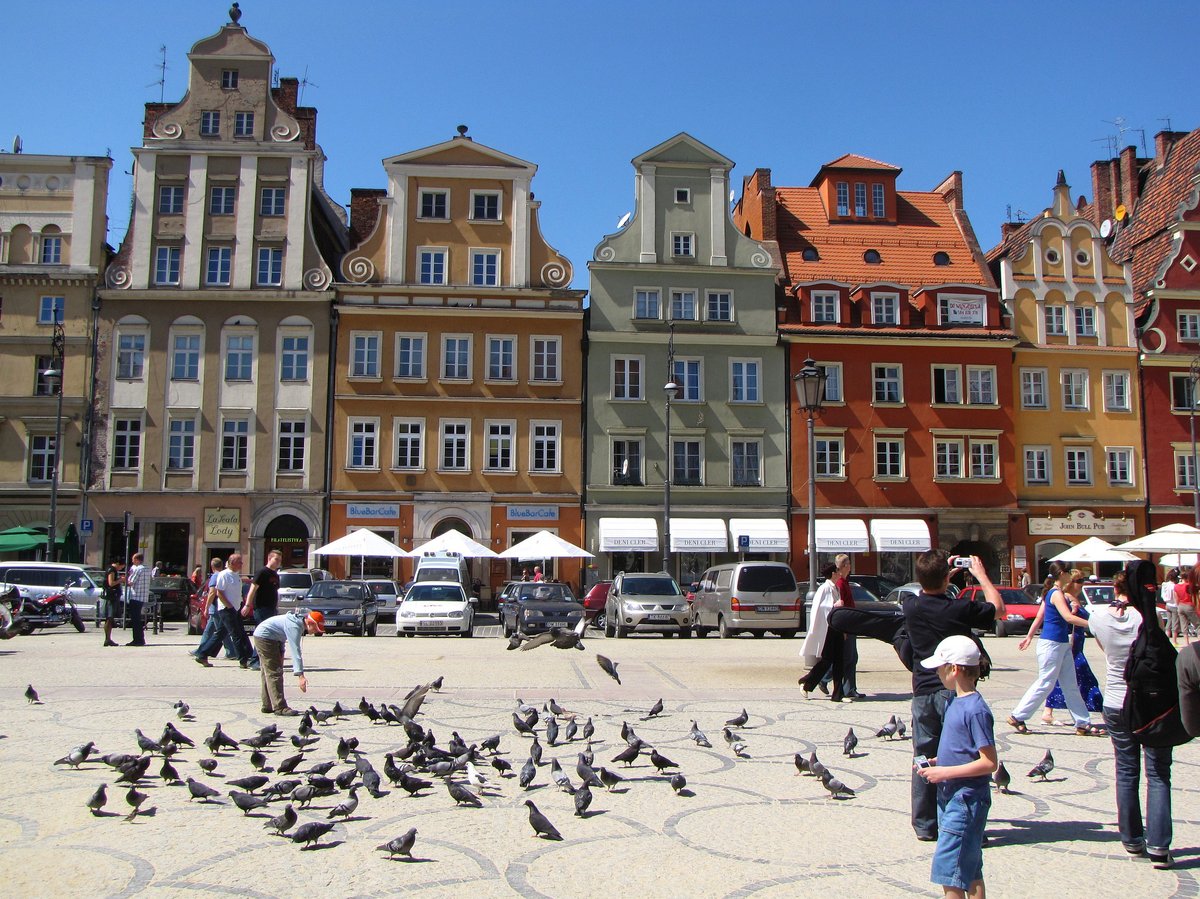
- Market Square (Rynek) Colorful townhouses and the Gothic Town Hall
- Centennial Hall UNESCO World Heritage Site by Max Berg
- Racławice Panorama Panoramic painting near the museum
- Plac Grunwaldzki Housing Estate Notable example of post-war modernism
- Wrocław Cathedral and Ostrów Tumski Historic religious and architectural sites
Frequently Asked Questions (FAQ)
Q: What are the current visiting hours?
A: Typically Tuesday to Sunday, 10:00 AM–5:00 PM (or 6:00 PM); closed on Mondays. Confirm on the official website as hours may change during renovation.
Q: How do I buy tickets?
A: Tickets are available both online and on-site. Online purchase is recommended during peak times or special events.
Q: Is the museum accessible for visitors with disabilities?
A: Yes, with barrier-free entrances, elevators, and adapted restrooms. Contact the museum for specific needs.
Q: Are guided tours available in English?
A: Yes, book in advance to ensure availability.
Q: Can I take photographs inside the museum?
A: Yes, in most areas, without flash. Always check exhibition-specific signage.
Q: Is the museum suitable for families and children?
A: Yes, educational activities and family-friendly materials are available.
Q: Is the museum pet-friendly?
A: Yes, pets are welcome.