
Architecture and Location
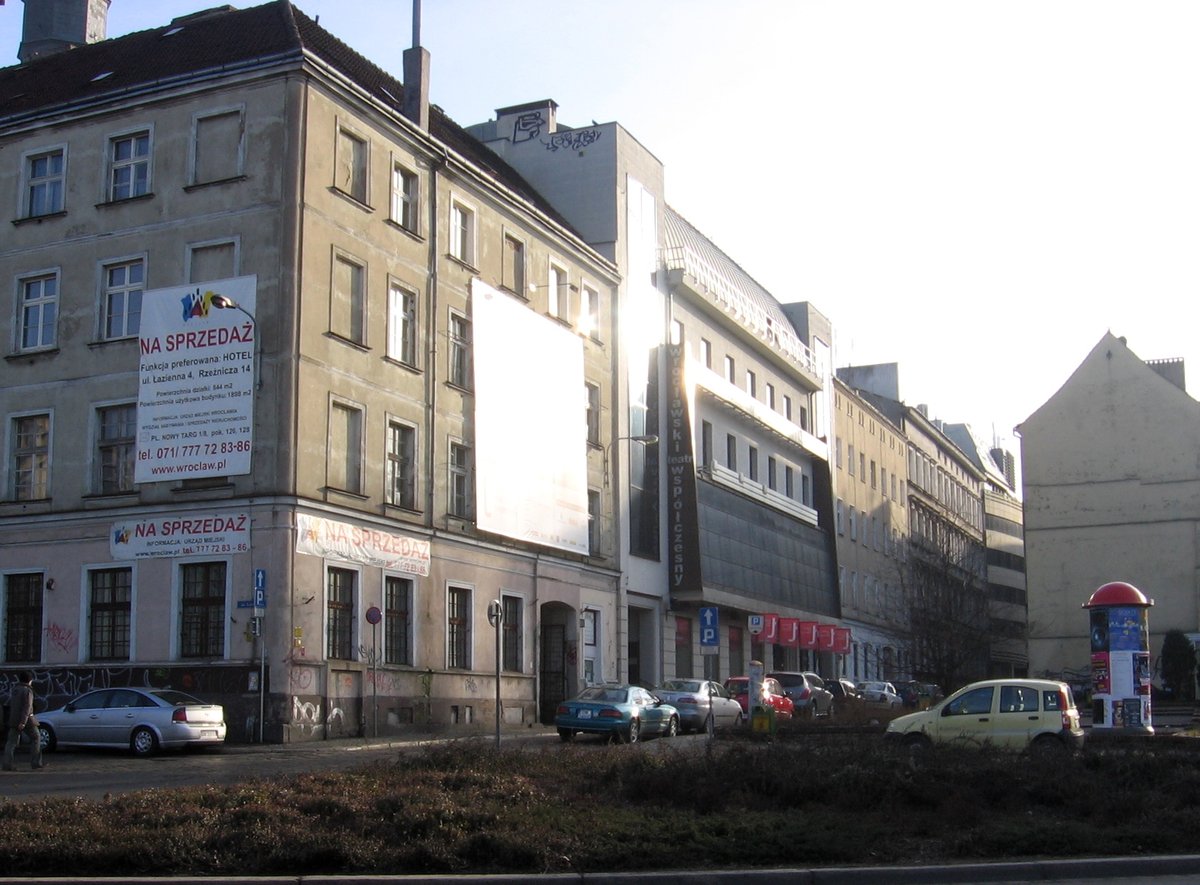
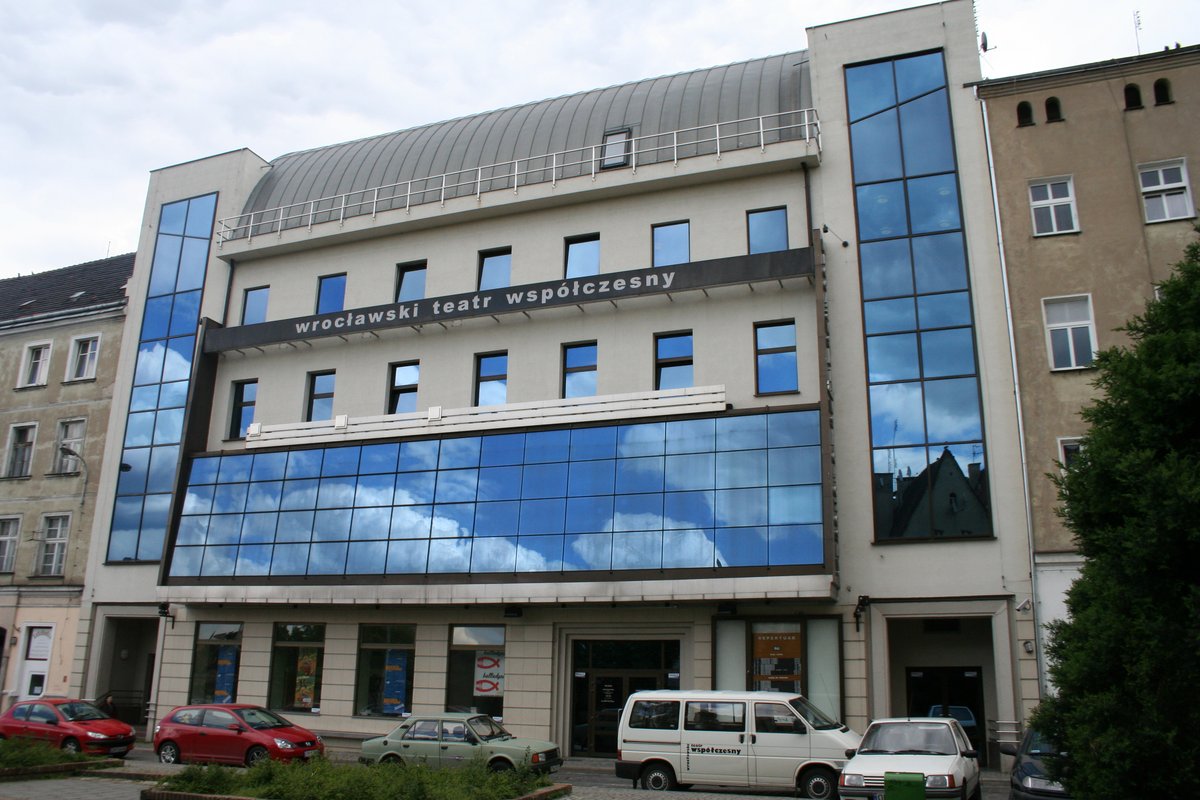
Situated at ul. Rzeźnicza 12, WTW occupies a modernist building designed by Max Taubert in 1929. Its adaptable spaces include:
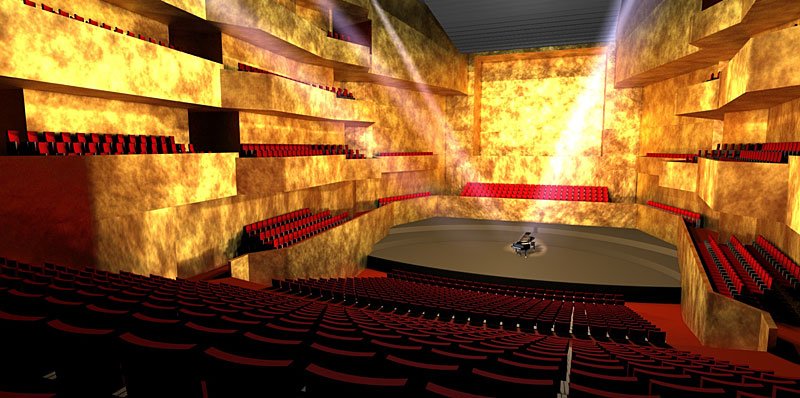
- Duża Scena (Main Stage) 220–231 seats for major productions.
- Scena na Strychu (Attic Stage) Intimate venue for experimental theatre.
- Mała Scena (Small Stage) Flexible space for workshops and smaller performances.
The spacious foyer hosts exhibitions and community events, underscoring the theatre’s commitment to public engagement. Its proximity to Wrocław’s Market Square places guests within easy reach of the city’s architectural and cultural highlights (PolandInsiders.com).
Repertoire: Contemporary Focus and Artistic Vision
WTW is acclaimed for programming that fuses classic and contemporary works, addressing pressing social, political, and philosophical questions. Recent and upcoming productions include:
- "Miejski ptasiarz" (The Urban Birdwatcher) Directed by Weronika Szczawińska, exploring urban existence and existential themes.
- "Garbus" by Sławomir Mrożek A modern take on an absurdist classic.
- "Tirza" Adapted from Arnon Grunberg’s novel, delving into psychological complexity.
- "Rzeźnia numer pięć" (Slaughterhouse-Five) A bold adaptation of Vonnegut’s iconic novel.
- "Kongres futurologiczny" Inspired by Stanisław Lem, directed by Agnieszka Jakimiak, exemplifying experimental staging.
The theatre emphasizes innovative staging, ensemble work, and the development of new plays, often collaborating with other leading Polish theatres (wspolczesny.pl).
Major Events and Educational Initiatives
WTW is a hub for significant cultural happenings, including:
- DIALOG – Wrocław International Theatre Festival Biennial event featuring acclaimed Polish and international productions, often with English surtitles (Culture.pl).
- Strefy Kontaktu Drama Festival Promoting new Polish drama and fostering artistic dialogue.
- Workshops and Post-Show Discussions Engaging audiences of all ages, with special programs for youth and community members.
Practical Visitor Information
Visiting Hours
- Box Office Open Monday–Friday, 12:00 PM–7:00 PM; also two hours before performances.
- Performance Start Times Typically 7:00 PM; occasional weekend matinees.
Tickets
- Prices 20–90 PLN, depending on production and seating.
- How to Buy
- Online at wteatrw.pl or bilety.wteatrw.pl
- In person at the box office
- Authorized vendors such as AleBilet
- Discounts Available for students, seniors, and groups. Memberships and festival passes are periodically offered.
Accessibility
- Wheelchair Access Step-free entrances, accessible seating, and restrooms.
- Assistance Staff can provide support for visitors with hearing or mobility needs; advance notice is recommended.
- Language Most performances are in Polish, but some festival events feature English surtitles.
Facilities
- Cloakroom Staffed and complimentary for coats and bags.
- Refreshments Café/bar with light snacks and drinks before performances and during intermissions.
- Nearby Dining Numerous restaurants and cafés in the Old Town, within walking distance (tourspilot.com).
Getting There
- Public Transport Easily accessible via tram and bus; stops at Wzgórze Partyzantów and Opera are nearby.
- Parking Limited on-street parking; public transport is recommended.
Visitor Experience and Travel Tips
- Arrive Early Plan to arrive at least 30 minutes before the show for ticket collection and seating.
- Dress Code Smart-casual is standard, with formal attire at premieres.
- Photography Prohibited during performances; permitted outside and in public spaces.
- Children Most shows are for adults or older teens; check age recommendations.
- Guided Tours Occasionally available; check with the box office or website for schedules.
Nearby Attractions
Combine your theatre visit with exploration of Wrocław’s cultural sites:
- Wrocław Market Square (Rynek)
- Opera Wrocławska
- Panorama of the Battle of Racławice
- St. Elizabeth’s Church and the city’s famous dwarf statues
Accommodation options range from boutique hotels to international chains within walking distance (thecrazytourist.com).
Frequently Asked Questions (FAQ)
Q: What are the visiting hours?
A: Box office is open 12:00 PM–7:00 PM on performance days; doors open 30 minutes before shows.
Q: How can I buy tickets?
A: Online via wteatrw.pl, at the box office, or through authorized vendors.
Q: Is the theatre accessible?
A: Yes, with step-free access, accessible restrooms, and staff assistance upon request.
Q: Are English surtitles available?
A: Some festival performances offer English surtitles; check event details.
Q: Can I take photos inside?
A: Not during performances, but permitted in public and exterior areas.
Media & Visuals
Explore photo galleries and virtual tours on the official website to preview the theatre’s architecture and stage design. Maps and images help orient your visit and highlight the theatre’s proximity to Wrocław’s key attractions.