
Origins and Cultural Roots
Shigureden’s story is intimately tied to Kyoto’s Heian period, a time when aristocrats created and cherished waka poetry. The Ogura Hyakunin Isshu, compiled by Fujiwara no Teika, features poems from the 7th to 13th centuries and remains a hallmark of Japanese education and culture. The anthology inspired the karuta card game, frequently played during New Year celebrations (Unseen Japan).
Shigureden was established to bridge the world of classical poetry with today's audiences, using innovative technology to make centuries-old literature accessible and engaging. The name “Shigureden”—evoking “late autumn rain”—reflects the anthology’s seasonal and emotional resonance.
Architectural and Historical Context
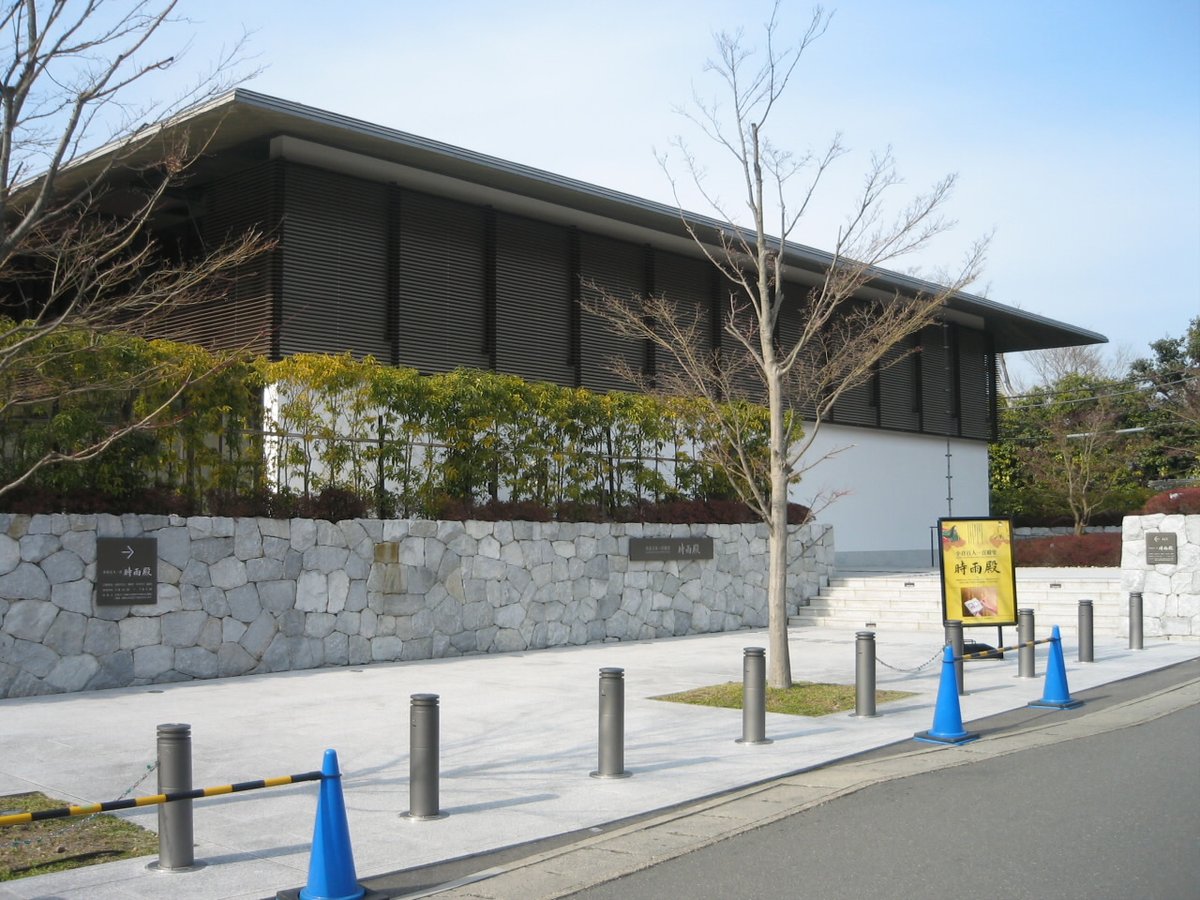
Located amidst Kyoto’s wealth of temples and shrines, Shigureden’s building merges traditional aesthetics (tatami-matted rooms, sliding fusuma doors, and curated gardens) with sleek, contemporary design. The architecture recreates the refined ambiance of the Heian court, transporting visitors to the world of the Hyakunin Isshu’s poets (My Japan Things).
Visiting Hours, Ticket Information, and Accessibility
- Hours Open daily from 9:00 AM to 5:00 PM (last admission at 4:30 PM). Closed on select holidays—always verify on the official website.
- Tickets Standard admission is 800 yen for adults, 400 yen for children (elementary and junior high). Children under 6 often enter free. Group and combination tickets available.
- Purchase Tickets are available at the entrance and online via the official Shigureden site.
- Accessibility Fully accessible with ramps, elevators, and staff assistance. Multilingual signage and audio guides are provided.
- Getting There Reachable from Kyoto Station via JR Sagano Line (alight at Saga-Arashiyama Station, then a 15-minute walk) or by bus. The nearby Umekoji Park stop offers convenient access.
Exhibits and Interactive Experiences
Shigureden stands out for its integration of traditional content and modern technology:
- Digital Hyakunin Isshu Displays Touchscreens and AR features allow interactive exploration of the poems, their meanings, and historical context.
- Karuta Game Installations Play digital karuta against AI or with other visitors, learning about the rules and strategies (Nippon.com).
- Nintendo DS-Based Guides “ShigureNavi” devices provide location-aware content, games, and information in multiple languages (We Make Money Not Art).
- Workshops Create your own hanafuda cards and participate in hands-on poetry or calligraphy classes.
Special Events and Workshops
- Seasonal Events Karuta tournaments and poetry readings, especially popular during New Year and local festivals.
- Workshops Regular hands-on sessions for calligraphy, poetry appreciation, and Hanafuda card-making. Advance reservations are recommended.
Nearby Attractions
Enhance your itinerary by visiting:
- Kyoto Railway Museum Explore Japan’s rich railway history—a family favorite.
- Byodo-in Temple UNESCO World Heritage site famed for its Phoenix Hall.
- Arashiyama Bamboo Grove Iconic bamboo forest offering serene walks.
- Tenryu-ji Temple Another UNESCO World Heritage site nearby.
Visitor Tips
- Best Times Mornings on weekdays provide the most peaceful experience.
- What to Bring Comfortable shoes, camera (obey photography restrictions), and translation apps for deeper engagement.
- Getting There Public transport is recommended due to limited parking in the area.
Frequently Asked Questions (FAQs)
Q: Is Shigureden suitable for children?
A: Yes, interactive exhibits and digital games are designed for all ages.
Q: Can I buy tickets online?
A: Yes, via the official Shigureden website.
Q: Are guided tours available?
A: Self-guided digital tours are available; group tours can be arranged in advance.
Q: What languages are supported?
A: Japanese, English, Chinese, and Korean.
Q: Is the museum wheelchair accessible?
A: Yes, with ramps, elevators, and accessible restrooms.
Discover More
Plan your visit to Shigureden by checking current hours and event details on the official website. Download the Audiala app for a personalized, interactive guide, and follow our social channels for the latest Kyoto cultural insights and travel tips.