What Tōji Station and Tōji Temple Are
Tōji Station (東寺駅, Tōji-eki) is a Kintetsu Railway station in Minami-ku, Kyoto, on the Kintetsu Kyoto Line. It connects Kyoto Station and the southern part of the city, providing access to local neighborhoods and historic sites. The station is two minutes by train from Kyoto Station and links visitors arriving by Shinkansen or other JR lines with the wider Kansai region.
A short walk from the station is Tōji Temple, officially Kyōō Gokoku-ji. One of Kyoto’s oldest and most venerated Buddhist temples, it is a UNESCO World Heritage Site and a major spiritual landmark. Tōji is the headquarters of Shingon Buddhism in Kyoto, associated with the monk Kūkai (Kōbō Daishi). Its five-story pagoda is Japan’s tallest wooden structure and can be seen from passing Shinkansen trains (Japan Guide; Kyoto To Do; Japan Experience; UNESCO).
History
Tōji Temple was founded in 794 CE, when Kyoto was established as Heian-kyō, to protect the new capital. Stewardship was granted to Kūkai in 823 CE, and the temple became the headquarters of Shingon Buddhism in Kyoto. It was established by imperial decree (Japan Experience; Kyoto To Do; JRailPass).
The station’s development accompanied Kyoto’s modernization in the 20th century. It was established to serve local residents as well as pilgrims and other visitors to Tōji Temple (Japan Guide; Wikipedia).
- 1928 The Nara Electric Railway launches, enabling modern rail travel between Kyoto and Nara.
- November 15, 1928 Tōji Station opens.
- 1940s–1960s Station upgrades accommodate rising passenger numbers during Japan’s post-war economic expansion.
- 1963 The Nara Electric Railway merges into Kintetsu Railway, integrating Tōji Station into the Kansai region’s network.
- 1994 Tōji Temple is designated a UNESCO World Heritage Site, increasing the station’s importance for international visitors (UNESCO).
The station’s proximity has supported local restaurants, souvenir shops, and hotels, as well as the temple’s preservation and continued cultural role. The area reflects Kyoto’s combination of modernization and heritage conservation (Live Japan).
What to See
Temple buildings and treasures
- Five-story pagoda At 55 meters, it is Japan’s tallest wooden pagoda and a Kyoto landmark. The original was built in 826 CE; the current structure dates from 1644. Its interior contains esoteric Buddhist statuary and opens only on special occasions (Kyoto To Do; Japan Experience).
- Kondō Hall Rebuilt in 1603, it houses Yakushi Nyorai, the Healing Buddha (Japan Experience).
- Kōdō (Lecture Hall) Features a three-dimensional mandala made up of Buddhist statuary.
- Meidō Hall Honors Kūkai and is open on the 21st of each month.
- Azekura Storehouse Holds Buddhist artifacts.
- Rengemon Gate A historic temple gate.
- Treasure Hall Displays temple treasures during special exhibitions.
The temple’s rituals, statuary, and annual events reflect its enduring religious and cultural significance. Kūkai is honored through rituals and statuary, as well as the monthly Kobo-san market (Kyoto To Do; JRailPass; Japan Experience).
Seasonal events and community life
- Kobo-san flea market Held on the 21st of each month, the market features antiques, crafts, and food (Japan Experience).
- Cherry blossoms Around 300 trees bloom each spring. Night illuminations draw crowds (Kyoto To Do; JRailPass).
- Autumn foliage and other festivals The temple gardens are noted for autumn foliage and citywide festivals (kyoto.travel).
The pagoda remains a landmark on Kyoto’s skyline, and the temple’s location near Kyoto Station makes it a bridge between tradition and modern life (Japan Experience). The station’s daily rhythms are intertwined with temple life, from morning rituals to seasonal festivals; during cherry blossom and autumn foliage seasons, it serves as a starting point for visits to the illuminated gardens (Walk Around Blog).
Explore a virtual tour of Tōji Temple here.
Practical Visiting Information
Tōji Station
- Train operating hours Services typically run from 5:30 AM to 11:30 PM.
- Tickets Buy tickets at station machines using cash or IC cards such as ICOCA and Suica. Single-ride tickets, day passes, and prepaid IC card options are available (Kintetsu Railway).
- Facilities The compact station has two side platforms, ticket machines, restrooms, and multilingual signage. Its facilities include elevators and tactile paving; recent upgrades also include enhanced multilingual signage. The station is wheelchair-friendly, with accessible routes.
- Connections The station is served by bus routes and has taxi stands. Parking is available nearby, though Kyoto has limited parking and frequent traffic congestion (Leaf Kyoto).
Tōji Temple
- Temple grounds Open 5:00 AM–5:00 PM.
- Buildings The Kondō and pagoda are open 8:30 AM–5:00 PM (jpmanual.com).
- Admission Grounds are free. Buildings and exhibitions require tickets; adult admission is 500–1,000 yen. Tickets are available at the entrance or online (official website).
- Access The temple is a 15-minute walk from Kyoto Station or reachable by city bus or taxi. The walk from Kintetsu Tōji Station is given as approximately 10 minutes; temple access information also gives 7 minutes from the station (Leaf Kyoto; jpmanual.com).
- Accessibility The grounds are mostly flat and wheelchair accessible, with accessible restrooms, though some buildings have steps.
Tōji is a National Treasure and World Heritage Site, and is the subject of ongoing preservation efforts and cultural exchange programs. Its central location and accessibility support continued engagement with visitors from around the world (Japan Experience; Kyoto To Do).
Tips
- Check train schedules before visiting: service frequency may vary in the early morning and late evening, as well as during special events.
- The Kobo-san market takes place on the 21st of each month.
- Cherry blossom season is late March–early April; autumn foliage is best around mid-November.
- Public transportation is recommended because parking is limited and traffic congestion is frequent.
- The temple and station area is wheelchair accessible, though some temple buildings have steps.
Nearby Places
The temple’s listed location is 1 Kujo-cho, Minami-ku, Kyoto-shi, Kyoto (Leaf Kyoto). Nearby attractions include Tōji Temple, Kyoto Tower, AEON Mall, and the shopping and dining options at Kyoto Station. City buses and taxis also serve the area.
- Kiyomizu-dera Temple: A Spiritual Icon of Kyoto
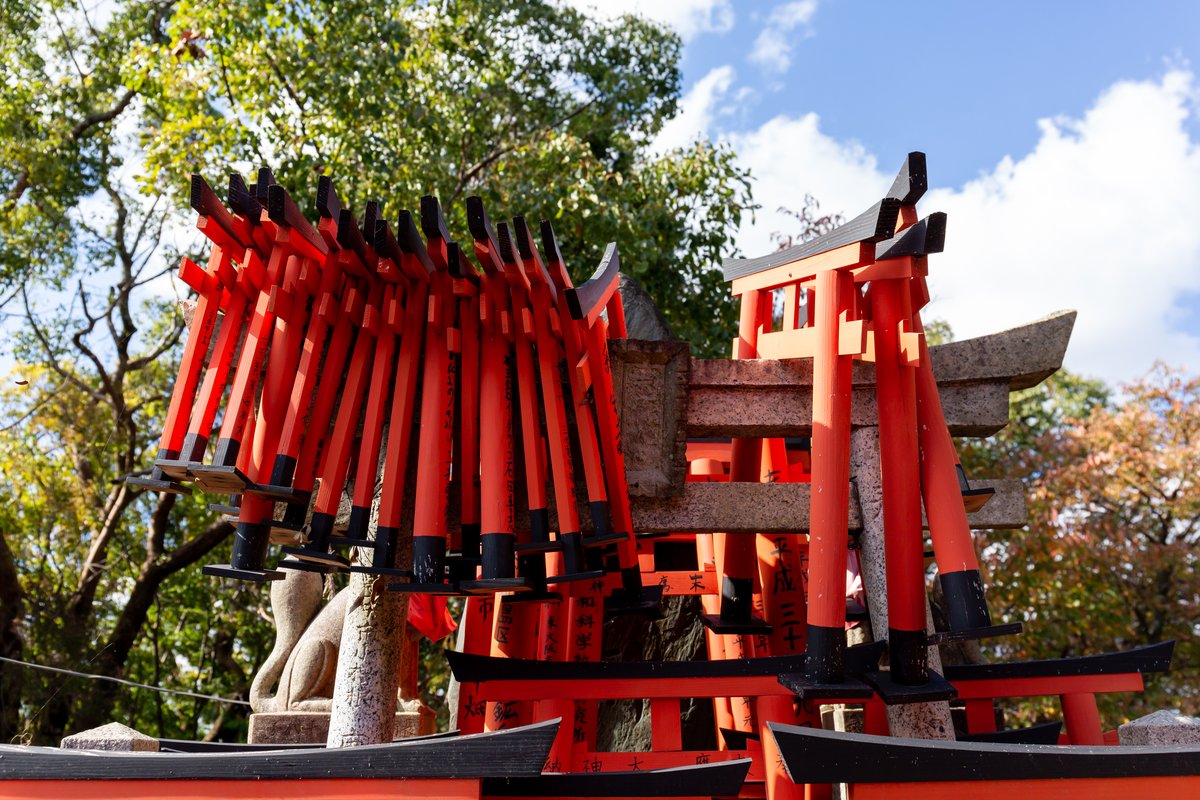
- Fushimi Inari Shrine: Gateway of Thousand Torii Gates
- Travel Tips for Visiting Kyoto’s Temples and Shrines
FAQ
Tōji Station
What are Tōji Station’s operating hours?
Trains typically run from 5:30 AM to 11:30 PM.
How do I purchase tickets?
Use the station ticket machines, which accept cash and IC cards.
Is the station accessible for wheelchair users?
Yes. The station has elevators and accessible routes.
When is the best time to visit Tōji Temple via Tōji Station?
The monthly Kobo-san market, cherry blossom season, and autumn foliage period are notable times to visit.
Tōji Temple
What are Tōji Temple’s visiting hours?
The grounds are open 5:00 AM–5:00 PM, and the buildings are open 8:30 AM–5:00 PM.
Is admission free?
Entry to the grounds is free; tickets are required for buildings and exhibitions, including pagoda access. Adult tickets are 500–1,000 yen.
Is the temple wheelchair accessible?
Most areas are accessible, though some buildings have steps.
How do I reach Tōji Temple from Kyoto Station?
Walk 15 minutes south or take a short train ride to Tōji Station, then walk.
Are guided tours available?
Yes. Advance booking is recommended, especially during peak seasons.