
Origins and Development
Kyoto-Kawaramachi Station was conceived as the eastern endpoint of the Hankyu Kyoto Line, forging vital links between Kyoto and Osaka. Its strategic location beneath Shijo Street was chosen to facilitate integration with Kyoto’s commercial heart while preserving the city’s urban landscape. Since its inception, the station has played a pivotal role in postwar urban development, adapting to serve growing numbers of commuters and tourists (Hankyu Railway Official).
Visiting Hours and Ticket Information
- Operating Hours Daily from approximately 5:00/6:00 AM until midnight, aligned with last train schedules. Confirm current hours on the official site or station notices.
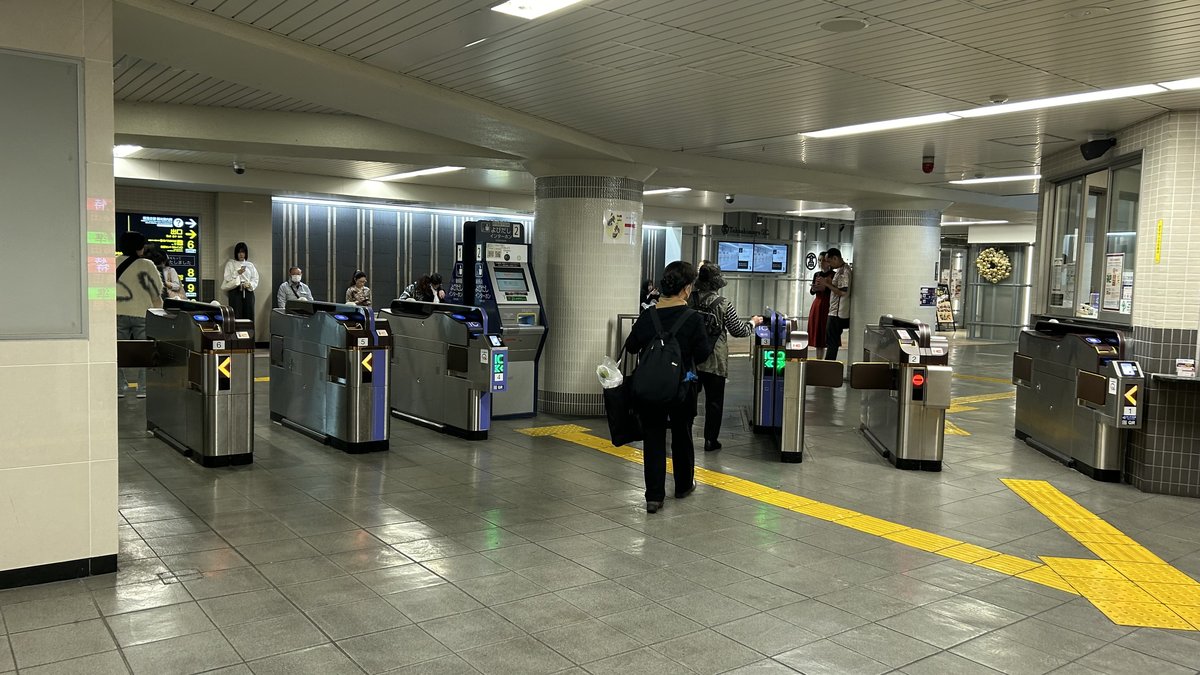
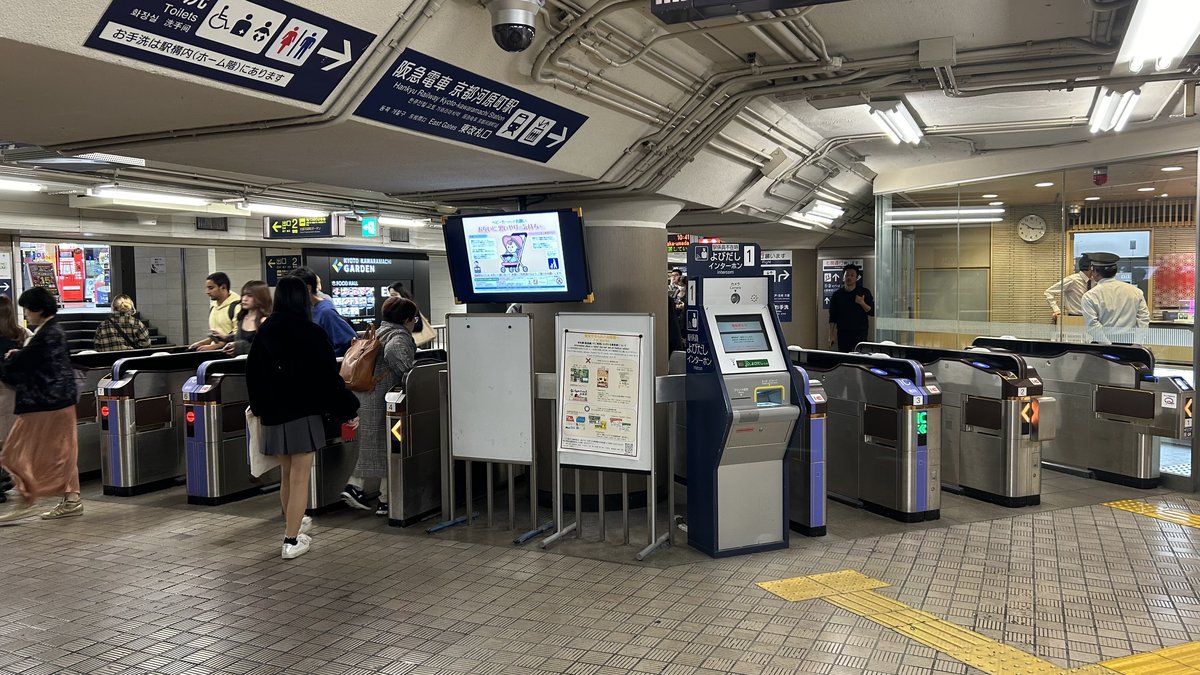
- Ticketing Purchase tickets at automated machines or staffed counters. IC cards (ICOCA, Suica, Kansai One Pass) are accepted, as are special tourist passes for unlimited rides across the region. Ticket prices vary by destination; fares to Osaka-Umeda are affordable and convenient (Kyoto Station Guide).
Accessibility
Kyoto-Kawaramachi Station is fully equipped for travelers with disabilities and those needing extra assistance:
- Elevators, ramps, and tactile paving throughout the station
- Accessible restrooms
- Multilingual signage and information desks
- Staff available for mobility assistance
These features ensure all visitors can navigate the station and its surroundings comfortably (Kyoto Travel: Tourist Information).
Station Layout, Facilities, and Transportation
General Orientation
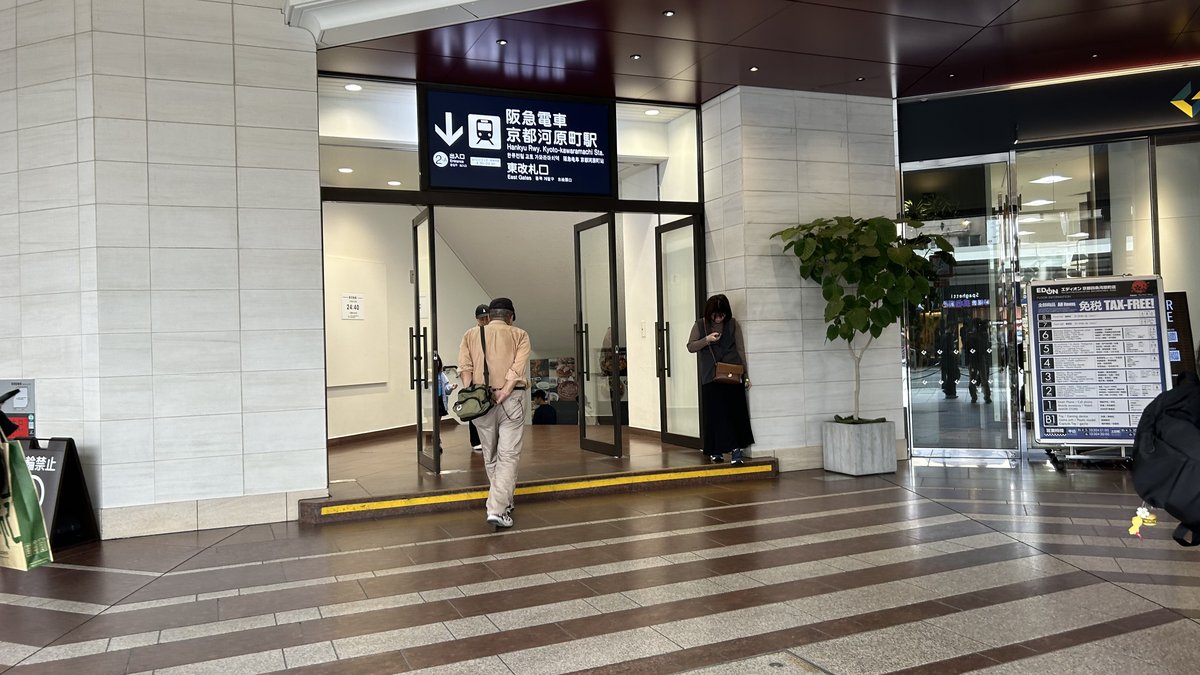
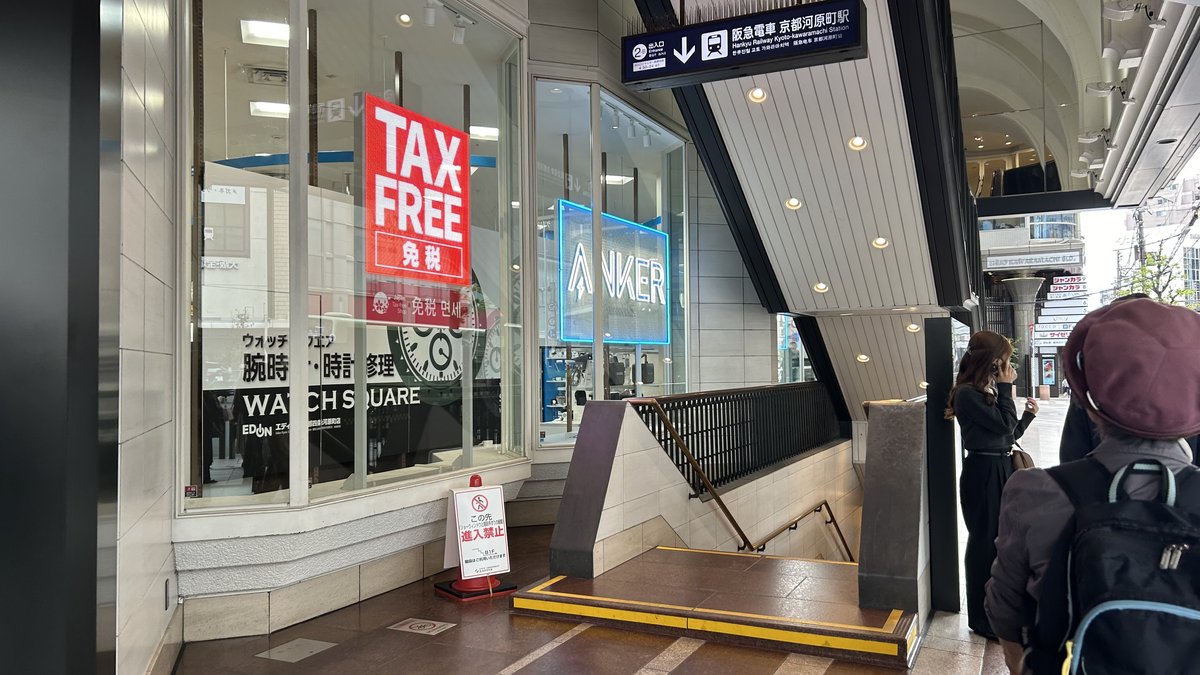
Located beneath the intersection of Shijo-dori and Kawaramachi-dori, Kyoto-Kawaramachi Station offers multiple entrances seamlessly connecting with department stores like Takashimaya and Marui. The station’s underground design limits visual impact on the historic streets above.
Platforms and Concourse
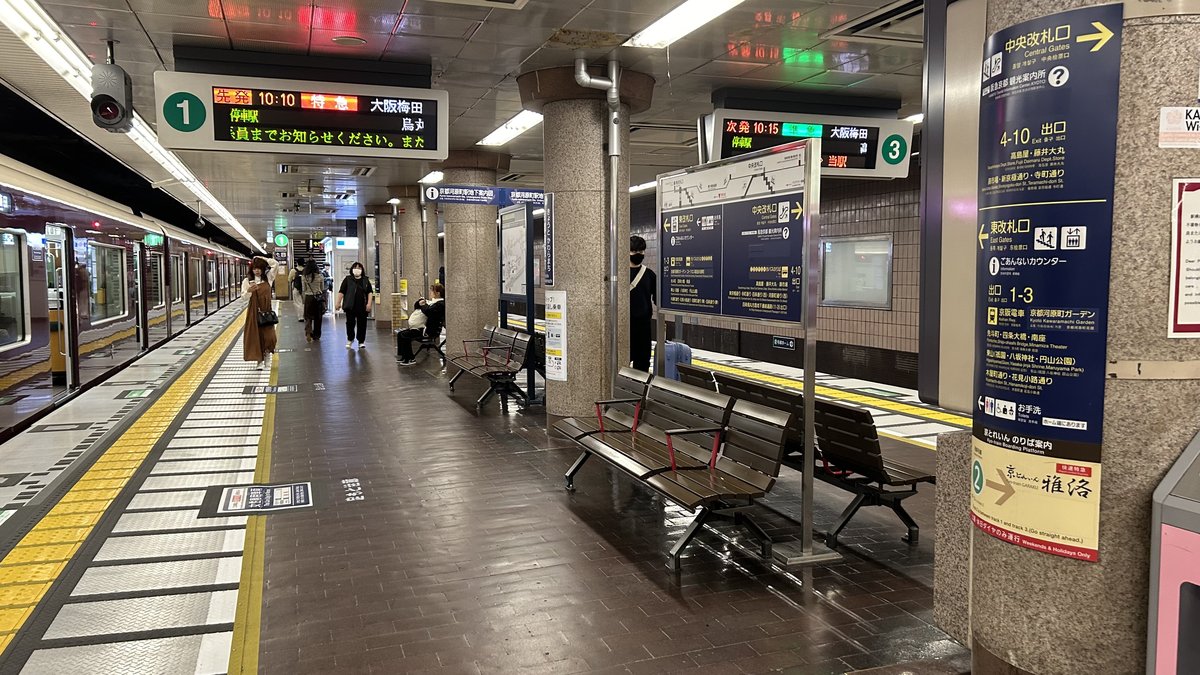
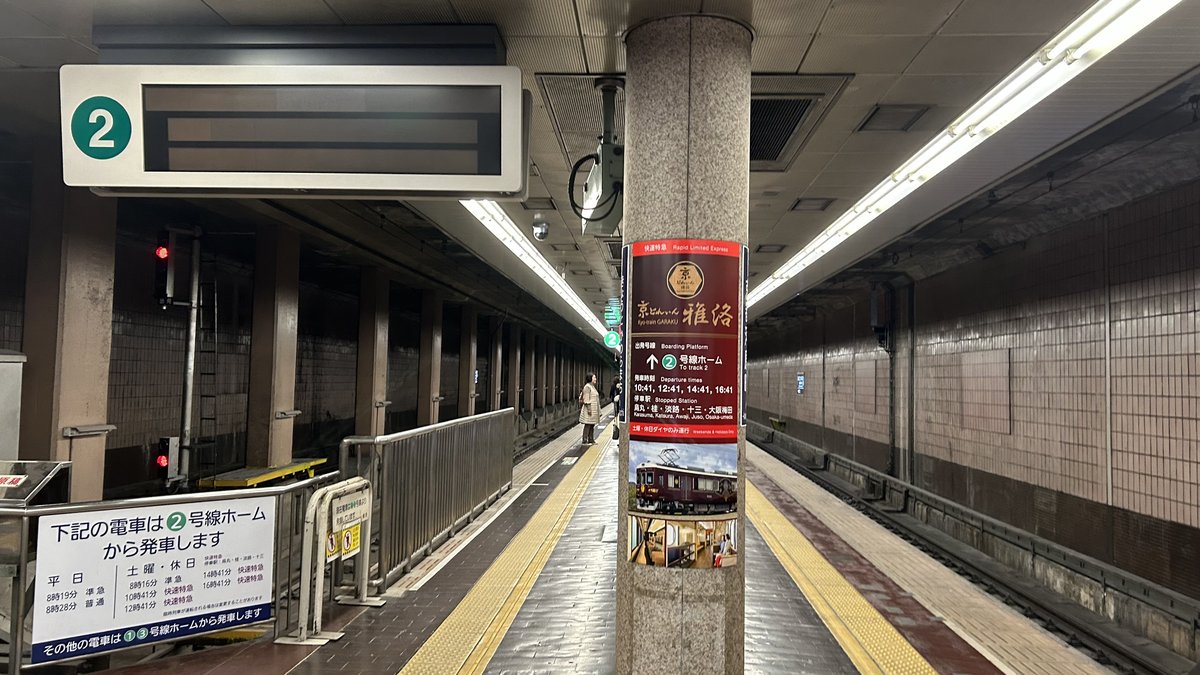
- Single island platform serving two tracks of the Hankyu Kyoto Line
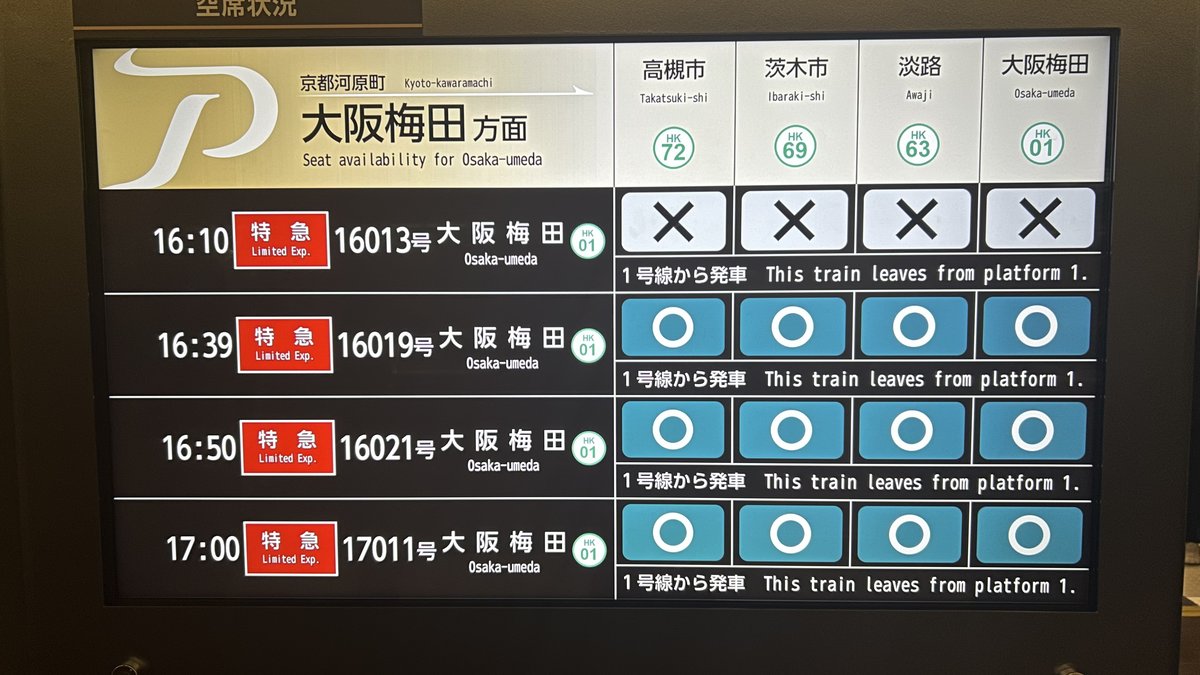
- Digital and bilingual signage
- Escalators, elevators, and stairways connecting all levels
Facilities
- Shopping & Dining Access to Takashimaya, Marui, Kawaramachi-dori Shopping Street, and Kyoto BAL. Numerous restaurants and cafes, many offering English menus and tax-free shopping.
- Amenities Clean restrooms, coin lockers, free Wi-Fi, ATMs, currency exchange, and convenience stores.
- Lost & Found English support available at the dedicated counter.
Transportation Access
- Hankyu Kyoto Main Line Direct to Osaka-Umeda (approx. 45 minutes)
- Connecting Lines Karasuma Station (for Kyoto Municipal Subway), Keihan Railway’s Gion-Shijo and Sanjo Stations nearby
- Bus Services Multiple city bus lines to all major attractions; IC cards accepted (Kyoto City Transportation)
- Taxi & Bicycles Easily accessible from station exits
Travel Tips and Nearby Attractions
- IC Cards Purchase for seamless travel across trains and buses.
- Timing Visit early morning or late afternoon for fewer crowds and optimal photography.
- Key Nearby Sights
- Kamo River ~100 meters away, ideal for scenic walks
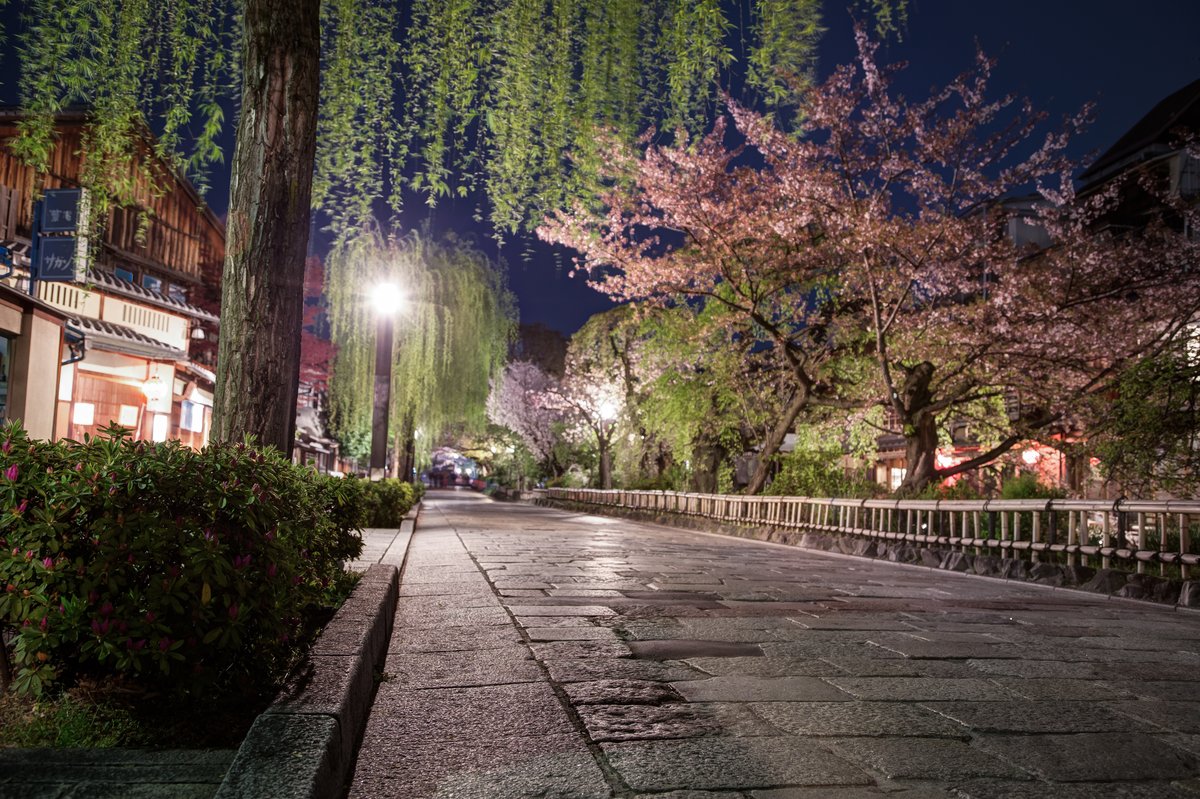
- Gion District ~9 minutes on foot, famed geisha district
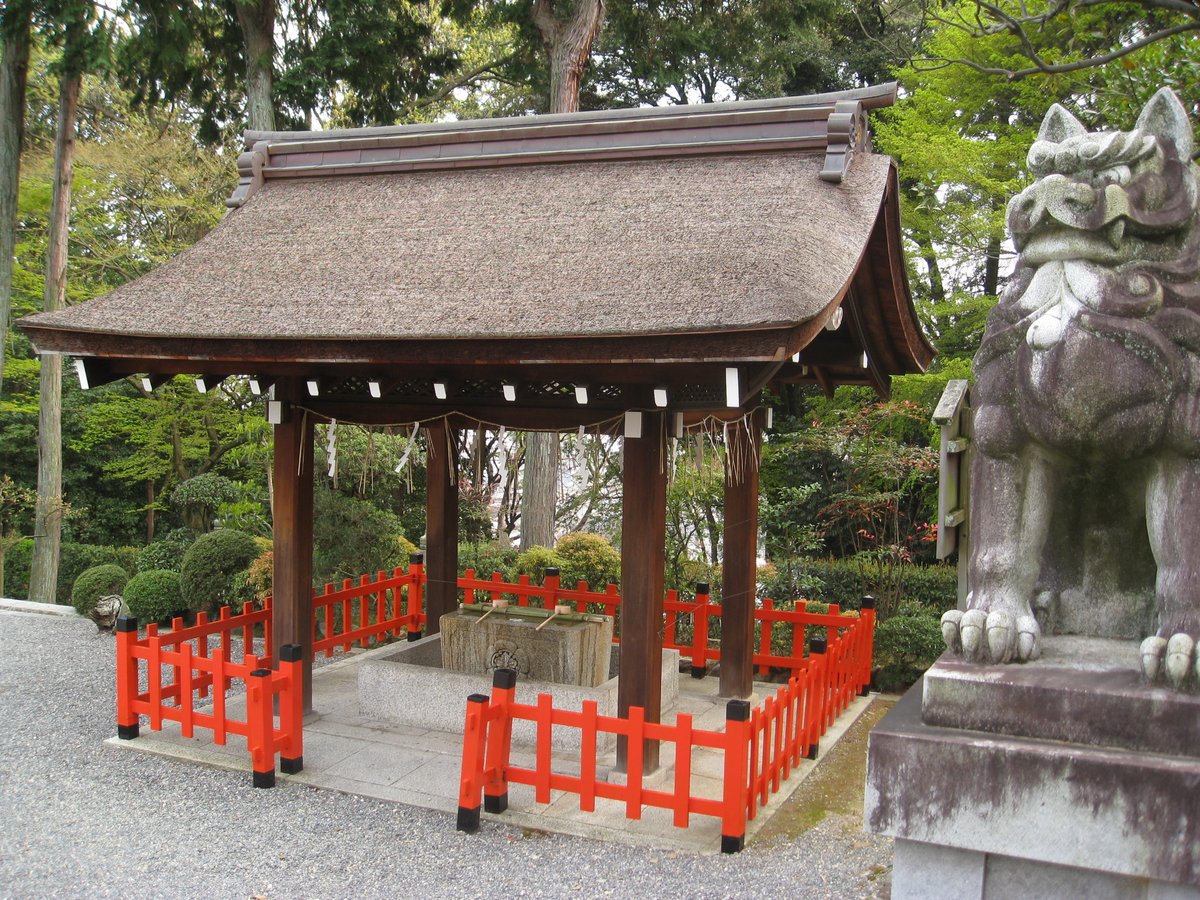
- Yasaka Shrine ~13-minute walk, historic festival site
- Pontocho ~5-minute walk, renowned for traditional dining
- Kiyomizu-dera Temple About 20–30 minutes’ walk or short bus ride
Shopping, Dining, and Nightlife
Shopping
The area boasts Kyoto’s leading department stores and shopping centers:
- Takashimaya Luxury brands and Kyoto goods, famous food hall (jw-webmagazine.com)
- Daimaru Kyoto Fashion and crafts near Gion
- Kawaramachi Garden Modern complex for souvenirs and specialty stores (matcha-jp.com)
- Fujii Daimaru and Kawaramachi OPA Trendy and youth-focused
Explore Shijo Street, Teramachi, and Shinkyogoku shopping arcades for traditional crafts and unique finds (magical-trip.com). Don't miss Nishiki Market for local delicacies (matcha-jp.com).
Dining
- Depachika Food Halls Basement levels of Takashimaya and Daimaru
- Historic Restaurants Kaiseki cuisine and tea houses from Yasaka Shrine to Shijo Ohashi Bridge
- Nishiki Market Street food and Kyoto specialties
Nightlife
- Kawaramachi-Shijo, Kiyamachi, and Pontocho Bustling nightlife, from izakayas to high-end bars and atmospheric alleys (pleasureinjapan.com)
- Kamogawa River Popular for evening strolls and seasonal events (kyoto.travel)
Cultural Events and Festivals
- Gion Matsuri (July) City-wide festival with parades and events near the station (magical-trip.com; matcha-jp.com)
- Aoi Matsuri (May) & Jidai Matsuri (October) Historical parades and processions
- Seasonal Events Hydrangea viewing in June, cherry blossoms in spring, tea ceremonies, and art exhibitions at department stores
Kiyomizu-dera Temple: Visitor Guide
History and Significance
Founded in 778 AD, Kiyomizu-dera is one of Kyoto’s most revered temples and a UNESCO World Heritage site. Its iconic wooden stage offers panoramic city views and is an architectural marvel built without nails (Kyoto Travel: Tourist Information).
Visiting Hours & Tickets
- Hours 6:00 AM–6:00 PM (last entry 5:30 PM); extended hours during spring/autumn illuminations
- Admission Adults 400 yen, Children 200 yen. Tickets are sold at the entrance only.
Access
- Bus Take routes #100 or #206 from Kyoto-Kawaramachi Station to Gojo-zaka or Kiyomizu-michi, then walk 10 minutes uphill.
- On Foot Approximately 20–30 minutes through the scenic Higashiyama district.
Visitor Tips
- Wear comfortable shoes for uphill and uneven terrain.
- Visit early or late for fewer crowds and better photos.
- Photography is allowed outdoors but restricted in some halls.
- Temple is open daily; guided tours and English audio guides are available.
FAQs
Q: What are Kyoto-Kawaramachi Station's operating hours?
A: Daily from around 5:00/6:00 AM to midnight, depending on the last train (Hankyu Railway Official).
Q: How can I purchase tickets?
A: Use automated machines (cash/IC cards) or visit staffed counters.
Q: Is the station accessible for travelers with disabilities?
A: Yes, with elevators, ramps, tactile paving, accessible restrooms, and staff assistance.
Q: What are the best nearby attractions?
A: Gion, Yasaka Shrine, Kiyomizu-dera Temple, Pontocho, and the Kamo River.
Q: Are credit cards accepted in the area?
A: Widely accepted in department stores and larger restaurants; cash recommended for small shops and markets.
Q: Are there English-speaking guides for tours?
A: Yes, several operators offer English tours around Kawaramachi and Gion.
Discover More
Kyoto-Kawaramachi Station is an ideal base for experiencing Kyoto’s dynamic fusion of ancient culture and modern attractions. With its excellent transport links, barrier-free facilities, and proximity to world-class shopping, dining, and historical sites, the station ensures a memorable and accessible visit.
For real-time updates, insider travel tips, and exclusive Kyoto guides, download the Audiala mobile app and follow us on social media. Plan your journey and unlock the best of Kyoto’s storied past and vibrant present.