Founding and Early Years
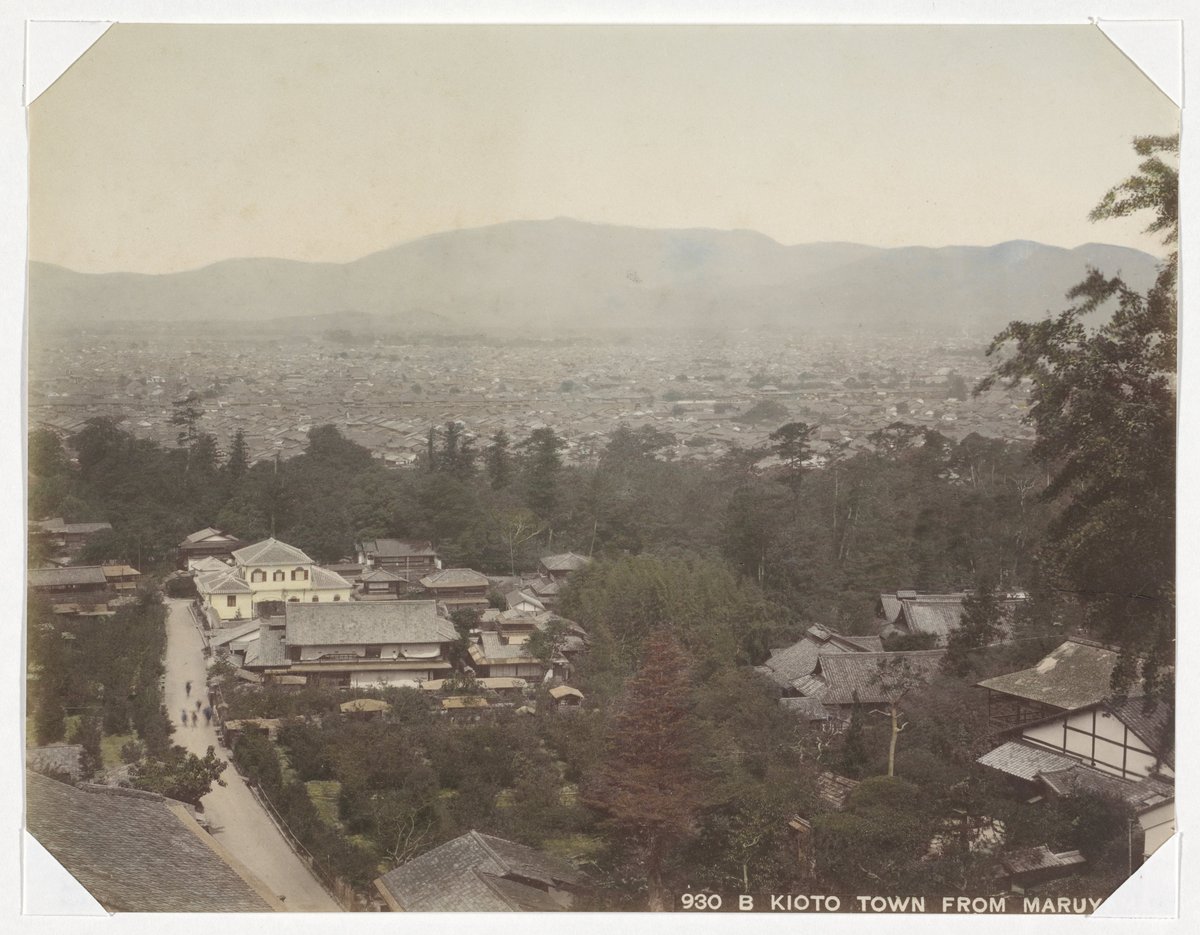
Heian Jogakuin University traces its roots to 1875, with the establishment of "Eddy’s School" by Annie M. Eddy in Osaka’s foreign settlement (dbpedia.org). By 1880, it became known as St. Agnes’ School, emphasizing Christian values. In 1894, the institution adopted the name Heian Jogakuin and relocated to Kyoto, where it opened the Meiji-kan—a Western-style building symbolizing its cross-cultural mission.
Growth and Cultural Influence
Throughout the 20th century, Heian Jogakuin expanded, officially establishing high school and junior college divisions, pioneering Western-style school uniforms, and integrating Christian (Anglican) values into its curriculum (heian.ac.jp/history.html). The school’s annual Christmas Cantata and community service programs highlight its commitment to moral education and cultural exchange.
Transition to University Status
Heian Jogakuin became a four-year university in 2000, later expanding with the International Tourism Department in Kyoto and the Department of Child Studies at its Takatsuki campus. It remains dedicated to empowering women with academic, social, and ethical leadership skills (dbpedia.org).
Campus & Architectural Heritage
Campus Layout
The university’s Kyoto campus features a blend of Meiji-era Western architecture and contemporary educational buildings. The Meiji-kan, completed in 1895, is the campus’s architectural jewel, complemented by the Muromachi-kan and tranquil gardens. The chapel, adorned with stained-glass windows, serves as a spiritual and communal hub.
Accessibility
Facilities include ramps, elevators, accessible restrooms, and multilingual information desks, ensuring a welcoming environment for all visitors.
Visiting Information
Visiting Hours
- Weekdays 9:00 AM to 5:00 PM
- Weekends/Public Holidays Closed (Special events excepted)
Guided tours are available by appointment through the administrative office. Some buildings may require advance booking or are accessible only during special events.
Tickets & Entry
- General Admission Free
- Guided Tours or Special Exhibitions May require a nominal fee or prior reservation
Accessibility
The campus is wheelchair accessible, with support facilities for all visitors. Contact the university in advance for specific needs.
Travel Tips & Nearby Attractions
How to Get There
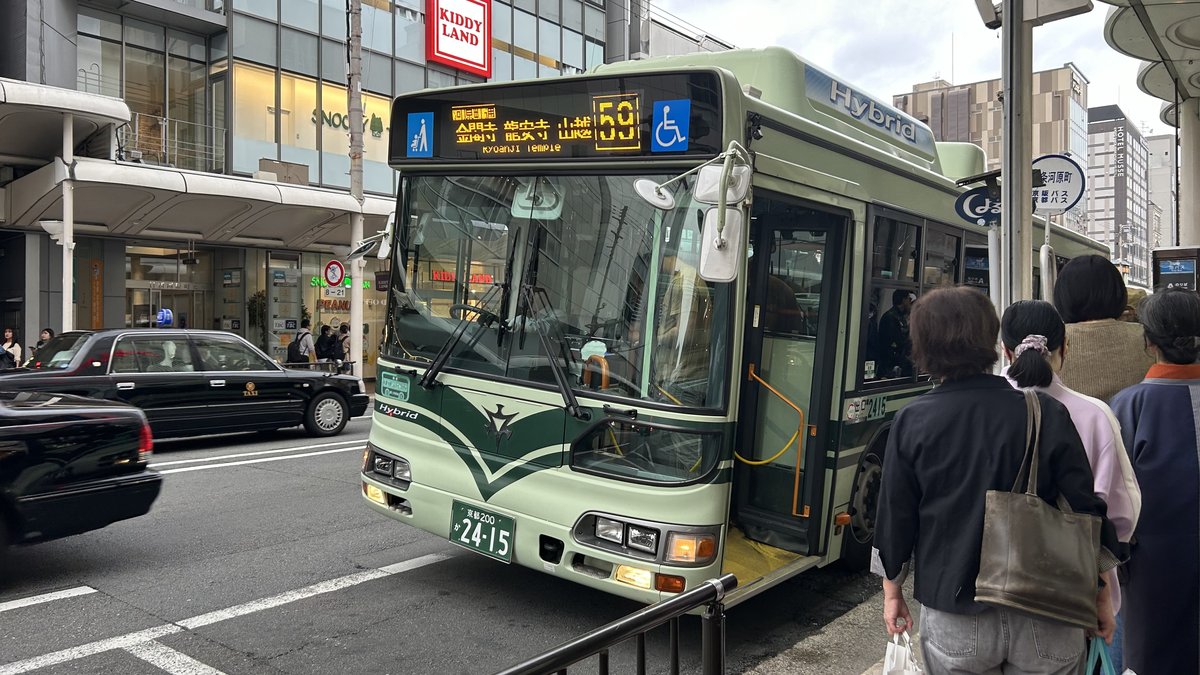
- Public Transit Accessible via Kyoto City buses and the subway (nearest major station: Imadegawa or Marutamachi).
- From Kyoto Station Approx. 20 minutes by bus or taxi.
Best Times to Visit
Spring (cherry blossom season) and autumn (fall foliage) offer the most scenic campus views.
Nearby Kyoto Attractions
- Kyoto Imperial Palace
- Heian Shrine
- Okazaki Park and Cultural Zone
- Nijo Castle
- Shimogamo Shrine
- Philosopher’s Path and Nanzen-ji Temple
- Gion District
Special Events & Cultural Activities
- Christmas Cantata Annual choral and cultural event open to the public
- Jidai Matsuri (Festival of the Ages) Historical parade adjacent to the university (source)
- Cherry Blossom & Autumn Leaf Viewing Seasonal highlights on campus and at nearby shrines
- Educational Tourism Programs Guided tours for groups and schools (Consortium Kyoto)
Milestones in Women’s Education
Heian Jogakuin has led the way in women’s education, being among the first to offer formal schooling to women in Japan. Its embrace of Western educational practices, Christian ethics, and community service distinguishes its legacy.
Latest Developments
Recent milestones include the integration of university and junior college operations, department name updates (e.g., Department of Child Education), and the certification of affiliated childcare centers (heian.ac.jp/history.html). The university welcomes international students and provides multilingual support (Study Kyoto).
Frequently Asked Questions (FAQ)
Q: What are the visiting hours for Heian Jogakuin University?
A: Weekdays, 9:00 AM–5:00 PM; closed on weekends and public holidays unless special events are scheduled.
Q: Is there an admission fee?
A: General campus admission is free. Some tours or exhibitions may require booking and a small fee.
Q: Are guided tours available?
A: Yes, by prior arrangement via the university office.
Q: How can I reach the university from central Kyoto?
A: By bus or subway; nearest stops are Imadegawa or Marutamachi.
Q: Is the campus accessible for wheelchair users?
A: Yes, with ramps, elevators, and accessible restrooms.
Q: Are there multilingual services for visitors?
A: Yes, assistance is available in Japanese, English, Chinese, and Korean.