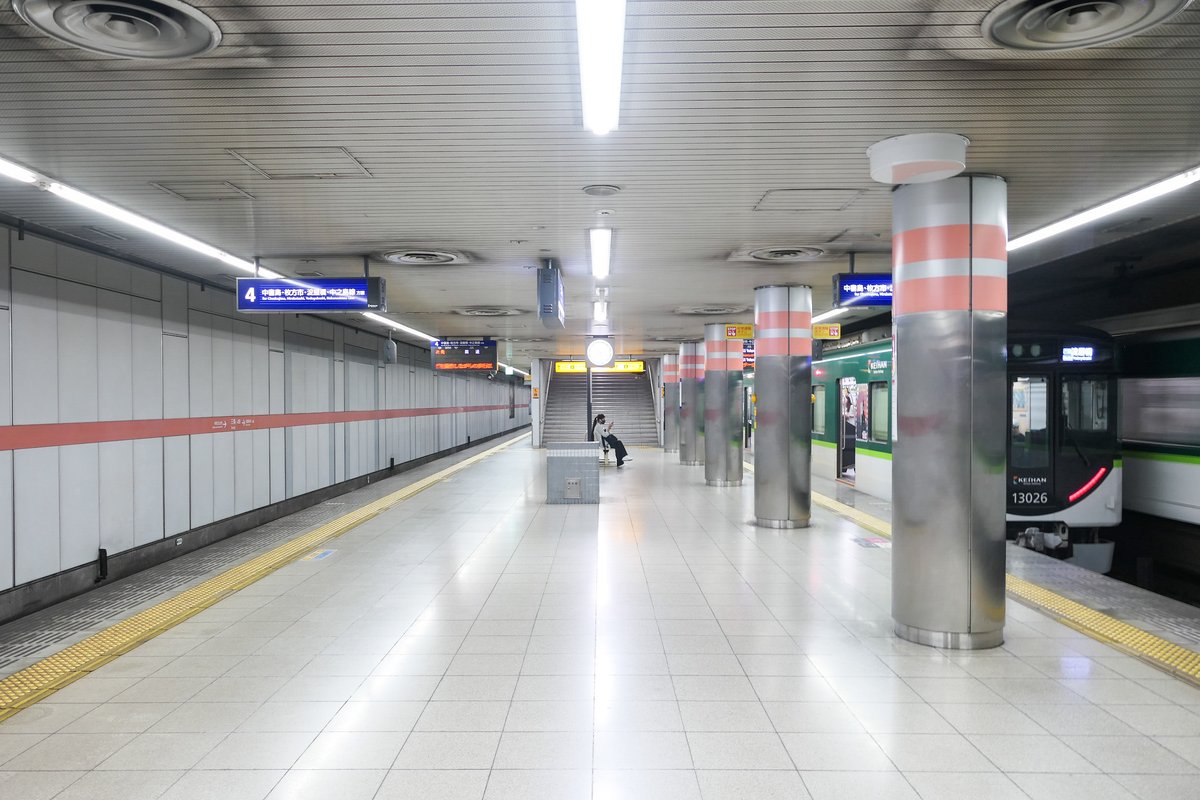
About Sanjo Station
Sanjo Station (三条駅, Sanjō-eki) is a central transportation hub in Kyoto, connecting the city with Osaka and the wider Kansai region. Located in Higashiyama Ward beneath Kawabata Dori, beside Sanjo-Ohashi Bridge over the Kamo River, it sits between Kyoto’s historic core and its busy city districts.
The adjacent Sanjo Keihan Station connects to the Kyoto Municipal Subway Tozai Line. From Sanjo, visitors can reach Gion, Kawaramachi, and Nijo Castle, as well as nearby historic sites, atmospheric alleys, traditional dining, and cultural workshops.
History
Sanjo Station opened on October 27, 1915, as a terminal of the Keihan Main Line. Its location made it an important link between Kyoto and Osaka. Before it opened, the area was served by the temporary Sanjo-Ohashi Station, established in 1912 for the Keishin Electric Streetcar network.
Nearby Sanjo-Ohashi Bridge has long been an important gateway to Kyoto and the site of historical events such as the Ikedaya Incident. Keihan Electric Railway Official
What to see and do
Sanjo is a convenient starting point for visiting nearby cultural and historic sites, attending seasonal events, and joining walking tours focused on history or food.
- Festivals The station is an entry point for events including Gion Matsuri in July and seasonal festivals along the Kamo River. Magical Trip
- Guided tours Walking tours focused on historical and culinary experiences depart from the station area. Advance booking is recommended.
- Cultural workshops Activities in the area include pottery, calligraphy, and kimono-dressing classes. Travel Caffeine
Practical visiting information
Station layout and facilities
Sanjo is an underground station with two island platforms serving four tracks. It is the largest station on the Keihan Main Line between Shichijo and Demachiyanagi. Platforms accommodate trains of up to eight cars; Limited Express and K-Limited Express services use platforms 1 and 3. The orange platform color is a visual nod to the station’s name—the number “three” in resistance color coding.
Facilities include elevators, escalators, tactile paving, accessible restrooms, and coin lockers. Multilingual signage and staff are available. Wikipedia
Hours and tickets
Trains run from approximately 5:30 AM to midnight daily. Ticket counters and machines are open throughout this period. Tickets can be purchased at automated machines or staffed counters. Payment options include cash, credit cards, and major IC cards, including ICOCA, Suica, PASMO, and Kansai One Pass. Multilingual instructions are provided, and fare-adjustment counters can assist with route planning. Kyoto Station Guide
Available options include single-ride tickets, day passes, the Kyoto Subway & Bus One-Day Pass, Kansai Thru Pass, Kyoto Sightseeing Pass, Subway & Bus 1-Day Pass, and Keihan Railway Kyoto 1-Day Pass. ICOCA and Suica are widely accepted for travel. Keihan Railway Official
Rail, bus, and surface transport
- Keihan Electric Railway Sanjo is a key stop on the Keihan Main Line, which links Kyoto with Yodoyabashi Station in Osaka. The Oto Line runs north to Demachiyanagi, where there is further access to the Eizan Electric Railway for Kibune and Kurama. At Chushojima, passengers can transfer to the Uji Line for Uji and Byodoin Temple. Japan Experience
- Kyoto Municipal Subway Tozai Line Sanjo Keihan Station connects to the Tozai Line, which provides east-west transit across Kyoto, with stops near Nijo Castle, Nanzenji Temple, and the Higashiyama district. Kyoto Station Guide
- Buses and other transport Sanjo Station serves as a major bus terminal, with routes #5, #10, #11, #12, and #59 to city landmarks and areas such as Shijo Kawaramachi. Taxi stands and bicycle-rental shops are nearby. Japan Experience
- JR connections Sanjo is not directly served by JR lines. Travelers can transfer to JR services via Nijo Station on the Tozai Line or via Kyoto Station.
Traveler tips and accessibility
- When to visit Early mornings and weekdays are less crowded. Peak seasons are cherry blossom season in April and autumn foliage season in November.
- Accessibility Elevators, ramps, tactile paving, and accessible restrooms are available at the station and at most nearby attractions.
- Luggage Coin lockers of various sizes are available inside the station.
- Navigation Multilingual signage, real-time schedule boards, and staff are available to help visitors navigate.
- Wi-Fi Free Wi-Fi is available in the station concourse and many nearby cafés.
Nearby places
Historical and cultural sites
- Sanjo-Ohashi Bridge Dating to 1590, the bridge has served as a historic gateway to Kyoto and was the site of events such as the Ikedaya Incident. It is freely accessible and offers views of the Kamo River. Travel Caffeine
- Gion District A short walk from Sanjo Station, Gion is known for geisha culture, traditional teahouses, and Hanami-koji Street.
- Pontocho Alley This atmospheric area features historic machiya, kaiseki dining, and summer riverside terraces known as yuka.
- Kamo River (Kamogawa) The river is a spot for walking and picnicking, and hosts seasonal festivals. It is especially beautiful during cherry blossom season. Trip101
Shopping and food
- Teramachi and Shinkyogoku Shopping Arcades These busy arcades offer shops, cafés, entertainment, fashion, souvenirs, and crafts, combining traditional goods with modern trends.
- Nishiki Market Known as “Kyoto’s Kitchen,” the market offers fresh produce and local delicacies. It is open daily from 9 AM to 6 PM. Foods to try include yuba, tsukemono, seafood, and matcha sweets. JW Web Magazine
- Kamo River Evening strolls, picnics, performances, and seasonal festivals are among the activities along the river.
- Dining Riverside yuka dining offers seasonal Kawadoko meals on the Kamo River. Nearby cafés, historic tea houses, and patisseries serve Kyoto-style desserts.
Accommodation
- OMO5 Kyoto Sanjo by Hoshino Resorts A modern, traveler-friendly hotel 5 minutes from Sanjo Keihan Station. OMO5 Kyoto Sanjo
- The Royal Park Hotel Kyoto Sanjo Offers premium and standard floors, in-house dining, and banquet facilities. Royal Park Hotel Kyoto Sanjo
- Minn Gion Kamogawa An apartment-style hotel with kitchenettes, suitable for families or groups. iTravelBlog
- STITCH HOTEL Kyoto Boutique serviced apartments on Kawaramachi. iTravelBlog
Dining options: Monsieur ITOH serves French-Japanese fusion cuisine within The Royal Park Hotel. Royal Park Hotel Kyoto Sanjo
Frequently asked questions
What are Sanjo Station’s hours?
Trains run approximately from 5:30 AM to midnight daily.
Where can I buy tickets?
Ticket machines and staffed counters are available in the station.
Are there special passes for tourists?
Yes. Options include the Kyoto Sightseeing Pass, Subway & Bus 1-Day Pass, and Keihan Railway Kyoto 1-Day Pass.
Is Sanjo Station accessible?
Yes. The station has elevators, ramps, and accessible restrooms.
Are coin lockers available?
Yes. Lockers for various luggage sizes are available in the station.