
Cultural and Natural Significance
Historical Roots and Spiritual Legacy
Arashiyama’s roots stretch back to the Heian period, when Kyoto’s aristocracy favored it as a retreat for poetry, art, and seasonal festivities. The district’s name—“Storm Mountain”—reflects its dramatic landscapes and lasting role as a wellspring of inspiration and spiritual reflection.
Tenryu-ji Temple, a UNESCO World Heritage Site, is the spiritual heart of Arashiyama. Founded in 1339, it houses the Sogenchi Garden, a masterpiece of Zen design by Muso Soseki, harmonizing water, rocks, and seasonal flora (Kyoto Sake Experience). Nonomiya Shrine is another highlight, historically used for imperial purification rituals and now popular for blessings related to love (Kyoto Sake Experience).
Festivals and Seasonal Traditions
Arashiyama’s calendar is defined by vibrant festivals:
- Arashiyama Momiji Festival (November) Heian-period boat processions, music, and poetry on the Hozu River, celebrating autumn foliage (Magical Trip).
- Toro Nagashi (August 16) Hundreds of lanterns float down the river during Obon, culminating with the illuminated Togetsukyo Bridge (Magical Trip).
Natural Wonders and Scenic Landscapes
The Bamboo Grove
The Arashiyama Bamboo Grove is one of Japan’s most photographed natural wonders. The towering bamboo creates a tranquil, otherworldly corridor, ideal for peaceful walks at dawn (Intrepid Scout).
Hozu River & Togetsukyo Bridge
The Hozu River meanders through scenic mountains, while the Togetsukyo Bridge, or “Moon Crossing Bridge,” is both a historic and visual centerpiece, particularly stunning during cherry blossoms and autumn foliage (Kyoto Sake Experience).
Sagano Scenic Railway & Hozugawa Boat Ride
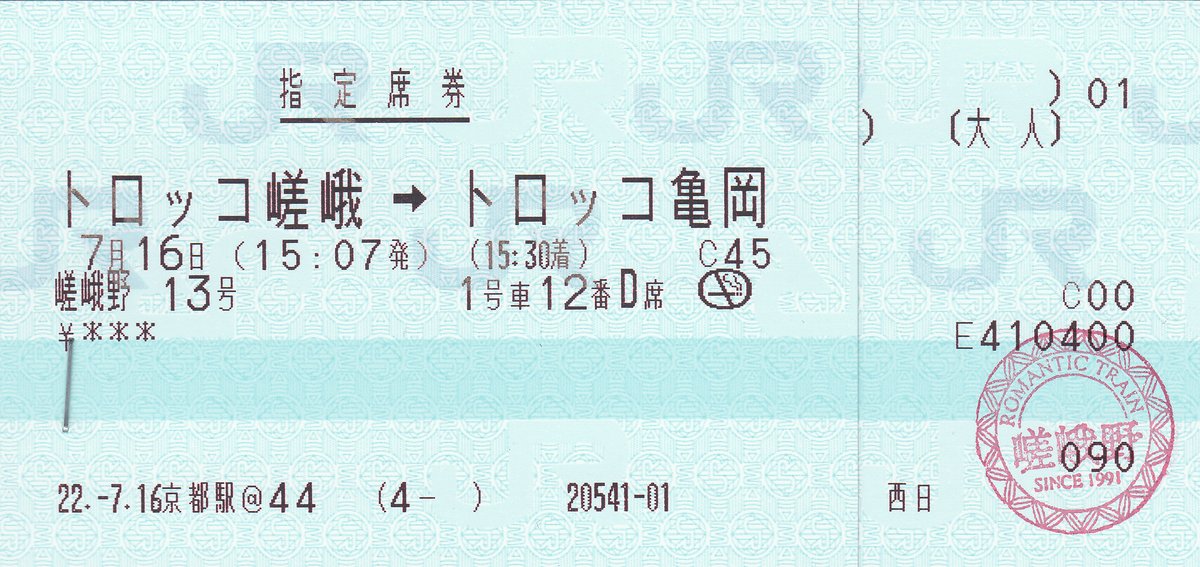
The Sagano Romantic Train offers nostalgic journeys through dramatic ravines, especially beautiful in spring and autumn (Japan Guide). The Hozugawa River Boat Ride adds a traditional, adventurous perspective along a 16-kilometer stretch of river (Travel Japan Journal).
Iwatayama Monkey Park
Home to over 120 wild macaques, Iwatayama Monkey Park offers both wildlife encounters and panoramic Kyoto views after a moderate hike (Kyoto Sake Experience).
Practical Visitor Information
Visiting Hours & Tickets
- Tenryu-ji Temple 8:30 AM – 5:30 PM; ~¥500 admission.
- Iwatayama Monkey Park 9:00 AM – 4:00 PM; ¥550 admission.
- Sagano Scenic Railway 9:00 AM – 4:00 PM (seasonal); ~¥620 one way.
Most attractions accept on-site and online ticket purchases. The Bamboo Grove and Togetsukyo Bridge are open 24/7 and free to enter.
Transportation & Accessibility
Arashiyama is accessible via:
- JR Sagano Line (Saga-Arashiyama Station): 15–16 minutes from Kyoto Station.
- Randen Tram (Keifuku Arashiyama Station): Charming tram ride, central location.
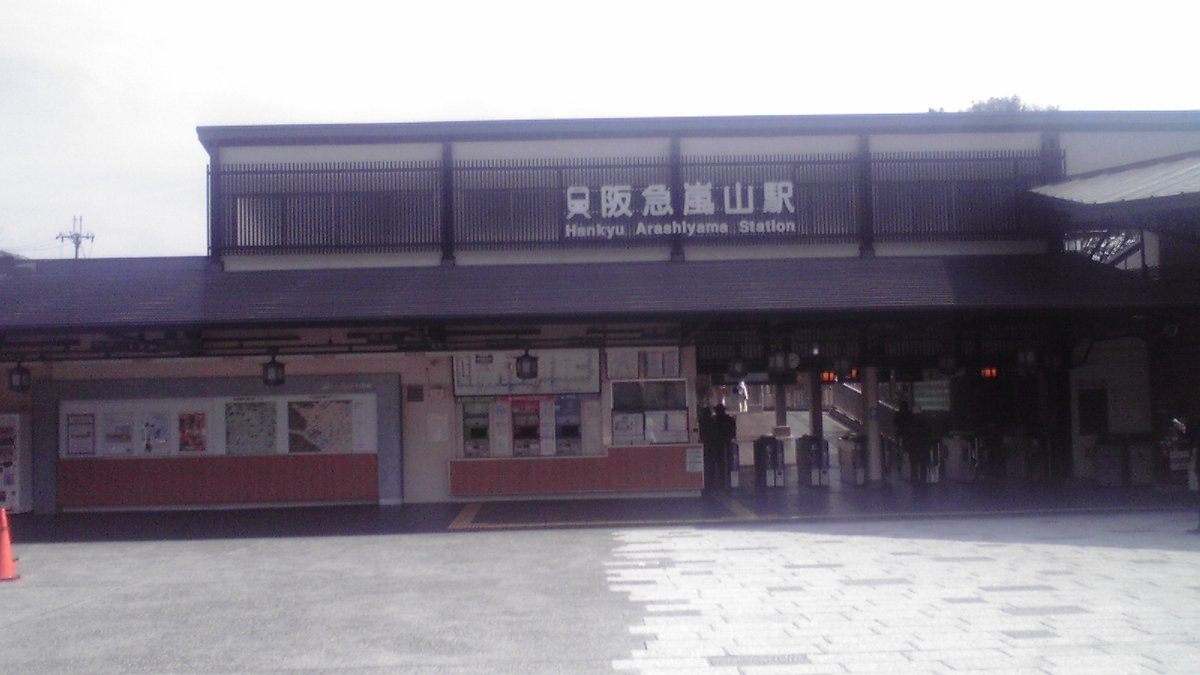
- Hankyu Arashiyama Station Convenient from Osaka or southern Kyoto.
All major stations offer wheelchair access, clear signage, and luggage storage. Buses and taxis are available, though traffic may be heavy during peak seasons (Japan Guide).
Guided Tours & Nearby Attractions
Walking and cycling tours are available, often including off-the-beaten-path sites. Other nearby highlights include Jojakko-ji Temple, Okochi Sanso Villa, and the lively Arashiyama shopping street.
Seasonal Highlights
- Spring Cherry blossoms; ideal for hanami and scenic train rides (Intrepid Scout).
- Summer Lush greenery, Obon lantern festivals (Magical Trip).
- Autumn Momiji Festival, vibrant foliage, evening illuminations (Magical Trip).
- Winter Peaceful snowscapes, fewer crowds, cozy local ryokans.
Shopping, Dining & Local Experiences
- Arashiyama Shopping Street Traditional shops and cafes featuring yuba, matcha sweets, and Kyoto crafts.
- Culinary Experiences Try yudofu, kaiseki fare, and riverside teahouses.
- Kimono Forest Near Randen Arashiyama Station, illuminated textile art installations in the evening.
- Rickshaw Rides Guided tours through scenic lanes, available 9:00 AM – 5:00 PM.
Frequently Asked Questions (FAQ)
Q: What are the best visiting hours for Arashiyama?
A: Early mornings (8:00–10:00 AM) are ideal, especially during cherry blossom and autumn foliage seasons.
Q: Where can I buy tickets for attractions or trains?
A: Tickets are available at stations, online, or via travel apps.
Q: Are the stations and attractions accessible?
A: Yes, major stations and sites are wheelchair accessible. Some trails may be challenging.
Q: How long should I plan to visit Arashiyama?
A: At least a half-day for key sights; a full day for a relaxed experience.
Q: When is the best time to visit?
A: Spring and autumn for seasonal beauty; summer and winter offer unique experiences with fewer crowds.
Q: Are guided tours available?
A: Yes, including walking, cycling, and rickshaw tours.