What the Places Are
Kyoto Institute of Technology (KIT), known in Japanese as 京都工芸繊維大学 (Kyoto Kōgei Sen’i Daigaku), is in Kyoto’s northern Rakuhoku area. It brings together Japan’s craftsmanship heritage and modern innovation, with a focus on traditional and contemporary arts, design, textile engineering, and sustainable technology. Its eco-friendly campus, architecture, landscaped grounds, and public activities offer visitors an opportunity to explore beyond Kyoto’s conventional tourist path.
Kinkaku-ji, or the Golden Pavilion, is one of Kyoto’s iconic historical sites. The Zen Buddhist temple is known for its gold-leaf-covered upper floors, reflection in the pond, and garden setting.
History
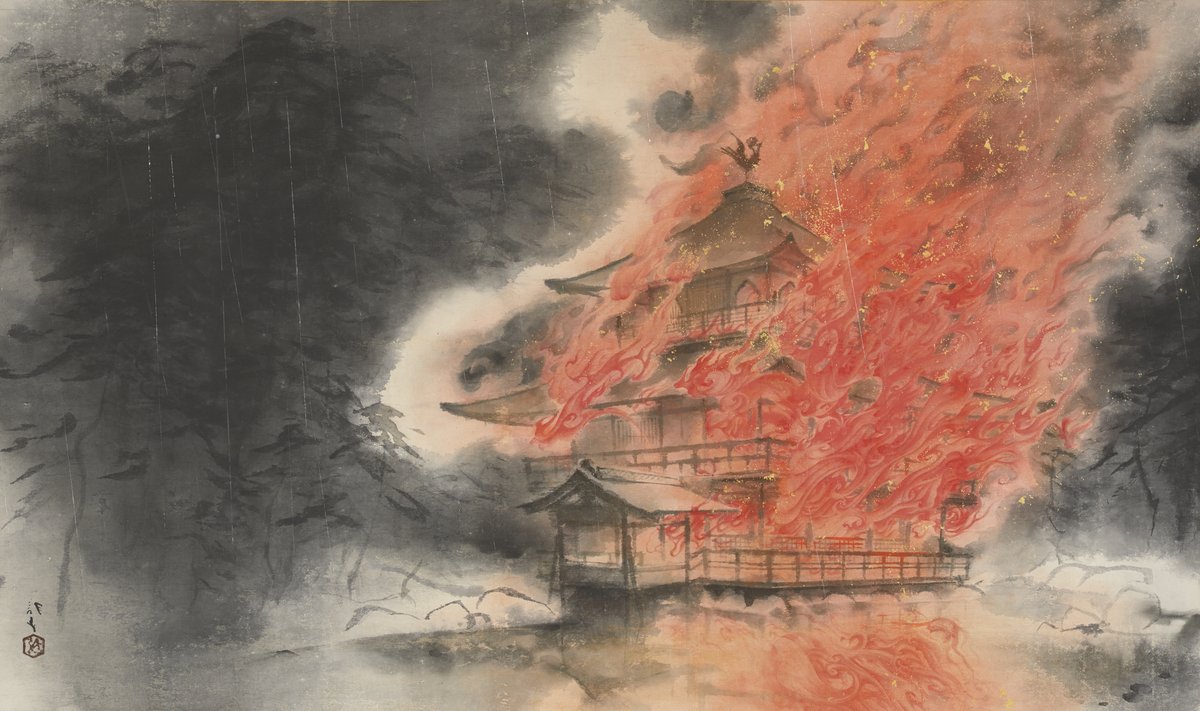
Kinkaku-ji was constructed in 1397 as a shogunal villa for Ashikaga Yoshimitsu and later became a Zen temple. Its upper floors are covered in gold leaf, associated with the opulence of the Muromachi era. Rebuilt after a 1955 fire, it is a UNESCO World Heritage Site and a National Special Historic Site.
KIT’s Main Administration Building is a postwar architectural icon. The campus also reflects Kyoto’s craftsmanship heritage alongside contemporary design and research.
What to See and Do
KIT Campus and Architecture
KIT’s tranquil, landscaped grounds include mature trees, open courtyards, shaded paths, and gardens, combining traditional Japanese design with modern innovation and eco-conscious design (KIT official). Outdoor sports facilities provide routes for walking and observing campus life.
Campus facilities and highlights include:
- Museum and Archives Public exhibitions on KIT’s research and history, including temporary exhibitions on science, technology, and Kyoto’s cultural legacy (KIT official).
- Library and Information Center Public collections, especially resources in design and technology.
- KYOTO Design Lab A hub for international collaboration, exhibitions, and interdisciplinary workshops (Edarabia).
- Center Hall and PlazaKIT Communal spaces on campus.
- Student Commons and Cafeteria Affordable meals and a view of student life.
- Villa KIT A guesthouse primarily for visiting scholars.
Exhibitions, Events, and Research
Regular public exhibitions feature student and faculty work, blending Kyoto’s traditional crafts with modern design (KIT official). KIT also hosts public lectures and symposiums, many in English, on research and creative practice.
Workshops may include Nishijin weaving and Kyo Yuzen dyeing; many are open to the public or available for group reservation (KIT official). The university also holds lectures, festivals, themed tours, and open campus days, especially in August. During these events, research centers such as the Advanced Technology Center may offer in-depth tours (KIT Events).
Other programs include the Kyoto Student Festival, the International Student Film Festival, international summer schools, and open days focused on technology, design, and Japanese culture (Edarabia).
Kinkaku-ji Grounds
Visitors can view the Golden Pavilion from outside; entry into the pavilion is not permitted. The surrounding gardens have scenic walking paths and traditional tea houses. Kyoko-chi (Mirror Pond) is a spot to see the pavilion’s reflection.
Practical Visiting Information
KIT Hours, Admission, and Access
- General visiting hours 9:00 AM–5:00 PM, Monday to Friday; hours may change during holidays and events.
- Matsugasaki Campus hours Weekdays, 8:30 AM–6:00 PM. Check in advance for special events or facility-specific hours (KIT official website).
- Admission Campus entry is free through multiple accessible gates. General admission and exhibitions are described as free, although some exhibitions, events, or guided tours may require reservations or a nominal fee.
- Address Matsugasaki, Sakyo-ku, Kyoto 606-8585, Japan.
- Tours Guided tours are available through the visitor center, and themed tours and open campus days take place during special events. Tours may offer curated insights into KIT’s architecture, heritage, and research.
KIT is near Matsugasaki Station on the Kyoto Municipal Subway Karasuma Line. Another access description identifies Demachiyanagi Station on the Keihan and Eizan lines as the nearest station, with a short bus ride or a 20-minute walk to KIT. Subway and bus networks connect to campus, with stations also described as a 10–15 minute walk away. Multiple Kyoto City Bus routes serve the area, and bicycle rentals are convenient. Parking is limited, so public transport is recommended.
KIT Facilities and Visitor Support
KIT’s campus has ramps, elevators, accessible restrooms, and accessible gates. The Center for Accessibility and Communication Assistance supports inclusion, and the International Affairs Office assists international guests. Multilingual signage and maps are provided. Visitors with specific needs can contact the visitor center in advance.
The campus has an information desk, rest areas, dining facilities, and free guest Wi-Fi in many public zones. KIT HOUSE and Warakuan cafeterias serve Japanese and international meals; convenience stores and vending machines are available for snacks and drinks. Visitors can use dining facilities during regular hours. KIT also prioritizes environmental responsibility through eco-friendly initiatives and campus security.
Kinkaku-ji Hours, Tickets, and Access
- Hours Open daily, 9:00 AM–5:00 PM; last entry is at 4:30 PM.
- Tickets ¥400 for adults; free for children under junior high age. Tickets are sold on-site.
- Access Take bus 101 or 205 from Kyoto Station to the Kinkaku-ji-michi stop, then walk 5 minutes.
- Accessibility The main viewing areas are accessible, but some paths are uneven or stepped.
- Tours Guided tours are available in multiple languages and can be reserved online, at tourist centers, or on-site.
Travel Tips
- Wear comfortable shoes for exploring KIT’s expansive campus and nearby sites.
- KIT’s academic year runs from April to March; August is a particularly active time for festivals and open campuses.
- Cherry blossom season, from late March to April, and autumn foliage in late November are scenic times to visit KIT (Matcha-JP).
- For Kinkaku-ji, early mornings or late afternoons on weekdays are suggested for fewer crowds and photography. Spring cherry blossoms and autumn foliage are especially picturesque; seasonal highlights include cherry blossom and autumn foliage festivals.
- Photography is allowed in KIT’s public areas; ask before photographing indoors and request permission for labs or restricted spaces. Respect posted restrictions.
- At Kinkaku-ji, photography is permitted on the grounds but not inside buildings.
- Respect quiet zones and dress modestly at KIT events.
- Check KIT’s website for current event, tour, and exhibition information.
Nearby Places
KIT is described as being near several cultural landmarks:
- Kurama Temple A historic mountain temple.
- Kamigamo Shrine Known for its ancient Shinto heritage.
- Shugakuin Imperial Villa An example of Japanese landscape architecture.
- Kyoto Botanical Gardens A place for a stroll after a campus visit.
- Philosopher’s Path and Mt. Hiei hiking trails (KIT official).
Ryoan-ji Temple, known for its rock garden, and Ninna-ji Temple are within walking distance of Kinkaku-ji.
Frequently Asked Questions
Kyoto Institute of Technology
Is the Kyoto Institute of Technology open to the public?
Yes. Visitors can come during regular hours, although some areas require a guided tour or reservation.
Are there entrance fees?
General campus entry is free. Select exhibitions, events, or guided tours may charge a fee or require reservations.
Are guided tours available?
Yes. Tours are available through the visitor center and during special events; check the KIT website for details.
Can I take photographs?
Photography is allowed in most outdoor and public areas. Follow posted restrictions and ask before photographing indoors, labs, or restricted spaces.
Are food and restroom facilities available?
Yes. Cafeterias and restrooms are available to visitors.
Is the campus wheelchair accessible?
Yes. Ramps, elevators, and accessible restrooms are in place. Contact the visitor center for support with specific needs.
Can visitors use the dining facilities?
Yes, during regular hours.
Kinkaku-ji
Can I enter the Golden Pavilion?
No. Visitors can view it from outside.
Are guided tours available?
Yes. Tours can be booked in advance or on-site.
Is photography allowed?
Photography is permitted on the grounds but not inside buildings.
What is the best season to visit?
Spring, for cherry blossoms, and autumn, for foliage, are the most picturesque seasons.