History and Institutional Evolution
Founding and Growth
Kyoto Saga University of Arts (嵯峨美術大学, Saga Bi) began in 1971 as Saga Art Junior College, established by the Daikakuji Gakuen educational foundation. Closely connected to Daikaku-ji Temple, the institution was rechartered as a university in 2001 and adopted its current name in 2017, reflecting its expanded academic scope and its status as a hub for artistic innovation in Kyoto (Wikipedia).
Educational Mission
Inspired by the spiritual and cultural legacies of Emperor Saga and Kūkai, the university’s philosophy centers on blending traditional Japanese arts with new creative expressions. Small class sizes and personalized instruction allow for the cultivation of unique artistic voices across a range of disciplines, from tea ceremony and ikebana to manga, design, and fine art (Art in Kyoto).
Visiting Kyoto Saga University of Arts
Visiting Hours
- General Public Access Monday to Friday, 9:00 AM – 5:00 PM.
- Closures Weekends, Japanese national holidays, and university holidays. Some areas may be accessible only during special events or open campus days.
Tickets and Admission
- Admission Free for general campus and museum visits.
- Special Exhibitions/Workshops May require advance reservation or a small fee. Up-to-date details are available on the university’s official website.
Guided Tours and Events
- Guided Tours Available upon request, especially during open campus days and special events.
- Public Events The university hosts regular exhibitions, workshops, and the annual Arangei Festival, featuring art displays, performances, and food stalls (Kyoto Saga University of Arts Campus Life).
Accessibility
- Wheelchair Access The campus and museum are equipped with ramps and elevators.
- Special Needs Visitors requiring assistance should contact the university in advance to arrange support.
Campus and Location Significance
Set in the lush Sagano-Arashiyama area, the university is surrounded by natural beauty and historic landmarks. The campus architecture harmoniously fuses modern design with traditional Kyoto elements, including wooden facades and tranquil gardens, creating an inspiring atmosphere for study and reflection (Masterstudies).
Museum and Exhibitions
The Kyoto Saga University of Arts Museum houses approximately 4,500 works, including folk toys, fine arts, and industrial art. Unique highlights:
- Folk Dolls Over 2,000 pieces representing “dead arts” (traditional crafts no longer widely practiced).
- Export Fans Around 1,500 Kyoto-made fans from the late 19th to early 20th centuries.
- Rotating Exhibitions Regularly updated displays serve both educational and public audiences (Kyoto Museums).
Academic Programs
The university offers two-year and four-year programs, emphasizing both traditional Japanese arts and contemporary creative disciplines. Courses include painting, sculpture, manga, illustration, design, ceramics, and more (Art in Kyoto).
Community Engagement
Kyoto Saga University of Arts is a vibrant member of Kyoto’s art community, partnering with local institutions such as Daikaku-ji Temple for exhibitions, workshops, and cultural preservation initiatives. The university’s museum and public events play a key role in sustaining and revitalizing Kyoto’s artistic traditions (Kyoto Museums).
Notable Alumni
Despite its relatively recent establishment, the university has produced alumni who are active in fine arts, design, and cultural preservation, contributing to Japan’s and the global art scene (Wikipedia).
Access and Transportation
- Address 1 Saga Gotō-chō, Ukyo-ku, Kyoto 616-8362, Japan (Kyoto Saga University of Arts)
- Nearest Station Saga-Arashiyama Station (JR Sagano Line), approx. 10-minute walk.
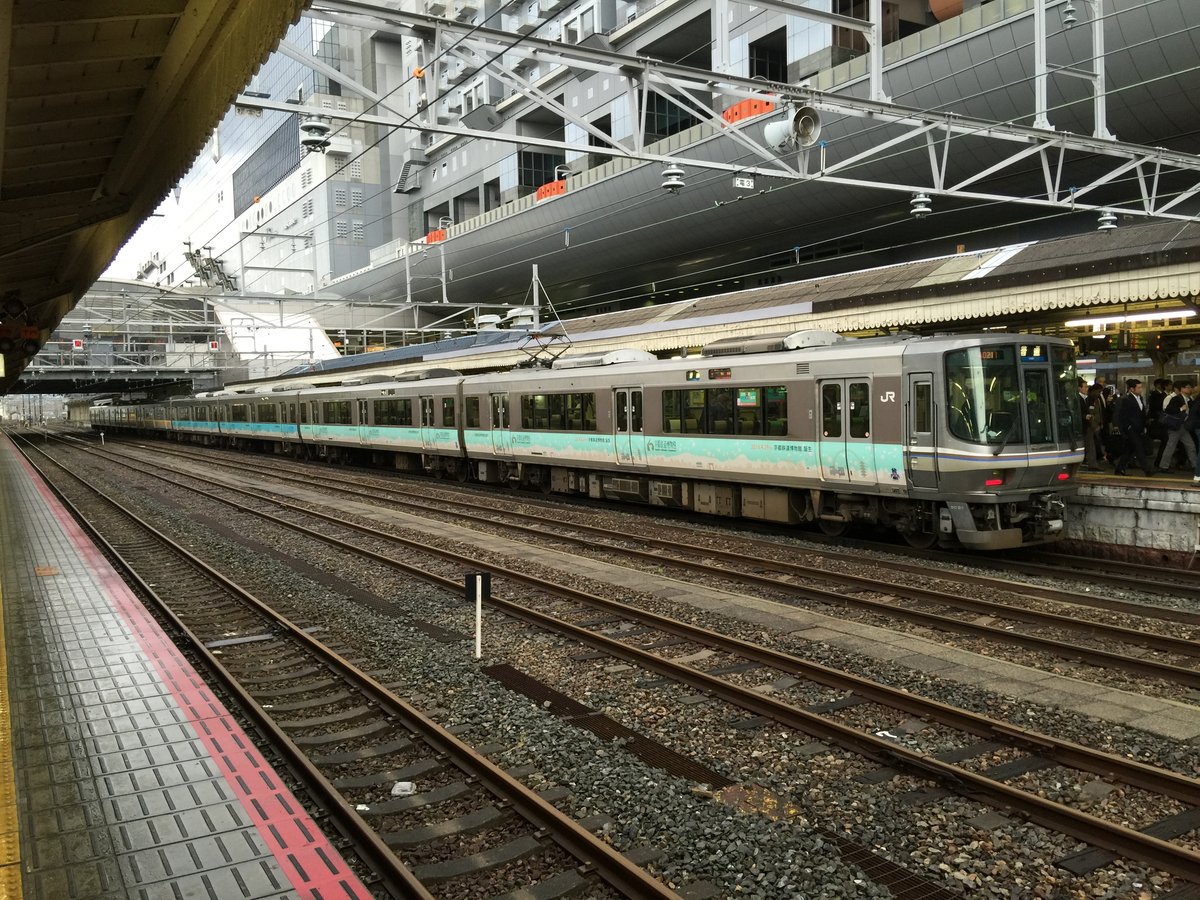
- From Kyoto Station 15 minutes by train, then a short walk.
- Buses Local bus lines serve the area.
- Travel Tips Use IC cards (Suica, ICOCA, PiTaPa) or a 1-Day Kyoto Sightseeing Pass for convenience (Asia Odyssey Travel).
Nearby Attractions
Make the most of your visit by exploring these sites:
- Arashiyama Bamboo Grove Iconic, serene bamboo forest.
- Tenryū-ji Temple UNESCO World Heritage Zen temple with beautiful gardens.
- Daikaku-ji Temple Historic temple with deep links to the university.
- Fukuda Art Museum Collection of Japanese paintings from the Edo period onward (Matcha Japan).
- Sagano Scenic Railway ("Romantic Train") Picturesque ride along the Hozu River, especially during cherry blossom and autumn foliage seasons.
The area also features cafés, artisan shops, and local festivals.
Practical Travel Tips
- Best Seasons Spring (cherry blossoms) and autumn (foliage) are visually stunning but can be crowded; visit early or on weekdays for a quieter experience.
- Footwear Comfortable shoes recommended for walking on uneven terrain.
- Language English signage is available at major tourist sites; basic Japanese or a translation app is helpful.
- Dining Try the campus café or savor kaiseki cuisine and matcha sweets in Arashiyama.
- Souvenirs Look for student-made art or local crafts nearby.
Frequently Asked Questions (FAQ)
Q: What are the university’s visiting hours?
A: Monday to Friday, 9:00 AM – 5:00 PM. Closed on weekends and holidays.
Q: Is there an admission fee?
A: General admission is free. Some special exhibitions or workshops may require tickets.
Q: Are guided tours available?
A: Yes, often during open campus events. Contact the university to arrange a visit.
Q: Is the campus accessible for people with disabilities?
A: Yes, most facilities are wheelchair accessible. Contact ahead for special arrangements.
Q: How do I reach the university from Kyoto Station?
A: Take the JR Sagano Line to Saga-Arashiyama Station, then walk or take a bus.
Visual Gallery
- Campus entrance with traditional Kyoto architecture and lush greenery (alt="Kyoto Saga University of Arts campus entrance")
- Museum interior displaying folk dolls (alt="Kyoto Saga University of Arts Museum folk dolls")
- Scenic view of Sagano-Arashiyama near the university (alt="Sagano-Arashiyama scenic view")