Historical Background
Originally established in 1884 during Japan’s modernization, KPU began as the Kyoto Private German School. Spearheaded by scholars educated under German teacher Rudolph Lehmann, the institution introduced Western pharmaceutical sciences to Japan. Over the decades, KPU transformed into a specialized university, officially chartered in 1949, and has since become a cornerstone of pharmaceutical education and research in the country.
Campus Locations and Visitor Information
KPU operates two main campuses in Kyoto’s Yamashina-ku district:
- Main Campus 5, Misasagi-Nakauchi-cho, Yamashina-ku, Kyoto, 607-8414, Japan
- South Campus 1, Misasagi-Shichono-cho, Yamashina-ku, Kyoto, 607-8412, Japan
Both campuses feature modern lecture halls, advanced laboratories, and green spaces. Visitors can access the campuses via public transportation — Yamashina Station is nearby, served by JR, Keihan, and Subway lines. Local buses also connect the area to central Kyoto.
- Visiting Hours Weekdays, 8:30 AM – 6:00 PM. Some facilities may have different opening times.
- Admission Outdoor campus areas are free to visit. Access to research buildings or labs requires prior arrangement or participation in guided tours.
- Accessibility The campuses are barrier-free, with elevators, ramps, and accessible restrooms.
For guided tours, event attendance, or research visits, advance booking through the Office for International Exchange is recommended.
Academic Excellence and Programs
KPU offers a full spectrum of pharmaceutical education:
- Six-Year Undergraduate Program Integrates foundational sciences with specialized pharmaceutical training and practical experience.
- Graduate and Doctoral Programs Emphasize clinical and basic pharmaceutical sciences, preparing students for leadership roles in research and healthcare.
- Departments The university comprises 21 academic departments, 8 collaborative units, and 4 affiliated institutions, supporting a wide range of disciplines.
The curriculum is regularly updated to reflect technological advances and emerging healthcare needs.
Research and International Collaboration
Research drives KPU’s mission. The university is recognized for its achievements in drug discovery, biomedical sciences, genomics, and molecular medicine. Collaborative laboratories, typically with around 10 researchers each, foster innovation and teamwork.
KPU maintains robust partnerships with domestic and international institutions, supporting global research projects and academic exchanges. Its research excellence is further evidenced by impressive rankings in biology, chemistry, medicine, and computer science (EduRank 2025).
Alumni and Community Impact
With a network of over 24,000 alumni, KPU’s graduates hold prominent positions in the pharmaceutical industry, healthcare, academia, and government, both in Japan and abroad. The alumni community supports current students through mentorship, networking, and collaborative initiatives.
Nearby Attractions
Visiting KPU also opens up opportunities to explore the surrounding Kyoto area:
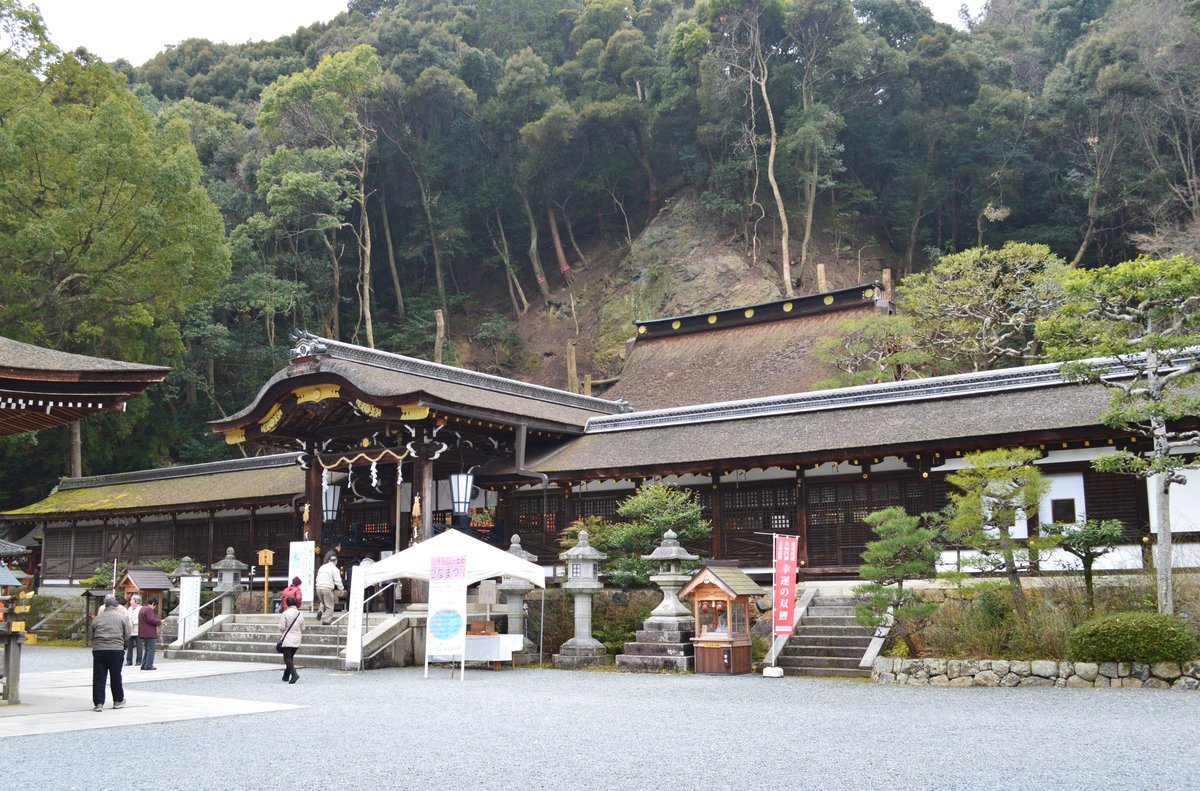
- Misasagi Shrine A revered Shinto shrine adjacent to the campus.
- Kyoto Botanical Gardens Noted for its expansive collection of flora.
- Yamashina Canal and Traditional Shopping Streets Ideal for scenic walks and local cuisine.
- Shosei-en Garden and Kyoto Imperial Palace Park Easily accessible cultural landmarks.
Visitor Guide: Hours, Access, and Tips
- Entry Procedures Upon arrival, visitors should check in at the main reception with photo ID. Group visits require advance registration.
- Guided Tours Available by appointment, offering insights into campus life, facilities, and medicinal plant gardens. Virtual tours are also accessible online (Virtual Campus Tour).
- Best Seasons Spring (cherry blossoms) and autumn (foliage) provide picturesque campus scenery.
- Language Support The Office for International Exchange offers multilingual assistance.
Facilities and Visitor Amenities
- Library and Learning Commons Open to visitors during regular hours, with a comprehensive pharmaceutical collection.
- Cafeteria and Student Commons Serve Japanese and international cuisine.
- International Student Lounge Designed for cross-cultural exchange.
- Wi-Fi Temporary guest access is available; inquire at reception.
Campus Highlights and Recommended Activities
- KPU LABO Exhibit space showcasing student and faculty research.
- Green Spaces Landscaped gardens, medicinal plant collections, and seasonal blooms.
- Photography Allowed in outdoor public areas. Permission required for photography in classrooms and labs.
Health, Safety, and Sustainability
- Hygiene Protocols Enhanced health measures are in place. Visitors are asked to postpone visits if unwell.
- Emergency Procedures Clearly marked evacuation routes and trained staff.
- Sustainability KPU encourages the use of reusable items, participation in recycling, and respect for campus gardens.
Frequently Asked Questions (FAQ)
Q: Can anyone visit KPU?
A: Yes, the public is welcome during business hours; guided tours require advance booking.
Q: Is there an admission fee?
A: General campus visits are free; special events may require registration or a ticket.
Q: Is the campus accessible?
A: Yes, both campuses provide barrier-free access and multilingual signage.
Q: Are guided tours available in English?
A: English-language tours can be arranged through the Office for International Exchange.
Q: Can I visit research labs?
A: Access is restricted but may be available during guided tours or open campus events.