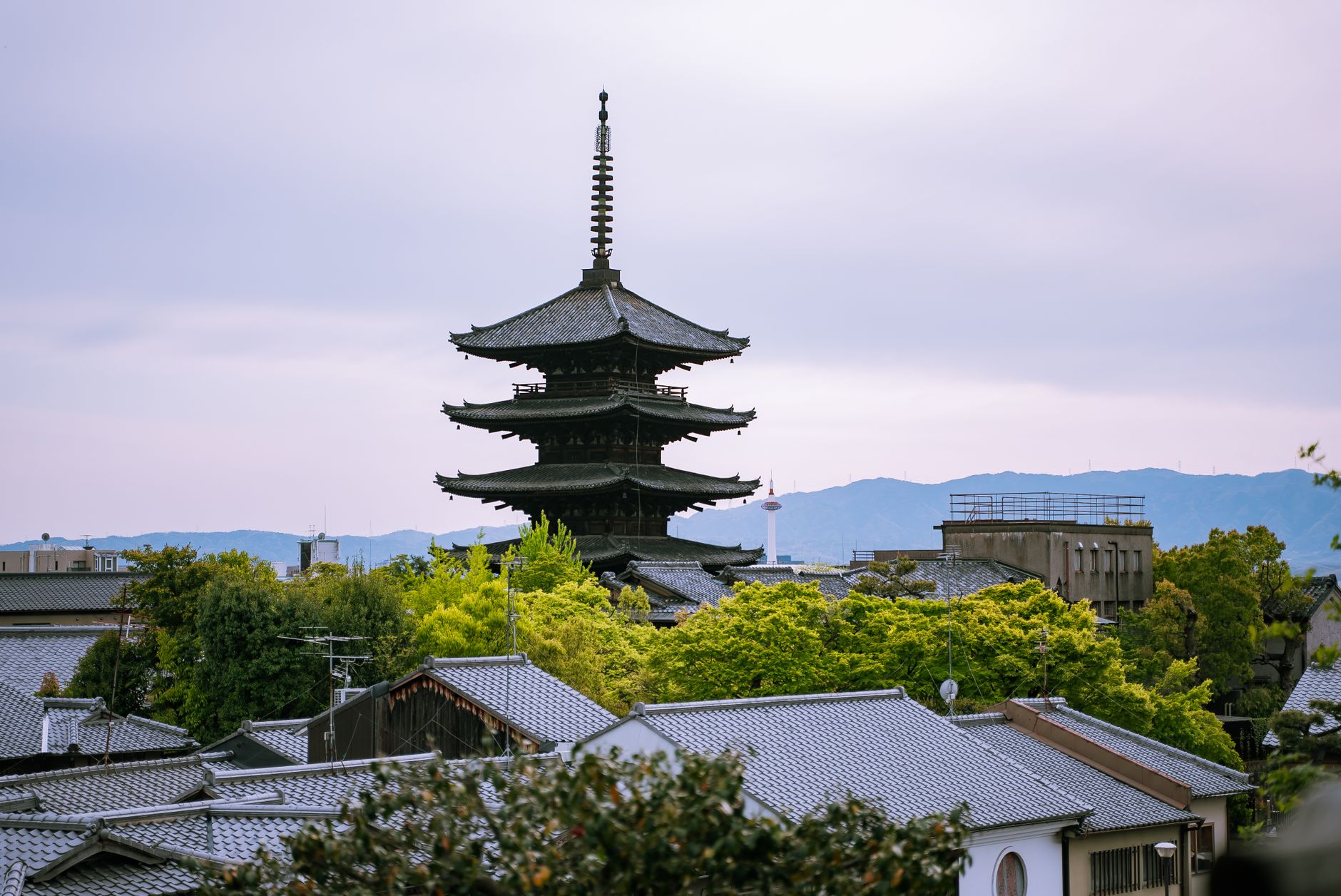
Kyoto
location_on 17 attractions
calendar_month Late May or mid-October
schedule 4-5 days

Introduction

The first time you hear a monk strike the bell at Kiyomizu-dera, the sound rolls across the valley like a physical thing you could lean against. Kyoto still does that. It surprises you with how present the past feels, how the smoke from incense sticks curls around 1200-year-old pillars while salarymen in navy suits hurry past on their way to the subway.
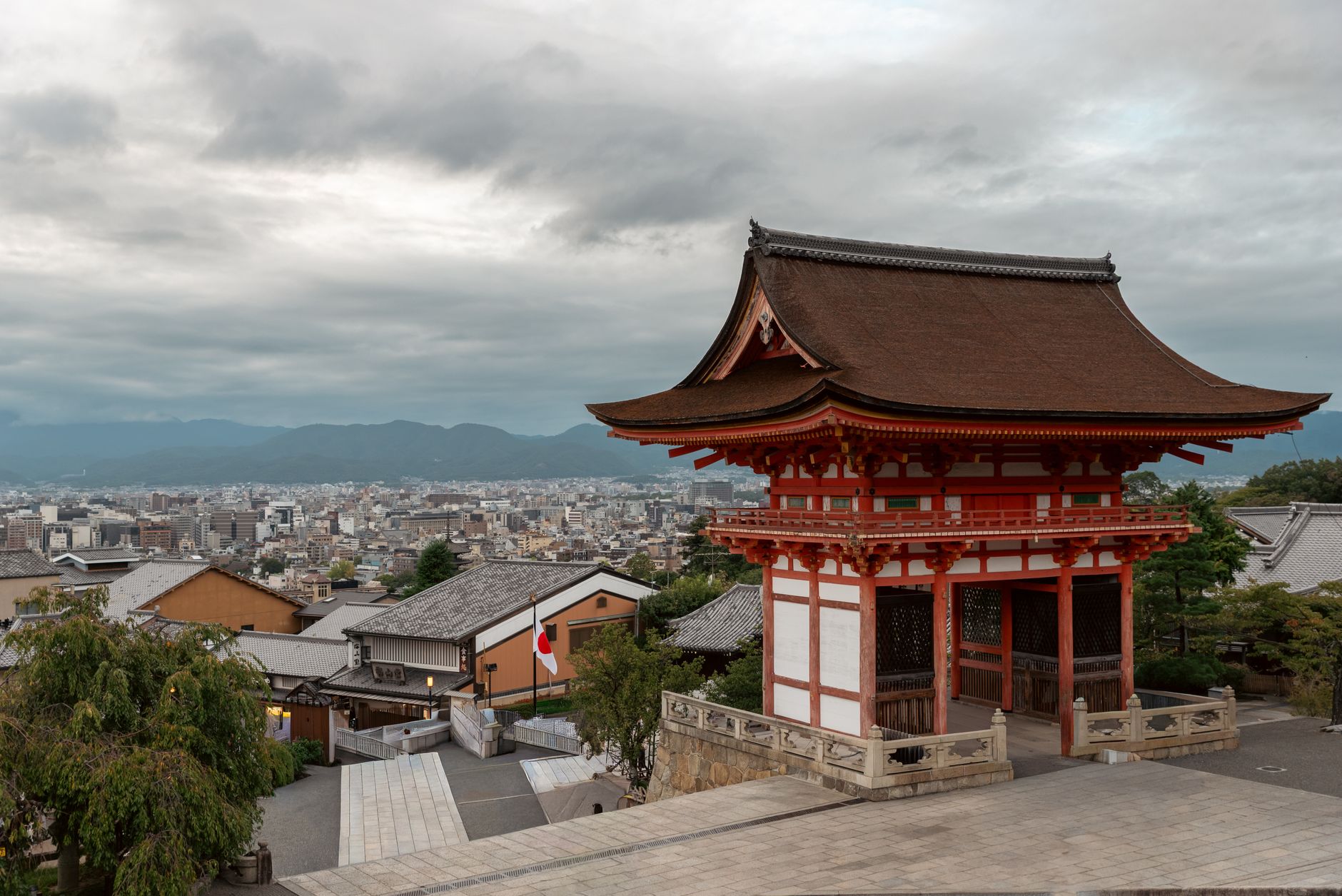
This is the city that served as Japan’s imperial capital from 794 until the mid-19th century. Seventeen UNESCO sites scatter across its hills and grid streets, yet the place refuses to become a museum. You can stand on the wooden stage at Kiyomizu-dera, 13 meters above the maple canopy, then ten minutes later sip matcha that was whisked in a machiya built when Shakespeare was still alive.

The real secret sits in the details most visitors miss. The particular quality of light that falls through the round Window of Enlightenment at Genko-an. The smell of cedar when rain hits the roof tiles at Gio-ji. The way locals still treat each neighborhood as its own small kingdom with distinct customs, seasonal rhythms, and opinions about which tofu is worth the walk.

Come for the temples if you must. Stay because the city quietly rearranges what you think matters.

Places to Visit

The Most Interesting Places in Kyoto

Fushimi Inari-Taisha

Fushimi Inari-Taisha

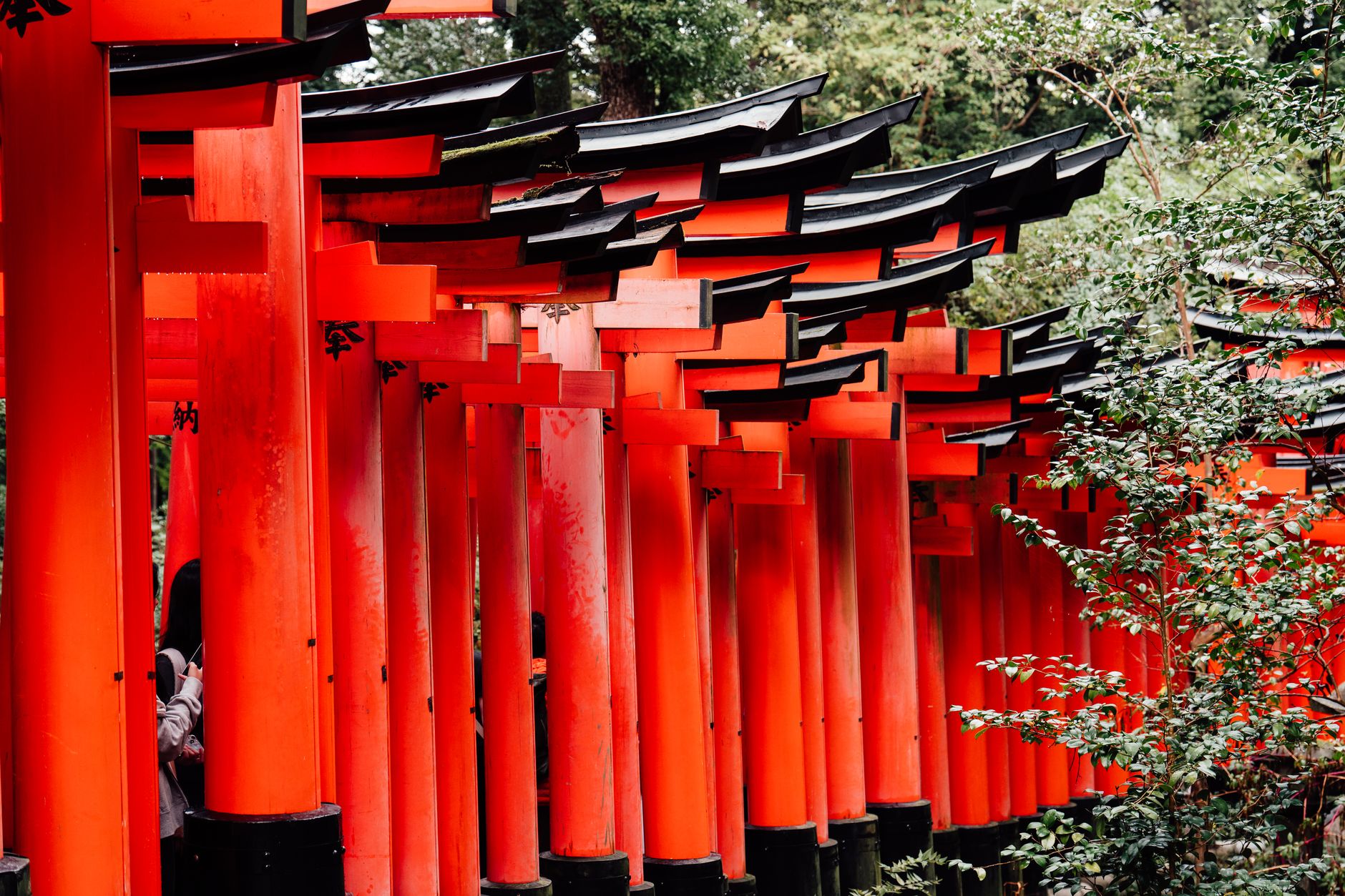
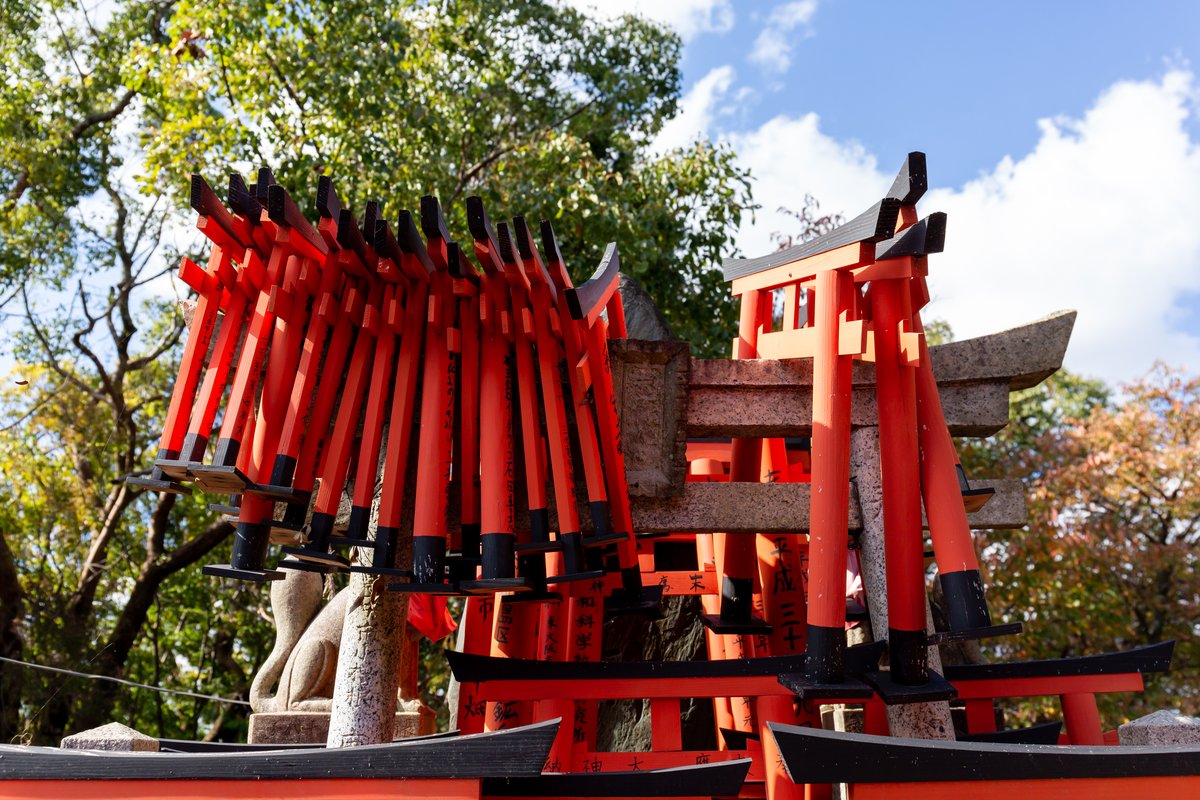
Fushimi Inari-Taisha, located in Kyoto’s Fushimi ward, stands as one of Japan’s most iconic and spiritually significant Shinto shrines.

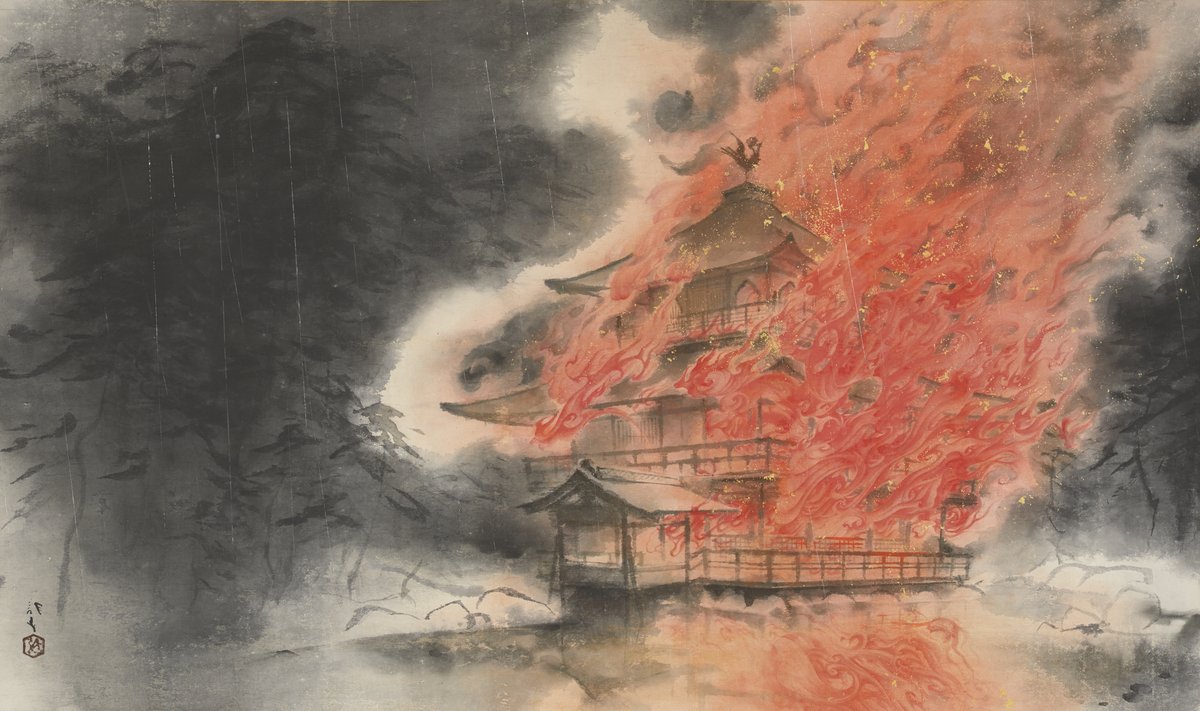
Kinkaku-Ji

Kinkaku-Ji

Nestled in the historic city of Kyoto, Kinkaku-ji, also known as the Golden Pavilion, stands as a luminous symbol of Japan’s rich cultural heritage and…

Kiyomizu-Dera

Kiyomizu-Dera

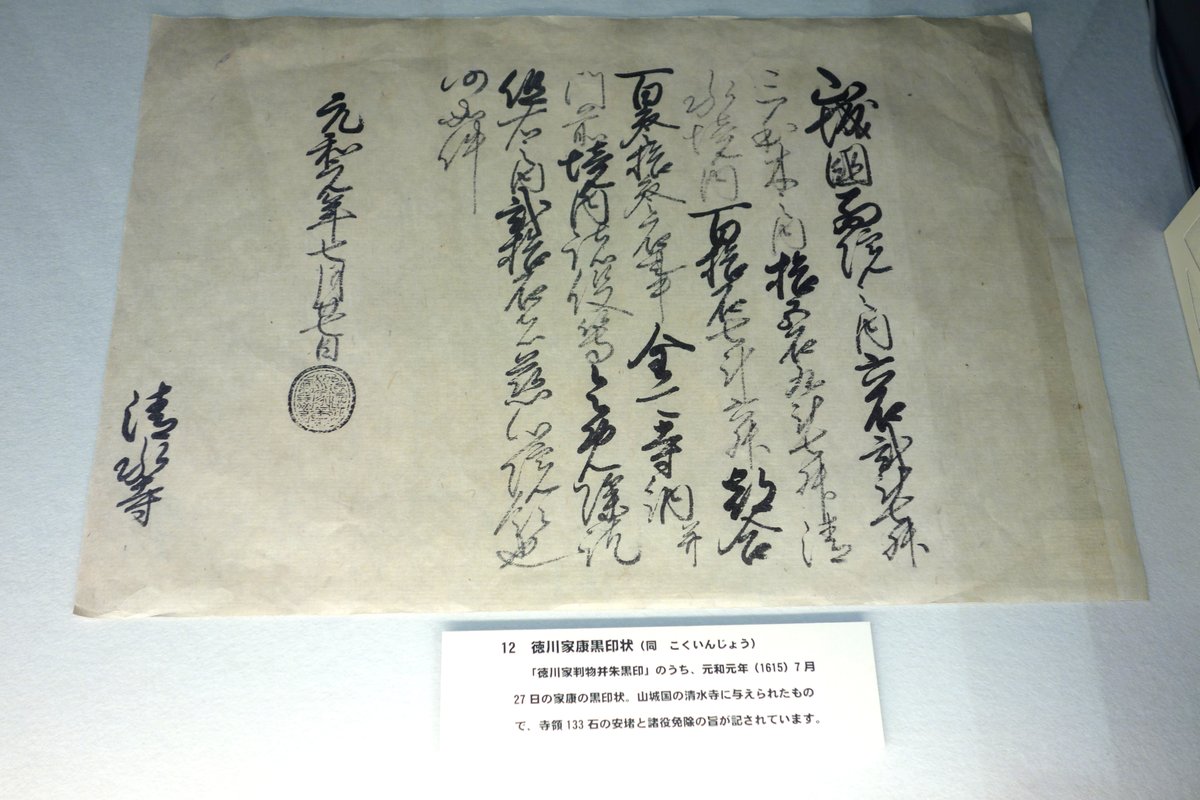
Kiyomizu-dera, often hailed as Kyoto’s “Pure Water Temple,” is a jewel of Japan’s rich cultural and religious heritage.

Former Imperial Villa Nijō Castle

Former Imperial Villa Nijō Castle

Nijō Castle (Nijō-jō), located in the heart of Kyoto, Japan, stands as a remarkable testament to the nation’s feudal history and the cultural legacy of the…

Kyoto Imperial Palace

Kyoto Imperial Palace

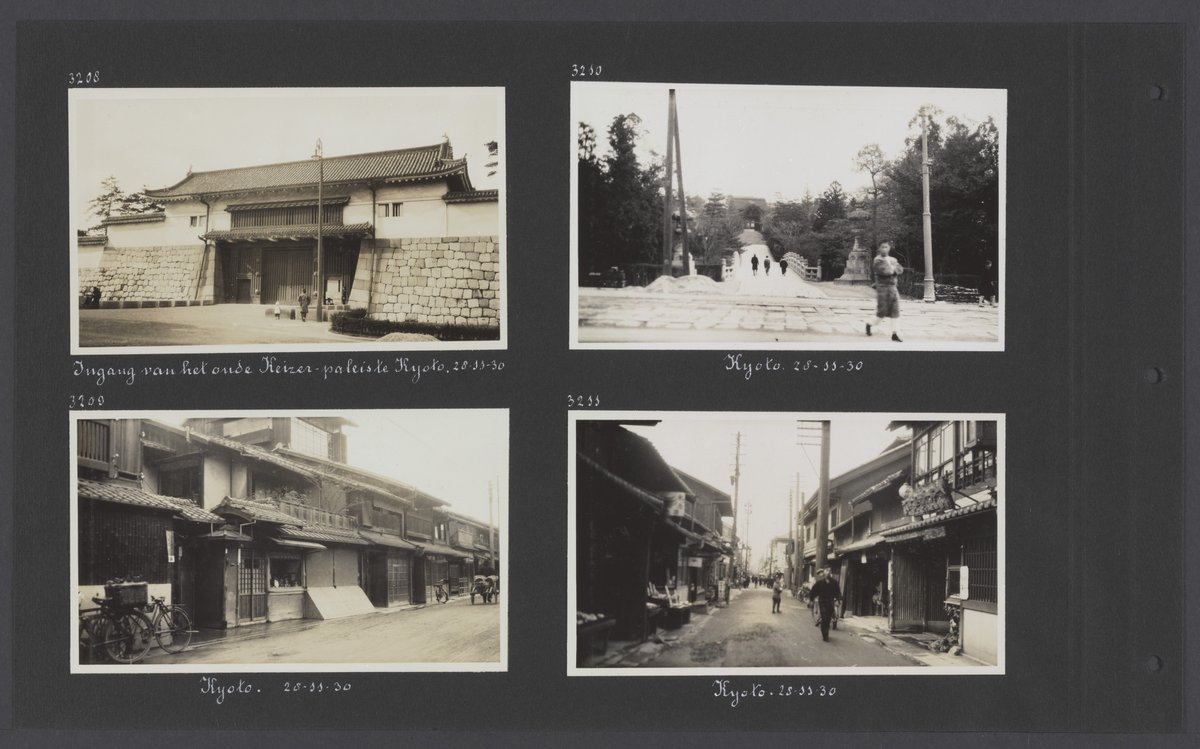
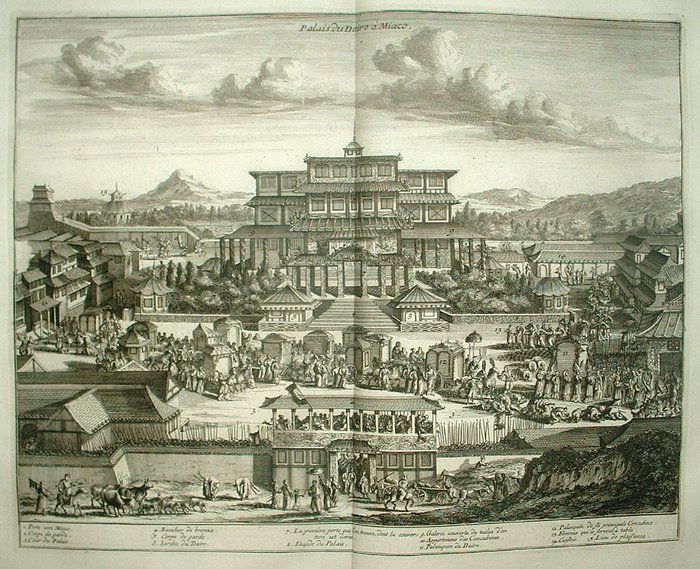
The Kyoto Imperial Palace stands as a majestic emblem of Japan’s imperial heritage, offering visitors a profound insight into the nation’s rich history,…

landscape

Kyoto National Museum

The Kyoto National Museum (KNM) stands as one of Japan’s foremost cultural institutions, nestled in the historic Higashiyama district of Kyoto.

Higashiyama-Ku

Higashiyama-Ku

Nestled along the eastern slopes of Kyoto, Higashiyama-ku is a district that epitomizes the historical and cultural essence of Japan’s ancient capital.

Kyoto Railway Museum

Kyoto Railway Museum

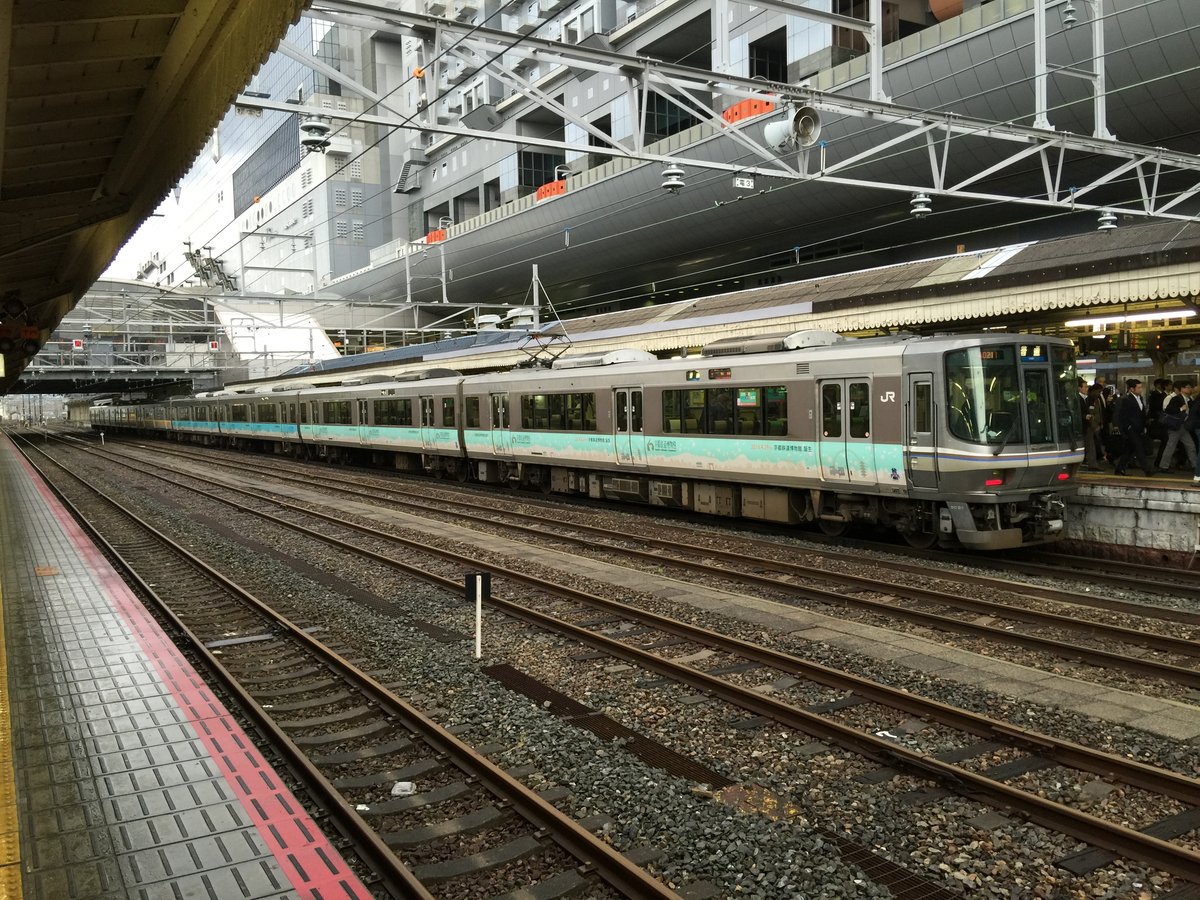
The Kyoto Railway Museum stands as a premier destination for anyone interested in Japan's rich railway heritage, technological innovation, and cultural history.

Toei Kyoto Studio Park

Toei Kyoto Studio Park

Nestled in Kyoto’s historic Uzumasa district, Toei Kyoto Studio Park offers visitors a unique and immersive journey into Japan’s rich cinematic and cultural…

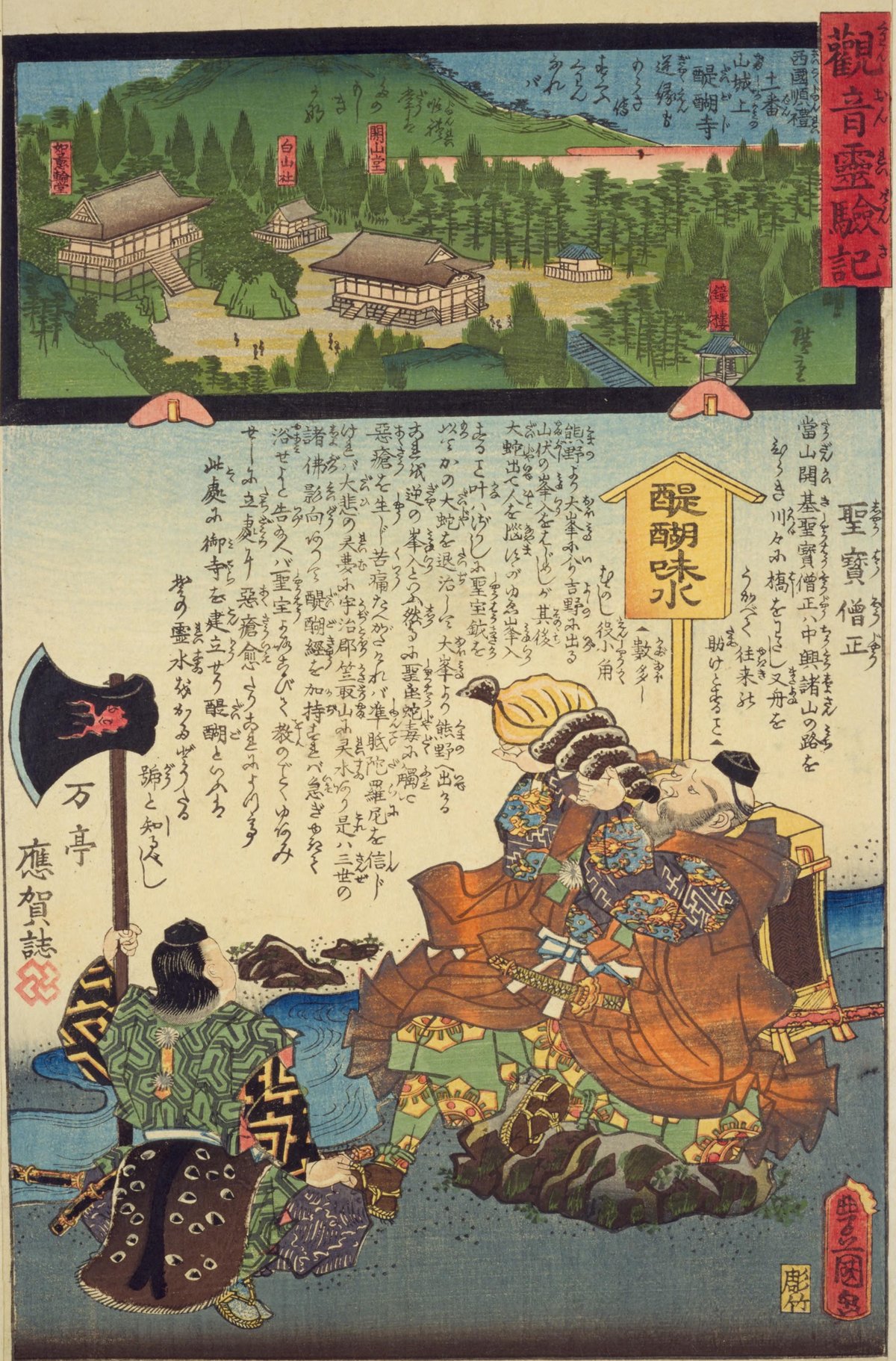
Daigo-Ji

Daigo-Ji

Daigo-ji Temple, perched on Mt.

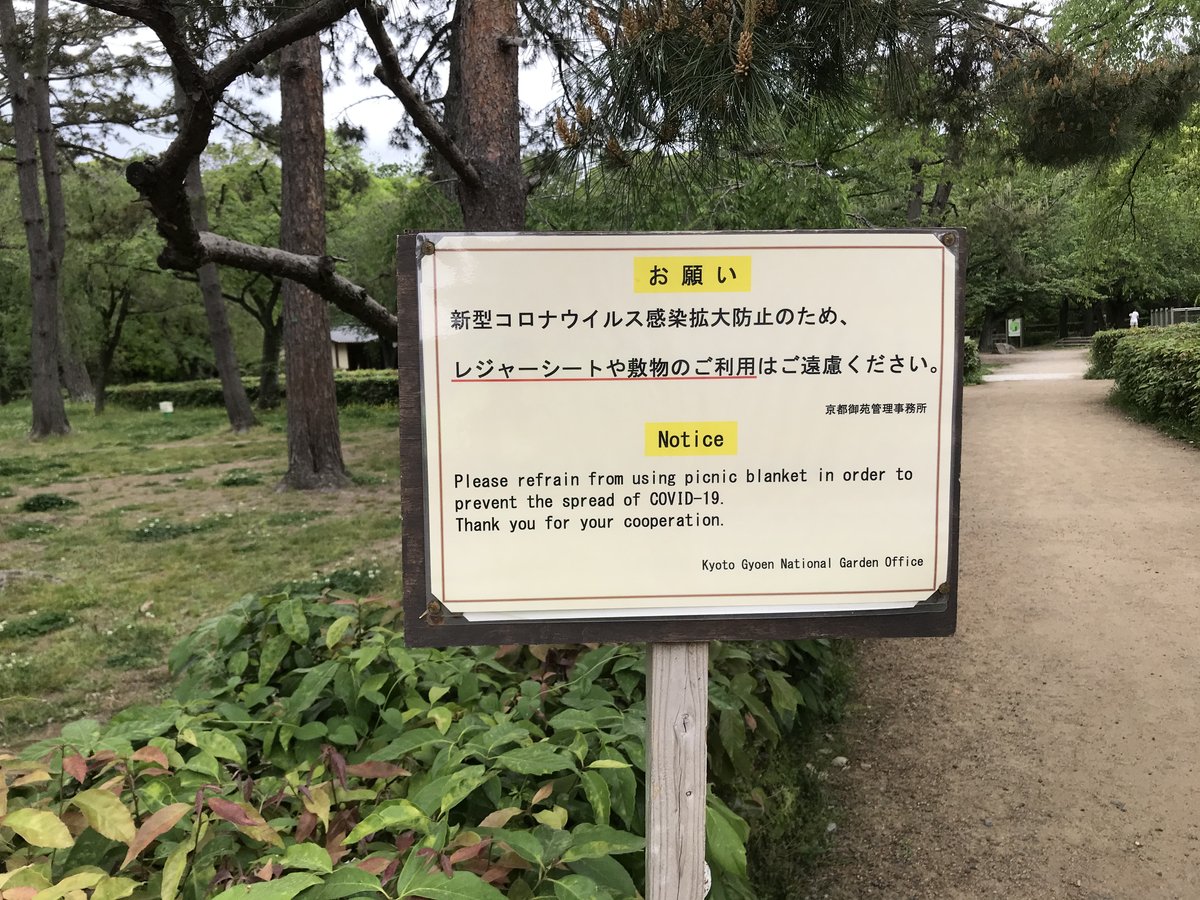
Kyoto Gyoen National Garden

Kyoto Gyoen National Garden

Kyoto Gyoen National Garden stands as an exquisite testament to Japan’s imperial history and cultural legacy, nestled in the vibrant heart of Kyoto City.

Arashiyama

Arashiyama

Arashiyama, nestled on the western outskirts of Kyoto, Japan, stands as one of the most enchanting destinations rich in natural beauty, cultural heritage, and…

What Makes This City Special

Heian Legacy

Kyoto served as Japan's imperial capital from 794 until the mid-19th century. Walk the wooden stage at Kiyomizu-dera, built without a single nail in 1633, and you feel the weight of 1200 years of continuous court culture still pressing gently on the present.

Torii and Moss

Fushimi Inari's 10,000 vermilion gates snake up the mountain in a tunnel of filtered light. Ten minutes north at Gio-ji, the moss garden absorbs every sound until the only noise left is your own breathing. The contrast between the two stays with you.

Crafts Alive

The Kyoto Museum of Crafts and Design displays 74 distinct traditional industries still practiced inside the city limits. Watch a craftsman lacquer a single tray for 48 hours or a weaver produce one meter of Nishijin silk and suddenly the objects in every temple gift shop make sense.

Kaiseki Quiet

In Pontocho's narrow alleys, kaiseki meals unfold over three hours with the precision of a Noh performance. The best counters seat only eight people. What surprises is how the silence between dishes becomes part of the meal.

Historical Timeline

Heian-kyo to Hiroshima's Spared City

One thousand years of emperors, fires, and quiet resistance

science
300 BCE

Rice Farmers Reach the Basin

Yayoi settlers cleared forests along the Katsura River and planted the first wet-rice fields in the Yamashiro Basin. Bronze bells rang across the floodplain at harvest. The river gave life and took it in equal measure every monsoon season.

gavel
740 CE

Emperor Shomu Flees to Kuni-kyo

Plague and rebellion drove Emperor Shomu from Nara. He briefly planted his court at Kuni-kyo, inside modern Kizugawa. The move lasted four years. It proved the basin could shelter power when the old capital grew too dangerous.

castle
794

Kanmu Builds Heian-kyo

Emperor Kanmu ordered the capital moved from Nagaoka-kyo to a new grid laid out on the model of Chang'an. Carpenters finished the imperial palace in under a year. The city smelled of fresh cypress and wet plaster. Kyoto as we know it began that autumn.

palette
905

Kokin Wakashu Compiled

Poets finished the first imperial anthology of waka. The verses captured seasonal change with surgical precision. Courtiers recited them in candlelit rooms while the Kamo River murmured outside. Japanese literature found its voice here.

person
c. 1008

Murasaki Shikibu Finishes Genji

While serving at court, Murasaki Shikibu completed the world's first novel. She wrote about love, politics, and the slow decay of Heian elegance inside rooms that still exist behind the Kyoto Imperial Palace. The city has never stopped reading her.

church
1053

Byodoin Phoenix Hall Rises

Fujiwara no Yorimichi completed the Phoenix Hall at Byodoin in Uji. The building appears to float above its reflecting pond. When the setting sun hits the gilded statue of Amida inside, the effect is so perfect that people still catch their breath.

swords
1156

Hogen Rebellion Tears the Court

Samurai entered the capital for the first time as decisive players. Fires lit the sky above the palace. The smell of burning cedar lingered for weeks. Warrior power had arrived and would never leave.

person
1185

Taira no Kiyomori's Fall

The first samurai to rule from Kyoto died of fever. His clan's defeat at Dan-no-ura ended Heian courtly life. The city shifted from silk robes to armor. Nothing felt the same afterward.

gavel
1338

Ashikaga Shogunate Claims Kyoto

Ashikaga Takauji established his military government inside the old capital. The city became theater for rival northern and southern courts. Power now wore swords instead of silk.

person
1397

Ashikaga Yoshimitsu Builds Kinkaku-ji

The third Ashikaga shogun covered an entire pavilion in gold leaf on the edge of Kyoto. He used it to receive envoys and contemplate power. Even after centuries the building still glares like a mirage at sunset.

swords
1467

Onin War Burns Kyoto

Eleven years of street fighting reduced much of the city to ash. Armies fought across what is now downtown shopping districts. When the smoke cleared, central authority had vanished. The Sengoku period began in the ruins.

local_fire_department
1582

Nobunaga Dies at Honno-ji

Oda Nobunaga was betrayed and forced to commit suicide inside Honno-ji temple. The flames consumed both the warlord and centuries of temple records. A young Toyotomi Hideyoshi heard the news and turned his army around within hours.

castle
1603

Tokugawa Completes Nijo Castle

Ieyasu built a heavily fortified residence complete with nightingale floors that sang under intruders' feet. The shoguns would use it to control the emperor from a safe distance. Power now slept behind painted screens and hidden doors.

local_fire_department
1788

Great Fire Destroys Kyoto

The Tenmei Conflagration consumed ninety percent of the city in four days. Sparks jumped the Kamo River. Residents watched their wooden homes disappear in walls of flame. Reconstruction took decades.

gavel
1868

Emperor Moves to Tokyo

The young Emperor Meiji left Kyoto for the new capital. The city that had been Japan's heart for a thousand years suddenly became a provincial backwater. Many believed Kyoto would simply fade away.

church
1895

Heian Shrine Built for 1100th Anniversary

Kyoto constructed a bright vermilion shrine modeled on the first Heian Palace. The project gave work to thousands of displaced craftsmen. It announced that the old capital refused to die quietly.

person
1923

Genshitsu Sen Masters the Tea Bowl

The future 15th grand master of Urasenke was born into Kyoto's most famous tea family. He would later rebuild the tradition after wartime destruction, teaching that a single bowl of tea could still matter in a noisy world.

flight
1945

Kyoto Spared from Atomic Bomb

Secretary of War Henry Stimson remembered his honeymoon here in 1926. He crossed Kyoto off the target list. The decision saved the city but condemned others. Historians still argue about beauty's power to shape war.

church
1994

UNESCO Names 17 Sites World Heritage

Seventeen temples, shrines, and castles across Kyoto, Uji, and Otsu received protection. The listing brought millions of visitors and new pressure on the old wooden structures. Preservation and tourism began their uneasy dance.

schedule
Present Day

Notable Figures

Emperor Kanmu

737–806 · Emperor
Founded Heian-kyō in 794

Kanmu ordered the capital moved from Nagaoka-kyō to a grid-patterned city modeled on Chinese capitals. He chose the site for its rivers and protective mountains. Walking Kyoto’s streets today, he would recognize the cardinal directions he laid down 1,230 years ago.

Ashikaga Yoshimitsu

1358–1408 · Shogun
Built Kinkaku-ji

Yoshimitsu unified the warring courts then covered a villa in gold leaf that still gleams beside its reflecting pond. He hosted lavish parties here. Today’s crowds photographing the pavilion would probably amuse the old shogun who once kept the entire city waiting outside his gates.

Ito Jakuchu

1716–1800 · Painter
Born and worked in Kyoto

Jakuchu painted thousands of chickens, cabbages and persimmons with a precision that makes modern photography seem lazy. Many of his works still hang in Kyoto temples. He would likely head straight to Nishiki Market at dawn, sketchbook in hand, to see if the vegetable stalls had changed.

Genshitsu Sen

1923–2025 · Tea Master
15th Grand Master of Urasenke

Sen spent decades perfecting the quiet ritual of matcha in a Kyoto townhouse. He turned the tea ceremony into quiet diplomacy that reached UNESCO. If he returned now he would notice the matcha soft-serve queues in Arashiyama but still insist the best bowl is the one shared without phones.

Plan your visit

Practical guides for Kyoto — pick the format that matches your trip.

Practical Information

flight

Getting There

Most visitors arrive at Kansai International Airport (KIX). The JR Haruka Limited Express reaches Kyoto Station in 75–80 minutes. From Osaka’s Itami Airport (ITM) the Airport Limousine Bus takes 50–60 minutes. Shinkansen from Tokyo pulls into Kyoto Station every 15–30 minutes.

directions_transit

Getting Around

Two subway lines (Karasuma north-south, Tozai east-west) avoid surface traffic. City buses require exact change or an IC card; board at the rear, exit at the front. The Subway & Bus 1-Day Pass costs ¥1,100 in 2026 and remains the smartest buy. Kyoto’s flat grid makes cycling efficient once you learn the one-way rules.

thermostat

Climate & Best Time

Spring (late March–early April) brings cherry blossoms and 12–18 °C days. Summers hit 30–35 °C with crushing humidity. November delivers perfect autumn color between 8–15 °C. Winters are crisp, occasionally snowy, and nearly empty of tour groups. Avoid Golden Week in early May.

translate

Language & Currency

English signage is common at stations and major temples, but Google Translate handles the rest. Cash remains essential for buses, small temples, and many restaurants. ICOCA, Suica or Pasmo cards load onto phones and cover almost everything except the most remote counters.

Where to Eat

local_dining

Don't Leave Without Trying

Kaiseki Ryori—multi-course traditional haute cuisine showcasing seasonal ingredients Yudofu—simmered tofu, a specialty around temples in Arashiyama and Nanzen-ji Kyoto-style Ramen—rich, thick chicken or soy-based broths Dashimaki Tamago—rolled Japanese omelet with delicate flavor Tsukemono—pickled vegetables, a Kyoto staple Kyoto Vegetables—locally grown seasonal produce featured in most traditional restaurants Kaiseki Lunch Sets—refined multi-course meals at mid-range prices

Hyōto Shijō Karasuma

local favorite
Japanese Traditional €€ star 4.7 (2925)

Order: The lunch sets are exceptional value—you get multi-course seasonal dishes at a fraction of dinner prices. Perfect introduction to refined Kyoto cuisine.

Nearly 3,000 reviews at 4.7 stars isn't luck—this is where locals actually eat for quality traditional Japanese without pretension. The lunch advantage here is real.

schedule

Opening Hours

Hyōto Shijō Karasuma

Monday 11:30 AM – 2:00 PM, 5:30 – 11:00 PM
Tuesday 11:30 AM – 2:00 PM, 5:30 – 11:00 PM
Wednesday 11:30 AM – 2:00 PM, 5:30 – 11:00 PM
map Maps language Web

Sumibi Kappo Ifuki

local favorite
Japanese Charcoal Grill (Kappo) €€ star 4.6 (110)

Order: The charcoal-grilled seasonal vegetables and premium meats—the *sumibi* (charcoal fire) technique brings out umami that can't be replicated elsewhere.

Tucked in the heart of Gion but refreshingly unpretentious. This is where you experience the intimacy of a kappo counter without the tourist markup. Intimate, authentic, and worth the walk.

schedule

Opening Hours

Sumibi Kappo Ifuki

Monday 5:00 – 11:00 PM
Tuesday Closed
Wednesday 5:00 – 11:00 PM
map Maps language Web

Kinmata

fine dining
Japanese Kaiseki €€€ star 4.5 (294)

Order: Lunch kaiseki is your secret weapon—same meticulous multi-course experience as dinner at half the price. This is how you eat like a Kyoto insider.

A genuine kaiseki institution with a legacy, offering the refined seasonal progression that defines Kyoto dining. Lunch here is one of Japan's best-kept value secrets.

schedule

Opening Hours

Kinmata

Monday 12:00 – 1:30 PM, 5:30 – 7:30 PM
Tuesday 12:00 – 1:30 PM, 5:30 – 7:30 PM
Wednesday Closed
map Maps language Web

Hanasaki manjiro

local favorite
Japanese Traditional €€€ star 4.5 (500)

Order: Lunch-only operation means one thing: pristine seasonal ingredients prepared at their peak. The *teishoku* (set meal) format keeps things focused and exceptional.

Lunch-only dining in Higashiyama is a statement—this place refuses to compromise quality by stretching service hours. It's where locals know to show up between 11:30 AM and 3:00 PM.

schedule

Opening Hours

Hanasaki manjiro

Monday 11:30 AM – 3:00 PM
Tuesday 11:30 AM – 3:00 PM
Wednesday 11:30 AM – 3:00 PM
map Maps language Web

Jumondo

cafe
Cafe & Dessert €€ star 4.6 (466)

Order: Their signature desserts and coffee—this is the kind of cafe where you sit for an hour and forget you're a tourist. Perfect afternoon refuge in Higashiyama.

A thoughtfully designed space that captures what Kyoto cafes do best: creating moments of quiet reflection. The desserts are exceptional, and the coffee is taken seriously.

schedule

Opening Hours

Jumondo

Monday 10:45 AM – 6:30 PM
Tuesday 10:45 AM – 6:30 PM
Wednesday Closed
map Maps language Web

Wakuden Sakaimachi Branch

cafe
Cafe & Light Cuisine €€€ star 4.5 (315)

Order: Refined light cuisine and tea service—this is Kyoto cafe culture elevated. The seasonal offerings reflect what's at peak freshness.

A sophisticated escape in central Kyoto where quality ingredients meet careful preparation. This is where you eat when you want elegance without formality.

schedule

Opening Hours

Wakuden Sakaimachi Branch

Monday 10:00 AM – 7:00 PM
Tuesday 10:00 AM – 7:00 PM
Wednesday 10:00 AM – 7:00 PM
map Maps language Web

Kichiri Kawaramachi

local favorite
Japanese Izakaya & Bar €€ star 4.6 (1869)

Order: Classic izakaya fare—grilled skewers, seasonal vegetables, and sake pairings. Come for drinks and stay for the food; it's all designed to complement each other.

1,869 reviews don't lie—this is where Kyoto professionals unwind after work. Casual, lively, and genuinely fun without being a tourist trap.

schedule

Opening Hours

Kichiri Kawaramachi

Monday 5:00 PM – 12:00 AM
Tuesday 5:00 PM – 12:00 AM
Wednesday 5:00 PM – 12:00 AM
map Maps language Web

Hotel Kanra Kyoto

quick bite
Japanese Contemporary €€ star 4.5 (907)

Order: Contemporary Japanese with seasonal focus—the advantage here is 24-hour service, so whether you're arriving late or craving breakfast at an odd hour, quality is maintained.

Open 24 hours in a city where most restaurants close by 11 PM. This is your reliable, well-executed backup plan when timing doesn't align elsewhere.

schedule

Opening Hours

Hotel Kanra Kyoto

Monday Open 24 hours
Tuesday Open 24 hours
Wednesday Open 24 hours
map Maps language Web
info

Dining Tips

  • check No tipping culture in Japan—service is included in the bill. Attempting to tip may cause confusion.
  • check Cash (Yen) remains most reliable, especially in traditional shops. Major credit cards widely accepted in mid-to-high-end restaurants.
  • check Lunch advantage: Many high-end establishments offer significantly cheaper lunch menus compared to dinner—book a kaiseki lunch to experience top-tier cuisine at reasonable prices.
  • check Meal times: Lunch typically 11:30 AM – 1:30 PM; dinner 6:00 PM – 8:30 PM. Many independent restaurants close on Mondays or Tuesdays—always verify before visiting.
  • check Fine dining reservations should be made 1–3 months in advance via hotel concierges or platforms like TableCheck.
  • check Mid-range restaurants benefit from dinner reservations, especially weekends. Many accept online bookings.
  • check Casual and budget restaurants rarely take reservations; walk-ins are standard.
  • check Keep a translation app handy for menu navigation, but pointing at dishes is widely accepted in casual settings.
Food districts: Pontocho—narrow atmospheric alley parallel to Kamo River, famous for traditional wooden architecture and riverside dining (*kawayuka*) in summer Gion—historic geisha district home to many exclusive, high-end kaiseki restaurants and traditional dining experiences Higashiyama—cultural heart with temples, shrines, and a mix of refined cafes and traditional restaurants Kyoto Station Area—convenient for travelers with dense concentration of ramen shops (Kyoto Ramen Koji) and department store dining floors Nakagyo Ward (Central)—business district with reliable izakayas, casual restaurants, and after-work dining spots

Restaurant data powered by Google

Tips for Visitors

smoke_free
No Street Smoking

Smoking is banned on all public streets in Kyoto. Use only designated smoking areas or face fines from patrolling officers.

photo_camera
Gion Photo Rules

Never photograph geiko or maiko in private alleys of Gion. Signs are clear and locals will confront you. Stick to public streets.

directions_bus
Skip the Buses

Buses clog during cherry blossom and autumn leaf seasons. Buy the ¥1,100 Subway & Bus 1-Day Pass but ride the Karasuma and Tozai lines instead.

pedal_bike
Rent a Bike Early

Kyoto’s flat grid makes cycling ideal. Rent before 9am near Kyoto Station to beat crowds and reach Otagi Nenbutsu-ji before the tour buses arrive.

wb_sunny
Avoid Peak Seasons

Late March to early April and all of November bring wall-to-wall visitors. Come in late May or October for thinner crowds and better light.

payments
Cash Still Rules

Many temples, small eateries and buses accept only coins or IC cards. Load ¥5,000–10,000 onto an ICOCA card at the station.

restaurant
Yudofu at Nanzen-ji

Head to the cluster of restaurants beside Nanzen-ji for silky boiled tofu sets. The water here has defined Kyoto cuisine since the 13th century.

Explore the city with a personal guide in your pocket

Your Personal Curator, in Your Pocket.

Audio guides for 1,100+ cities across 96 countries. History, stories, and local insight — offline ready.

smartphone

Audiala App

Available on iOS & Android

download Download Now

Join 50k+ Curators

Frequently Asked

Is Kyoto worth visiting? add

Yes, but only if you go beyond the three famous temples. Kiyomizu-dera’s stage, Fushimi Inari’s gates and Kinkaku-ji are packed by 10am. The real Kyoto appears in places like Gio-ji’s moss garden at dawn or the backstreets of Pontocho at dusk.

How many days do you need in Kyoto? add

Four full days lets you see the highlights without panic. Five days gives breathing room for Arashiyama at sunrise and a day trip to Uji or Kurama. Three days feels rushed once you factor in temple opening times and bus delays.

How do you get from Kansai Airport to Kyoto? add

Take the JR Haruka Limited Express from KIX. It reaches Kyoto Station in 75–80 minutes and accepts ICOCA cards. The Airport Limousine Bus from Itami takes 50–60 minutes but runs less frequently.

Is Kyoto safe for tourists? add

Extremely safe. Japan’s emergency numbers are 110 for police and 119 for ambulance. The biggest risks are bicycle accidents and pickpockets in crowded stations during peak season.

Should I buy a Kyoto bus pass? add

The Subway & Bus 1-Day Pass costs ¥1,100 and remains useful. The standalone Bus 1-Day Pass was discontinued in 2023. Prioritize subway lines to avoid traffic.

When is the best time to visit Kyoto? add

Late May or mid-October give pleasant weather without the extreme crowds of cherry blossom season or November foliage. Avoid Golden Week in late April.

Sources

  • verified InsideKyoto — Practical transport details, day-trip itineraries, and 2026 cycling rule updates.
  • verified Kyoto Travel — Official tourism portal with event dates, etiquette guidelines, and pass information.
  • verified Japan Cheapo — Money-saving passes, discontinued bus pass confirmation, and transport card advice.
  • verified UNESCO World Heritage Centre — Historic Monuments of Ancient Kyoto listing and founding dates.

Last reviewed:

All Places to Visit

126 places to discover
Fushimi Inari-Taisha

Fushimi Inari-Taisha

Kinkaku-Ji

Kinkaku-Ji

Kiyomizu-Dera

Kiyomizu-Dera

Former Imperial Villa Nijō Castle

Former Imperial Villa Nijō Castle

Kyoto Imperial Palace

Kyoto Imperial Palace

photo_camera

Kyoto National Museum

Higashiyama-Ku

Higashiyama-Ku

Kyoto Railway Museum

Kyoto Railway Museum

Toei Kyoto Studio Park

Toei Kyoto Studio Park

Daigo-Ji

Daigo-Ji

Kyoto Gyoen National Garden

Kyoto Gyoen National Garden

Arashiyama

Arashiyama

photo_camera

Kyoto International Manga Museum

Katsura Imperial Villa

Katsura Imperial Villa

Sanjō Ōhashi Bridge

Sanjō Ōhashi Bridge

photo_camera

Kyoto Tower

Kurama-Dera

Kurama-Dera

photo_camera

Umekōji Steam Locomotive Museum

photo_camera

Kyoto Theater

photo_camera

Museum of Kyoto

Saga Arashiyama Museum of Arts and Culture

Saga Arashiyama Museum of Arts and Culture

Maruyama Park

Maruyama Park

Hōkō-Ji

Hōkō-Ji

Gojō Bridge

Gojō Bridge

photo_camera

Kyoto Prefectural Insho-Domoto Museum of Fine Arts

Sagano Scenic Railway

Sagano Scenic Railway

Daitoku-Ji Karamon

Daitoku-Ji Karamon

Ritsumeikan University

Ritsumeikan University

Kyoto Museum for World Peace

Kyoto Museum for World Peace

photo_camera

Nijo Castle

photo_camera

Kyoto Research Park

Shinsen-En

Shinsen-En

Tō-Ji

Tō-Ji

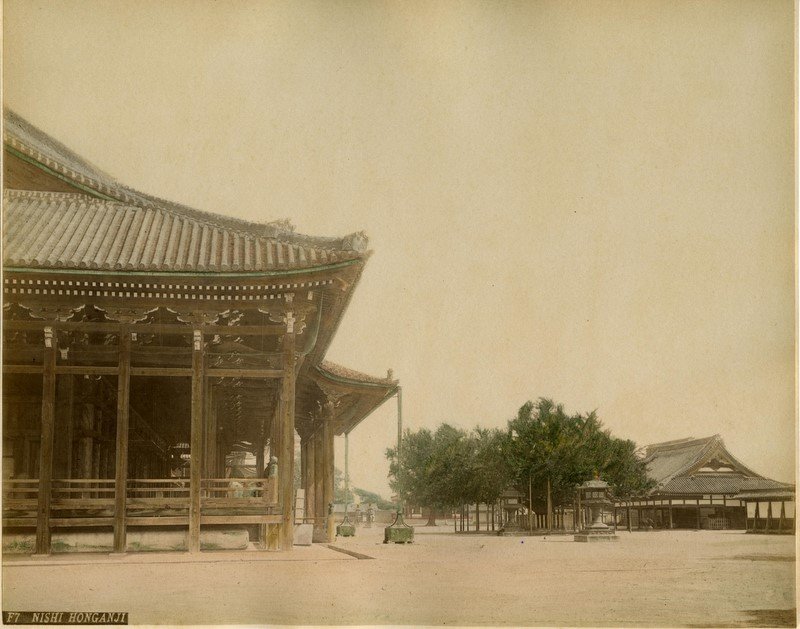
Nishi Hongan-Ji

Nishi Hongan-Ji

Kyōto Station

Kyōto Station

photo_camera

Yasaka Shrine

photo_camera

Ninna-Ji

photo_camera

Ryōan-Ji

Daitoku-Ji

Daitoku-Ji

Gion

Gion

Myōshin-Ji

Myōshin-Ji

Kitano Tenmangū

Kitano Tenmangū

Tenryū-Ji

Tenryū-Ji

Kamigamo Shrine

Kamigamo Shrine

Higashi Hongan-Ji

Higashi Hongan-Ji

Tōfuku-Ji

Tōfuku-Ji

photo_camera

Toei Studios Kyoto

photo_camera

Kamo Shrine

Chion-In

Chion-In

Sennyū-Ji

Sennyū-Ji

Shōkoku-Ji

Shōkoku-Ji

Kōzan-Ji

Kōzan-Ji

photo_camera

Saihō-Ji

Lake Biwa Canal

Lake Biwa Canal

photo_camera

Hongan-Ji

Sanjūsangen-Dō

Sanjūsangen-Dō

Daikaku-Ji

Daikaku-Ji

photo_camera

Suzaku-In

Minami-Za

Minami-Za

Honnō-Ji

Honnō-Ji

Matsunoo Taisha

Matsunoo Taisha

photo_camera

Kyoto Saga Art College

photo_camera

Ikenobo College

Hirano-Jinja

Hirano-Jinja

Shōren-In

Shōren-In

photo_camera

Kacho College

Kōryū-Ji

Kōryū-Ji

Shigureden

Shigureden

Seiryō-Den

Seiryō-Den

Jingo-Ji

Jingo-Ji

Kwasan Observatory

Kwasan Observatory

Mount Atago

Mount Atago

Shijō Kawaramachi

Shijō Kawaramachi

photo_camera

Sanbō-In

Ryukoku University Faculty of Junior College

Ryukoku University Faculty of Junior College

photo_camera

Chishaku-In

Kyoto Daibutsu

Kyoto Daibutsu

photo_camera

Ōharano Shrine

Kyoto State Guest House

Kyoto State Guest House

photo_camera

Umenomiya Taisha

Kōdai-Ji

Kōdai-Ji

Myōhō-In

Myōhō-In

photo_camera

Honkoku-Ji

Atago Jinja

Atago Jinja

photo_camera

Nishikyogoku Baseball Stadium

Tōji-In

Tōji-In

Kamigamo

Kamigamo

Takeisao Shrine

Takeisao Shrine

Seiryō-Ji

Seiryō-Ji

Yoshimoto Gion Kagetsu

Yoshimoto Gion Kagetsu

Takase River

Takase River

Rokkaku-Dō

Rokkaku-Dō

photo_camera

Seigan-Ji

Shiramine Shrine

Shiramine Shrine

Kyoto Municipal Gymnasium

Kyoto Municipal Gymnasium

Myoken-Ji

Myoken-Ji

Kyoto Aquarium

Kyoto Aquarium

photo_camera

Daihōon-Ji

Mimizuka

Mimizuka

photo_camera

Villa Kujoyama

Showing 100 of 126