Visiting Hours and Ticketing
Station Hours
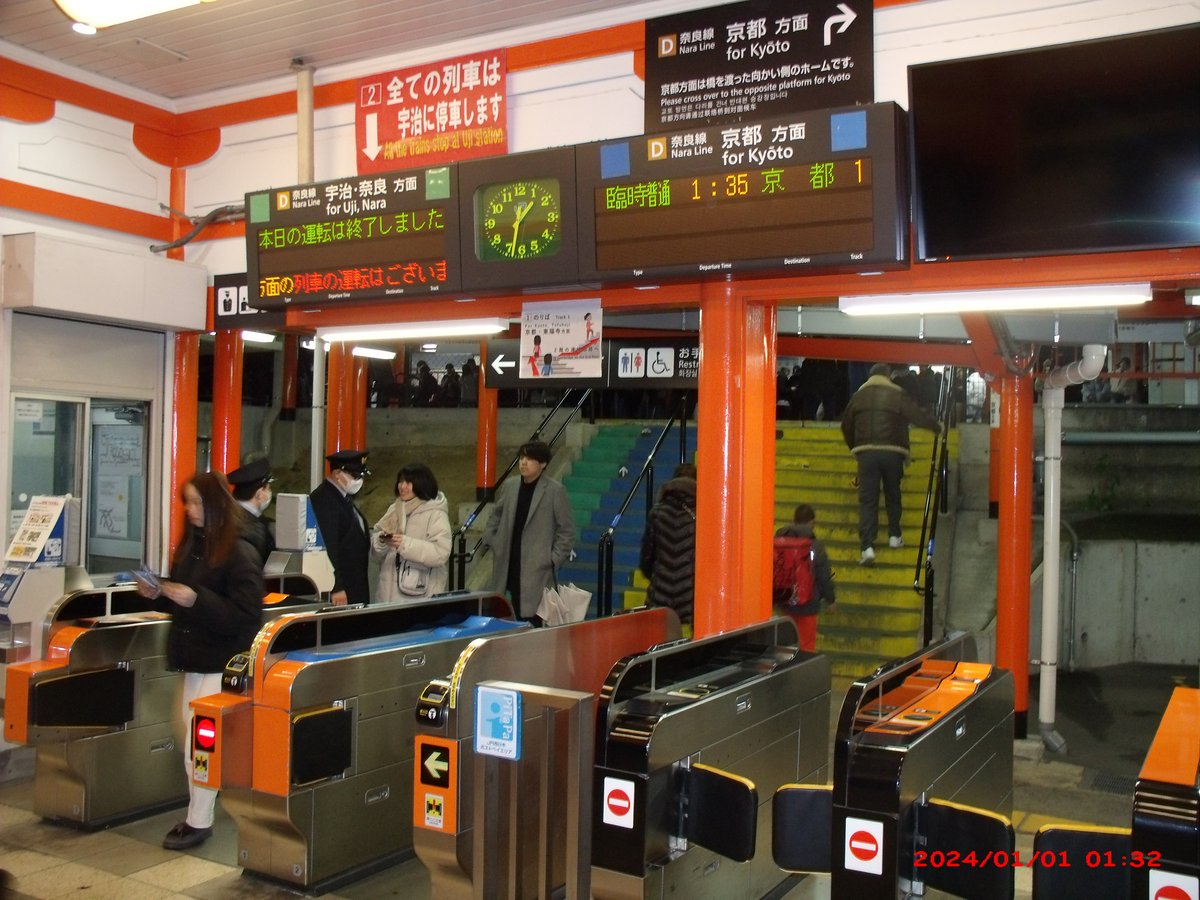
Shichijō Station operates daily in accordance with the Keihan Main Line schedule, generally from 5:30 AM to midnight. Ticket gates are open throughout these hours, supporting early-morning departures and late-night returns.
Ticketing Options
- Automated Ticket Machines Accept cash and IC cards (ICOCA, Suica, PASMO, etc.).
- IC Cards Highly recommended for quick, seamless tap-in/tap-out travel across trains and buses.
- Tourist Passes Options such as the Kyoto Sightseeing Pass and Kansai Thru Pass are available for unlimited travel on participating lines (Piqtour; Kyoto Station Transportation Guide).
Nearby Attractions’ Visiting Hours
- Sanjūsangen-dō Temple 8:00 AM – 5:00 PM (last entry 4:30 PM)
- Kyoto National Museum 9:30 AM – 5:00 PM, closed Mondays (last entry 4:30 PM)
- Other temples and gardens Vary by site; check official websites for seasonal hours.
Station Facilities and Accessibility
Shichijō Station is designed for easy navigation and comfort:
- Platforms Two side platforms (8-car length), color-coded purple for easy recognition.
- Accessibility Elevators and escalators connect all levels, tactile paving assists visually impaired travelers, and barrier-free routes are available (AAB Kyoto).
- Restrooms Clean and accessible facilities within the paid area.
- Signage Bilingual (Japanese/English) for convenient wayfinding.
- Safety Surveillance cameras and emergency intercoms.
- No Smoking Strict policy throughout the station.
Note: Luggage storage is not available at the station, but coin lockers can be found at Kyoto Station (15 minutes’ walk) or nearby hotels.
Access and Navigation
- Location Beneath the intersection of Kawabata-dori and Shichijō-dori, Higashiyama Ward, Kyoto.
- Rail Connections All Keihan Main Line trains (local, express, limited express) stop at Shichijō Station.
- Nearby Bus Stops Multiple Kyoto City Bus routes serve the area, offering access to Kiyomizu-dera, Gion, and Kyoto Station.
- On Foot Kyoto Station is ~1.1 km (15 minutes’ walk) west, across the Kamo-gawa River via Shichijo Ohashi Bridge.
Nearby Historical Sites and Attractions
Sanjūsangen-dō (Rengeō-in Temple)
A five-minute walk from Shichijō Station, this temple is renowned for its 1,001 statues of Kannon and its impressive 120-meter-long main hall, the longest wooden structure in Japan. The temple also hosts the annual Tōshiya archery contest (Visit Inside Japan; Walkaroundblog.com).
Kyoto National Museum
Located northeast of the station, the museum showcases Japanese art, ceramics, calligraphy, and historical artifacts in a striking Meiji-era building (Adventure Life).
Toyokuni-jinja Shrine
Dedicated to Toyotomi Hideyoshi, this Shinto shrine features a National Treasure karamon gate and is best visited during cherry blossom season.
Hōkō-ji Temple & Mimi-zuka (Ear Mound)
Hōkō-ji Temple, founded by Toyotomi Hideyoshi, sits adjacent to the Mimi-zuka, a mound commemorating victims of the 16th-century invasions of Korea.
Yōgen-in Temple
Famed for its “blood ceiling” and fusuma (sliding door) paintings.
Chishaku-in and Myōhō-in Temples
Both are within a 10–12 minute walk and offer tranquil gardens and historical treasures.
Shosei-en Garden
A traditional Japanese garden west of the river, affiliated with Higashi Hongan-ji, perfect for a peaceful stroll.
Higashi Hongan-ji Temple
One of Kyoto’s largest Buddhist temples, a 15-minute walk from Shichijō Station.
For full details, see the summary table at the end of this guide.
Seasonal and Cultural Highlights
- Gion Matsuri In July, the station is a transit point for visitors to Kyoto’s major summer festival (Japan Travel - Gion Matsuri; Discover Kyoto Event Calendar).
- Sanjūsangen-dō Tōshiya Festival Annual archery event in January.
- Cherry Blossoms & Autumn Foliage The area is especially beautiful during late March–early April and mid-November.
Practical Visitor Tips
- Travel with IC Cards Streamlines ticketing and transfers.
- Avoid Peak Hours Early mornings and weekdays are less crowded.
- Plan for Accessibility The station is barrier-free, but some nearby streets may be uneven.
- Dining Local choices range from udon/soba shops to upscale ryotei restaurants.
- Weather Kyoto summers can be hot and humid; stay hydrated and dress appropriately.
FAQ
Q: What are Shichijō Station’s operating hours?
A: Approximately 5:30 AM–midnight, in line with Keihan Main Line schedules.
Q: Are IC cards accepted?
A: Yes, ICOCA, Suica, and other major cards are accepted.
Q: Is the station wheelchair accessible?
A: Yes, with elevators, ramps, and tactile paving.
Q: Where can I store luggage?
A: No lockers at Shichijō Station; use coin lockers at Kyoto Station or nearby hotels.
Q: Are guided tours available?
A: While the station doesn’t offer tours, several nearby attractions provide them. Check attraction websites for details.
Summary Table: Key Station and Attraction Details
| Feature / Attraction | Details / Visiting Hours | Admission | Notable Features |
|---|---|---|---|
| Shichijō Station | 5:30 AM–midnight (Keihan Main Line) | N/A | 2 side platforms, barrier-free, purple theme |
| Sanjūsangen-dō Temple | 8:00 AM–5:00 PM (last entry 4:30 PM) | ~600 yen | 1,001 Kannon statues, Tōshiya festival |
| Kyoto National Museum | 9:30 AM–5:00 PM (closed Mon) | 700–1,800 yen | Art, history, Meiji-era architecture |
| Toyokuni-jinja Shrine | Open daily | Free | National Treasure gate, Hideyoshi memorial |
| Hōkō-ji Temple | Open daily | Free | Historic bell, adjacent to Mimi-zuka |
| Mimi-zuka | Open daily | Free | Ear mound, historical monument |
| Yōgen-in Temple | Check official website | ~500 yen | Blood ceiling, fusuma paintings |
| Chishaku-in Temple | Open daily | ~500 yen | Gardens, National Treasure screens |
| Myōhō-in Temple | Check official website | Varies | Monzeki temple, gardens |
| Shosei-en Garden | Open daily | ~500 yen | Traditional garden, teahouses |
| Higashi Hongan-ji Temple | Open daily | Free | Large wooden halls, seasonal events |
| Kyoto Station/Kyoto Tower | Open daily | Tower: ~800 yen | Modern architecture, observation deck |
Final Tips and Staying Updated
Shichijō Station is more than a simple transit point—it is a cornerstone for discovering Kyoto’s eastern cultural heartland. Its modern amenities, thoughtful accessibility, and proximity to some of the city’s most significant historical sites make it an ideal starting point for your Kyoto adventure. For real-time updates, travel tips, and local insights, consider downloading the Audiala app and following our social media channels.
Audiala2024