Origins and Legacy
Initially constructed in 1939, Nishikyogoku Baseball Stadium was part of a greater initiative to develop the Nishikyogoku Athletic Park as a center for public sports and community well-being in Kyoto. The stadium quickly became a core venue for amateur, high school, and university baseball competitions—nurturing local talent and fostering the grassroots development of the sport.
Though it never hosted a Nippon Professional Baseball (NPB) franchise as its main tenant, the stadium’s role in regional tournaments and youth leagues has had a lasting impact on Kansai’s sporting culture (Mapcarta).
Cultural Impact
The stadium is a living testament to the centrality of baseball in Japanese life, particularly as a site for high school tournaments—a major cultural phenomenon in Japan. These events are celebrated by the community and serve as important milestones for aspiring athletes. The unique game-day atmosphere, complete with cheering squads and school bands, embodies Japan’s communal spirit and love for baseball (Matcha-JP).
Stadium Architecture and Features
Design and Capacity
Wakasa Stadium Kyoto boasts a classic, open-air bowl design with uncovered bench seating and select individual seats, creating an intimate and accessible environment for fans. The stadium’s capacity sits at approximately 20,000 for major events, making it suitable for both amateur and occasional professional games (National Stadium Tours).
Modern renovations have ensured comfortable seating, enhanced lighting, and accessible facilities, while the natural grass field and unobstructed sightlines provide an engaging spectator experience.
Facilities
- Seating Combination of general admission benches and reserved field-adjacent areas.
- Accessibility Ramps, wheelchair-accessible seating, and restrooms.
- Food & Beverage Concession stands with Japanese stadium favorites and beverages.
- Merchandise Team memorabilia and Kyoto-themed souvenirs on sale during events.
- Restrooms Clean, accessible, and available throughout the facility.
- First Aid & Security Staffed first aid post and on-site security.
- Parking & Bicycle Access Limited car parking; ample bicycle parking available.
Visitor Information
Visiting Hours
- Game/Event Days Typically open from 9:00 AM until the end of events.
- Ticket Windows Open 1–2 hours before game time (e.g., 4:00 PM for 6:00 PM games).
- Tours Occasional guided tours during special events; check the official website for details.
Tickets
- Prices Range from free (amateur games) to ¥500–¥5,000 for professional matches.
- Purchasing At the gate, online via official sites, or at convenience store kiosks (7-Eleven, Lawson, FamilyMart) using ticket codes.
- Discounts Possible for groups or season passes on select events (YavaJapan).
Accessibility
The stadium is fully equipped for visitors with disabilities, including accessible seating, ramps, and restrooms. Contact the stadium in advance for specific assistance.
Transportation Guide
By Train
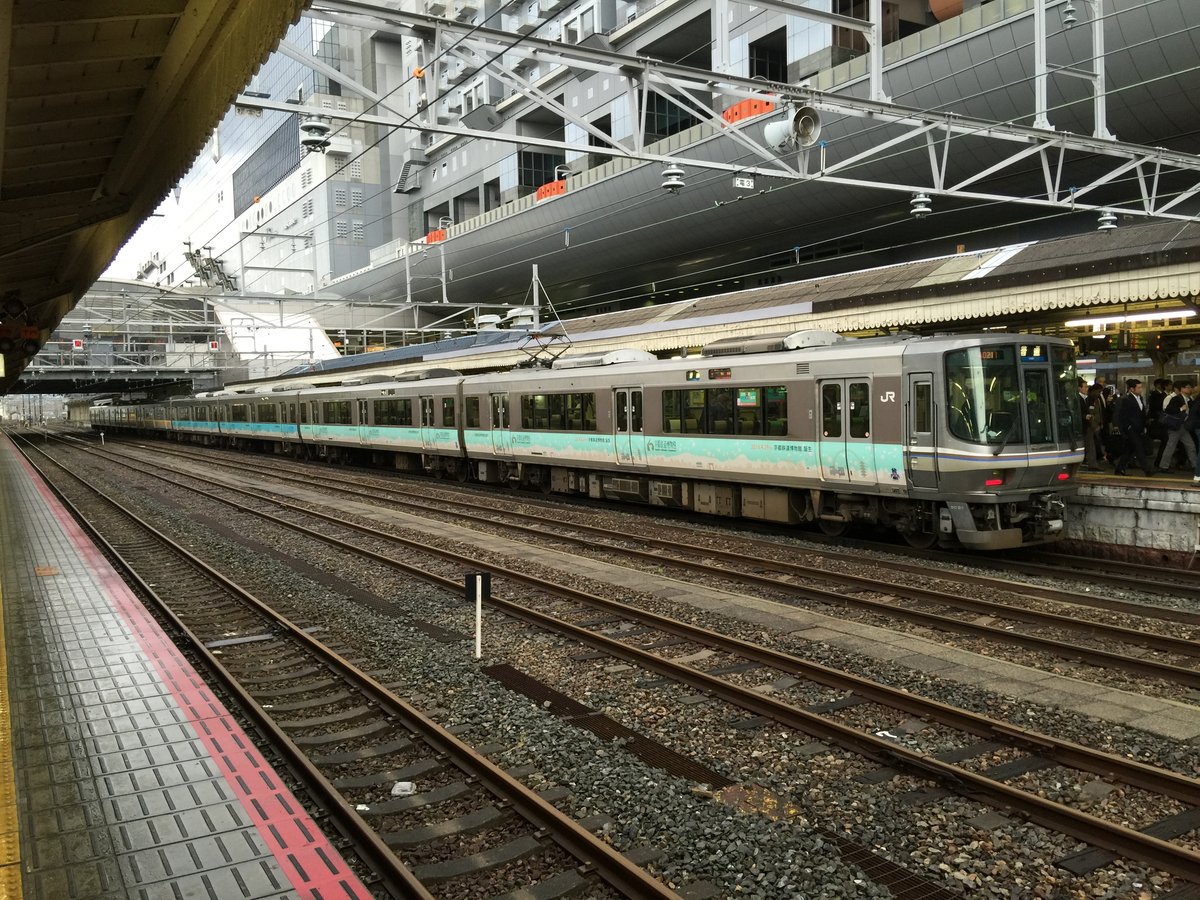
- Hankyu Kyoto Line Get off at Nishikyogoku Station; 5-minute walk to the stadium.
- From Kyoto Station Subway Karasuma Line to Shijo, transfer to Hankyu Kyoto Line at Karasuma, then to Nishikyogoku.
By Bus
- Kyoto City Bus No. 73 From Kyoto Station Bus Terminal C5 to Nishikyogoku Undo Koen-mae stop.
By Car & Bicycle
- Parking Limited; public transport is advised.
- Bicycle Ample parking; Kyoto is bicycle-friendly.
Game Day Experience
Wakasa Stadium Kyoto’s smaller size creates a vibrant, close-knit atmosphere, enhanced by the enthusiasm of local fans and families. Expect spirited cheering, organized chants, and traditional balloon releases during professional games. After games, fans often interact with players and coaches, fostering a sense of community.
Special events, youth clinics, and charity matches occur throughout the year—check the official schedule for details (National Stadium Tours).
Nearby Attractions and Kyoto Historical Sites
Combine your stadium visit with nearby cultural highlights:
- Katsura Imperial Villa Famed for its gardens and architecture.
- Kinkakuji (Golden Pavilion) & Ginkakuji (Silver Pavilion) Iconic temples.
- Ryoanji Temple Renowned Zen rock garden.
- Arashiyama District Bamboo grove and scenic river walks.
- Kyoto Railway Museum & Aquarium Family-friendly and educational.
- Toji Temple UNESCO World Heritage Site with a famous pagoda.
These sites are easily accessible from the stadium and offer a deeper Kyoto experience (JW Web Magazine).
Visitor Tips
- Check Schedules Game times and event dates vary—consult official sources.
- Weather Preparedness June is rainy season; bring an umbrella or coat.
- Arrive Early Enjoy the pre-game atmosphere and avoid long lines.
- Language Basic English signage; staff can assist international guests.
- Food Outside snacks and non-alcoholic drinks permitted; try local specialties at food stalls during big games.
- Accessibility Facilities are designed for all visitors, including those with mobility needs.
Frequently Asked Questions (FAQ)
Q: What are the stadium’s visiting hours?
A: Open from 9:00 AM on event days; check the official calendar for specifics.
Q: How can I buy tickets?
A: At the gate, online, or at convenience stores using a ticket code (YavaJapan).
Q: Is the stadium wheelchair accessible?
A: Yes—ramps, accessible seating, and restrooms are available.
Q: Are guided tours offered?
A: Occasionally, during special events; refer to the official site for updates.
Q: How do I get there on public transport?
A: Use Hankyu Kyoto Line (Nishikyogoku Station) or Kyoto City Bus No. 73.
Q: Can I bring food and drinks?
A: Yes, as per stadium policy; concessions are also available.
Final Thoughts
Nishikyogoku Baseball Stadium is more than a sports venue; it is a living piece of Kyoto’s community tapestry. Its history and accessibility, combined with the diverse attractions nearby, make it a rewarding stop for travelers seeking a richer understanding of Japanese sport and culture. For seamless planning, consult official resources for up-to-date information and consider downloading the Audiala app for real-time event updates and local tips. Enjoy your visit and discover the energetic spirit that defines Kyoto’s sporting heart.