
Historical and Artistic Context
The Monumental Cemetery of Staglieno
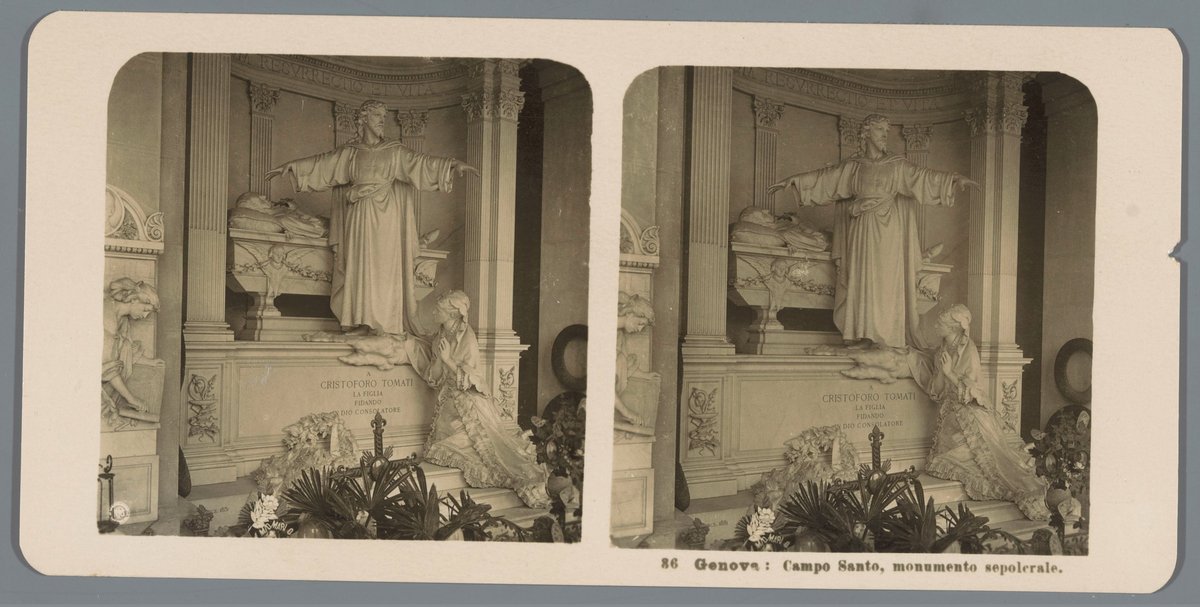
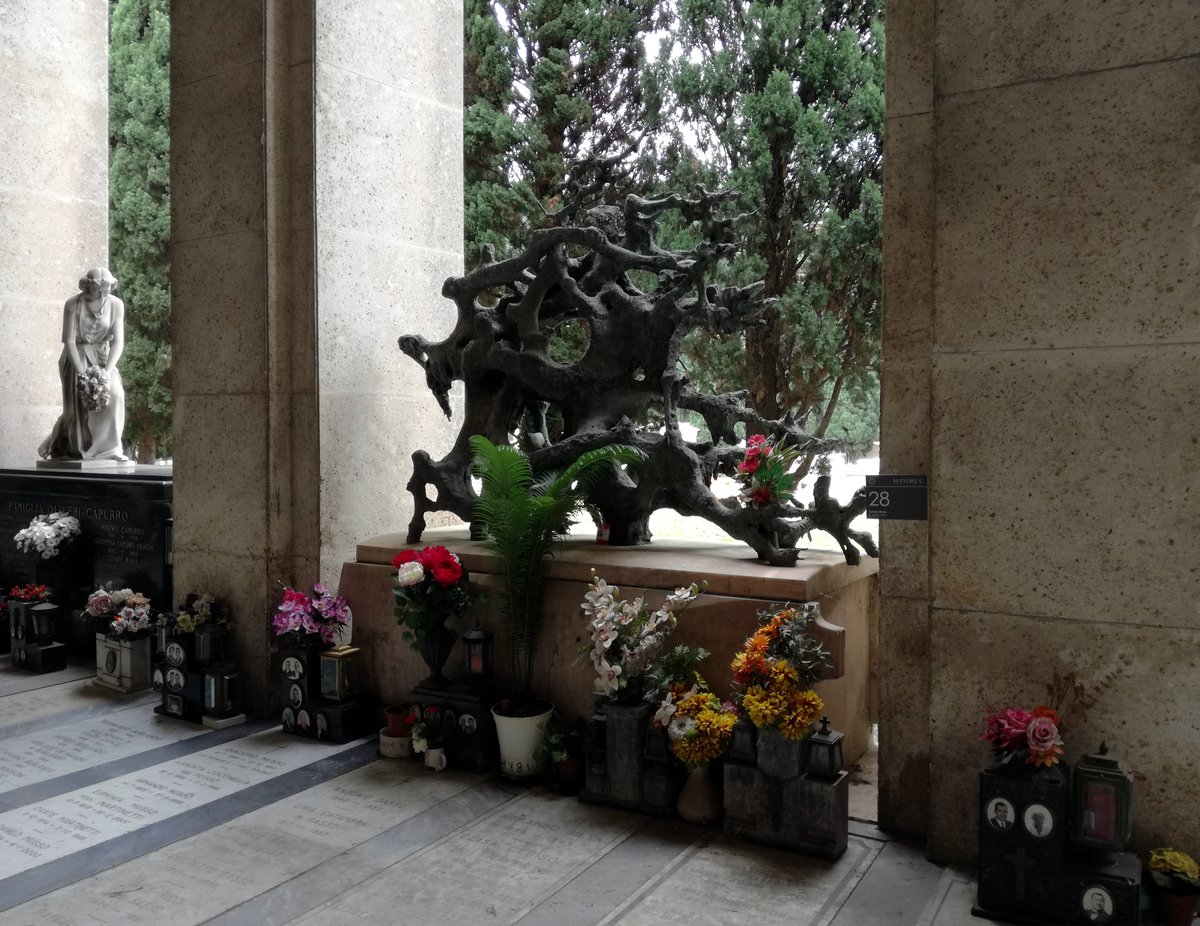
Inaugurated in 1851, the Monumental Cemetery of Staglieno is celebrated as one of Europe’s greatest open-air museums of funerary art. Designed by Carlo Barabino and completed by Giovanni Battista Resasco, the cemetery’s grand porticoes and terraced hillsides house a remarkable array of monuments reflecting the evolution of Italian sculpture from Neoclassicism to Symbolism and early Modernism. Staglieno became a showcase for Genoa’s burgeoning bourgeoisie and aristocracy, who commissioned elaborate tombs both as status symbols and as lasting expressions of memory (discovergenoa.com; visitgenoa.it).
Commissioning and Creation of the Tomba Queirolo
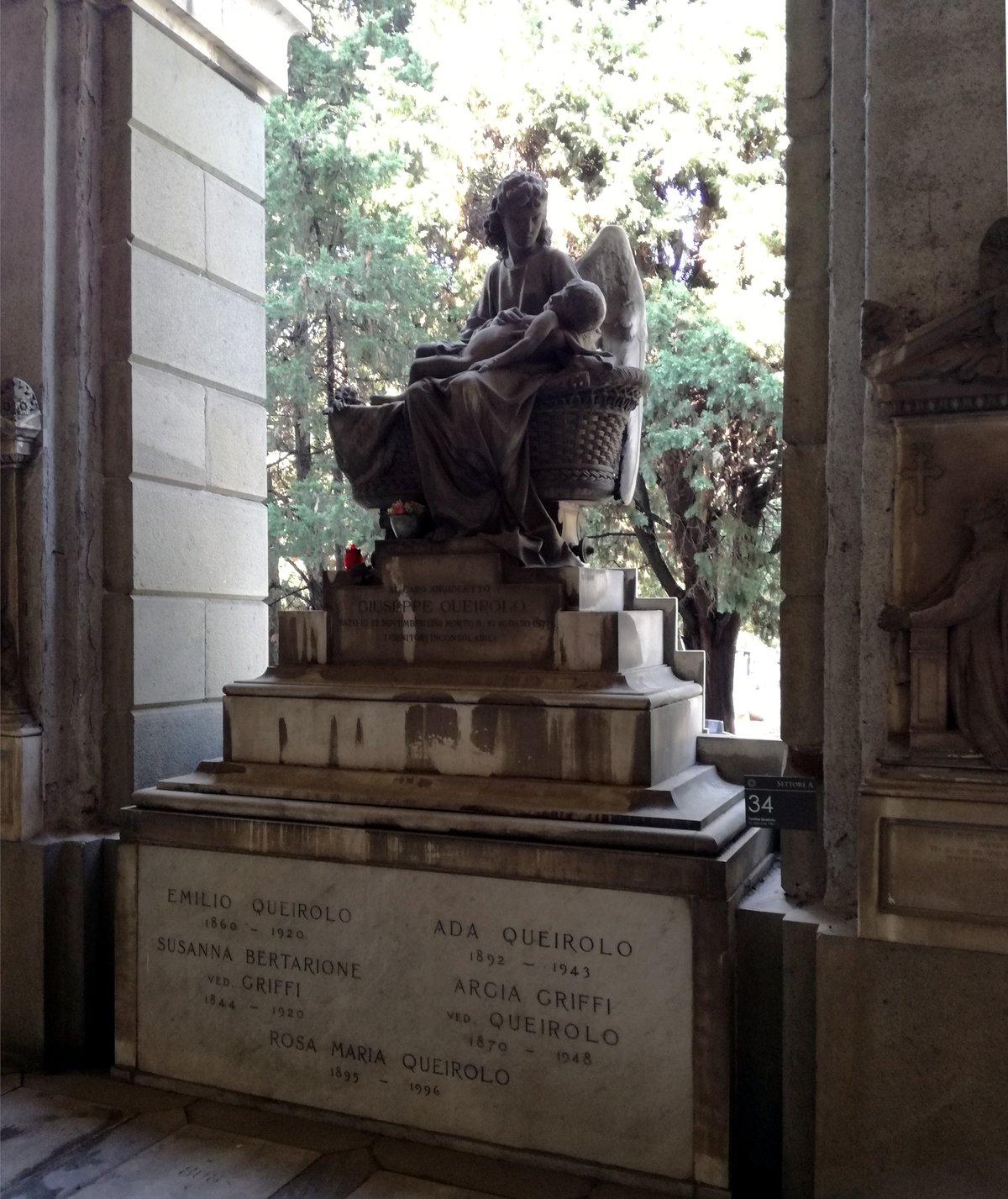
The Tomba Queirolo was commissioned by the influential Queirolo family at the turn of the 20th century. Sculpted in 1901 by Giovanni Navone, the monument epitomizes the period’s shift from idealized Neoclassical forms to expressive realism and macabre symbolism. This artistic evolution mirrored Genoa’s broader social and economic transformations during its industrial boom, as families sought innovative ways to commemorate their legacy (visitgenoa.it; staglieno.comune.genova.it).
Artistic Features and Symbolism
Sculptural Innovation and Symbolic Motifs
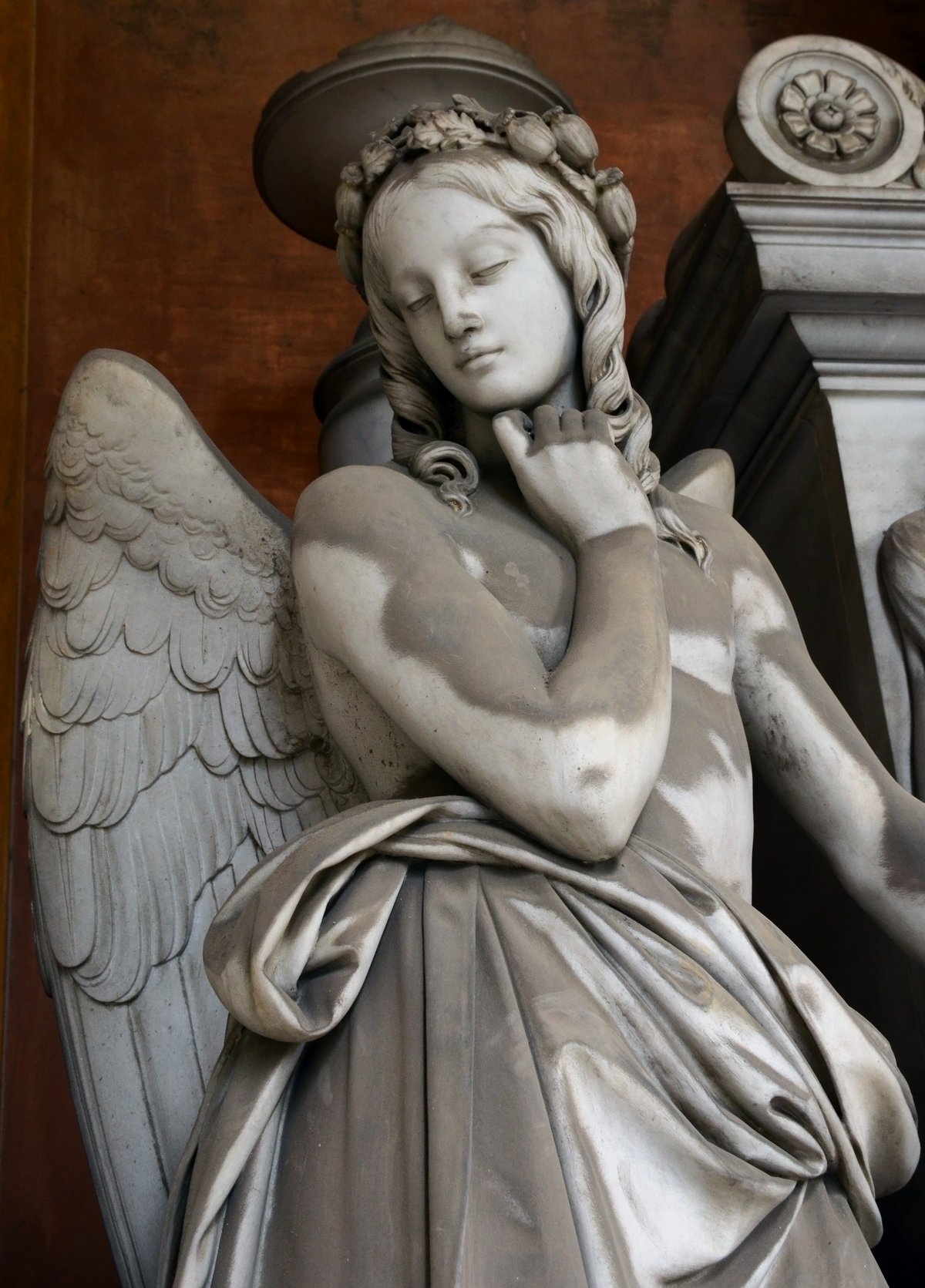
The Tomba Queirolo stands out for its bold realism and emotional intensity. Unlike earlier funerary monuments characterized by serene allegories, Navone’s work features a decaying skeleton breaking free from the grave, rendered with anatomical precision. This stark depiction aligns with the Realist movement in funerary art, reflecting contemporary preoccupations with mortality and transcendence.
The epitaph—"Fulminata è la morte: eterno impera il regno della vita" (“Death is conquered: the kingdom of life reigns eternal”)—provides a philosophical counterpoint to the graphic imagery, inviting contemplation of life’s triumph over death. Allegorical motifs, including hourglasses and personifications of virtues like Faith, Hope, and Charity, further enrich the monument’s narrative complexity (Symbols Project).
Materials and Techniques
Carved from white Carrara marble, the Tomba Queirolo demonstrates masterful contrasts between rough, eroded textures and polished surfaces. Navone’s technical prowess is evident in the skeleton’s anatomical detail and the dynamic composition, suggesting movement from death toward life. The use of drapery, medallions, and expressive forms reflects influences from both Baroque theatricality and the emerging Liberty (Art Nouveau) style (Staglieno official site).
Visitor Information
Visiting Hours and Tickets
- Opening Hours The Monumental Cemetery of Staglieno is generally open daily from 8:00 AM to 6:00 PM, but hours may vary seasonally or during holidays. Always check the official website or Genoa tourism portal for current information.
- Tickets Entry is typically free. Guided tours or thematic itineraries may have associated fees, which can be booked in advance or at the visitor center.
Directions and Accessibility
- Location Staglieno Cemetery is in the Staglieno district, east of Genoa’s city center at Piazzale Resasco, 16137 Genova, Italy.
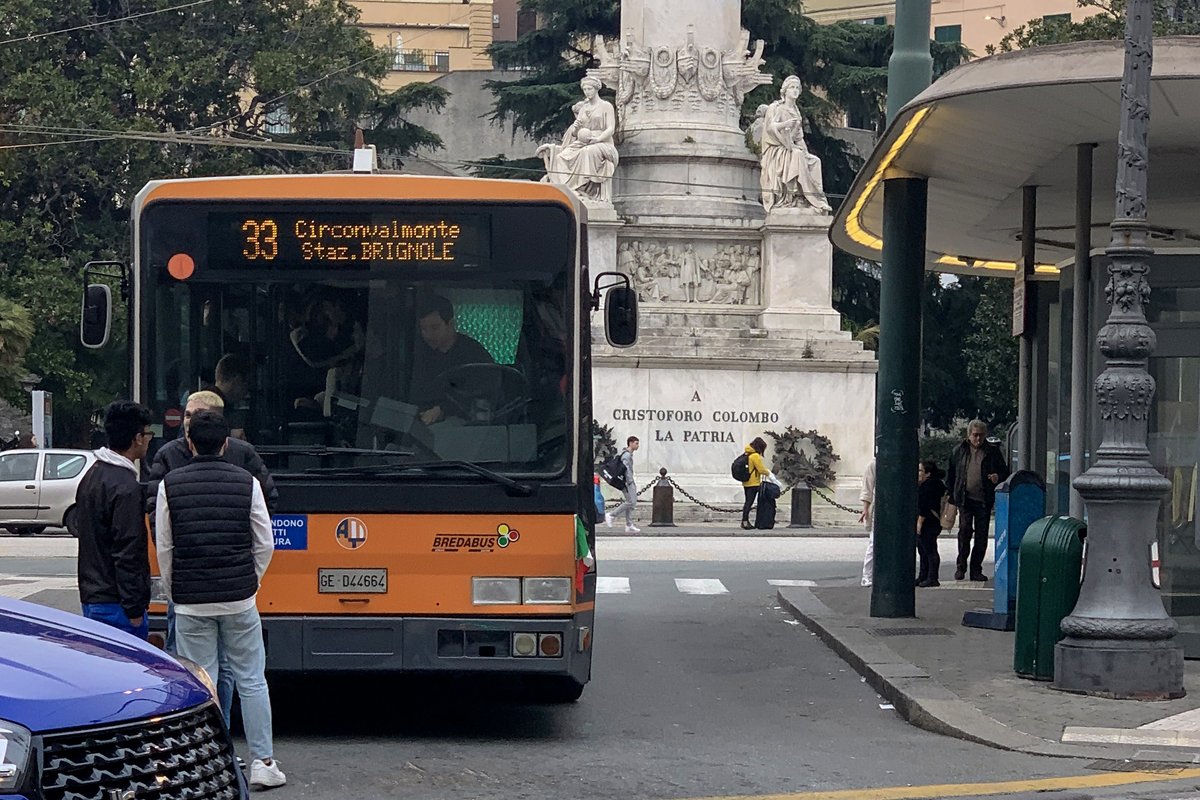
- Public Transport Bus lines 18, 20, 34, 48, and 480 connect the city center and main train station (Genova Piazza Principe) to the cemetery. Taxis are also available.
- Parking Limited parking is available near the main entrance.
- Accessibility Main avenues and primary monuments, including the Tomba Queirolo, are accessible, though some paths are uneven or hilly. Wheelchair users may need assistance in certain areas.
Best Times to Visit and Visitor Tips
- Season Spring and autumn offer the most comfortable weather. Summer can be hot and humid; winter may be rainy or have limited daylight.
- Timing Weekday mornings are quieter, providing an ideal setting for reflection and photography.
- Dress Code Modest attire (shoulders and knees covered) is recommended, in keeping with Italian sacred site customs (Savoring Italy).
- Facilities Restrooms are near the main entrance. There are no cafés inside, so bring water and snacks.
- Photography Allowed for personal use; commercial photography requires permission. Avoid flash and be respectful of mourners.
Nearby Attractions
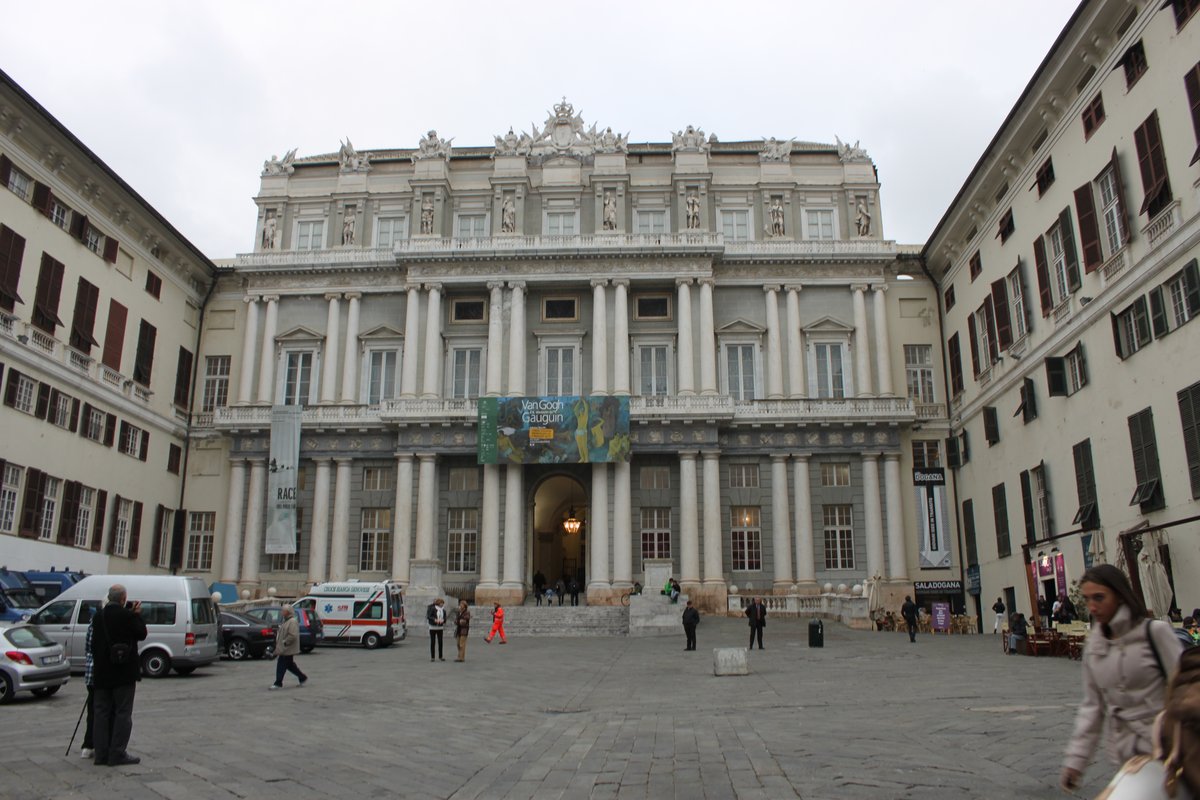
Combine your cemetery visit with trips to Genoa’s historic center, the Palazzi dei Rolli, the Old Port, and the Porto Antico waterfront. Local neighborhoods offer cafés and trattorias with Ligurian cuisine (Italy Heaven; Discover Genoa).
Frequently Asked Questions (FAQs)
Q: Is there an entrance fee for the Tomba Queirolo?
A: No, entry to Staglieno Cemetery and the Tomba Queirolo is free. Fees apply only for some guided tours.
Q: What are the visiting hours?
A: Generally, 8:00 AM to 6:00 PM daily, but always verify before your visit (visitgenoa.it).
Q: Is the cemetery wheelchair accessible?
A: Main areas and primary monuments are accessible, but some paths are challenging. Assistance is recommended.
Q: Are guided tours available?
A: Yes, tours can be booked via the municipality or tourist office.
Q: Can I take photographs?
A: Yes, for personal use. Commercial photography requires prior authorization.
Q: Are there restrooms and amenities inside?
A: Restrooms are near the main entrance; there are no cafés or shops inside.
Q: Is the site suitable for families and groups?
A: Yes, all ages are welcome. Large groups should notify the administration in advance when booking tours.