What the museums are
The Museo della Carta, in Genoa’s historic center, and the Museo della Carta di Mele, in Valle Leira, preserve the region’s papermaking heritage. Their collections and activities explore centuries of craft and industrial history through historic documents, tools and machinery, demonstrations, and workshops.
The Museo della Carta di Mele is housed in the restored 18th-century Piccardo paper mill. Both museums serve as cultural anchors, fostering local pride, supporting artisans, and promoting sustainable tourism. For current details, see the official Museo della Carta and Museo della Carta di Mele websites.
History
Genoa’s papermaking tradition
Genoa’s maritime trade and position on the Ligurian coast helped make it an early center for papermaking in Italy. Paper-making techniques developed in China and refined by Arab artisans reached Italy in the 12th–13th centuries, spreading west through Mediterranean trade routes and Arab traders. By the 13th century, Genoa’s economic vitality and skilled craftsmen had made papermaking an integral local industry (Museo della Carta).
Water-powered mills along local rivers used vegetable fibers, including linen and hemp. Demand from merchants for high-quality paper for contracts and records drove technical progress. Papermaking also supported trade and administration, grew alongside the wool trade, and shared its water-powered technologies. Genoese paper became known across Europe for its quality, durability, and versatility (Museo della Carta, Museo della Carta).
Genoese artisans developed watermarks that combined practical use with artistic design. The transition to mechanized production in the 18th–19th centuries changed the industry; the Museo della Carta preserves original tools and machinery associated with traditional papermaking (Museo della Carta).
Valle Leira and the Piccardo mill
From the 15th century, paper mills in Valle Leira were economic engines, employing hundreds of people and supporting related trades. Papermaking there contributed to local commerce, literacy, and artistic life. The Museo della Carta di Mele preserves the Piccardo mill, which operated from 1756–1985 (Museo della Carta di Mele).
Founded in 1997, the museum supports community pride through workshops, tours, and educational outreach. Its shop is operated by Cartiera Artigiana di Giuseppe Traverso and supports local artisans. The museum is part of Italy’s papermaking network and participates in initiatives promoting sustainable tourism and regional development (Musei di Genova, The Conversation). Its inclusive programs serve diverse audiences and encourage intergenerational dialogue.
What to see and do
Museo della Carta in Genoa
The museum’s collections include original machinery, tools, and watermarks that illustrate the region’s papermaking story. Visitors can explore galleries and interactive displays, take part in hands-on workshops, and view virtual tours online.
Museo della Carta di Mele
The museum route follows papermaking from raw materials to finished paper through the restored mill and its machinery. Exhibitions cover Genoese papermaking and include contracts, merchant letters, samples of Genoese paper, maps, and photographs documenting local mills (Museo della Carta di Mele - La Carta di Genova).
Original wooden vats, presses, and moulds are among the machinery and tools on display. Rooms explore materials, water-powered processes, finishing, and export; temporary exhibitions may focus on printing history or contemporary paper art.
Artisans demonstrate traditional papermaking, from pulping fibers to pressing and drying, while water-powered machinery illustrates early industrial technology. Hands-on workshops are available for all ages (Museo della Carta di Mele - Corsi). Interpretive materials, guided tours, and interactive displays support visitors of different ages. The museum also features contemporary exhibitions and connects traditional skills with present-day artistic practice.
The museum’s website offers images and virtual tours for previewing the visit. Highlights include live papermaking demonstrations, 18th-century water-powered machines, historic documents and merchant ledgers, and interactive workshops.
Practical visiting information
Museo della Carta in Genoa
The available visitor information lists two schedules:
- Tuesday–Sunday, 10:00 AM–6:00 PM; closed Mondays and public holidays.
- Tuesday–Sunday, 9:30 AM–1:00 PM and 3:00–6:00 PM; closed Mondays. The museum is listed as open on Epiphany, Easter, Easter Monday, Republic Day, Ferragosto, and All Saints’ Day, and closed on New Year’s Day and Christmas (Museo della Carta).
One ticket listing gives adult admission as €8, with discounts for seniors, students, and groups at €5; children under 12 enter free. Tickets are available online or at the entrance. The museum also offers standard admission, guided tours, workshops, and private or group tours. Tickets can be bought at the museum or online up to 48 hours in advance (museum's ticketing page).
Guided tours are included in admission, offered in Italian, with English available on request. The Handmade Paper Experience is available to visitors of all ages. Tours and workshops can be booked in advance.
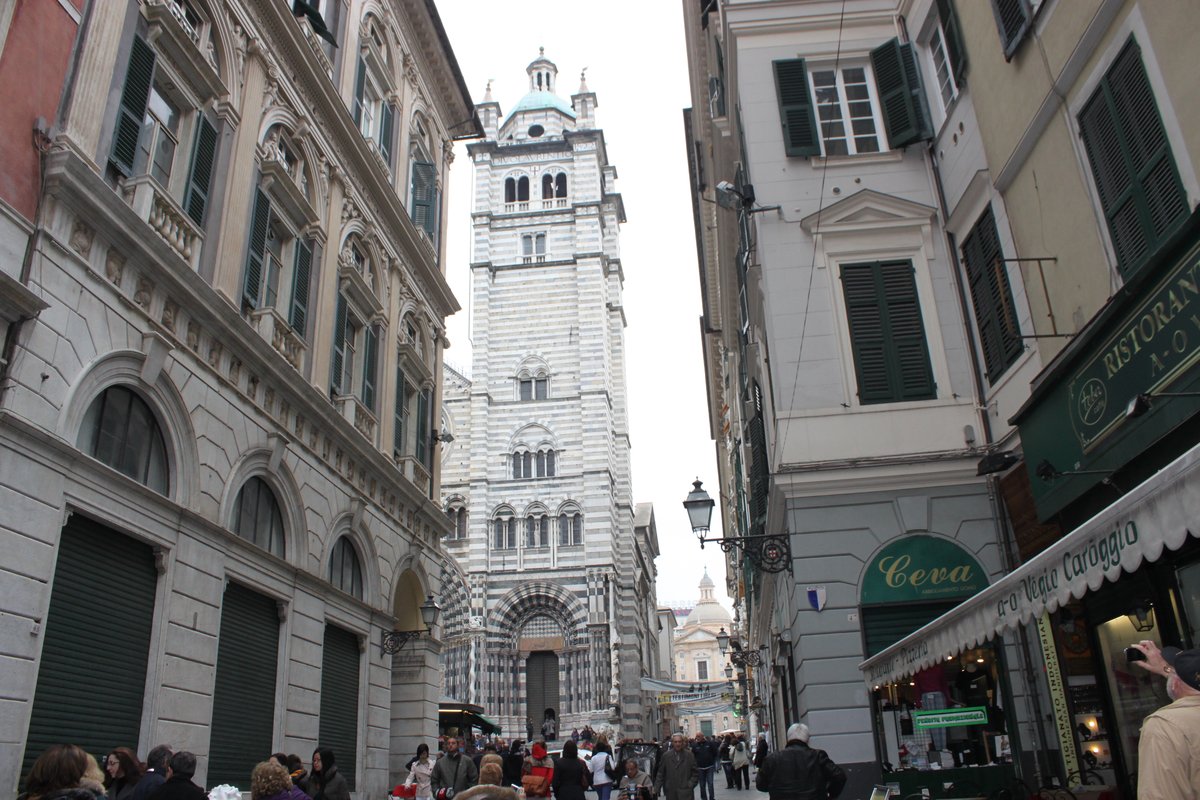
The central location is near Via Garibaldi and Porto Antico, and the museum is reachable by public transport (Visit Genoa). The building is described as fully wheelchair accessible, with ramps and elevators; other visitor information recommends calling ahead to confirm specific wheelchair accommodations and assistance.
Amenities include restrooms, a cloakroom, a gift shop selling handmade paper goods, and a specialized library. The €15 Genova Museum Card covers 28 city museums and public transport (Visit Genoa – Museum Card).
Museo della Carta di Mele
The visitor information lists Tuesday–Sunday, 10:00 AM–6:00 PM, with Mondays and public holidays closed. A separate listing gives March–November hours as daily, 10:00 AM–7:00 PM, with last entry at 6:20 PM; winter hours are reduced, and group visits are by appointment (Museo della Carta - Informazioni).
General admission is €7; reduced admission is €4 for students, seniors, and groups; children under 6 enter free. Tickets can be purchased on-site or pre-booked online for future dates. Guided tours are included with admission; reserve in advance for a deeper visit. Advance booking is advised for groups and during winter.
The museum is about 25 km from Genoa and can be reached by car via the A10, exit Voltri, or by bus from Genoa Voltri station. Accessibility information describes ramps, adapted facilities, audio guides, and tactile exhibits, while also noting that some historic areas may be challenging; contact the museum for details.
Facilities include a gift shop, restrooms, and parking.
Contact
- Museo della Carta Museo della Carta
- Genoa Tourist Office [email protected] (Visit Genoa)
Tips
- Book tours and workshops in advance, particularly for groups; reserve winter visits to the Museo della Carta di Mele.
- Weekday mornings are quieter at the Genoa museum. The Mele museum is busiest on spring and summer weekends; weekdays and mornings are quieter.
- Allow 1.5–2 hours for a full visit to the Genoa museum.
- The museums are family- and group-friendly. Workshops at Mele are designed for all ages.
- Photography is permitted in most areas at the Genoa museum; ask about flash and tripod restrictions. Another visitor listing specifies no flash or tripods.
- Check the Genoa museum’s website for the latest health and safety updates.
- Check official museum websites for current hours, ticketing, and accessibility details. Travel apps such as Audiala are also mentioned as a way to find guided tours and visitor information.
Nearby places
In Genoa, nearby attractions include Via Garibaldi and its Renaissance palaces, Palazzo Ducale, Musei di Strada Nuova, and the Porto Antico waterfront. The museum is also close to Genoa’s historic landmarks and train stations, which are connected by public transport.
For a visit to the Museo della Carta di Mele, other suggested stops include Genoa’s UNESCO-listed sites, Palazzo Ducale, and the Galata Maritime Museum.
FAQ
What are the opening hours of the Museo della Carta in Genoa?
The information lists Tuesday–Sunday, 10:00 AM–6:00 PM, and also Tuesday–Sunday, 9:30 AM–1:00 PM and 3:00–6:00 PM. Both schedules list Mondays as closed; one also lists public holidays as closed, while the other specifies certain holiday openings.
How much are tickets?
For the Genoa museum, one listing gives €8 for adults, €5 for discounted tickets for seniors, students, and groups, and free entry for children under 12. For the Museo della Carta di Mele, general admission is €7, reduced admission is €4, and children under 6 enter free.
Is the Genoa museum wheelchair accessible?
It is described as fully accessible, with ramps and elevators; visitors are also advised to confirm specific needs in advance.
Is the Museo della Carta di Mele accessible?
The museum has ramps, adapted facilities, audio guides, and tactile exhibits. Some historic areas may be challenging, so contact the museum for details.
Are guided tours available?
The Genoa museum offers tours in Italian, with English on request. The Mele museum includes guided tours with admission; advance reservations are recommended for groups.
Are workshops available?
Yes. The Genoa museum offers hands-on activities, including the Handmade Paper Experience. Workshops at Mele are available for all ages; reserve ahead for hands-on activities.
Can visitors take photographs at the Genoa museum?
Photography is permitted in most areas. Ask about flash and tripod restrictions; another listing specifies no flash or tripods.
Can I use the Genova Museum Card?
The €15 card covers 28 city museums and public transport; check current inclusions.
When is the Museo della Carta di Mele busiest?
Spring and summer weekends are busiest; weekdays and mornings are quieter.
Is the Museo della Carta di Mele suitable for children?
Yes. Its workshops are designed for all ages.