Genoa: Historical Background and Cultural Highlights
Ancient and Medieval Origins
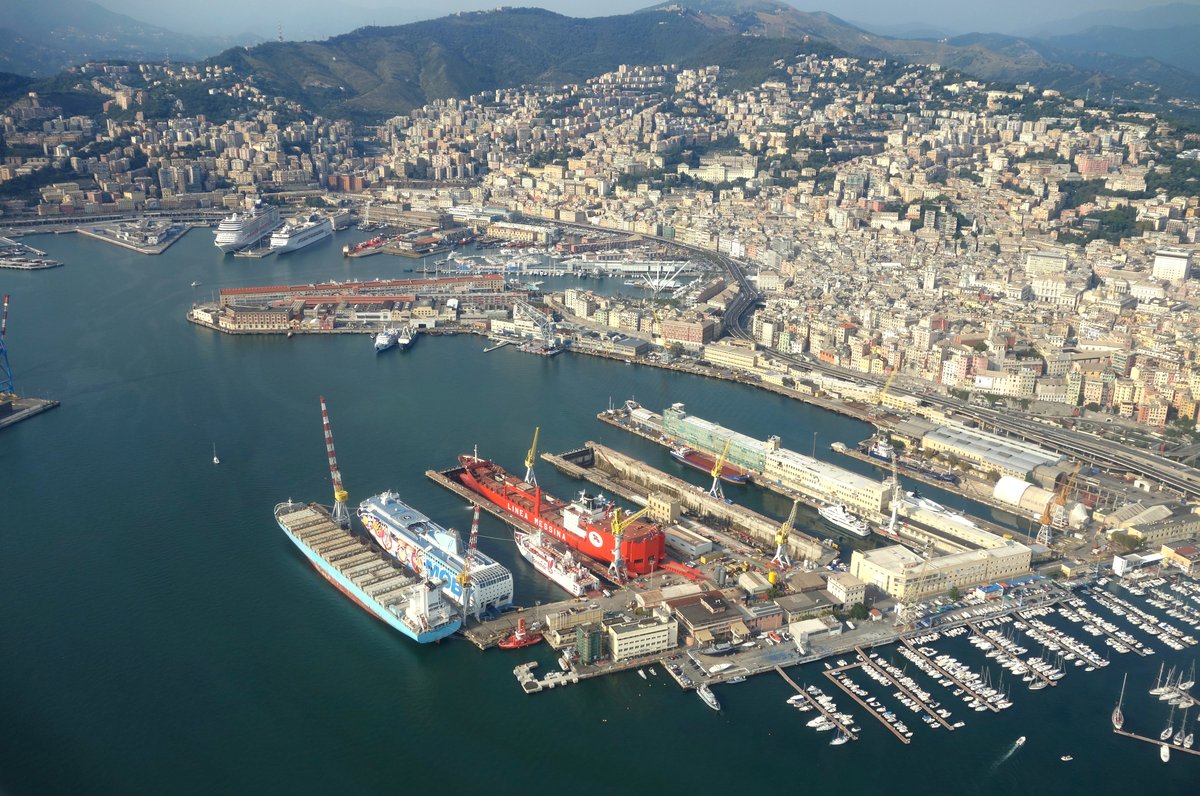
Genoa’s roots stretch back to ancient Ligurian tribes and the Roman era, laying the groundwork for its rise as a strategic port (Britannica; Italia.it). By the 10th century, the city had evolved into a pivotal maritime power, its narrow alleyways and medieval center still echoing the city’s storied past (Visit Genoa).
Genoa as a Maritime Republic
From the 11th to 17th centuries, Genoa flourished as a maritime republic, rivaling Venice and Pisa. Influential aristocratic families and monumental architecture from this era—such as the UNESCO-listed Palazzi dei Rolli—continue to define the cityscape (National Geographic; Britannica).
Modern Era and Cultural Renaissance
Although Genoa’s international influence waned after the Renaissance, its cultural and industrial vitality persisted. Today, the city offers one of Europe’s largest medieval centers, vibrant neighborhoods, and a rich calendar of cultural events (Wandering Liguria).
Il Tempietto: Visiting Hours, Tickets, and Community Role
Location and Identity
Il Tempietto, formally known as Sala Savio, is situated on Via Carlo Rolando in Sampierdarena (Teatro.it). It operates as a versatile venue for theatrical performances, book presentations, commemorative gatherings, and cultural workshops, often in partnership with the Opera Don Bosco and the C.G.S. Club Amici del Cinema (CGSweb).
Visiting Hours and Tickets
Il Tempietto’s opening hours are closely tied to scheduled events, typically in the evenings, with occasional daytime workshops or cultural gatherings. Many programs are free or low-cost, emphasizing accessibility and community participation. For the latest details on Il Tempietto’s visiting hours and ticketing, consult the theater’s official website or local event calendars (CGSweb).
- Booking Advance reservations are recommended for popular events. Tickets are available both online and at the venue.
Historical and Cultural Importance
Il Tempietto’s mission extends beyond entertainment—it promotes social, educational, and artistic initiatives. The venue commemorates figures such as Don Alberto Rinaldini, reflecting its roots in religious and social outreach. Its programming supports European unity and civic values, demonstrated by events like the presentation of “L’Abc dell’Europa di Ventotene” (Teatro.it).
Theatrical and Community Role
Acting as a cultural nucleus for the Sampierdarena district, Il Tempietto fosters collaborations with local schools, cultural associations, and youth groups. It regularly hosts plays, concerts, readings, and film screenings, strengthening the bond between performers and audience members (Visit Genoa).
Architecture and Atmosphere
Il Tempietto’s architecture is modest yet functional, with adaptable spaces designed to accommodate diverse activities. Its Salesian heritage underlines a commitment to inclusivity, youth engagement, and community service (CGSweb).
Special Events and Tours
Special events such as book launches and commemorative ceremonies are frequent. While guided tours are not standard, they are occasionally organized—check announcements or inquire at local tourist centers for opportunities to explore Il Tempietto’s history and activities in depth.
Practical Visitor Information
Location and Access
- Address Via Carlo Rolando, Sampierdarena, Genoa, Italy (Teatro.it)
- Transport Easily accessible by bus and train, Sampierdarena is well-connected to the rest of Genoa.
- Nearby Villa Scassi park, Genoa’s historic center, Palazzo Ducale, and Porto Antico.
Visitor Tips and Accessibility
- Language Most events are in Italian; occasionally, summaries or materials are available in English.
- Admission Many activities are free or have minimal cost; verify ticketing before arrival.
- Accessibility Facilities are designed to be accessible for visitors with mobility challenges.
- Etiquette Dress modestly for religious or commemorative events and engage respectfully with community activities.
Nearby Historical Sites and Attractions
Cathedral of San Lorenzo
A short walk from Il Tempietto, the Cathedral of San Lorenzo is a masterpiece of Romanesque-Gothic architecture, housing the Tesoro Museum and relics such as the “Holy Grail” (Lonely Planet).
Palazzo Ducale
The Palazzo Ducale offers a glimpse into Genoa’s political and artistic past, now hosting exhibitions and cultural events in grand historic halls.
Via Garibaldi and the Palazzi dei Rolli
A UNESCO World Heritage Site, Via Garibaldi features an array of Renaissance and Baroque palaces, many now functioning as museums (PlanetWare).
Porto Antico (Old Port)
The revitalized Porto Antico is home to the Aquarium of Genoa, Il Bigo panoramic elevator, Biosfera, and the Galata Maritime Museum (Tripzaza; Acquario di Genova).
Boccadasse
The picturesque Boccadasse district offers a seaside village atmosphere with colorful houses and seafood restaurants.
Additional Highlights
- Piazza De Ferrari The city’s main square, surrounded by elegant 19th-century buildings (The Crazy Tourist).
- Spianata Castelletto A panoramic viewpoint over Genoa (Amongst Romans).
- Parks of Nervi Tranquil green spaces and sea promenades (Visit Genoa).
Frequently Asked Questions (FAQ)
Q: What are Il Tempietto’s opening hours?
A: Visiting hours are event-based, typically in the evenings. Check official sources or local listings for current schedules.
Q: How much do tickets cost?
A: Most events are free or low-cost. For ticketed events, advance booking is advised.
Q: Is Il Tempietto accessible to those with disabilities?
A: Yes, the venue is designed to be accessible for visitors with mobility challenges.
Q: Are guided tours offered?
A: Occasionally, especially during festivals or special events. Inquire locally for current offerings.
Q: What attractions are nearby?
A: The Cathedral of San Lorenzo, Palazzo Ducale, Porto Antico, and Via Garibaldi are all within easy reach.