


Historical Foundations of the Monumental Cemetery of Staglieno
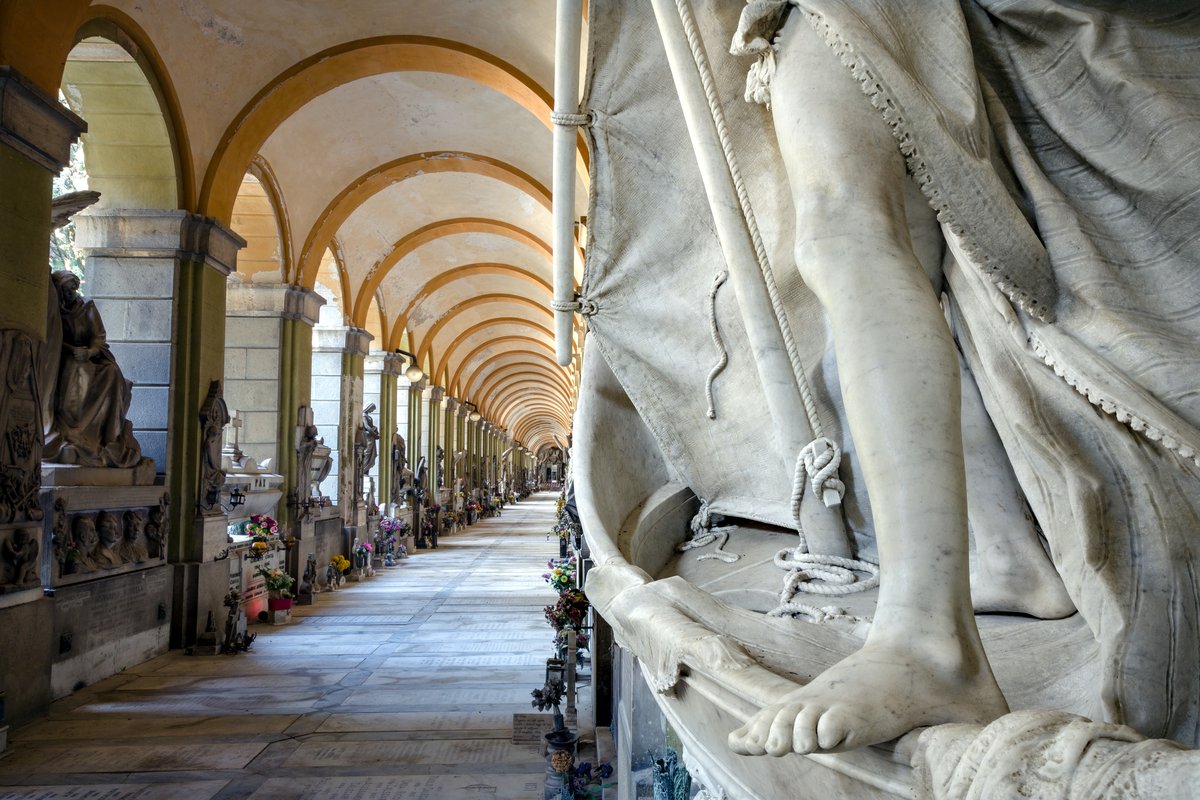
The Monumental Cemetery of Staglieno is renowned as one of Europe’s greatest repositories of funerary sculpture. Established in 1835 following health regulations that prohibited intra-mural burials, it was initiated by architect Carlo Barabino and completed by Giovanni Battista Resasco after Barabino’s death. The cemetery’s grand design fuses Neo-Classical symmetry with naturalistic landscaping, culminating in the iconic Pantheon at its center (Ancient Origins). Opened to the public in 1851, Staglieno quickly gained international fame and drew visitors such as Mark Twain and Empress Elisabeth of Austria (Visit Genoa).
The Carpaneto Family: Origins and Social Standing
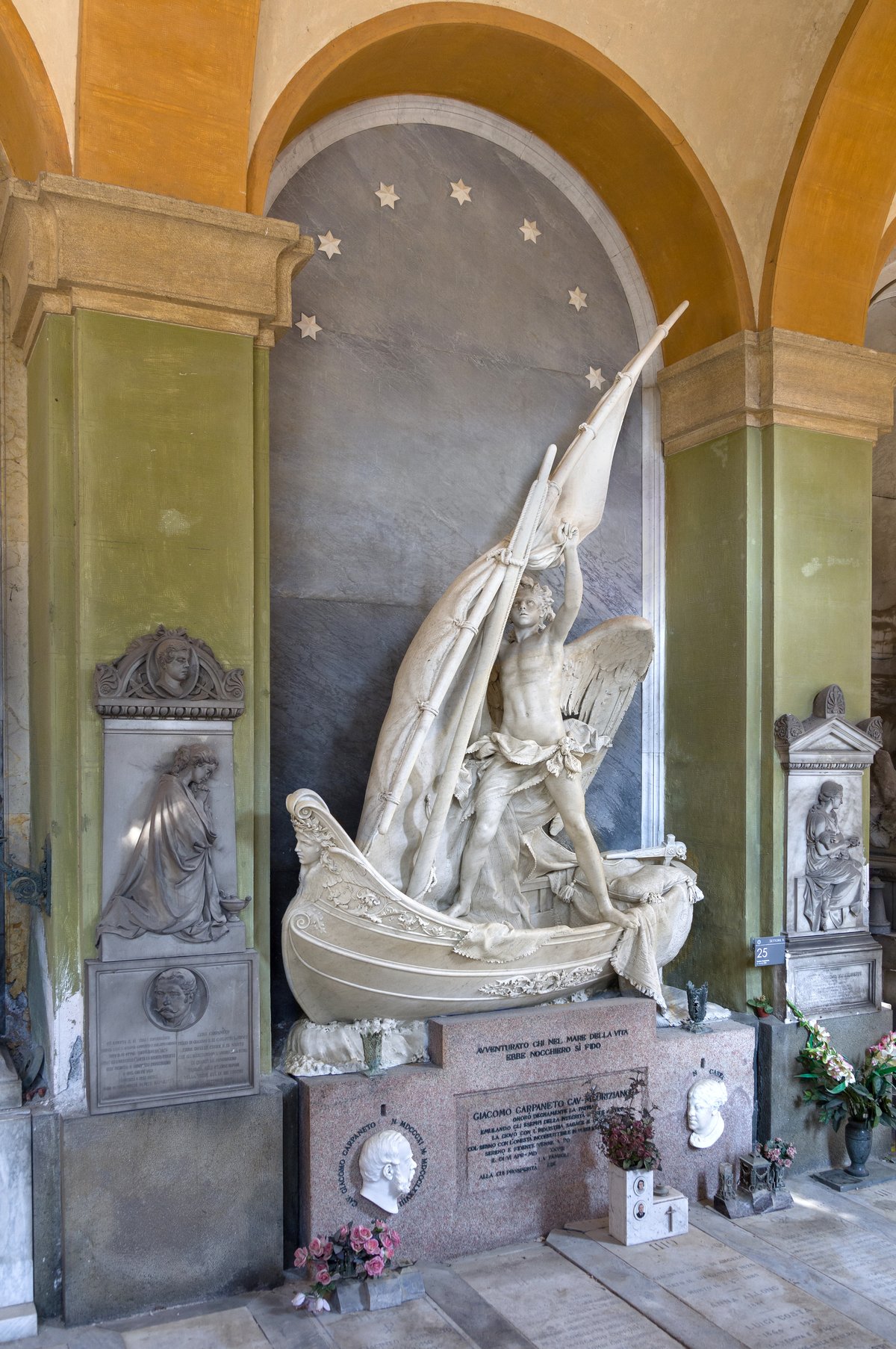
The Carpaneto family hailed from Sampierdarena, a district of Genoa, and rose to prominence as successful merchants. Giacomo Carpaneto (1811–1878), in whose memory the tomb was commissioned, was a respected civic figure and recipient of the title Cavaliere Mauriziano (Knight of the Order of Saints Maurice and Lazarus). Their patronage of such a monumental tomb underscores their social influence and commitment to legacy (Wikipedia: Angelo Nocchiero).
Artistic Patronage and Symbolism of the Monument
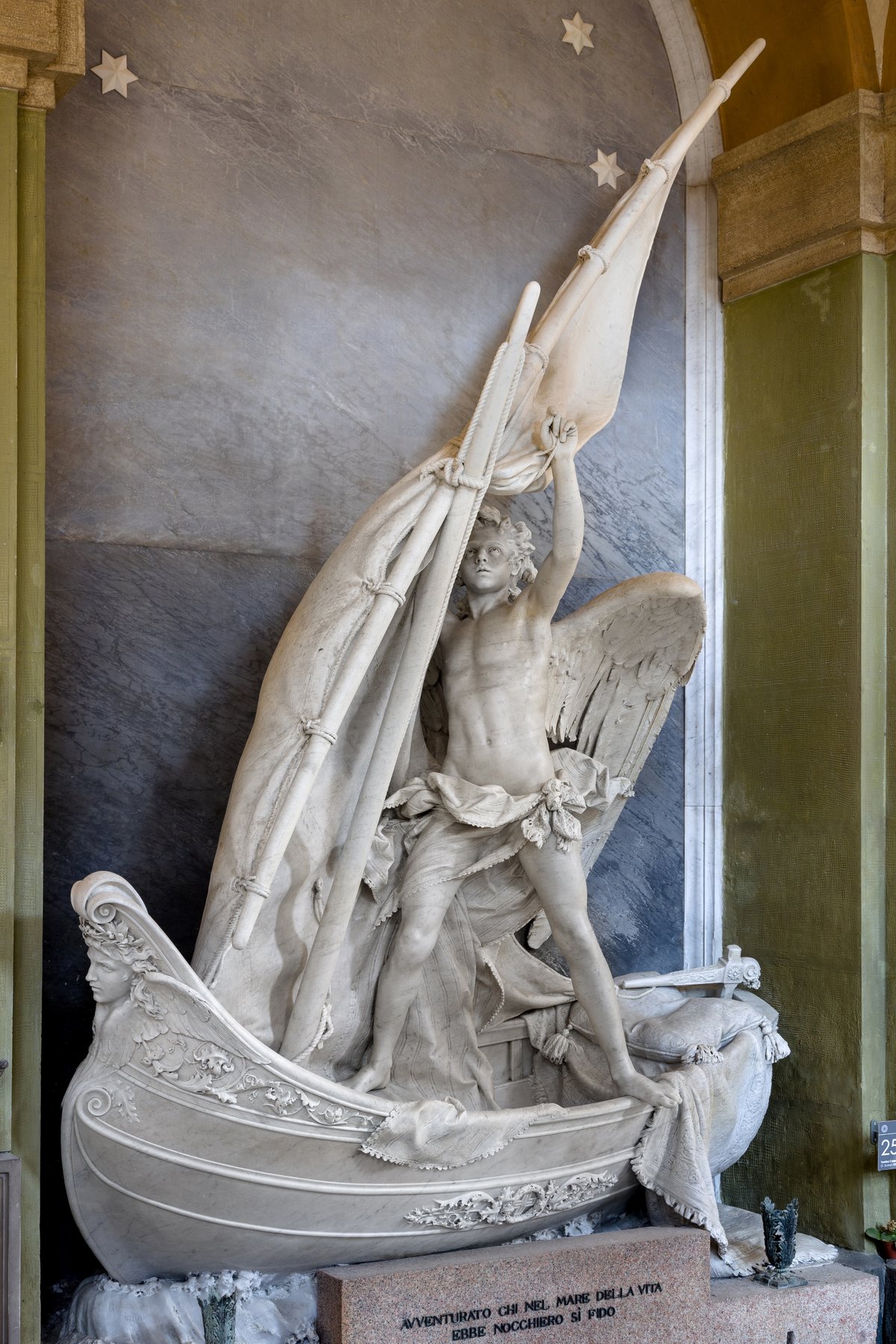
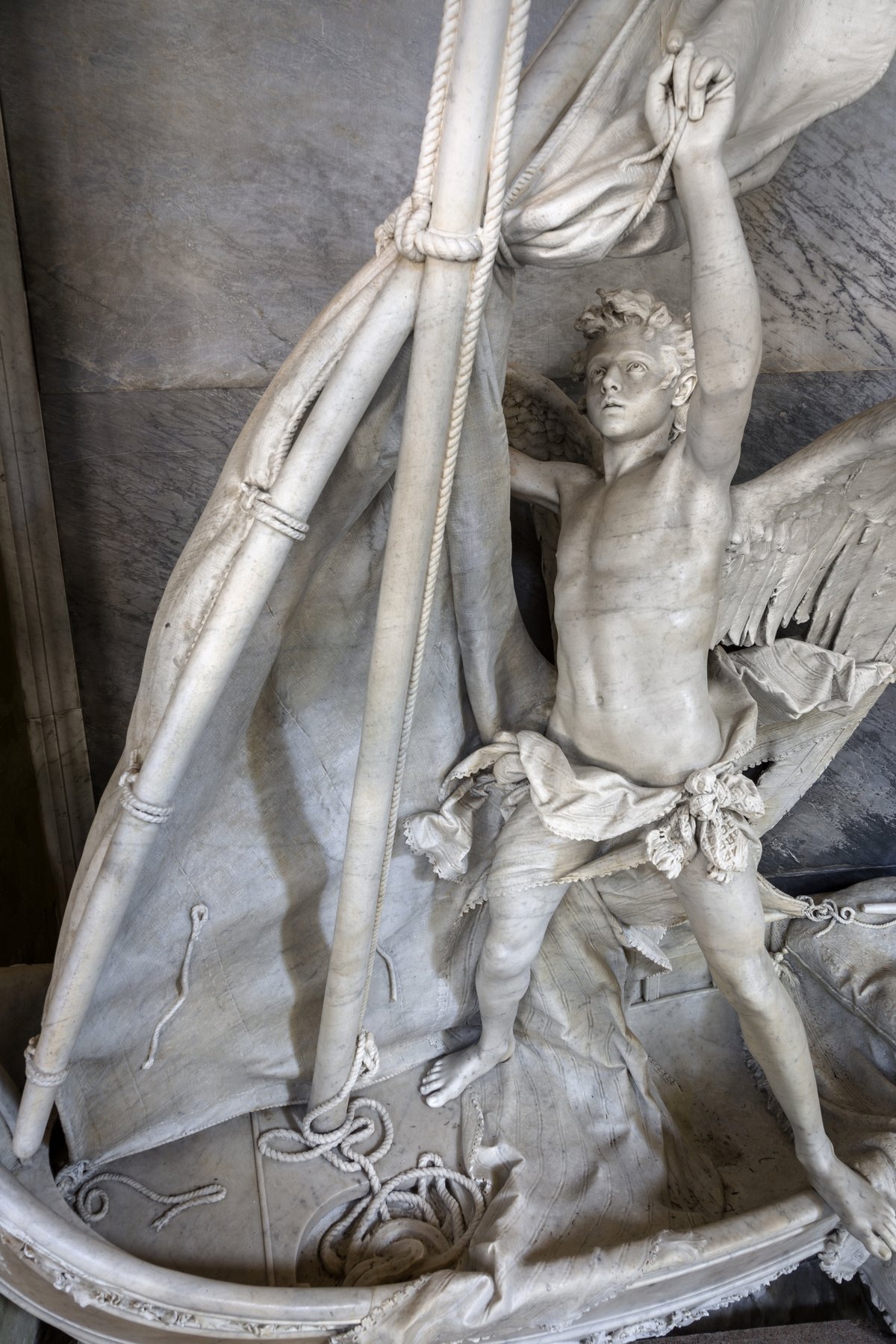
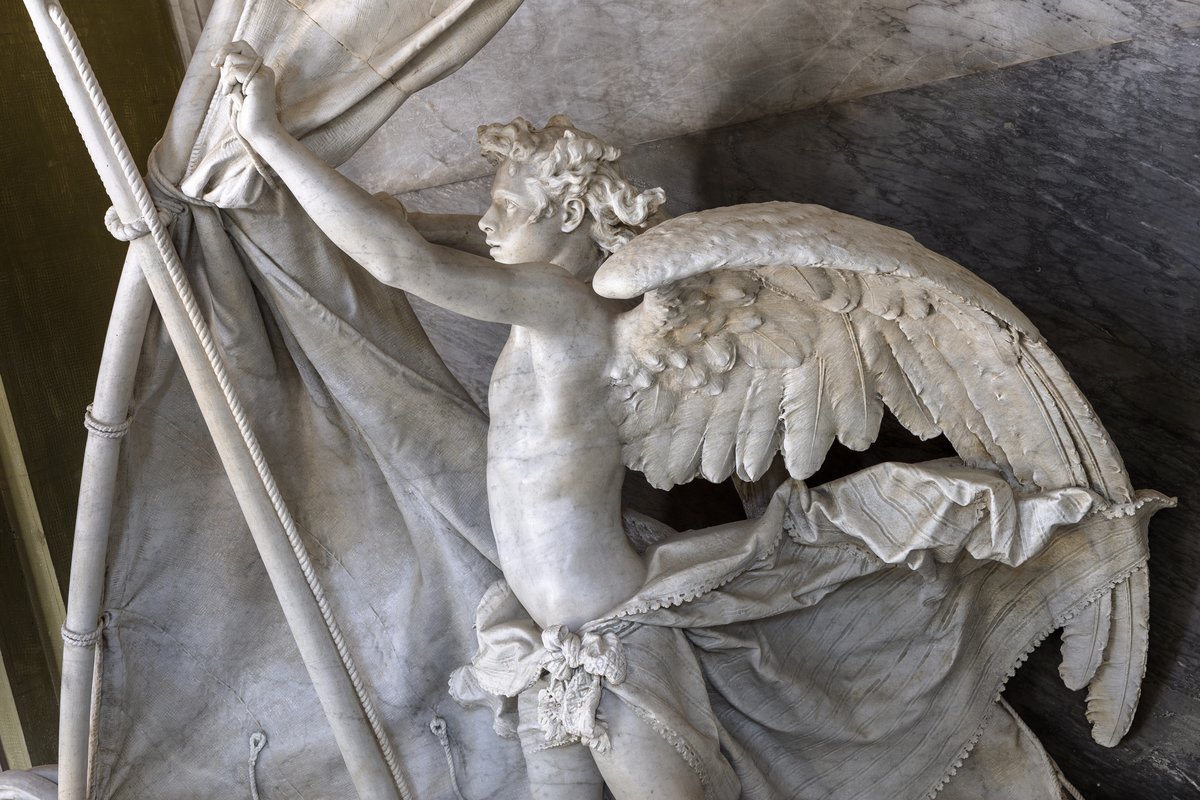
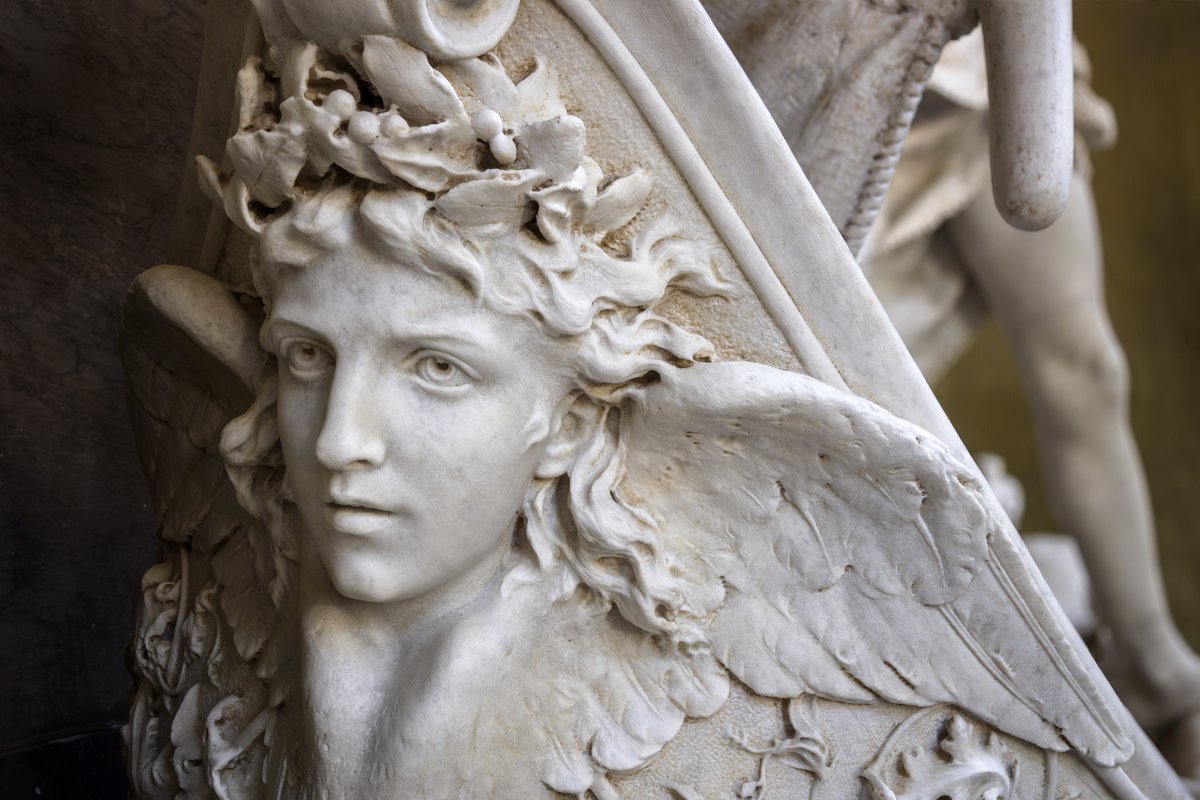
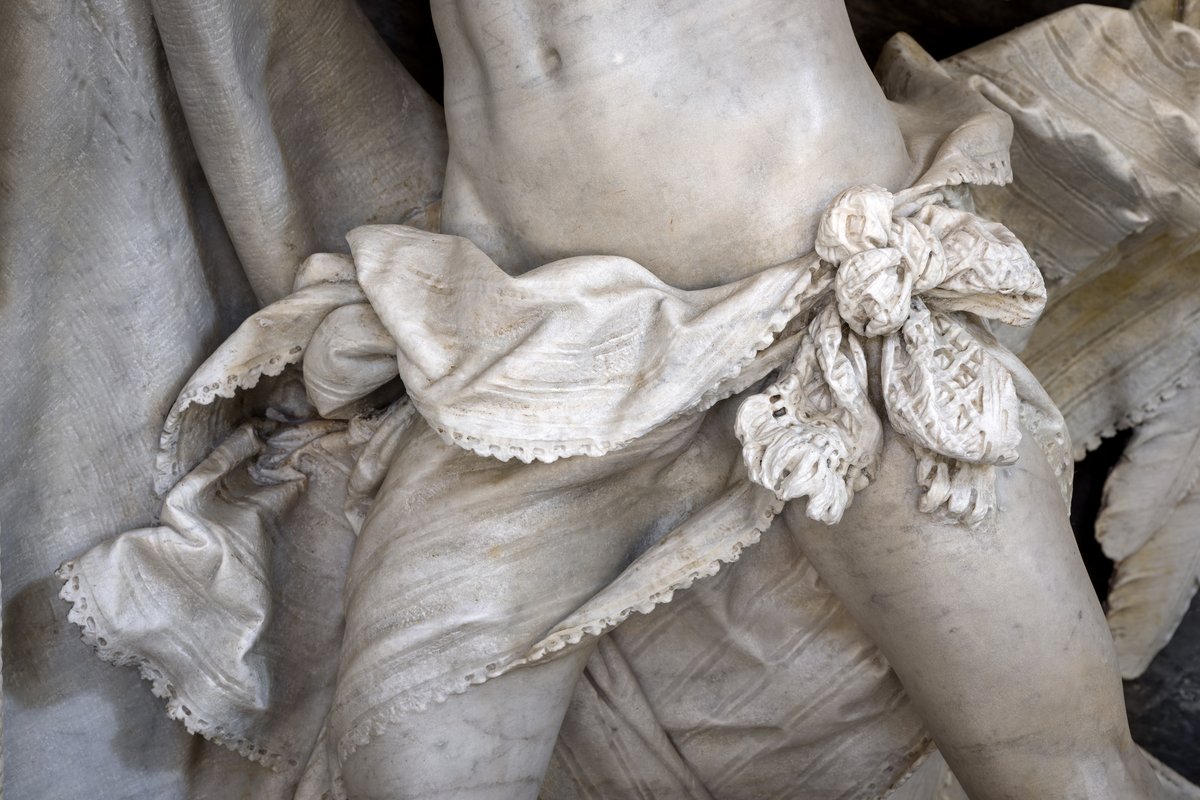
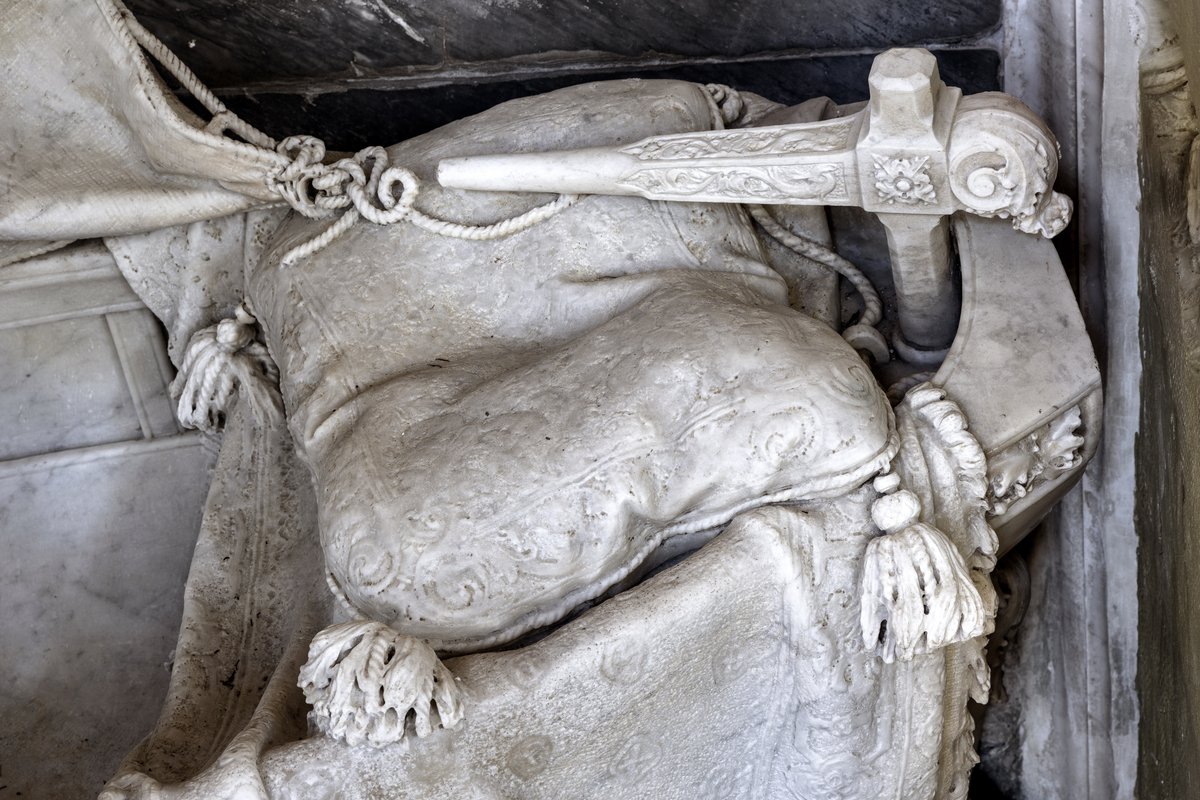
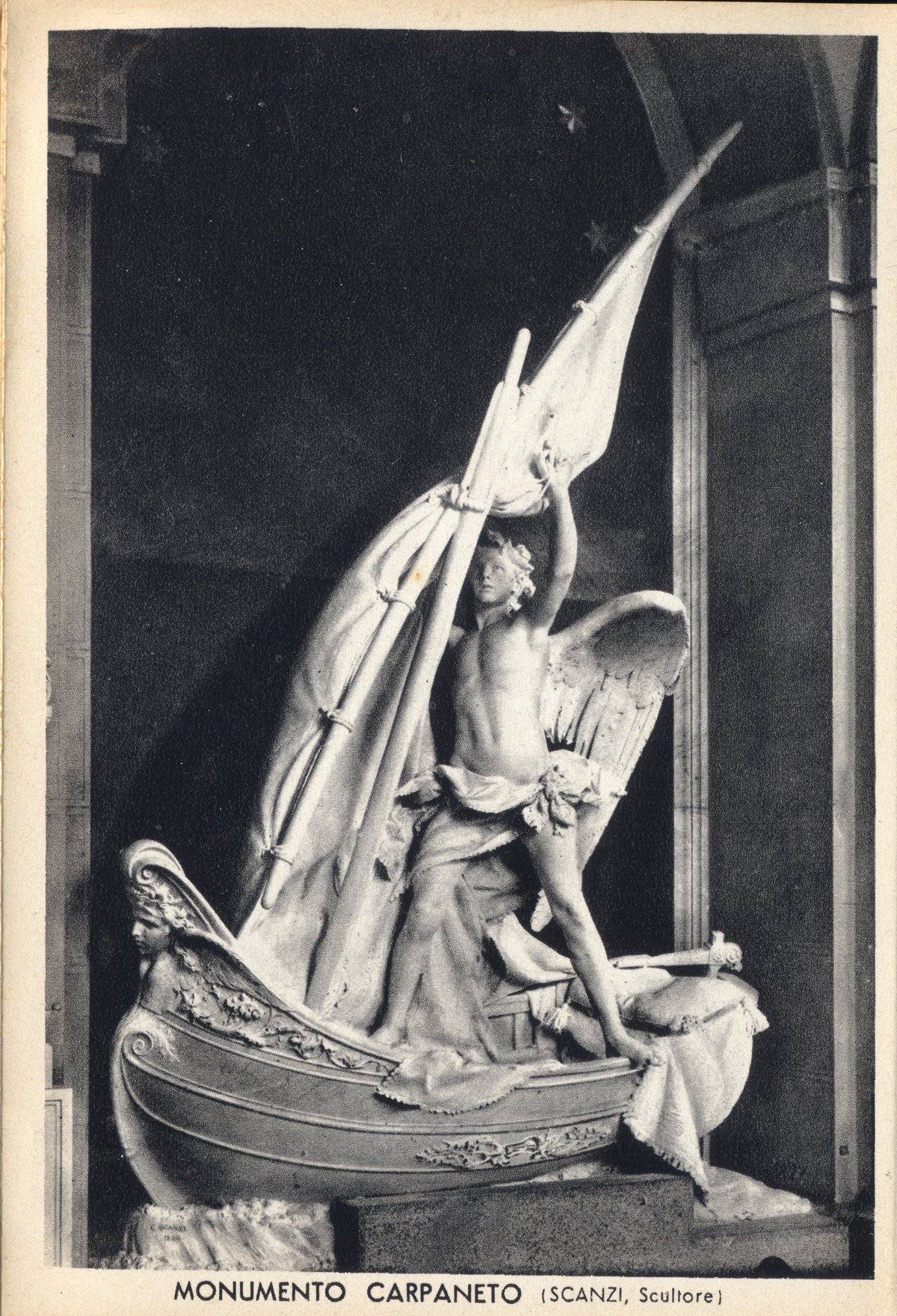
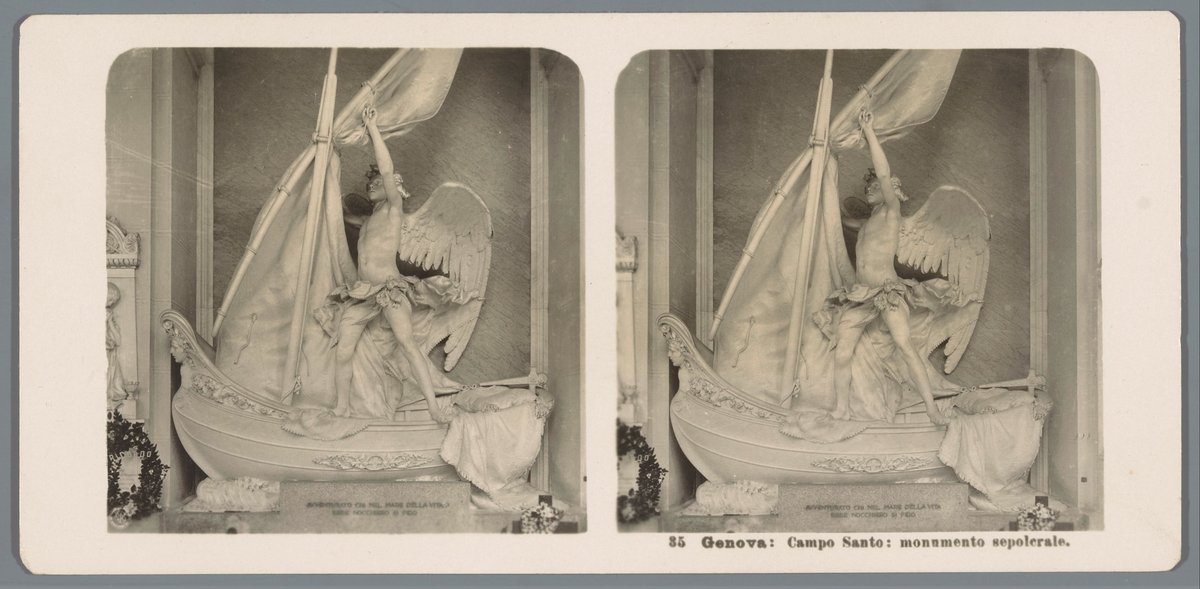
At the heart of the Carpaneto tomb is the sculpture "L’Angelo Nocchiero" by Giovanni Scanzi (1886). The Helmsman Angel embodies Symbolist themes—particularly the soul’s voyage across the sea of life, guided by hope and the promise of resurrection. Scanzi, already an acclaimed artist, used local carpenter Antonio Dellapiane as the model, infusing the work with realism and emotional depth. The angel’s dynamic pose, gripping a helm and trumpet, evokes the transition from earthly existence to spiritual eternity (Wikipedia: Angelo Nocchiero; Fdtxjr Blog).
Visiting Hours, Tickets, and Admission Information
Opening Hours
- Usual Hours Daily from 7:30 am to 5:00 pm (winter), extended to 6:00 pm in summer. Last admission is typically 30 minutes before closing.
- Public Holidays Hours may vary; always check the official website or call +39 010 5576400 for up-to-date information.
Tickets and Admission
- General Admission Free for individual visitors to the cemetery grounds.
- Guided Tours Tickets are required for guided tours, which offer expert insight into the Carpaneto tomb and other highlights. Proceeds support restoration and maintenance. Tours are available in Italian and English, generally at 10:00 am, 11:30 am, and 3:00 pm (Discover Genoa).
- Self-Guided Visits Maps and brochures are available at the entrance and online. Allow at least 2–3 hours to explore.
Accessibility and Travel Tips
Getting There
- By Bus Lines 34, 48, and 480 from the city center and Brignole station stop at "Staglieno/Cimitero."
- By Train Nearest station is Genova Brignole, followed by a short bus or taxi ride.
- By Car Paid parking is available near the entrance; spaces can be limited on weekends.
- On Foot The cemetery is accessible by a steep walk from nearby neighborhoods.
Accessibility
- Mobility Main paths are paved, but some areas (including around the Carpaneto tomb) have steps or uneven ground. Certain sections are wheelchair-accessible; contact the administration in advance for assistance.
- Facilities Restrooms and benches are available; staff at the information desk offer guidance and resources.
Practical Tips
- Dress Code Modest attire is required as the site is both an active cemetery and a cultural monument.
- Photography Non-flash photography is permitted for personal use. Professional shoots require prior permission.
- Weather Most of the cemetery is outdoors; bring sun protection, water, and an umbrella if needed.
- Duration Two to three hours are recommended for a comprehensive visit.
Nearby Attractions and Suggested Itineraries
After exploring Staglieno, consider visiting Genoa’s nearby attractions:
- Historic Old Town A UNESCO World Heritage site with palaces, churches, and narrow medieval streets.
- Porto Antico The historic harbor district with museums, shops, and restaurants.
- Palazzo Reale and Doge’s Palace Major landmarks of Genoa’s artistic and political history (Visit Genoa).
Within the cemetery, don’t miss:
- Oneto Family Monument Another Symbolist masterpiece.
- Pantheon The architectural heart of Staglieno.
- Statue of Faith A highlight on most guided tours.
The Carpaneto Tomb as a Cultural Icon
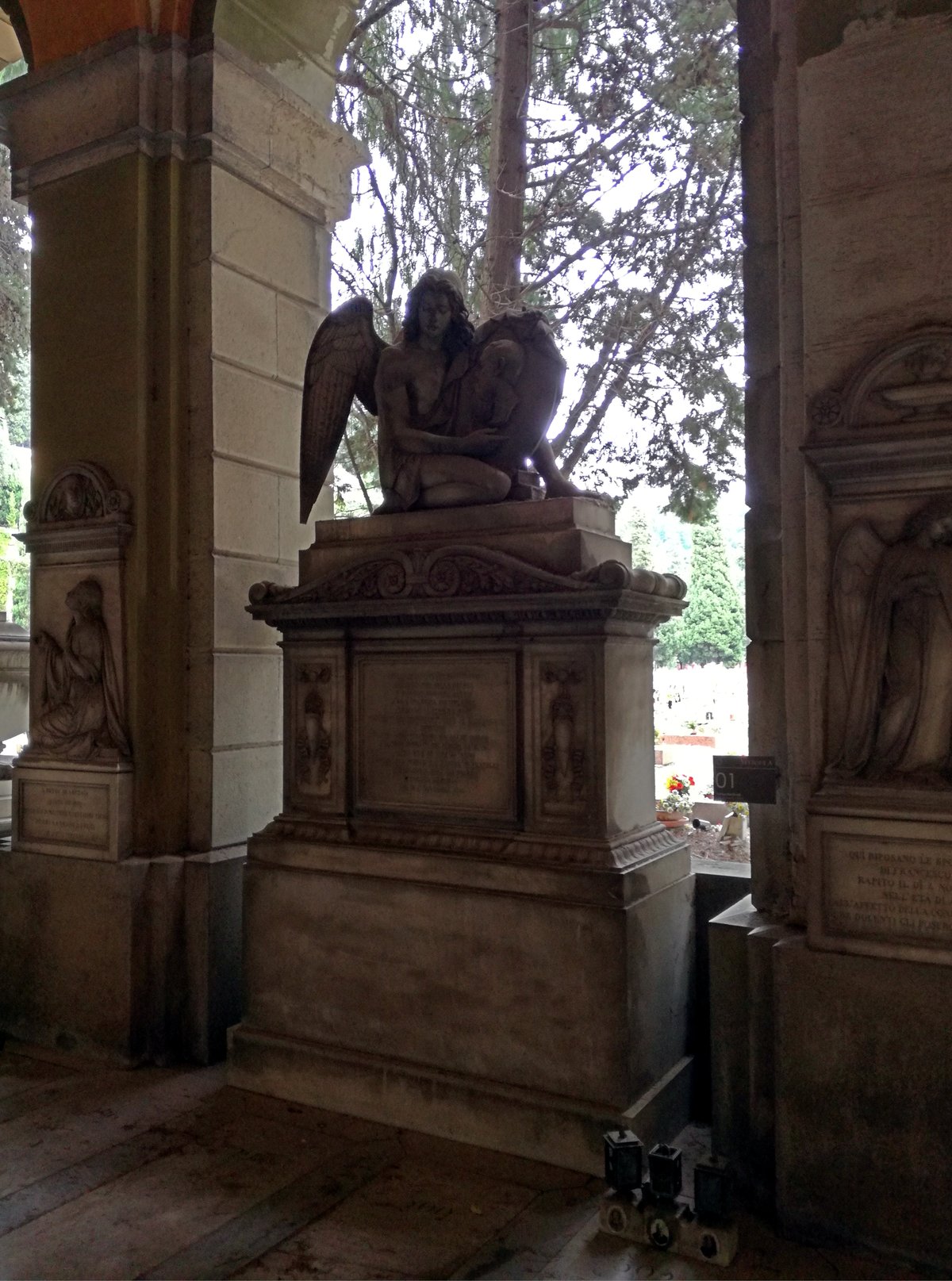
The Tomba Giacomo Carpaneto is widely regarded as one of Staglieno’s most emblematic monuments. Its powerful symbolism and artistic quality are frequently featured in official brochures and cultural itineraries. Empress Elisabeth of Austria’s admiration for the tomb during her 1893 visit is legendary, further cementing its status as a cultural landmark (Visit Genoa).
Preservation and Modern Significance
Ongoing restoration projects, supported by donations and ticket sales, have preserved the Carpaneto tomb and other works from environmental damage. Interactive maps, virtual tours, and detailed visitor materials enhance the educational experience, while conservation initiatives help maintain Staglieno’s status as Europe’s largest outdoor sculpture museum (Staglieno Comune di Genova; Fdtxjr Blog).
Frequently Asked Questions (FAQ)
Q: Are tickets required to visit the Tomba Giacomo Carpaneto?
A: Entry to the cemetery is free; tickets are only required for guided tours.
Q: What are the best times to visit?
A: Mornings are recommended, especially during scheduled guided tours, to avoid crowds and enjoy cooler temperatures.
Q: Is the site accessible for visitors with disabilities?
A: Some areas are accessible, but there are steps and uneven terrain near the tomb. Contact the administration in advance if assistance is needed.
Q: Can I take photographs?
A: Non-flash photography for personal use is allowed; professional photography requires permission.
Q: Are there amenities on site?
A: Restrooms, benches, and an information desk are available. No dedicated souvenir shop exists, but brochures and booklets can be purchased.