
Historical Context of Staglieno Cemetery and Tomba Polleri
The Monumental Cemetery of Staglieno, established in 1851, was a response to the 19th-century trend of creating grand cemeteries outside city limits for health and urban planning reasons (Ancient Origins). Designed by Carlo Barabino and completed by Giovanni Battista Resasco, Staglieno reflects both the Romantic movement and the influence of northern European garden cemeteries (Atlas Obscura; visitgenoa.it PDF).
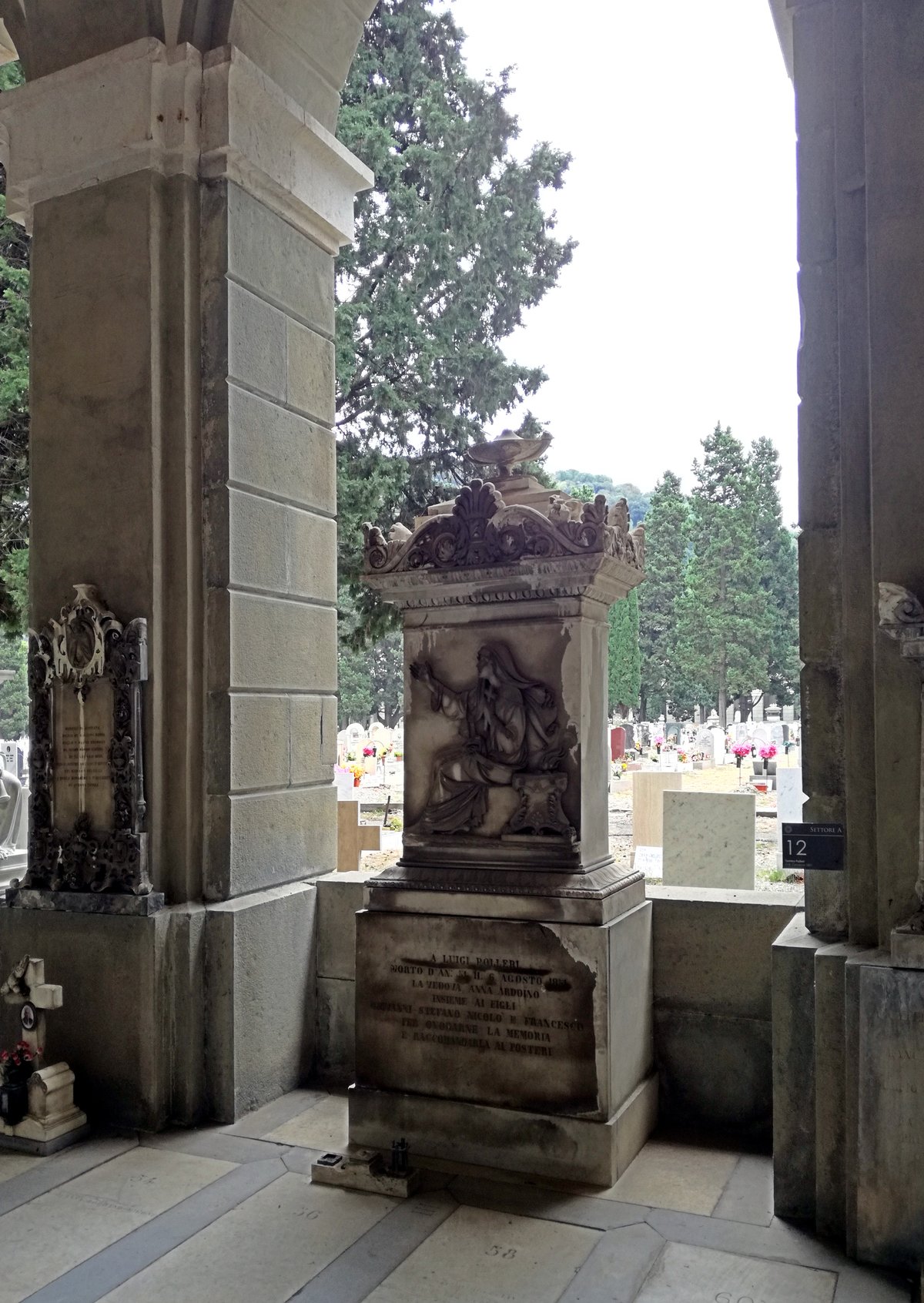
Tomba Polleri was commissioned by the Polleri family, one of Genoa’s prominent bourgeois dynasties. Their tomb encapsulates the values of commemoration and legacy that defined Genoese society during the 19th and early 20th centuries (Travel to Italy Guide). The structure’s location within Staglieno places it among the city’s most prestigious memorials.
Architectural and Artistic Highlights
Style and Symbolism
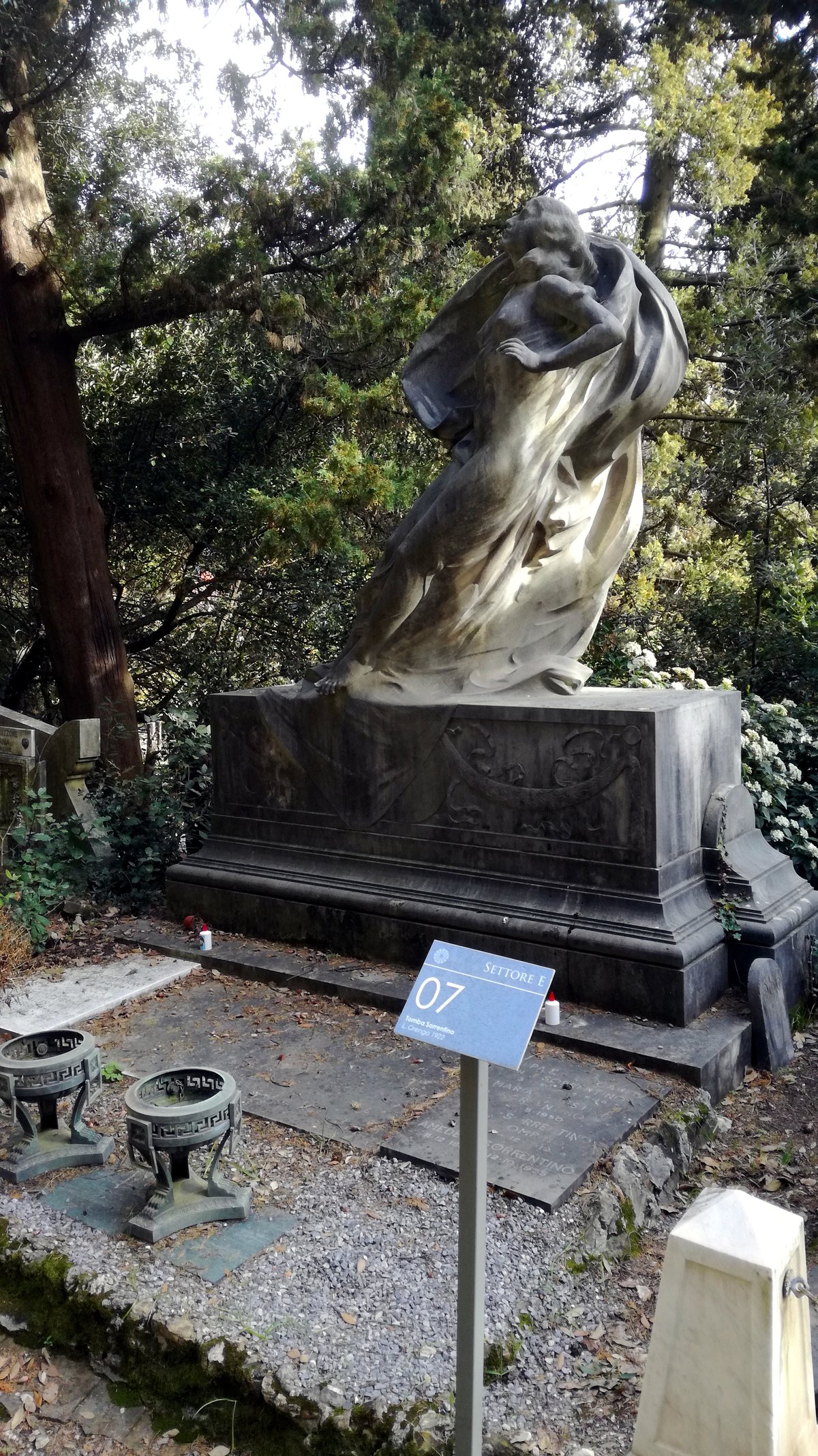
The Tomba Polleri exemplifies the blend of Neo-Classical and Realist styles that define Staglieno (visitgenoa.it PDF). Neo-Classical elements—columns, pediments, and harmonious proportions—convey dignity and permanence. Realist sculpture, a hallmark of Staglieno, adds emotional depth through lifelike figures, expressive postures, and intricate details.
Artistic Techniques
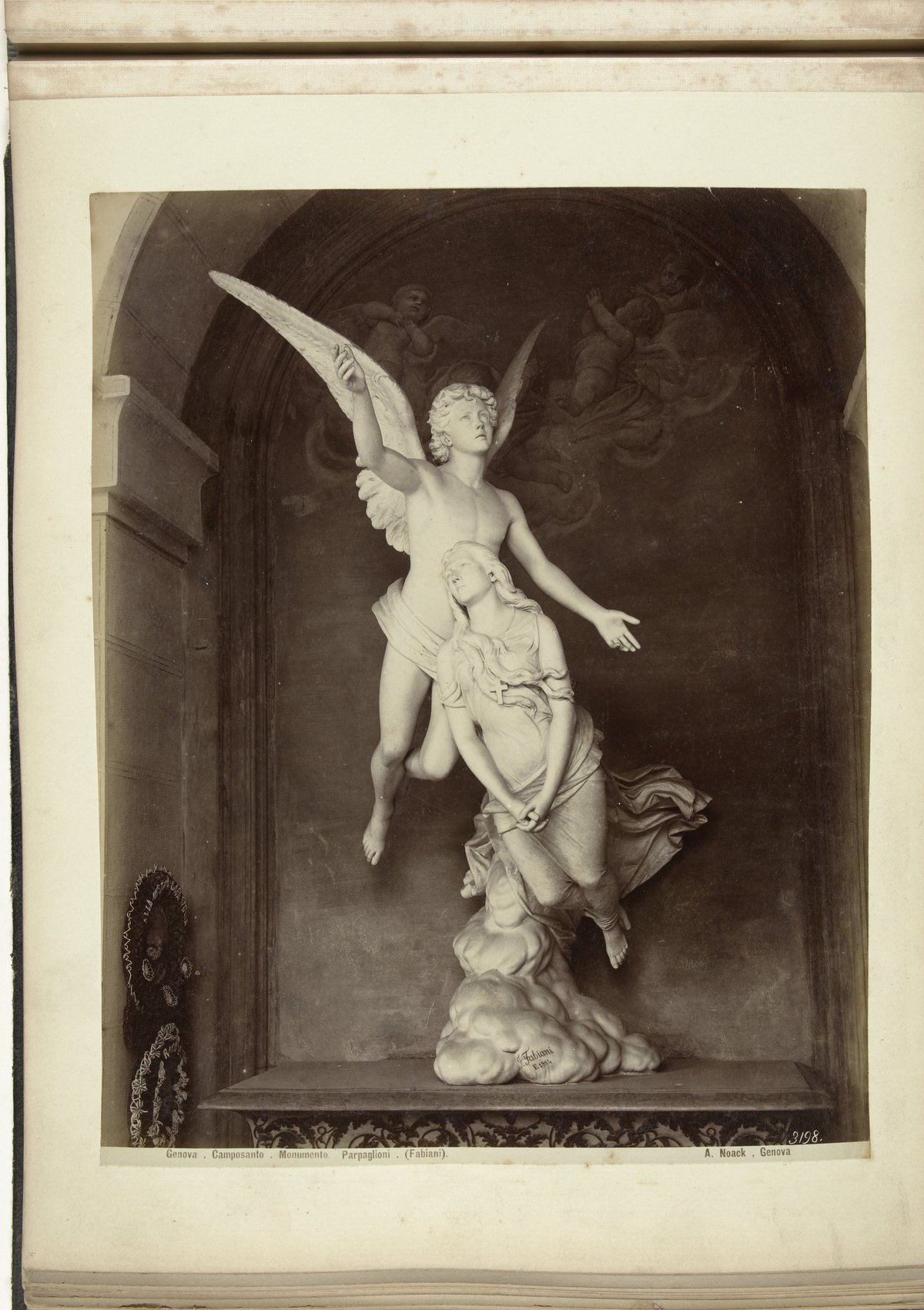
The tomb is crafted from white Carrara marble, a material favored for its luminosity and ability to capture fine detail. Symbolic motifs such as angels, laurel wreaths, lilies, and books communicate themes of remembrance, virtue, and mourning (visitgenoa.it PDF). While the specific sculptor remains unconfirmed, the craftsmanship reflects the standards set by renowned artists like Leonardo Bistolfi and Giulio Monteverde (Wikipedia).
Notable Figures and Family Significance
While the Polleri family may not have international fame, their social prominence in Genoa is reflected in the scale and artistry of their tomb (Visit Genoa). The cemetery also houses the graves of celebrated figures such as Giuseppe Mazzini, Fabrizio De André, and Constance Mary Lloyd Wilde, further highlighting the site's historical importance (discovergenoa.com).
Visiting Information: Hours, Tickets, and Accessibility
- Opening Hours Staglieno Cemetery is generally open daily from 7:30 AM to 5:00 PM. Hours may vary seasonally, so check the official Genoa tourism website before your visit.
- Tickets Entry is free. Guided tours may require advance booking and a fee (discovergenoa.com).
- Accessibility The cemetery features paved paths, terraced sections, and some stairs. Wheelchair access is limited due to historic terrain; inquire at the entrance for possible accommodations.
Getting There and Navigating the Cemetery
- Location Piazzale Resasco, Genoa, in the Bisagno valley north of the city center (PlanetWare).
- Public Transport Bus lines 34, 48, and 480 from the city center (including Genova Brignole station) stop at or near the main entrance.
- Parking Limited spaces are available; public transport is recommended (Discover Genoa).
- Maps Request a map at the main entrance to locate Tomba Polleri and plan your route. Guided tours (in Italian and sometimes English) are available and recommended for deeper insights.
Tips for Visitors
- Duration Allow at least 1–2 hours for a self-guided visit; guided tours last about 90 minutes.
- Footwear Wear comfortable shoes suitable for uneven terrain.
- Photography Permitted for personal use—please be discreet and respectful (wheresbenbeen.com).
- Weather Bring water, sun protection, and rain gear as needed.
- Etiquette Maintain respectful behavior; avoid loud conversation and do not touch or climb monuments.
Frequently Asked Questions (FAQs)
Q: What are the exact visiting hours for Tomba Polleri?
A: Typically 7:30 AM to 5:00 PM daily. Confirm on the official website.
Q: Is there an admission fee?
A: Entry is free; guided tours require a ticket.
Q: Are guided tours available in English?
A: Yes, but limited—book in advance.
Q: Is the site wheelchair accessible?
A: Accessibility is limited. Some main paths are accessible, but much of the terrain is uneven.
Q: Can I take photographs?
A: Yes, but be respectful of the environment and other visitors.
Nearby Attractions in Genoa
After your visit, explore other city highlights:
- Historic Center Visit Via Garibaldi and its UNESCO-listed palaces.
- Porto Antico The vibrant old port area.
- Palazzo Ducale Genoa’s grand ducal palace.
Public transport conveniently links Staglieno to these sites (PlanetWare).
Preservation and Cultural Importance
Staglieno and the Tomba Polleri are protected as cultural assets and maintained by the Municipality of Genoa (Comune di Genova). Their preservation ensures future generations can appreciate Genoa’s artistic achievements and evolving attitudes toward memory and commemoration (Atlas Obscura).
Plan Your Visit and Stay Informed
For the best experience, download the Audiala app for audio-guided tours and up-to-date visitor information. Explore our related articles to enrich your Genoa itinerary and follow us on social media for news and cultural events.