
Founding Vision
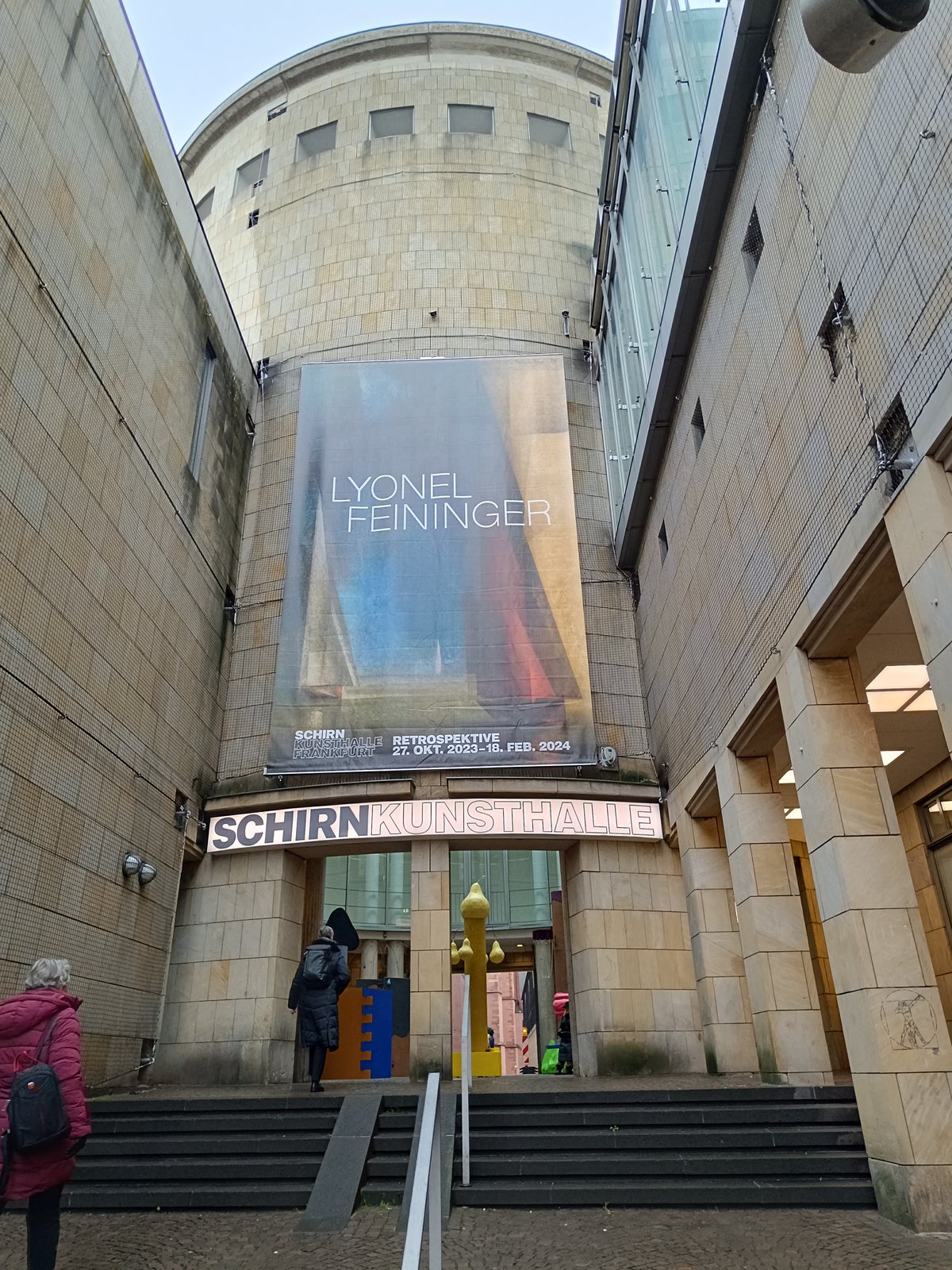
The Schirn Kunsthalle Frankfurt was inaugurated in 1986 as part of Frankfurt’s push to expand its cultural infrastructure. Hilmar Hoffmann, the city’s Cultural Commissioner, envisioned an open, inclusive space dedicated to “Culture for All.” This spirit shaped not only the Schirn but also the development of the Museumsufer, a cluster of museums along the River Main (Schirn Kunsthalle Frankfurt official site).
Leadership and Programming
The institution’s identity has evolved under several directors:
- Christoph Vitali (1986–1994) Established the Schirn’s international profile.
- Hellmut Seemann (1994–2001) Maintained independence through financial challenges.
- Max Hollein (2001–2016) Broadened the programming to embrace 19th/20th-century and contemporary art.
- Philipp Demandt (2016–2022) Highlighted underrepresented artists, notably women, and introduced innovative formats.
- Sebastian Baden (2022–present) Focuses on sustainability, diversity, and the intersection of art and social issues (Schirn Kunsthalle Frankfurt official site).
Name and Location
“Schirn” refers to open market stalls (“Schirnen” or “Schrannen”) that historically lined the area, reflecting the site’s medieval trading heritage. The current building sits along the city’s historic coronation route, bridging past and present (Schirn Kunsthalle Frankfurt official site).
Architectural Highlights
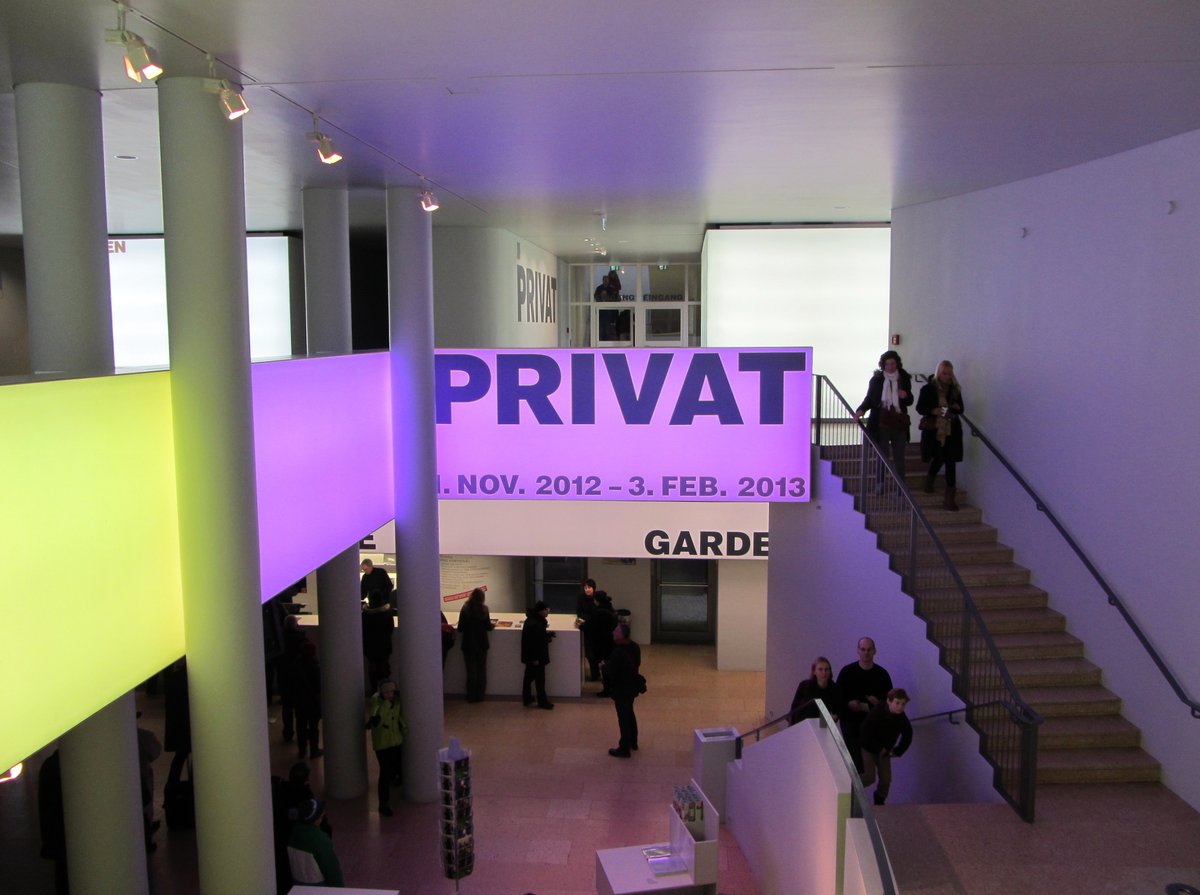
Designed by Bangert, Jansen, Scholz & Schultes, the Schirn’s minimalist sandstone architecture harmonizes with the surrounding old town. The building’s elongated structure (150 meters long) features a prominent Rotunda—a circular, light-filled public space used for performances and gatherings. The Schirn’s design is protected as a historical ensemble, underscoring its cultural value.
Sustainability Initiatives
The Schirn continually upgrades its infrastructure for energy efficiency, including LED lighting, improved climate control, and, from 2025, a major renovation with façade insulation, solar panels, and green roofing (Schirn Kunsthalle Frankfurt official site).
Visiting Information: Hours, Tickets, Accessibility
Regular Visiting Hours (Römerberg Location, until Summer 2025)
- Tuesday–Sunday 10:00 AM – 7:00 PM
- Wednesday & Thursday Extended hours until 10:00 PM
- Closed Mondays
- Last admission 30 minutes before closing (Schirn visiting information)
Ticket Prices
- Regular €14
- Reduced €9 (students, seniors, etc.)
- Children under 12 Free
- Family ticket €12
- MuseumsuferCard Free entry for one year to participating museums
- Vouchers Available in various denominations (Schirn ticket info)
Tickets can be purchased on-site or online (Schirn ticketing platform). Advance booking is recommended for popular exhibitions.
Accessibility
- Step-free access throughout the venue
- Wheelchair rental available free of charge
- Elevators and accessible restrooms
- Disabled parking spaces in Dom/Römer garage and Braubachstraße
- Service animals allowed
- Free entry for accompanying persons with documentation
- Staff assistance upon request (Schirn accessibility)
Family and Child-Friendly Facilities
- MINISCHIRN Creative learning lab for children (weekends and Wednesdays), free for children of exhibition visitors; “fan ticket” (€15 for three visits)
- Stroller-friendly with storage available (MINISCHIRN info)
Getting There
- Address Römerberg 6, 60311 Frankfurt am Main
- Public Transport U-Bahn lines U4, U5 (Dom/Römer), trams 11, 12, 14 (Paulskirche)
- By Car Parking in Dom/Römer garage; accessible spaces available
- For coaches Bus parking on Berliner Straße and Mainkai (Schirn directions)
Special Events & Guided Tours
- Guided tours (in German and English): Available for individuals and groups; book in advance for English tours (Schirn guided tours)
- Workshops, artist talks, family days, and interactive events are held regularly
- Café SCHIRNCAFÉ BY BADIAS offers refreshments on-site (Badias Café)
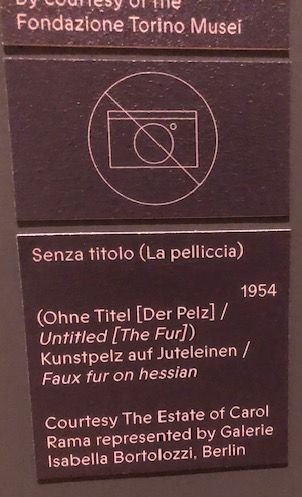
- Photography Non-flash photography generally permitted—check for restrictions on specific exhibitions
Temporary Relocation (2025–2027): Renovation & New Venue
Why Relocate?
From Summer 2025 to Spring 2027, the Schirn will close its Römerberg building for an extensive €35.6 million energy renovation, including façade upgrades, solar panels, and improved fire safety (Journal Frankfurt, Schirn Press Release).
Temporary Venue: Dondorf Printing Factory (Bockenheim)
- Address Gabriel-Riesser-Weg 3, 60487 Frankfurt am Main (Schirn relocation announcement)
- Visiting Hours Tuesday, Friday–Sunday: 10:00–19:00; Wednesday & Thursday: 10:00–22:00; last admission 30 minutes before closing (KRFRM)
- Tickets Prices vary by exhibition; reduced rates for students, disabled visitors, and refugees; children under 8 free
- Accessibility Barrier-free, wheelchair/stroller rental, accessible restrooms, assistance dogs allowed (Schirn Visit Info)
- MINISCHIRN Continues at the new location
- Badias Café On-site dining
Programming Highlights
- Final Exhibitions at Römerberg (Spring 2025)
- “TROIKA: Immersive Installation” (Mar 7–Apr 21)
- “BODY AND BUILDING” (Mar 28–30)
- SCHIRN AT NIGHT Farewell Party (Apr 30)
- Bockenheim Opening
- Inaugural performance by Sasha Waltz & Guests
- Exhibitions by Stephanie Comilang, Suzanne Duchamp, Bárbara Wagner & Benjamin de Burca, and Thomas Bayrle
Nearby Attractions
- Frankfurt Cathedral (Dom) Adjacent to the Schirn
- Römer Medieval city hall
- Neue Altstadt Newly reconstructed historic district
- Museumsufer Home to 12 museums, including Städel Museum and Liebieghaus
Visitor Tips & FAQs
Q: What are the Schirn Kunsthalle Frankfurt visiting hours?
A: Tuesday, Friday–Sunday 10:00–19:00; Wednesday & Thursday 10:00–22:00; closed Mondays.
Q: How do I buy tickets?
A: Online via Schirn ticketing platform or at the venue.
Q: Is the venue accessible?
A: Yes, at both the main building and the temporary Bockenheim venue.
Q: Are guided tours available?
A: Yes, including options in German sign language and easy language upon request.
Q: Are children admitted free?
A: Yes, children under 8 (at Bockenheim) and under 12 (at Römerberg) have free admission.
Q: Can I take photos inside?
A: Non-flash photography is permitted in most areas, unless otherwise indicated.