
Historical Development and Cultural Significance
Origins and Evolution
Founded in 1881, the Museum Für Angewandte Kunst Frankfurt was established during a period of growing appreciation for applied and decorative arts in Germany. Its mission has always been to connect art with daily life, a vision that continues to guide its exhibitions and programming. The museum’s collections have expanded over time, now encompassing diverse objects from Europe, Asia, and the Islamic world. Key highlights include rare ceramics from the Ming and Qing dynasties, Islamic metalwork, and significant examples from the Bauhaus and Art Deco movements.
Restoration after World War II, followed by a focus on internationalism and dialogue between cultures, has allowed the museum to develop into a vibrant center for design and applied arts. Its philosophy is encapsulated in the “Elementarteile” (Elementary Parts) section, which juxtaposes artifacts from different eras and cultures, sparking conversations about the universality and diversity of human creativity.
Collection Highlights
- European Applied Arts Ceramics, glass, silver and goldsmithing, enamel, furniture, and textiles from the Middle Ages to the 21st century.
- Asian Collection Chinese ceramics, Japanese paintings, Buddhist sculptures, East Asian lacquer, Iranian metalwork and textiles.
- Book and Graphic Art Illuminated manuscripts, artists’ books, posters, and engravings.
- Design 20th- and 21st-century industrial design, including furniture and tableware.
- Icon Museum Icons from Russian, post-Byzantine, Italo-Cretan, Romanian, and Ethiopian traditions.
- Fashion and Performative Arts Contemporary explorations of clothing, identity, and culture.
Curatorial highlights include interactive and cross-cultural exhibitions that address sustainability, digital culture, and evolving design paradigms (Museum Angewandte Kunst – Collections).
Architectural Significance
The Richard Meier Building
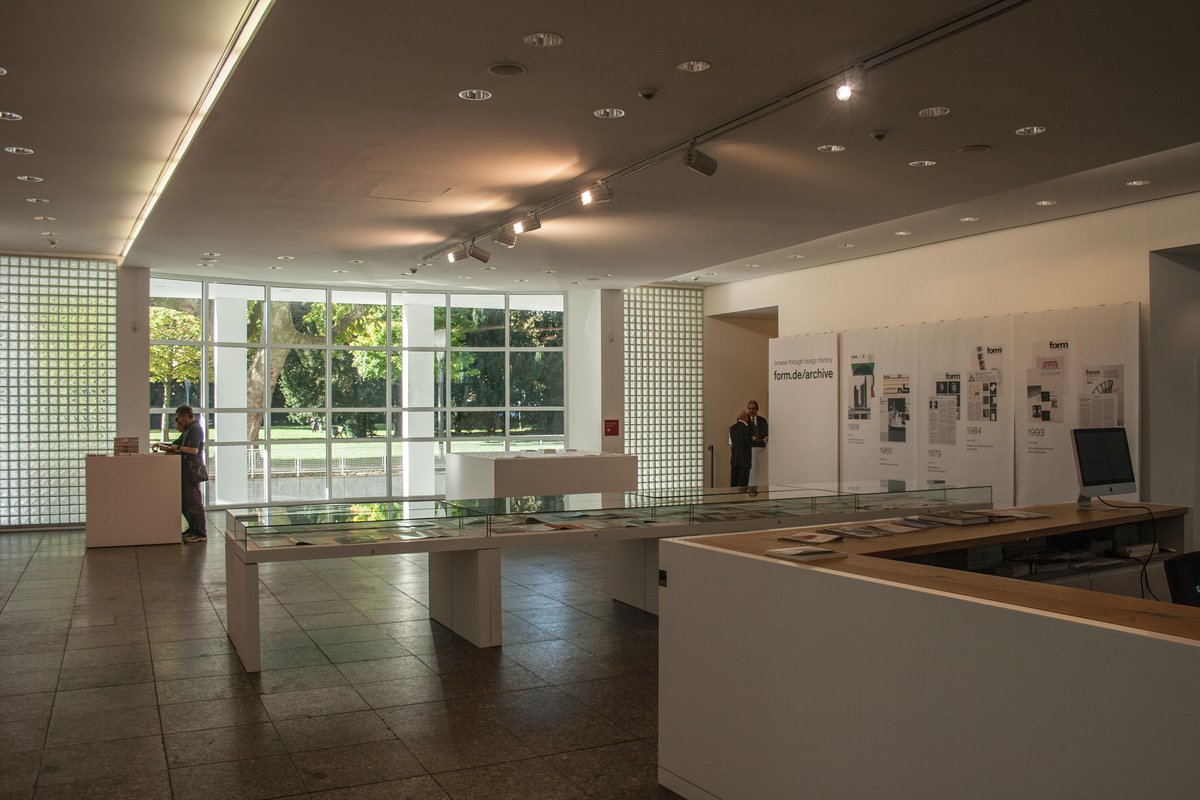
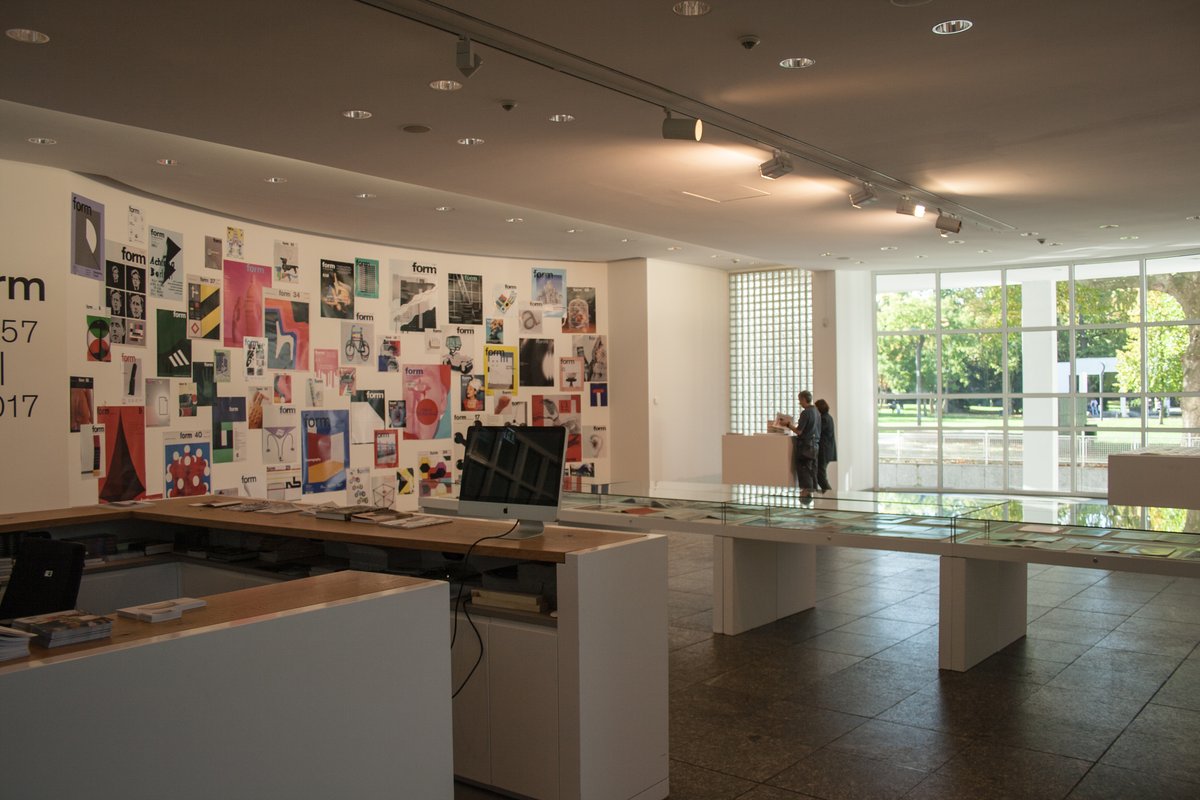
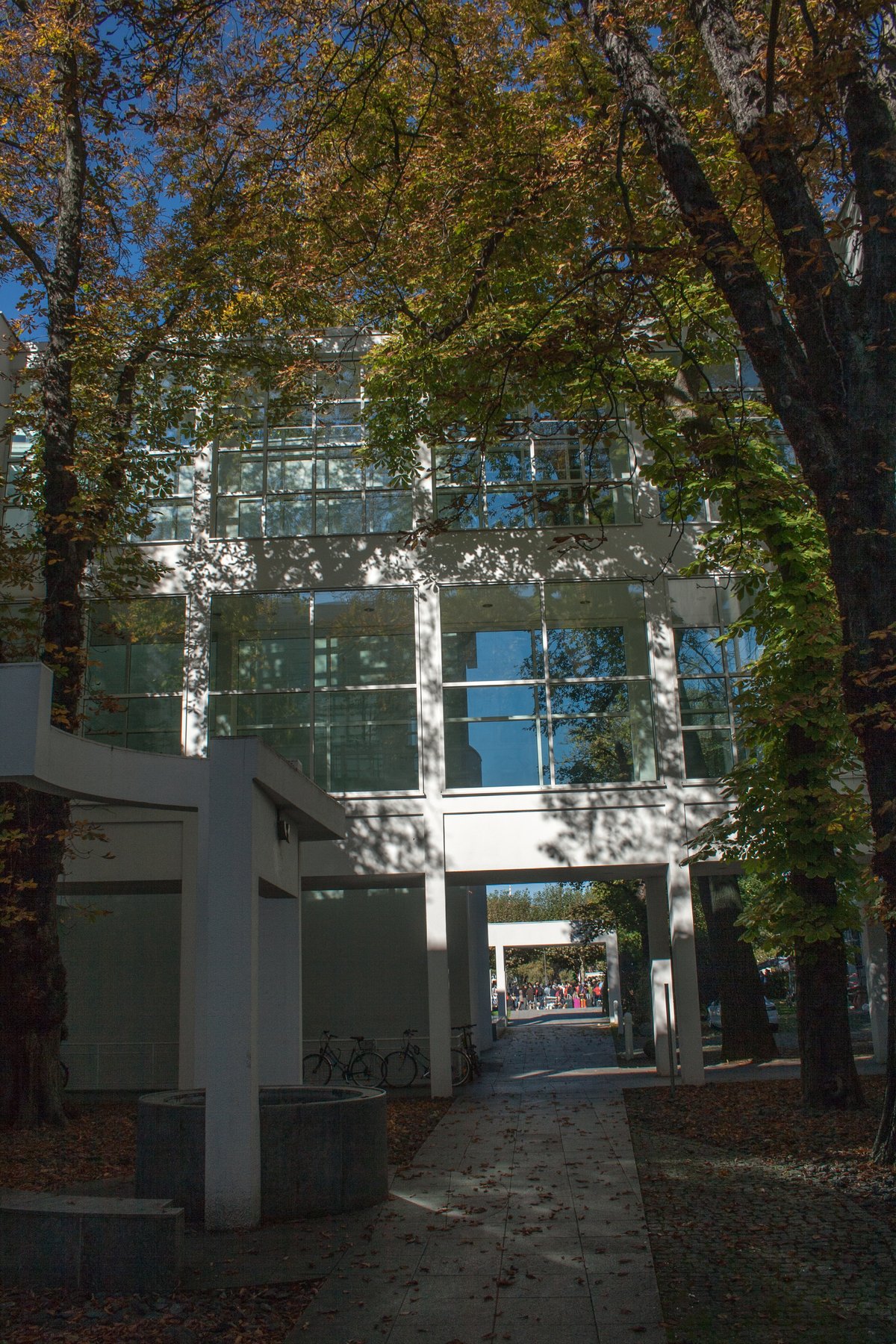
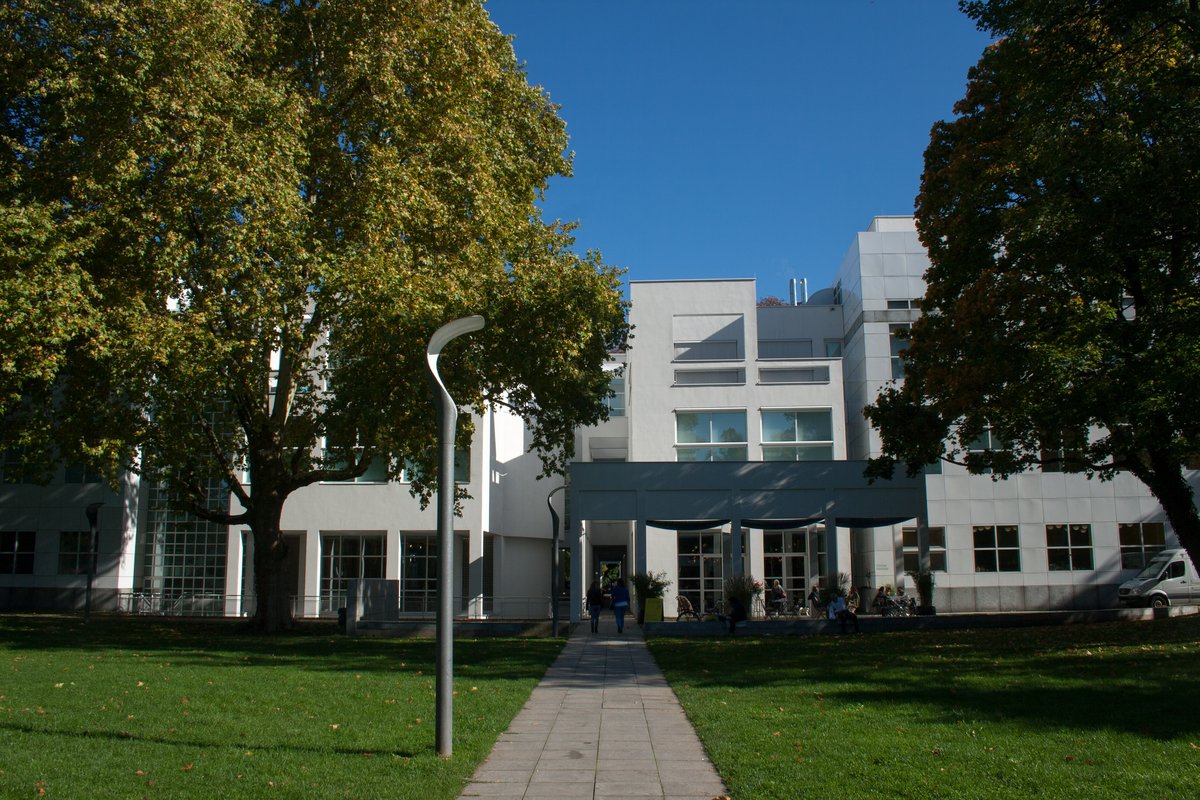
Completed in 1985, the museum’s main building is a hallmark of postmodern architecture, designed by Richard Meier. The structure’s white façade, geometric clarity, and abundant natural light offer a contemporary counterpoint to the adjacent 19th-century Villa Metzler. This architectural ensemble underscores the museum’s commitment to bridging tradition and innovation (architectuul.com).
Gardens and Outdoor Initiatives
The museum’s landscaped gardens, home to urban beehives managed by the Frankfurt artist collective “finger,” reflect its dedication to ecological responsibility and community engagement.
Accessibility
The museum is fully accessible, with wide corridors, elevators, and barrier-free entrances. All public spaces, including restrooms and café, are wheelchair-friendly. Staff are available for assistance, and guide dogs are welcome. The museum also holds the “Reisen für Alle” certification for accessibility (museumangewandtekunst.de).
Essential Visitor Information
Location and Getting There
- Address Schaumainkai 17, 60594 Frankfurt am Main, Germany (museumangewandtekunst.de)
- Public Transport Tram lines 15, 16, and 19 stop at “Schweizer Straße”; the S-Bahn “Frankfurt (Main) Südbahnhof” is a 10-minute walk away.
- Parking Limited street parking and nearby garages; public transport is recommended.
- Bicycle Access Bicycle-friendly with racks at the entrance.
Opening Hours (as of June 2025)
- Tuesday to Sunday 10:00 AM – 6:00 PM
- Closed Mondays
- Extended or special hours may apply during holidays or events. Always check the official website before your visit.
Ticket Prices
- Standard Admission €12
- Reduced Admission €6 (students, seniors, groups)
- Children under 18 Free
- Family tickets and group rates available
- MuseumsuferCard Offers unlimited access to over 30 museums in Frankfurt (Frankfurt-Tipp)
- Tickets can be purchased online or at the entrance.
Visitor Amenities
- Cloakroom and Lockers Available for coats, bags, and umbrellas.
- Restrooms and Baby Facilities Located on each floor.
- Wi-Fi and Digital Resources Free Wi-Fi and digital guides; tablets available for loan.
- Museum Shop Design objects, books, catalogues, and gifts.
- Restaurant Emma Metzler Regional and seasonal cuisine with terrace seating (museumangewandtekunst.de).
Exhibition Experience
Permanent Exhibitions
- Elementary Parts: From the Collections Cross-cultural highlights from 5,000 years of applied arts.
- Stylerooms Immersive historical interiors.
- Richard Meier: A Style Room & Dieter Rams: A Style Room Celebrating iconic 20th-century designers.
- The Frankfurt Kitchen The pioneering 1920s ergonomic kitchen.
- New Museum for Bees Exploring sustainability through design.
Temporary and Upcoming Exhibitions (2025–2026)
- 100 Years of The New Frankfurt Celebrating the New Frankfurt urban planning movement (rheinmainkultur.de).
- Text & Spirit Illuminated manuscripts in the digital age (March–June 2025).
- A Floating World Japanese art focused on impermanence (Jan–Apr 2025).
- Jazzklub Frankfurt 2025 Concerts and exhibits on jazz history (Sep–Dec 2025).
- 亞歐堂 meet asian art: Der Erwachte Buddhist visual culture (until Nov 2025).
- Die dunkle Seite Roms Roman-era skeletons (until Aug 2025).
- New Realities Contemporary design perspectives (until Jan 2026).
Refer to the exhibitions page for details.
Guided Tours, Education, and Family Activities
- Guided Tours Daily tours in German and English; special curator-led tours available.
- Group and School Bookings Private tours and workshops for groups and educational institutions.
- Children’s Activities Family days, creative workshops, and interactive stations.
- Stroller Access and Quiet Spaces Stroller-friendly facilities and quiet areas for families.
- Workshops Regular activities for all ages, often linked to current exhibitions (museumangewandtekunst.de).
Visitor Comfort, Safety, and Sustainability
- Climate Control Year-round comfort.
- Security On-site staff and surveillance.
- First Aid Available on-site.
- Green Initiatives Energy-efficient lighting, recycling, and eco-conscious materials.
- Inclusive Programming Events and exhibitions for diverse audiences.
Multilingual Support
- Exhibition Labels Most in German and English.
- Audio Guides Available in English, German, and often French or Japanese.
- Staff Many are English-speaking and ready to assist international guests.
Nearby Attractions
- Museumsufer Städel Museum, Liebieghaus, Deutsches Architekturmuseum, and more.
- Frankfurt Old Town (Römerberg) A short walk away.
- Main River Promenade Ideal for scenic walks.
Practical Tips for Your Visit
- Plan Ahead Check hours, exhibitions, and ticket options (museumangewandtekunst.de).
- Visit on Weekdays Mornings are quieter than weekends or event days.
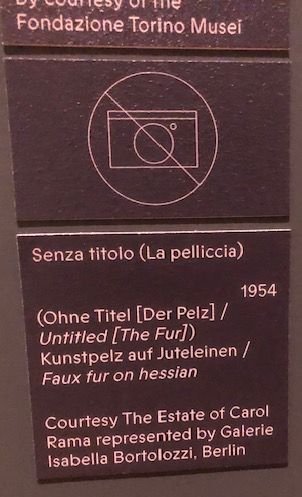
- Photography Permitted in most areas (no flash); some exhibitions may restrict it.
- Duration Allow 2–3 hours for a complete experience.
- COVID-19 Updates Check the website for current health protocols.
Frequently Asked Questions (FAQ)
Q: What are the Museum Für Angewandte Kunst Frankfurt’s visiting hours?
A: Tuesday–Sunday, 10:00–18:00; closed Mondays. Check for special hours on holidays.
Q: How much are tickets?
A: Standard admission is €12; reduced €6; children under 18 are free.
Q: Is the museum accessible for wheelchair users?
A: Yes, with elevators, barrier-free entrances, and accessible restrooms.
Q: Are guided tours available in English?
A: Yes, book in advance for English-language tours.
Q: Can I take photographs inside?
A: Non-flash photography is generally allowed; follow exhibition signage.
Q: What other attractions are nearby?
A: The museum is part of Museumsufer, close to other major museums and Frankfurt’s Old Town.