Why Visit Osthafen?
Osthafen is a remarkable destination for anyone interested in the fusion of history, urban redevelopment, and cultural vibrancy. The area’s evolution from a medieval trading hub to a modern logistics center is reflected in its architecture and public spaces. Here, you’ll find a unique riverside atmosphere, industrial landmarks, contemporary residential developments, and green parks—all set against Frankfurt’s iconic skyline.
Whether you’re strolling along the harbor, attending lively festivals, or enjoying culinary delights at waterside venues, Osthafen offers a dynamic experience that encapsulates the spirit of Frankfurt’s Ostend district.
Visiting Hours, Tickets, and Accessibility
- Public Areas Osthafenpark, Hafenpark, and the riverside promenade are open daily from dawn until dusk. Entry is free.
- Restaurants & Rooftop Bars OOSTEN is open Tuesday–Friday 17:00–23:00, Saturday 10:00–23:00, Sunday/holidays 10:00–22:00. Reservations recommended.
- Festivals & Events Major events like the Osthafen-Festival usually take place in July and offer free general admission. Tickets may be required for select tours or activities.
- Guided Tours Available seasonally or during festivals, some with modest fees. Book online or at local visitor centers.
- Accessibility The area is largely wheelchair- and stroller-friendly, with paved paths, ramps, and accessible restrooms in public parks and at OOSTEN.
Getting There and Travel Tips
- Public Transport S-Bahn to Ostendstraße, U-Bahn to Ostbahnhof, or tram lines 11/14 to Ostbahnhof/Sonnemannstraße. All are a short walk from Osthafen (OOSTEN Frankfurt).
- By Car Parking is limited; options include VHS Underground Parking (Sonnemannstraße 13) and Scandic Hotel Parkhaus (Eytelweinstraße 1).
- Cycling Dedicated bike paths connect Osthafen with the wider city.
- Best Time to Visit Spring through autumn for outdoor activities and festivals; sunset hours for stunning views.
History and Urban Development
Frankfurter Osthafen has been central to the city’s economic and social fabric for over a century. While the area’s river trade dates to the 12th century, the harbor officially opened in 1912 to meet the needs of a modernizing, industrial city. The port expanded rapidly, survived wartime disruptions, and adapted to technological advances like containerization (introduced in 1986).
Today, Osthafen serves as a trimodal logistics hub, connecting waterways, rail, and road, and supporting a diverse range of industries. Urban regeneration projects have preserved historic quays and warehouses while introducing new residential towers, public parks, and cultural venues. (herzogdemeuron.com)
Top Attractions and Activities
Osthafenpark
An urban oasis with wildflower meadows, playgrounds, skatepark, and walking and cycling paths. Perfect for families, joggers, and picnics. (Komoot Highlight)
Riverside Promenade
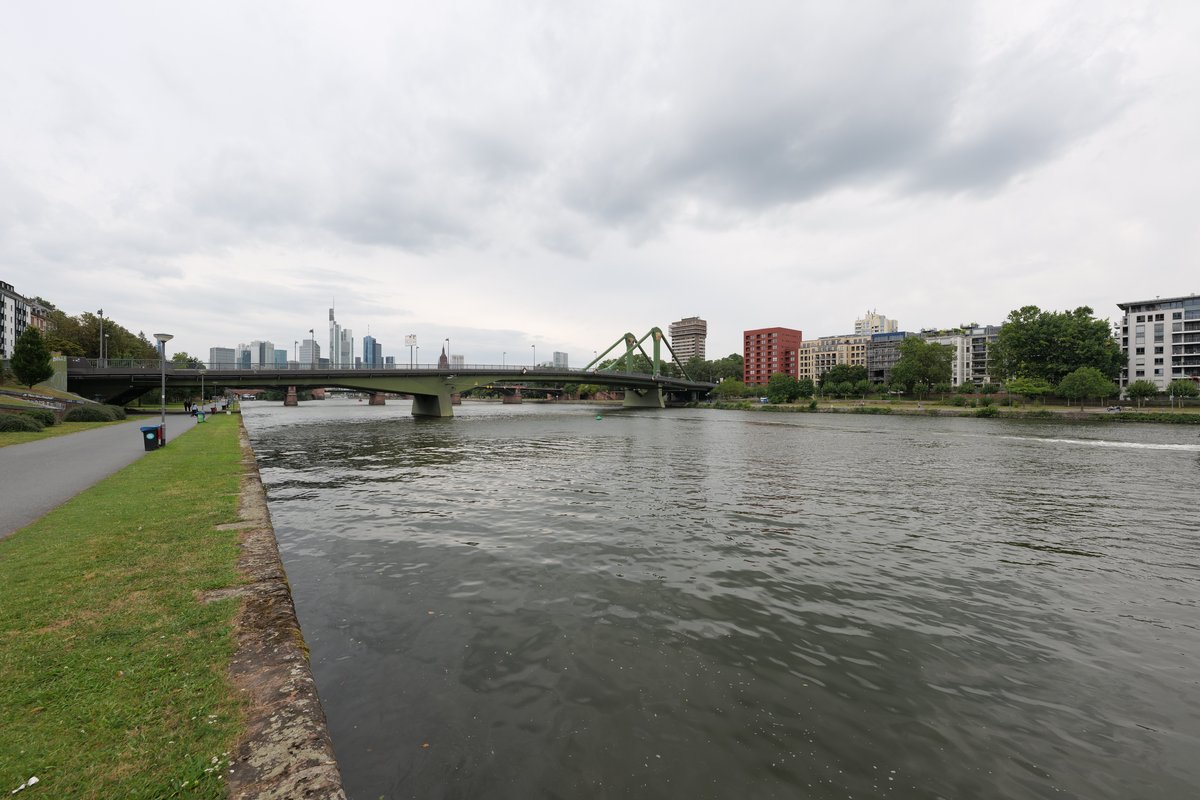
Stroll or bike along the Main for panoramic city views. Key landmarks include the Deutschherrn- and Honsellbrücke bridges, both excellent for photos.
OOSTEN Restaurant and Rooftop Bar
A striking riverside venue offering Mediterranean-inspired cuisine, craft drinks, and sweeping views. Rooftop seating is especially popular at sunset. (OOSTEN Frankfurt)
Harbor Heritage
Explore preserved industrial architecture and learn about river trade history via self-guided walks or guided tours.
Art and Nightlife
Galleries, pop-up exhibitions, and music events animate the district, especially during festivals. (Wandering Wheatleys)
Events and Guided Tours
- Osthafen-Festival Frankfurt’s signature summer event, turning the harbor into a lively cultural zone with live music, family activities, street food, and boat tours. (Osthafen-Festival)
- Flohmarkt Osthafen A riverside flea market for antiques, vintage finds, and local crafts. (Trip.com)
- Guided Tours On foot, by boat, or historic train during major events—offering in-depth perspectives on Osthafen’s transformation.
Nearby Attractions
- Frankfurt Zoo Family-friendly, a short walk from Osthafen. (Wandering Wheatleys)
- European Central Bank Modern architecture landmark nearby.
- Museumsufer The city’s famed museum embankment, accessible by tram or bike. (Nomadic Matt)
- Altstadt (Old Town) Historic city center, easily reached by tram or a stroll along the river.
Visitor FAQs
Q: Is there an entry fee to visit Osthafen?
A: No, access to public areas and most events is free; tickets may be required for special tours or activities.
Q: Are there guided tours?
A: Yes, available seasonally and during festivals. Book in advance for popular dates.
Q: Is the area accessible for people with disabilities?
A: Most public spaces are wheelchair-friendly; check event specifics for accessibility.
Q: When is the best time to visit?
A: Spring and summer are busiest and most vibrant, but autumn offers beauty with fewer crowds.
Q: Can I bring my dog?
A: Dogs are welcome in parks and promenades but must be leashed.
Insider Recommendations
- Sunsets at OOSTEN Arrive early for a terrace seat and unparalleled skyline views.
- Festivals Don’t miss the Osthafen-Festival in July for music, food, and arts.
- Wildflower Meadows Visit in late spring for peak blooms in Osthafenpark.
- Photography Early morning and late afternoon provide the best natural light.
- Combine with a City Walk Follow the Main from Osthafen toward Frankfurt’s city center, passing several scenic districts.