
Origins and Historical Development
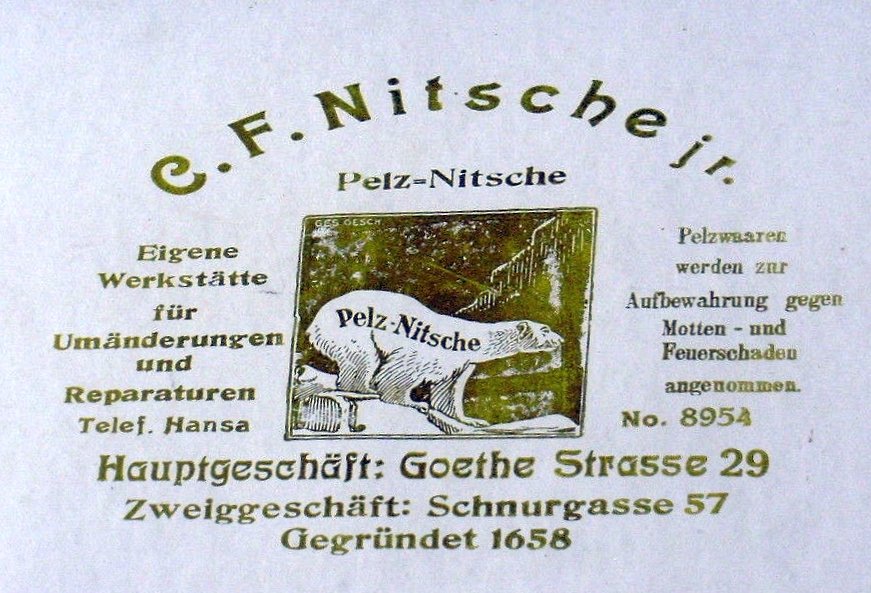
Goethestraße was conceived in the late 19th century amidst a period of dynamic urban transformation in Frankfurt. Its official layout in 1892 marked a pivotal step in the city’s post-medieval expansion, following the removal of the old city walls. Named after Goethe, this street was envisioned as a prestigious address, and its early years witnessed the rise of stately Wilhelminian buildings and the influx of affluent residents and businesses.
The architectural splendor of Goethestraße set the foundation for its longstanding association with opulence and exclusivity. Despite the devastation of World War II, restoration efforts preserved its character, ensuring the avenue remains a symbol of Frankfurt’s resilience and ambition (en.wikipedia.org).
Urban Context and Architectural Character
Strategically located in Frankfurt’s Innenstadt, Goethestraße runs parallel to the bustling Zeil, connecting Opernplatz (Opera Square) and Goetheplatz. Though just under 300 meters in length, it is renowned for its impact and elegance.
The street’s architecture showcases a harmonious blend of restored Wilhelminian facades and sleek modern storefronts. Notable buildings include:
- Goethestraße 12 Neobaroque commercial masterpiece from 1894.
- Goethestraße 10 A 1905 structure marrying neobaroque and Jugendstil motifs.
- Horst-Lippmann-Platz Corner House Postwar urban landmark from 1954 (de.wikipedia.org).
These buildings, some reconstructed after WWII, highlight the street’s commitment to architectural preservation while accommodating contemporary retail needs.
Economic and Social Significance
Goethestraße stands as Frankfurt’s premier luxury shopping destination, drawing flagship boutiques from brands such as Gucci, Prada, Louis Vuitton, Chanel, Dior, Cartier, Hermès, Bulgari, and Tiffany & Co. (Best Frankfurt Shopping). The concentration of international luxury labels has elevated the street’s reputation on par with Paris’s Avenue Montaigne and London’s Bond Street.
The street’s prestige not only enhances its retail appeal but also contributes to the city’s economic vitality and cosmopolitan image. Goethestraße’s clientele ranges from local elites to international tourists, fostering an exclusive, refined atmosphere (Visit Frankfurt).
Integration with Frankfurt’s Urban Life
Goethestraße benefits from its proximity to cultural and commercial hubs. While Zeil offers high-street shopping, Goethestraße is the domain of luxury, discretion, and personalized service. The area is easily accessed by public transportation, with Hauptwache and Alte Oper U-Bahn stations nearby, and is within walking distance of renowned sites such as the Alte Oper concert hall, Museum Embankment, and the Goethe House (The Frankfurt Edit).
Visiting Hours and Entry Information
- Public Access Goethestraße is an open public street accessible 24/7—no tickets or entry fees required.
- Boutique Hours Most luxury stores are open Monday to Saturday, generally from 10:00 to 19:00 or 20:00. Sunday openings are rare except during festive events.
- Nearby Attractions The Goethe House museum is open daily except Mondays (typically 10:00–18:00). Guided tours of historical sites require tickets, usually priced between €8–€12 (Best Frankfurt Shopping).
Events, Tours, and Photographic Highlights
Goethestraße and its environs host a range of special events and highlight experiences:
- Seasonal Displays The Christmas season features elaborate window decorations and festive lighting.
- Cultural Festivals Events like the Opera Square Festival and Frankfurt Book Fair animate the area (Visit Frankfurt).
- Guided Tours Walking tours covering Goethestraße, Goethe House, and surrounding historical sites are available through local companies.
- Photographic Opportunities The ornate facades, luxury storefronts, and lively urban scenes provide compelling photo subjects.
Preservation and Modernization
Despite wartime destruction, many original buildings on Goethestraße have been meticulously restored or reconstructed. The street balances preservation of its historic facades with modernized interiors and infrastructure, ensuring ongoing relevance for both retailers and visitors. This careful blend of old and new is a defining feature of Goethestraße, reflecting Frankfurt’s broader approach to urban development (de.wikipedia.org).
Cultural Resonance and Symbolism
Goethestraße’s dedication to Johann Wolfgang von Goethe imbues it with cultural depth. The nearby Goethe-Denkmal (monument) at Goetheplatz and the Goethe House museum allow visitors to engage with the city’s literary legacy. The presence of jazz venues such as the Jazzkeller and public art installations further enrich the street’s cultural landscape (worldcitytrail.com).
Practical Tips for Visitors
- Dress Code No formal requirements, but smart attire aligns with the street’s luxury ambiance.
- Payment Major credit cards and mobile payments are widely accepted. Non-EU shoppers can benefit from tax-free refunds.
- Accessibility Wide pavements and step-free entrances make the street and most boutiques wheelchair friendly. Parking garages nearby offer accessible facilities.
- Safety Goethestraße is a safe, well-patrolled area, but standard precautions are advised.
- Photography Street and exterior photography is welcome; always request permission before photographing inside boutiques.
- Best Times to Visit Early mornings offer a quieter experience; festive seasons bring vibrant displays and events.
- Nearby Dining Explore nearby cafes on Opernplatz or gourmet options on Freßgass (Grosse Bockenheimer Straße).
For more information on shopping and events, consult Frankfurt’s official city guide and Stadtleben’s shopping guide.
Frequently Asked Questions (FAQ)
Q: Are there any entry fees or tickets required to visit Goethestraße?
A: No, Goethestraße is a public street and free to visit. Tickets are required only for certain museums or guided tours.
Q: What are the typical opening hours for shops?
A: Monday to Saturday from 10:00 to 19:00/20:00. Most shops are closed Sundays.
Q: How do I get there by public transport?
A: Use Hauptwache or Alte Oper U-Bahn stations for direct access.
Q: Is Goethestraße wheelchair accessible?
A: Yes, both the street and most boutiques are accessible.
Q: Are guided tours available?
A: Yes, several city walking tours include Goethestraße and adjacent historical sites.
Q: What is the best season to visit?
A: Christmas is especially enchanting, but the street is appealing year-round.
Discover More
Goethestraße is a vibrant symbol of Frankfurt’s sophistication, history, and cosmopolitan spirit. From its elegant Wilhelminian architecture and premier luxury boutiques to its deep literary associations and cultural events, the street offers a multifaceted experience for every visitor. Plan your visit according to boutique hours, consider guided tours for deeper insights, and immerse yourself in both shopping and cultural exploration.
Enhance your journey by downloading the Audiala app for personalized recommendations, live event updates, and detailed guides. Stay connected via social media for the latest on Goethestraße and Frankfurt’s cultural highlights. Embark on your own adventure through this iconic boulevard and discover the unique blend of heritage and modern elegance that defines Frankfurt.