
Historical Background
Origins and Early Development
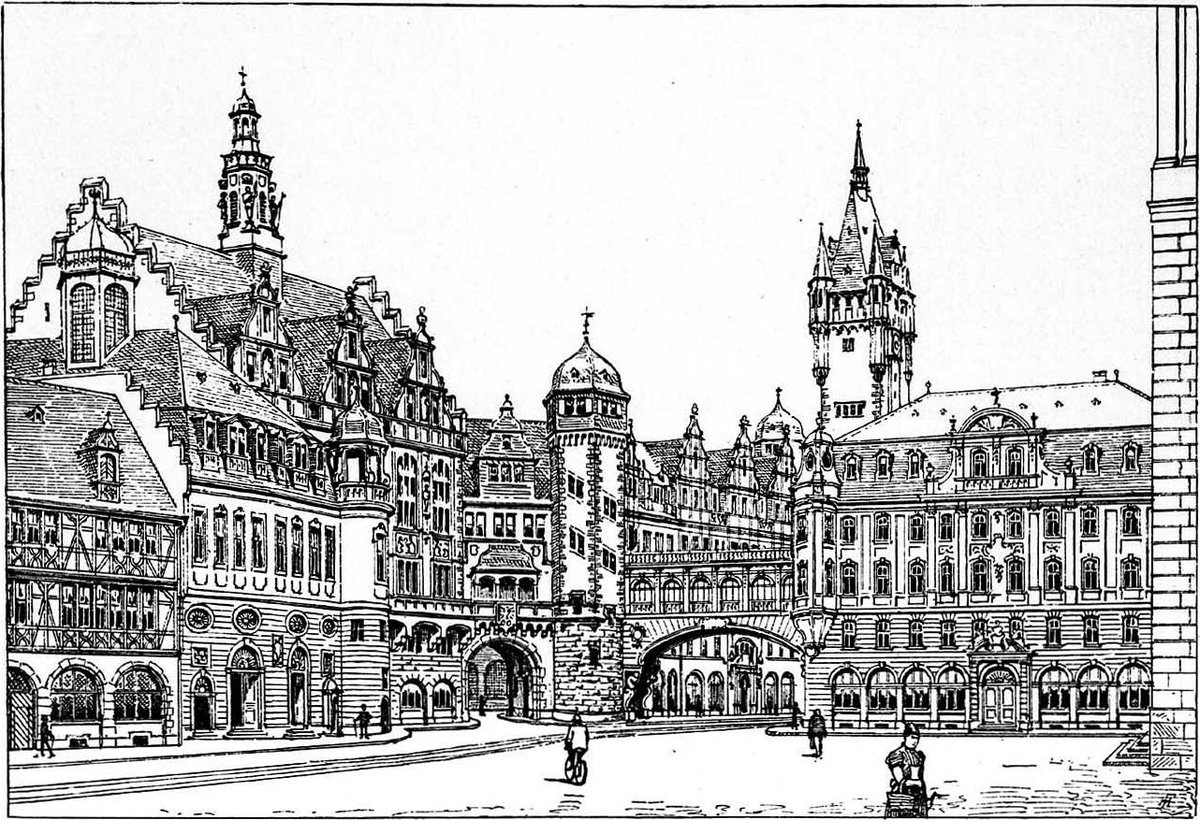
Freßgass dates back over a century, evolving from a simple thoroughfare to a bustling center of commerce and gastronomy. Initially known for its high-end shops and gourmet food stores, it catered to the affluent residents of Frankfurt. The street's strategic location, connecting the financial district with residential areas, established it as a prime spot for businesses to thrive.
Evolution Through the 20th Century
During the 20th century, Freßgass underwent significant transformations. Post-World War II reconstruction and modernization efforts revitalized the street, making it a premier shopping destination. The 1950s and 1960s saw an influx of new businesses, including international brands and upscale boutiques, further cementing its reputation. This era also marked Freßgass as a cultural and social gathering place, with numerous cafes and restaurants opening their doors.
The 21st Century: Modernization and Cultural Significance
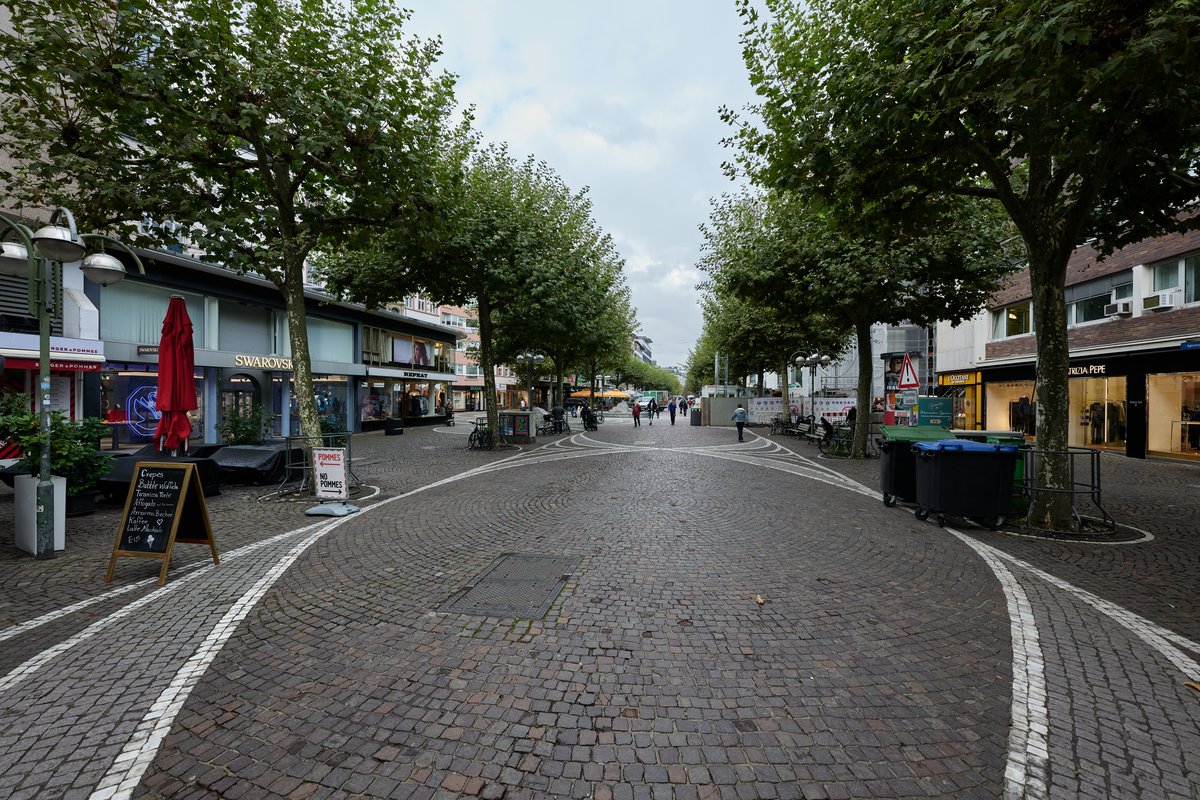
In the 21st century, Freßgass has embraced modernity while preserving its historical charm. The street is now a blend of traditional and contemporary, with historic buildings standing alongside modern architectural marvels. One of the most notable developments is the annual Freßgass Fest, held every May, celebrating the street's rich culinary heritage with food, beverages, live music, and entertainment. More information about the festival can be found on the official Freßgass Fest website.
Architectural Heritage
Freßgass is home to several architecturally significant buildings. Many structures date back to the late 19th and early 20th centuries, showcasing styles like Art Nouveau and Neoclassical. One of the most iconic buildings is the Alte Oper, or Old Opera House, located at the eastern end of the street. Originally opened in 1880, it was rebuilt and reopened in 1981 after being damaged during World War II. The Alte Oper serves as a premier venue for concerts and cultural events.
Economic Impact
Freßgass is a vital economic artery for Frankfurt, contributing significantly to the city’s economy. High-end retailers, gourmet food stores, and luxury boutiques line the street, attracting a steady stream of shoppers, tourists, and professionals. The street's vibrant culinary scene, featuring numerous cafes, restaurants, and bars, also contributes to the local economy by attracting food enthusiasts.
Visitor Information
Visiting Hours
Freßgass is accessible 24/7, but the best time to visit for shopping and dining is between 10 AM and 8 PM. Most shops and restaurants adhere to these hours, although some cafes and bars may stay open later.
Tickets and Accessibility
Visiting Freßgass does not require any tickets as it is a public street. The area is wheelchair accessible and pedestrian-friendly, making it easy for everyone to explore.
Travel Tips
Freßgass is conveniently located close to public transportation. The nearest U-Bahn stations are Alte Oper and Hauptwache, both within walking distance. Parking is available but can be limited, so public transport is recommended.
Nearby Attractions
Freßgass is close to several other historical and cultural sites in Frankfurt, including the Main Tower, Goethe House, and the Frankfurt Stock Exchange. These attractions are within walking distance, making it easy to explore more of Frankfurt's rich heritage.
Special Events and Festivals
Freßgass Fest
One of the most notable events is the Freßgass Fest, held annually at the end of May. This festival transforms the street into a celebration of food, drink, and entertainment, running daily from 12 PM to 11 PM (Stadtleben). This festival features wine tasting, live music, and various culinary delights, attracting thousands of visitors each year.
Rheingau Wine Festival
Since 1977, the Rheingau Wine Festival has been held annually in late summer on Freßgass. This festival showcases wineries from the Rheingau and Rheinhessen regions, offering visitors the opportunity to sample a wide variety of wines (Rheingau Wine Festival). The festival is a testament to the street's enduring connection to culinary excellence and its role in promoting local culture and traditions.
Preservation and Future Prospects
Preserving the historical and cultural heritage of Freßgass is a priority for Frankfurt. Efforts are continually made to maintain the street's unique character while accommodating modern developments. This balance ensures that Freßgass remains a vibrant part of Frankfurt's urban landscape. Looking ahead, Freßgass is poised to continue as a premier destination for shopping, dining, and cultural experiences.
FAQ
Q: What are the visiting hours for Freßgass?
A: Freßgass is accessible 24/7, but the best time to visit for shopping and dining is between 10 AM and 8 PM.
Q: Do I need tickets to visit Freßgass?
A: No, visiting Freßgass does not require any tickets as it is a public street.
Q: What are some must-see attractions near Freßgass?
A: Nearby attractions include the Main Tower, Goethe House, and the Frankfurt Stock Exchange.