
History of Grüneburg Park
Early Beginnings
Grüneburg Park's history dates back to the 14th century. The estate was first mentioned in historical records in 1389 when it was owned by the patrician family, the Holzhausen. The name "Grüneburg" translates to "Green Castle," a reference to the original estate that stood on the grounds. The property changed hands several times over the centuries, reflecting the turbulent history of the region.
The Rothschild Era
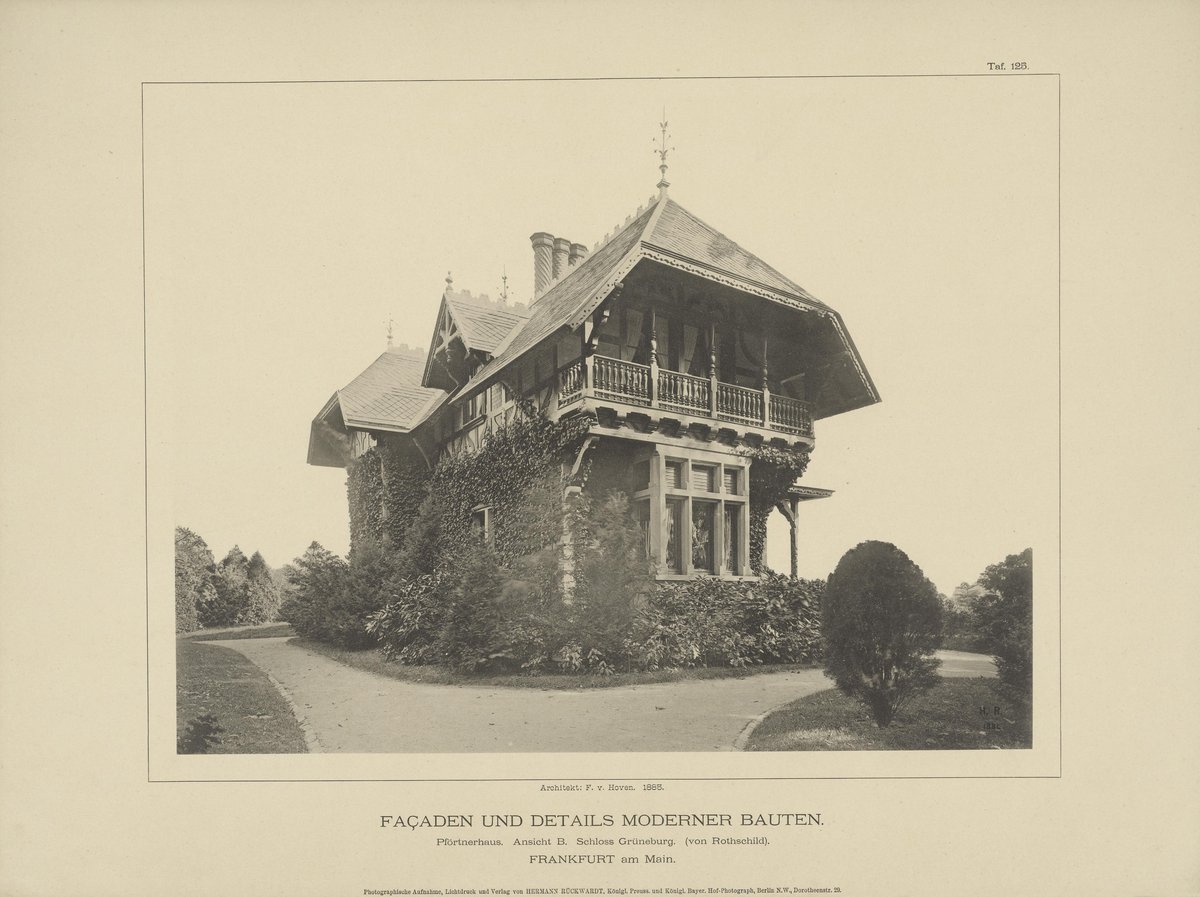
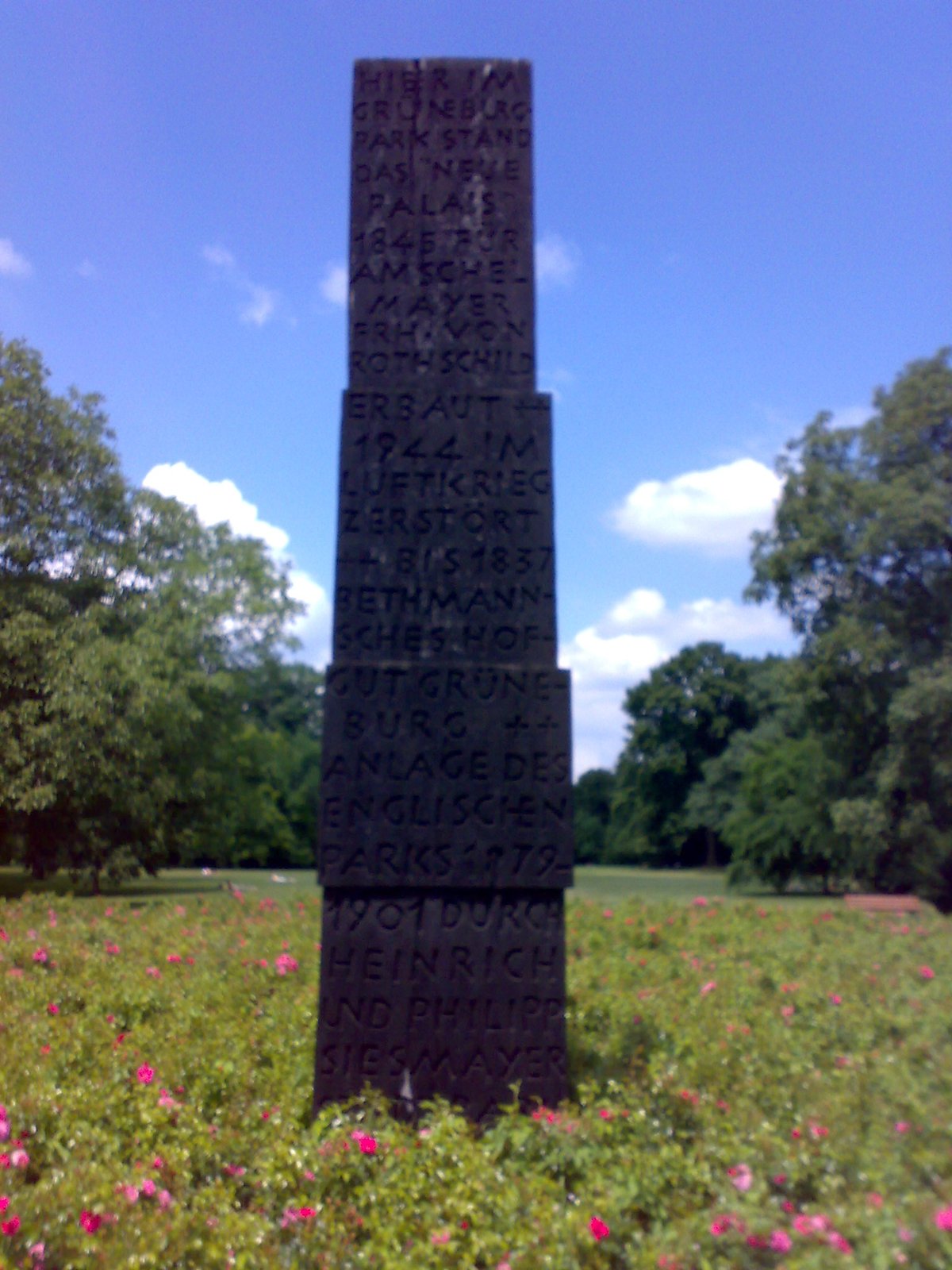
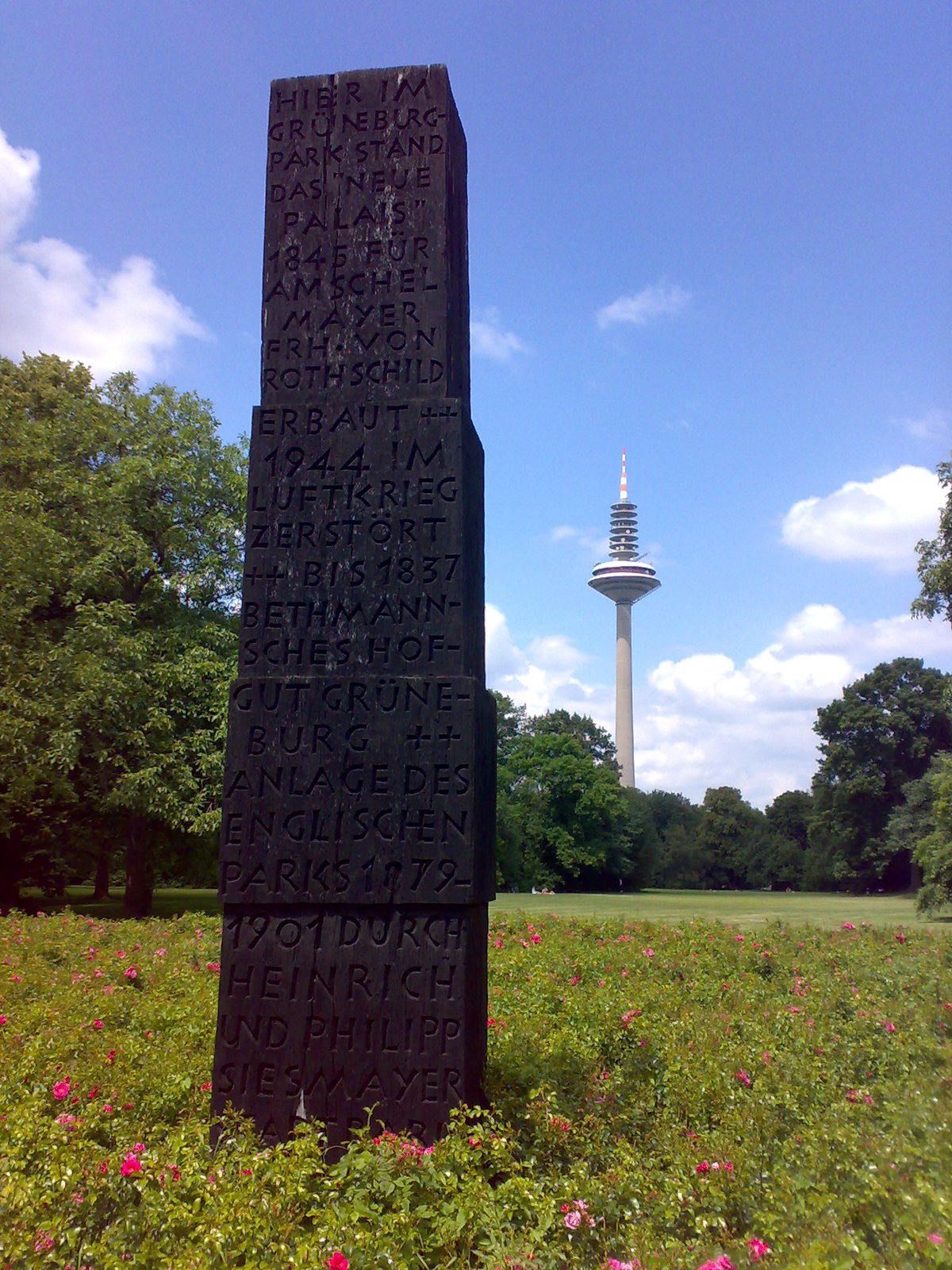
In the 19th century, the estate was acquired by the Rothschild family, a prominent banking dynasty. In 1837, Amschel Mayer von Rothschild purchased the property and transformed it into a magnificent park. The Rothschilds were known for their love of art and nature, and they invested heavily in landscaping the grounds, adding exotic plants and trees, and constructing elegant pathways and water features. The park became a symbol of the family's wealth and influence in Frankfurt (Frankfurt Botanical Garden).
Public Ownership and Transformation
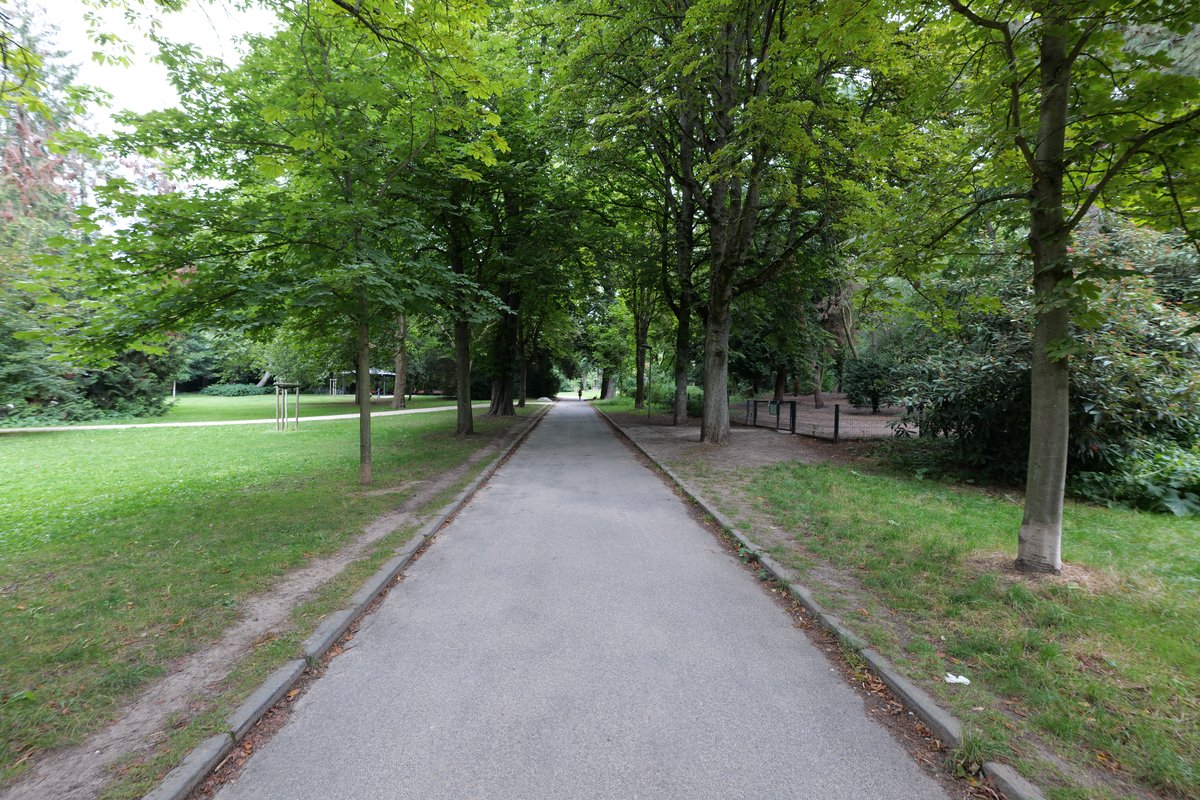
In 1935, the city of Frankfurt purchased the estate from the Rothschild family, marking the beginning of a new chapter for Grüneburg Park. The city undertook extensive renovations to make the park accessible to the public, including the construction of new pathways, playgrounds, and recreational facilities.
World War II and Post-War Reconstruction
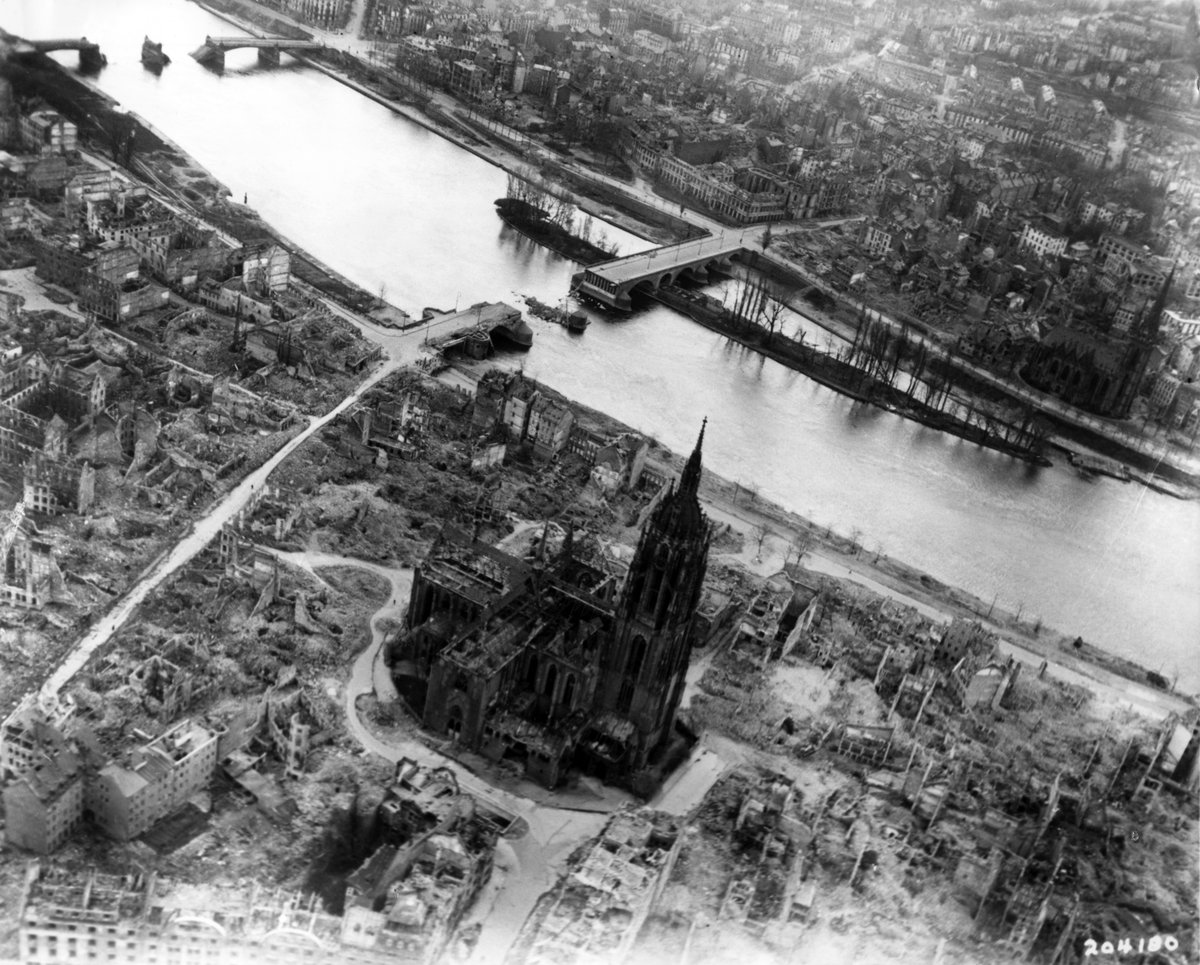
Grüneburg Park, like much of Frankfurt, suffered significant damage during World War II. Many of its historic structures were destroyed. However, the post-war period saw a concerted effort to restore the park. The city of Frankfurt, with the help of local volunteers and organizations, undertook extensive reconstruction efforts. By the 1950s, Grüneburg Park had been largely restored (Frankfurt Green Spaces).
Modern Developments
In recent decades, Grüneburg Park has continued to evolve. The park has been the site of numerous cultural and recreational events. In 2007, the Korean Garden was inaugurated, a gift from the city of Seoul to Frankfurt, symbolizing the friendship between the two cities. The garden features traditional Korean landscaping and architecture, adding a unique cultural dimension to the park.
Notable Historical Structures
Several historical structures within Grüneburg Park serve as reminders of its storied past. The Rothschild Pavilion is one of the few remaining structures from the Rothschild era. Another notable structure is the Goethe Tower, a wooden observation tower that offers panoramic views of the park and the surrounding city. The tower, originally built in 1931, was reconstructed after being destroyed by fire in 2017.
Preservation Efforts
The preservation of Grüneburg Park's historical features has been a priority for the city of Frankfurt. Various initiatives have been undertaken to maintain and restore the park's historic structures and landscapes. These efforts are supported by local heritage organizations and community groups, who work together to ensure that the park's rich history is preserved for future generations.
Visiting Grüneburg Park
Opening Hours and Tickets
Grüneburg Park is open to the public year-round, with no entrance fee. The park's opening hours are typically from dawn until dusk, making it an ideal spot for a morning jog, a leisurely afternoon walk, or an evening stroll.
Travel Tips
The park is easily accessible by public transportation, with several tram and bus lines serving the area. For those driving, parking is available nearby, though it can be limited during peak times. Visitors are encouraged to wear comfortable walking shoes and bring a picnic to enjoy in the beautiful surroundings.
Nearby Attractions
Grüneburg Park is located near several other notable attractions in Frankfurt, including the Palmengarten, a stunning botanical garden, and the Senckenberg Natural History Museum. Visitors can easily make a day of exploring the park and its nearby sites.
Guided Tours and Special Events
Guided tours of Grüneburg Park are available and offer a deeper insight into its history and significance. The park also hosts a variety of special events throughout the year, such as open-air concerts, cultural festivals, and sports activities. It's worth checking the park's official website or local listings for upcoming events.
Best Photographic Spots
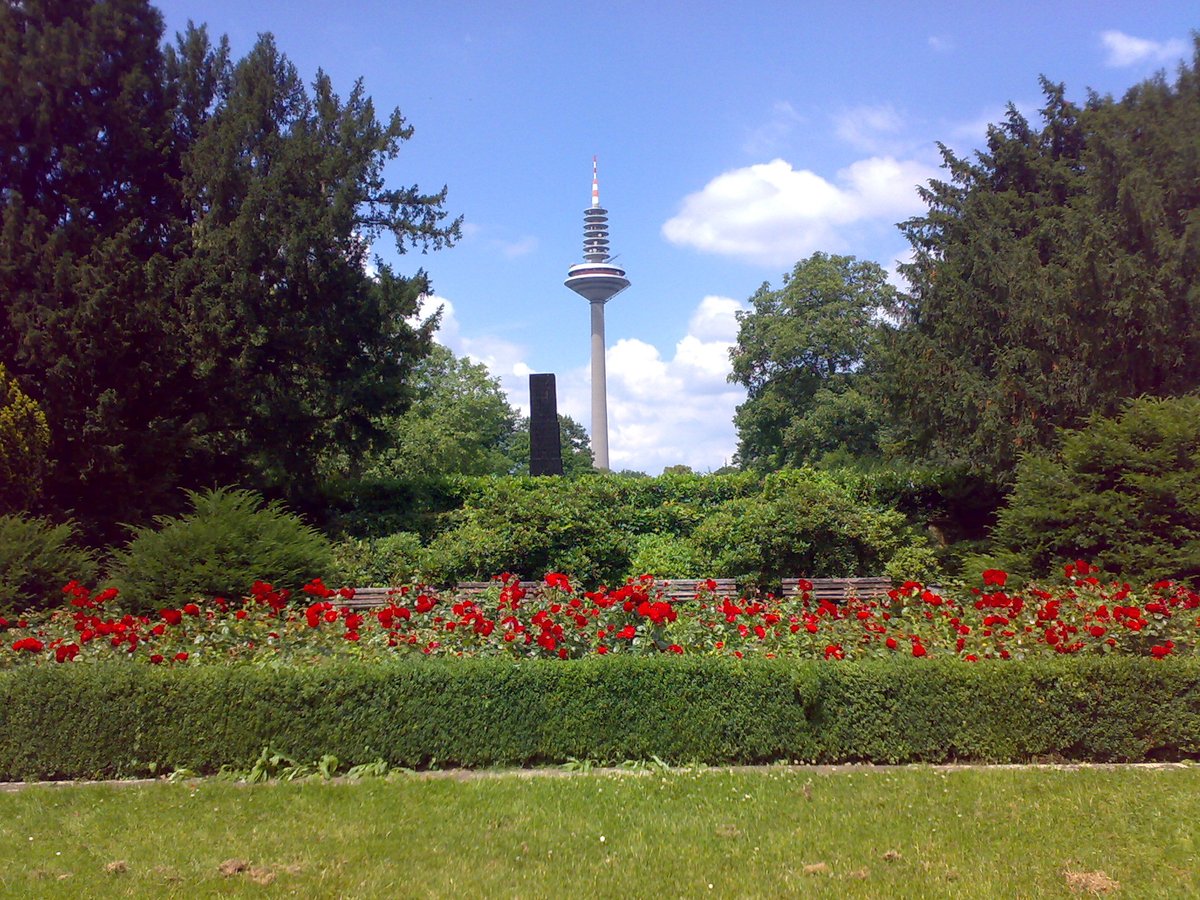
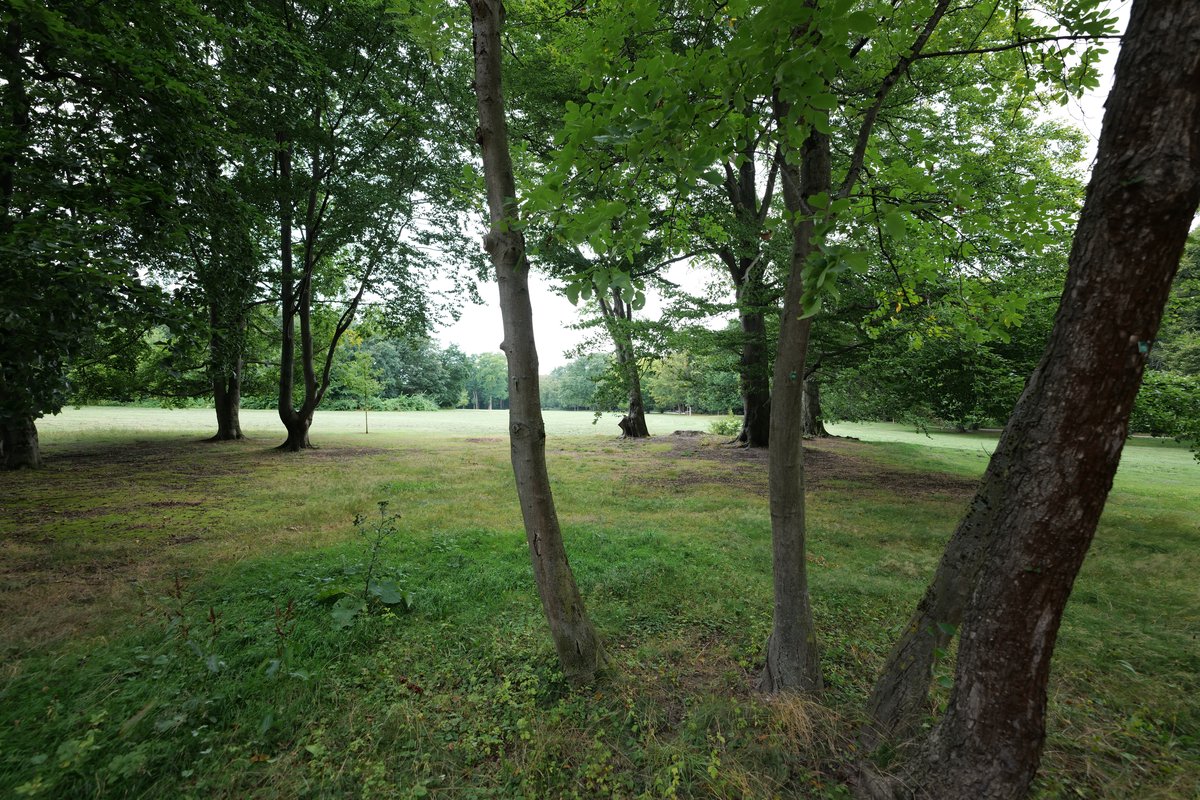
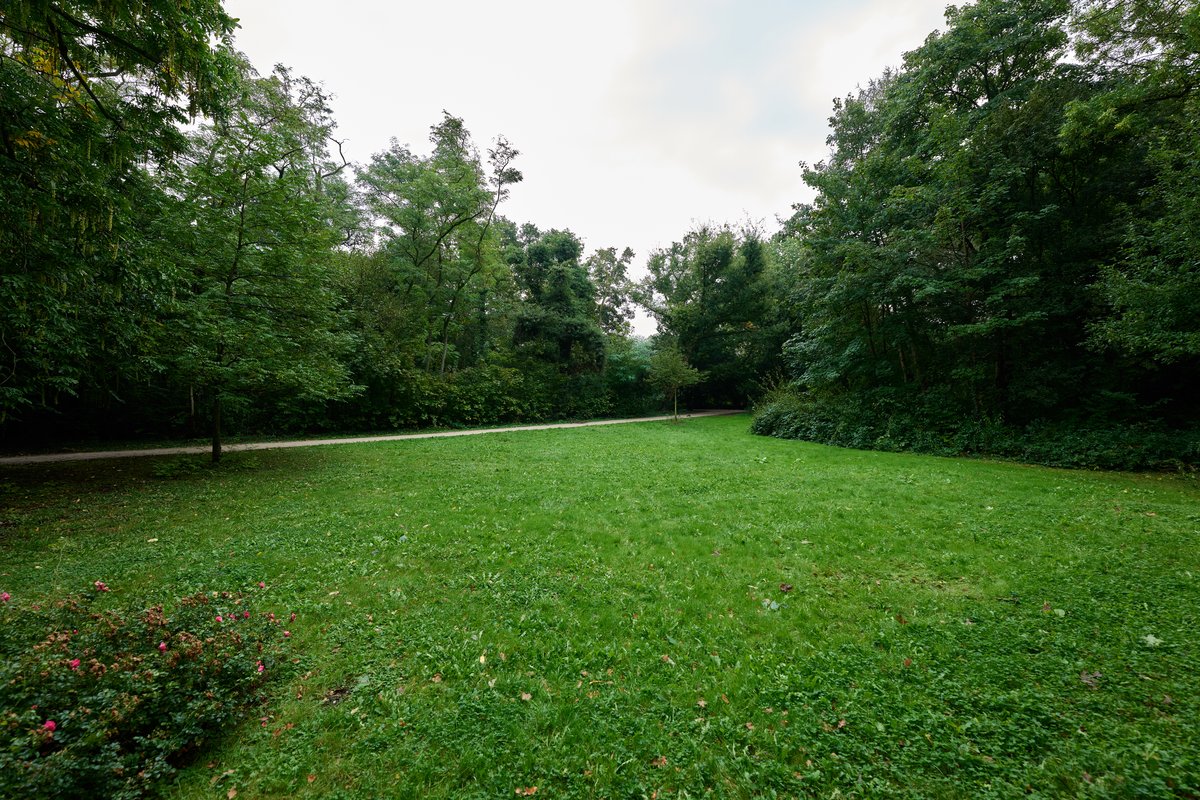
For photography enthusiasts, Grüneburg Park offers numerous picturesque spots. The Korean Garden, with its traditional landscaping, is particularly photogenic. The Goethe Tower, with its panoramic views, and the elegant pathways and water features from the Rothschild era are also popular photo locations.
FAQ
What are the visiting hours for Grüneburg Park? The park is open from dawn until dusk daily.
Is there an entrance fee for Grüneburg Park? No, entrance to Grüneburg Park is free.
How can I get to Grüneburg Park? The park is accessible by public transportation, with several tram and bus lines serving the area. Parking is also available nearby.
Are there guided tours available? Yes, guided tours of Grüneburg Park are available and provide in-depth information about its history and significance.
What nearby attractions can I visit? Nearby attractions include the Palmengarten and the Senckenberg Natural History Museum.
Discover More
Plan your visit to Grüneburg Park today and explore the rich history and natural beauty it offers. Don't forget to check out other related posts on our site and follow us on social media for more updates and travel tips.