Historical Development of Rato Station
Opened on December 29, 1997, Rato Station marked a significant phase in Lisbon’s metro expansion, coinciding with urban revitalization efforts ahead of the 1998 World Expo (Wikipedia; Portugal All Over). Situated at Largo do Rato, the station bridges Lisbon’s traditional quarters with modern commercial and residential developments, supporting daily commuters and tourists alike.
Architectural Significance and Artistic Features
Design Philosophy
Sanchez Jorge, the station’s architect, envisioned a space where function meets artistic expression. The underground station features spacious, accessible platforms and clear signage, ensuring efficient passenger flow (Metro Lisboa).
Artistic Integration
Distinctive mosaics and abstract works by Vieira da Silva and Arpad Szenes adorn the station, echoing Lisbon’s azulejo tile heritage while celebrating modern art (Lisbon Airport).
Materials and Lighting
The use of polished stone, ceramic tiles, and metal accents, paired with a combination of natural and artificial lighting, creates a welcoming and safe environment.
Rato Station Visiting Hours and Ticket Information
- Operating Hours 6:30 AM – 1:00 AM daily (Metro Lisboa; Lisbon Lisboa Portugal).
- Tickets Buy single journeys, Navegante cards, and top-ups at station machines. Contactless payments (bank cards, mobile wallets) are accepted at gates (Portugal.com).
- Prices Single metro journey: €1.66 (with Zapping credit). Day passes and multi-modal tickets are available for extensive travel.
- Accessibility The station is fully wheelchair accessible with elevators and escalators (Metro Lisboa).
Frequently Asked Questions (FAQs)
Q: What are Rato Station’s opening hours?
A: 6:30 AM to 1:00 AM daily.
Q: How do I buy tickets at Rato Station?
A: Use ticket machines or tap a contactless card at the gates.
Q: Is Rato Station accessible for wheelchair users?
A: Yes, with elevators, escalators, and tactile paving.
Q: What is the fare for a single journey?
A: €1.66 with Zapping credit; day passes and Navegante cards offer more flexibility.
Nearby Lisbon Historical Sites and Cultural Attractions
Rato Station’s central location allows easy access to:
- Reservatório da Mãe d’Água das Amoreiras 18th-century water reservoir and museum (Portugal All Over).
- Fundação Arpad Szenes-Vieira da Silva Modern art museum honoring the artists whose works are featured in the station (Metro Lisboa).
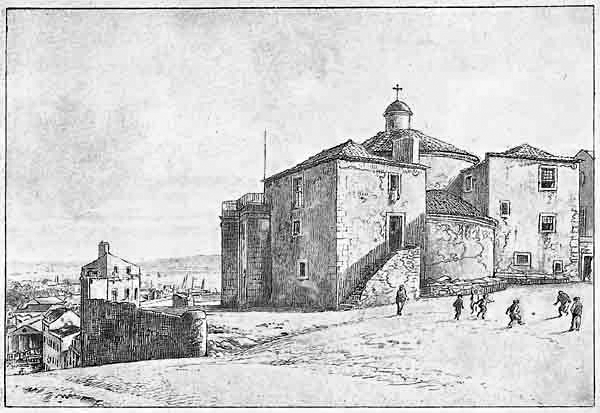
- Capela de Nossa Senhora de Monserrate A historic chapel reflecting Lisbon’s religious traditions.
Connectivity and Transport Links
Rato Station is a multimodal hub, connecting metro riders with Carris bus lines (202, 706, 713, 720, 727, 738, 758, 774) and Tram 24 (Portugal All Over). This allows seamless travel to Bairro Alto, Amoreiras, and other neighborhoods.
Rato Station and Lisbon’s Metro Network Evolution
The Circular Line Project
The ongoing Circular Line expansion will transform Rato from a terminus to a central interchange, connecting it directly to Estrela, Santos, and the Cais do Sodré transport hub (Metropolitano de Lisboa; Railway Pro). This €344 million project, expected to complete in 2026, will reduce transfer times, increase train frequency, and support sustainable urban mobility (Rail Journal).
Benefits
- Improved passenger flow and direct connections across Lisbon.
- Sustainability Reduced CO₂ emissions and private car use.
- Accessibility Enhanced access to riverside, business, and cultural areas.
Rato Neighborhood: Attractions and Cultural Life
Rato’s vibrant neighborhood is characterized by a mix of historical charm and modern flair:
- Largo do Rato The main square, surrounded by Pombaline and early-20th-century buildings.
- Amoreiras District Home to the Amoreiras Towers and Shopping Center, with panoramic views (Observation Deck: 10:00 AM–7:00 PM, free entry).
- Jardim das Amoreiras 18th-century garden adjacent to the Mãe d’Água reservoir, open daily 8:00 AM–8:00 PM.
- Museu Arpad Szenes – Vieira da Silva Open Tuesday–Sunday, 10:00 AM–6:00 PM (admission €5, free for EU citizens under 25 on Sundays).
Cultural Scene
- Art galleries, cafés, and antique shops line Rua de São Bento and nearby streets.
- Nightlife Upscale bars and wine lounges.
- Events Local art fairs, Carnival festivities, and Christmas illuminations (Lisbon Explorers).
Accessibility and Visitor Services
- Step-free access Elevators/escalators from street to platform.
- Tactile paving For visually impaired travelers.
- Retail and restrooms Available within the station; more options nearby.
- Wi-Fi Not universal in-station; strong mobile signal.
- Security CCTV and staff presence ensure safety.
Practical Tips for Visiting Rato Station
- Avoid peak hours (7:30–9:30 AM, 5:00–7:30 PM) for a less crowded experience.
- No luggage storage at Rato; use major train stations for this service.
- Lisboa Card/Navegante Card recommended for unlimited travel and savings.
- Check elevator status before traveling if accessibility is needed (Lisbon Metro accessibility).
- Emergency Dial 112 for assistance.