History and Urban Evolution of Olivais
Medieval Origins
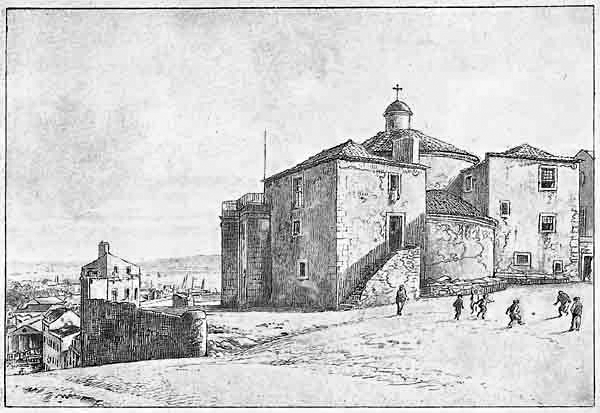
Olivais traces its roots to the late medieval period, officially founded as a parish in 1397. Its name derives from the extensive olive groves that once covered the area, supplying Lisbon with agricultural goods. Over the centuries, it attracted Lisbon’s aristocracy, who built rural estates along the historic road to Sacavém, shaping the area’s identity as a tranquil retreat (Olivais, Lisbon: History and Visiting Tips; BWAGROUP: Olivais Neighborhood Architecture and Legacy).
19th and 20th Century Urbanization
By the 19th century, Olivais had grown considerably, both in population and administrative importance, before being annexed into the Lisbon municipality in 1885. The mid-20th century witnessed the most dramatic transformation: Olivais was selected for a pioneering social housing project, inspired by the modernist Athens Charter, to address Lisbon's housing shortage. The resulting urban plan emphasized wide avenues, green spaces, and functional apartment blocks, establishing Olivais as a “city within the city” (Olivais, Lisbon: History and Visiting Tips; Coldwell Banker Portugal Guide).
Infrastructure and Modern Growth
In 1940, Lisbon Airport (now Humberto Delgado Airport) was constructed within Olivais, further boosting the area's strategic value. Today, the airport remains Portugal’s busiest, and Olivais additionally hosts major company headquarters such as TAP Portugal and CTT Correios de Portugal, S.A., cementing its role as an economic and logistical center (Olivais, Lisbon: History and Visiting Tips).
21st Century and Cultural Renewal
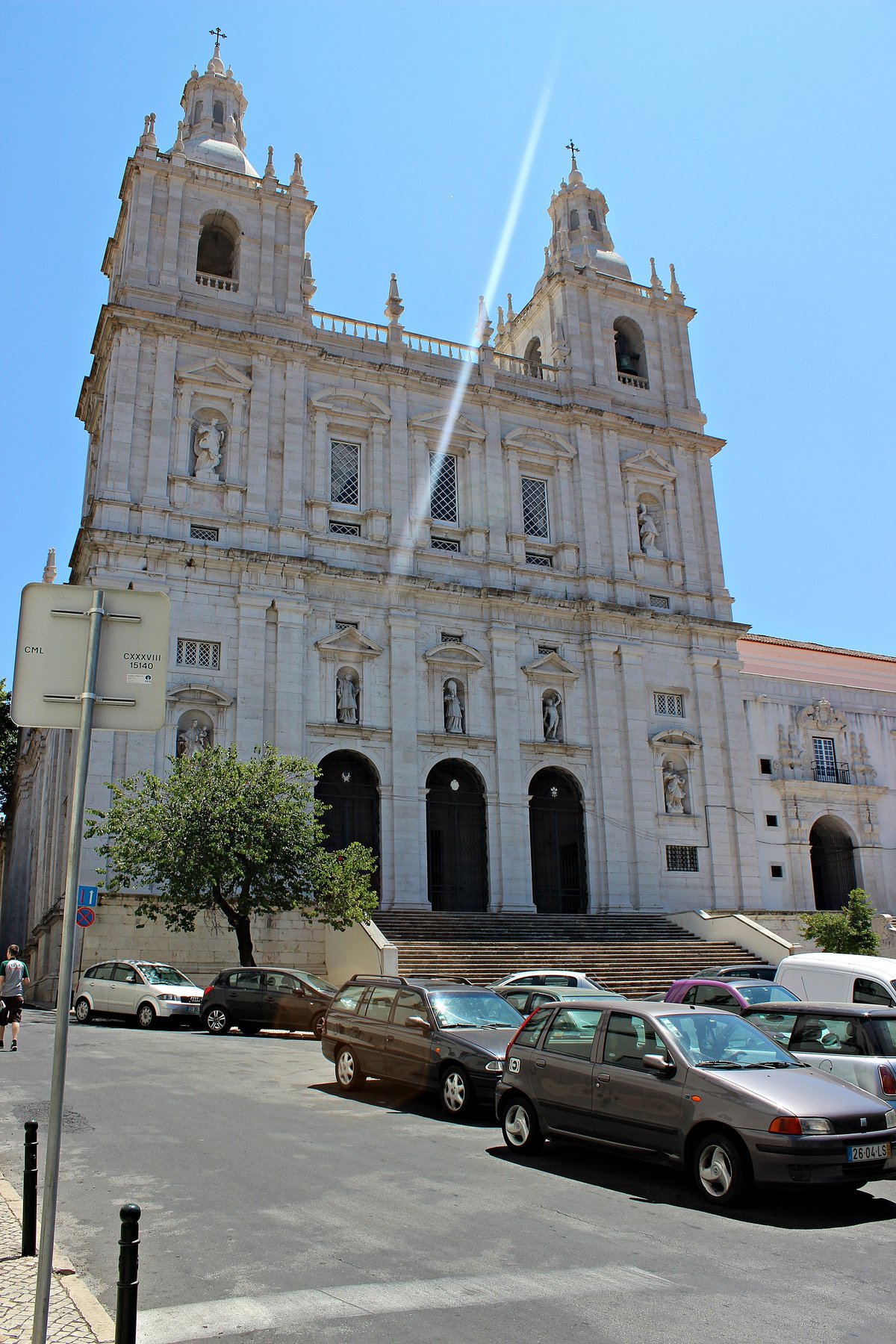
Administrative changes in 2012 reduced Olivais’ territory but not its identity. The neighborhood continues to evolve, with ongoing investments in cultural spaces and the preservation of historic landmarks like the Main Church of Santa Maria dos Olivais and the Cemetery of Olivais (Olivais, Lisbon: History and Visiting Tips).
Olivais Metro Station: Location and Accessibility
Olivais Metro Station is a key stop on the Red Line, located beneath Rua Cidade de Bissau at the intersection with Rua Cidade de Luanda. The station offers:
- Full accessibility Elevators, ramps, and tactile paving for visually impaired passengers.
- Easy connections Direct metro access from Lisbon Airport (approx. 5 minutes) and proximity to major transport nodes like Gare do Oriente (Olivais Station on Wikipedia).
Operating Hours and Ticket Information
Opening Hours
- Daily 6:30 AM – 1:00 AM
Ticketing Options
- Single tickets ~€1.50 per journey
- 24-hour pass ~€6.40
- Viva Viagem card Rechargeable, valid on all metro, bus, and tram lines
- Navegante card Best for regular commuters, supporting daily and zapping (pay-as-you-go) options
- Lisboa Card Unlimited public transport and free or discounted entry to attractions (Portugal.com Transport Guide; Lisbon Metro Official Site)
Tickets are available via vending machines (accepting cash, cards, and contactless payments) and ticket counters at the station.
Architectural and Artistic Highlights
Modernist Design
Designed by Rui Cardim, Olivais Station embodies late-20th-century modernist principles, with a focus on functionality, accessibility, and integration of natural light via skylights and open spaces (Metropolitano de Lisboa - Brief History).
Azulejo Tilework and Public Art
Artists Nuno Siqueira and Cecília de Sousa created large-scale azulejo tile murals celebrating the olive groves that defined Olivais’ past. The murals, in calming greens and blues, are positioned along platforms and concourses, providing a contemporary interpretation of traditional Portuguese tilework (Smithsonian Magazine; BBC Travel).
Connectivity and Nearby Attractions
- Transit connections Multiple Carris bus routes, easy access to Oriente train and bus station
- Nearby parks Parque dos Olivais and Vale do Silêncio—ideal for relaxation and recreation
- Historical sites Main Church of Santa Maria dos Olivais, Cemetery of Olivais
- Parque das Nações One metro stop away; home to Lisbon Oceanarium, Pavilhão do Conhecimento, and riverside promenades (LisbonLisboaPortugal.com)
Neighborhood Life and Community Events
Urban Fabric
Olivais is characterized by its orderly grid layout, spacious avenues, and modernist apartment blocks surrounded by communal gardens and parks. The Mercado de Olivais anchors local commerce, while numerous cafés and bakeries offer regional specialties.
Culture and Festivals
The annual “Nas Asas da Liberdade” festival in Alameda da Encarnação celebrates the Carnation Revolution with music, food, and family-friendly activities (Lisboa Secreta). Local libraries, art centers, and music schools offer year-round programming.
Frequently Asked Questions (FAQ)
Q: What are the Olivais Metro Station opening hours?
A: Daily from 6:30 AM to 1:00 AM.
Q: How can I buy metro tickets?
A: Use vending machines or ticket counters at the station. Viva Viagem and Navegante cards offer flexibility and savings.
Q: Is Olivais Station accessible?
A: Yes, with elevators, ramps, tactile paving, and clear signage.
Q: What attractions are near Olivais Station?
A: Parque das Nações, local parks, the Main Church of Santa Maria dos Olivais, and the Mercado de Olivais.
Q: Are guided tours available?
A: Occasionally, via Lisbon tourism offices.
Practical Tips and Visitor Experience
- Best visiting times Early mornings or late evenings to avoid peak hours.
- Safety Olivais is generally safe; exercise usual caution, especially during busy periods.
- Digital tools Apps such as Moovit, Google Maps, and Audiala are useful for real-time navigation.