History & Architecture: From Sacred Space to Financial Landmark
Origins and Transformation
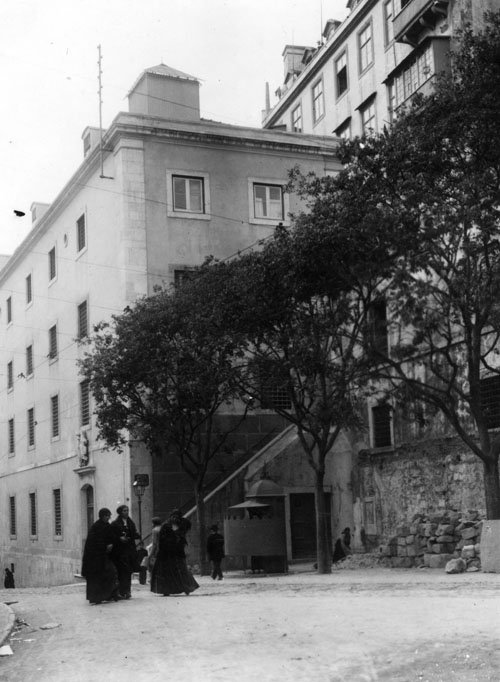
The Museu do Dinheiro is set in the former Church of São Julião, originally constructed in the 17th century and rebuilt in the Baroque style after the catastrophic 1755 Lisbon earthquake. During the early 20th century, the deconsecrated church was acquired by the Bank of Portugal. In the 1930s, it was ingeniously adapted to house the nation’s gold reserves—turning the building into a secure financial stronghold with hidden vaults (Portugal Visitor, Atlas Lisboa).
Restoration and Modernization
After the gold was relocated in the late 20th century, the Bank of Portugal initiated a major restoration project (2007–2012) led by architects Gonçalo Byrne and João Pedro Falcão de Campos. Their work preserved historical elements while introducing modern exhibition spaces. The museum opened to the public in 2016, seamlessly integrating the grandeur of the church with innovative museography (Visit Portugal).
Archaeological Discoveries
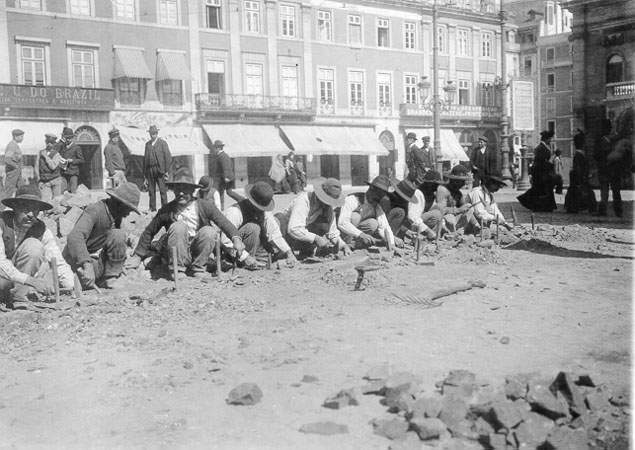
During restoration, significant archaeological remains were uncovered, including a section of the 13th-century King Dinis’ Wall—Lisbon’s medieval fortification—now viewable in the museum’s basement. Additional finds such as Roman and Islamic ceramics, coins, and architectural fragments provide a tangible link to Lisbon’s layered past (Lisbon Portugal Tourism).
Museum Mission & Educational Focus
Operated by the Bank of Portugal, the Museu do Dinheiro is dedicated to promoting financial literacy, public trust, and transparency. Its mission extends beyond numismatics, using interactive exhibits and educational programming to illuminate the role of money in society and daily life (Atlas Lisboa, Visit Portugal).
Collection Highlights & Thematic Exhibitions
Permanent Collection
- Ancient Coins The museum features a replica of the world’s first Western coin (Lydia, 7th century BC), rare medieval Portuguese currency, and notable coins like the “Português” and the massive Dobra of 24 Escudos (Portugal Visitor).
- International Money Artifacts include a 9th-century Chinese banknote and a Japanese Oban, reflecting global monetary history.
- Touch the Gold Bar A 12.6 kg gold bar invites visitors to physically connect with the concept of value (Visit Portugal).
- Security & Counterfeiting Explore anti-counterfeiting technology and learn how banknotes and coins are designed for security.
Temporary Exhibitions
Regularly rotating exhibitions explore themes like “Money and Power: Symbols of Authority” and “Digital Currencies and the Future of Money,” alongside contemporary art installations using currency as a medium (Museu do Dinheiro, Fever Lisbon).
Interactive & Family-Friendly Experiences
- Virtual Minting Visitors can design and “mint” their own coins or banknotes.
- Microscope Station Examine modern banknotes’ micro-details and security features.
- Personalized Souvenirs Take home a digital banknote with your image.
- Gold Bar Experience Try to lift the real gold bar—an unforgettable tactile highlight.
- Storytelling Wall Share and read personal reflections on money’s meaning.
- Workshops & Tours Family-friendly workshops and thematic guided tours are offered throughout the year (Lisboasecreta).
Visiting Hours, Tickets & Accessibility
- Location Largo de São Julião, Baixa, Lisbon (Google Maps)
- Opening Hours Tuesday–Sunday, 10:00–18:00. Closed Mondays and some public holidays (Museu do Dinheiro).
- Admission Free entry for all visitors.
- Accessibility The museum is fully wheelchair accessible, with ramps, elevators, and adapted restrooms. Multilingual staff and materials support diverse needs.
Facilities & Practical Tips
- Restrooms Available on each floor.
- Cloakroom For coats and small bags.
- Wi-Fi Complimentary throughout the museum.
- Museum Shop Offers souvenirs and educational materials.
- Seating Benches and rest areas are provided.
- Photography Allowed in most areas (no flash or tripods in some zones).
- Visitor Comfort Plan 1–2 hours for a comprehensive visit. Combine your visit with nearby attractions such as Praça do Comércio and Lisbon Cathedral.
Guided Tours & Events
- Guided Tours Available in Portuguese and English; book in advance via the official website.
- Events Temporary exhibitions, lectures, and family activities are scheduled throughout the year. Check the agenda for updates.
- Educational Programs Workshops for schools and families are regularly held.
Frequently Asked Questions (FAQs)
What are the Museu do Dinheiro visiting hours?
Open Tuesday to Sunday, 10:00–18:00. Closed Mondays and certain holidays.
How much are tickets?
Admission is free.
Is the museum accessible for people with disabilities?
Yes, with full wheelchair access and adapted facilities.
Are guided tours available?
Yes, in Portuguese and English, advance booking recommended.
Can I take photos inside the museum?
Yes, except where posted otherwise.
What nearby attractions can I visit?
Lisbon Cathedral, Praça do Comércio, and the MUDE – Museum of Design and Fashion are all close by.